Sanitising & Odour Treatment After a Dead Animal
Removing the animal is half the job. What's left behind (fluids, maggots, droppings, soiled insulation and the smell itself) needs proper cleaning so the space is safe and the odour actually goes.
- 24/7 phone line
- We find hidden animals
- Sanitised & deodorised
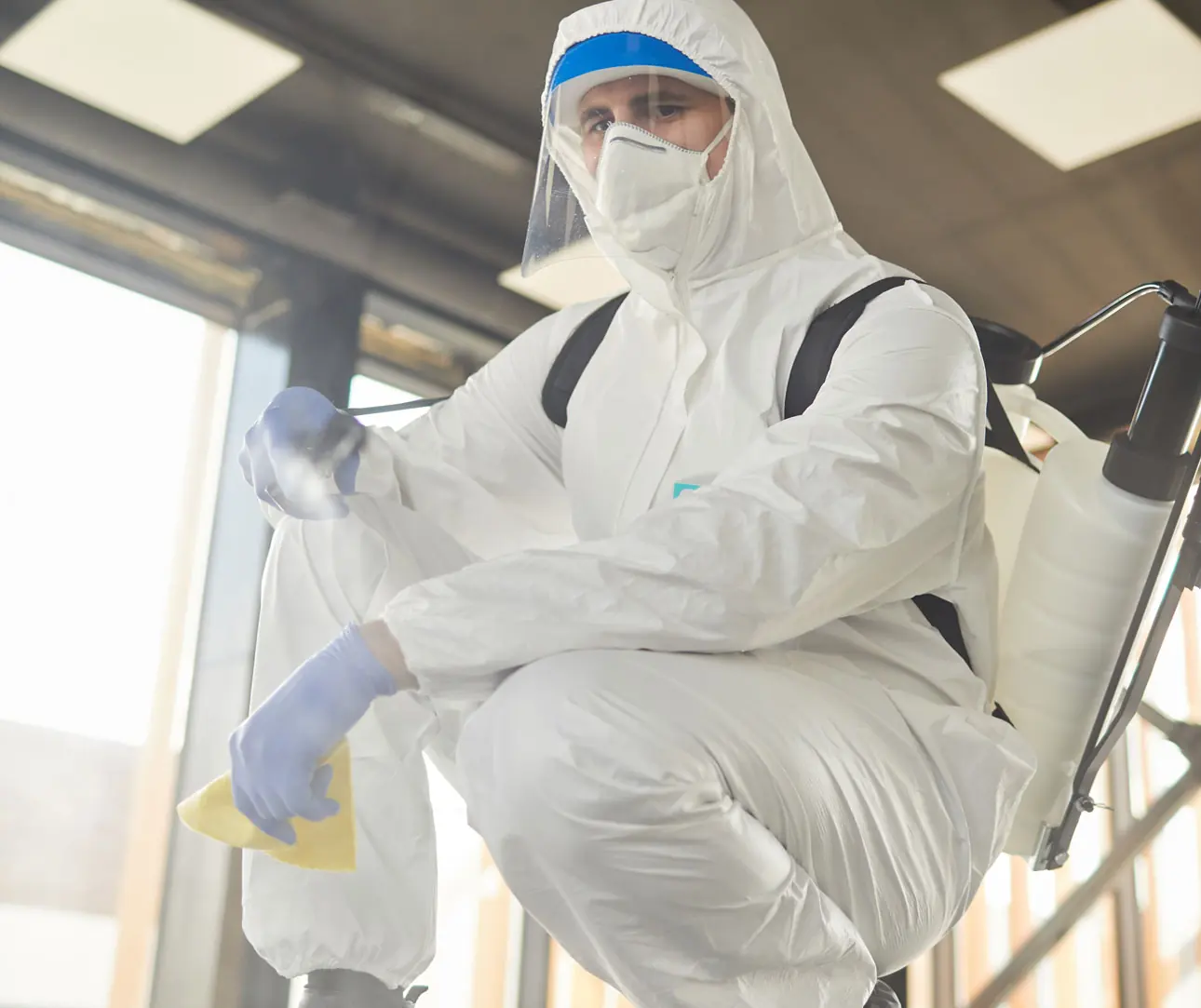
Sanitising & Odour Treatment After a Dead Animal: how it works
When an animal decomposes, fluids soak into whatever is underneath: insulation, plaster, timber, carpet underlay, soil. Flies lay eggs, maggots spread, and bacteria build up. Even after the body is gone, these materials keep smelling and can attract more pests.
We remove what can't be cleaned (soiled insulation batts, nest material, contaminated soil), then disinfect hard surfaces and treat porous ones with an enzyme-based odour neutraliser. For smells that have spread through a room or roof space, we can fog the area. See is dead animal smell harmful and can you get sick from a dead animal.
Finally, we show you how the animal got in. Our guide to stopping animals getting into your roof covers the common gaps in Melbourne homes.
Sanitising
- Removal of maggots, pupae and droppings
- Soiled insulation and nest material taken out
- Hospital-grade disinfectant on hard surfaces
- Contaminated soil removed in subfloors
- Safe for pets and people once dry
Odour treatment
- Enzyme odour neutraliser on porous surfaces
- Fogging for spread-out smells
- Ducted heating and vents checked
- Advice on airing the space
- Follow-up if the smell lingers
How we do it
The same six steps every time, adjusted to where the animal is.
- 1
Call and describe it
Tell us what you can smell or see, where, and for how long. We'll tell you straight away whether it sounds like a rodent, a possum, a bird or something larger, and what the visit involves.
- 2
We find the source
We follow the smell, the flies and the stains: roof space, wall cavities, subfloor, ducting, under decks. Torch, moisture meter and an experienced nose.
- 3
Careful access
If the animal is behind plaster, we cut the smallest neat inspection hole we can, in the least visible spot, and keep the piece so it can be patched.
- 4
Removal and bagging
The carcass, maggots and soiled nesting material are lifted out, double-bagged and taken away for proper disposal. You never have to see it.
- 5
Sanitise and deodorise
The spot is cleaned and disinfected, soiled insulation is removed, and an odour neutraliser is applied where the smell has soaked in.
- 6
How it got in
We show you the gap, vent or broken tile the animal used and tell you how to close it, so you're not calling us again next winter.
Related guides
Read before you call
 Health & Safety
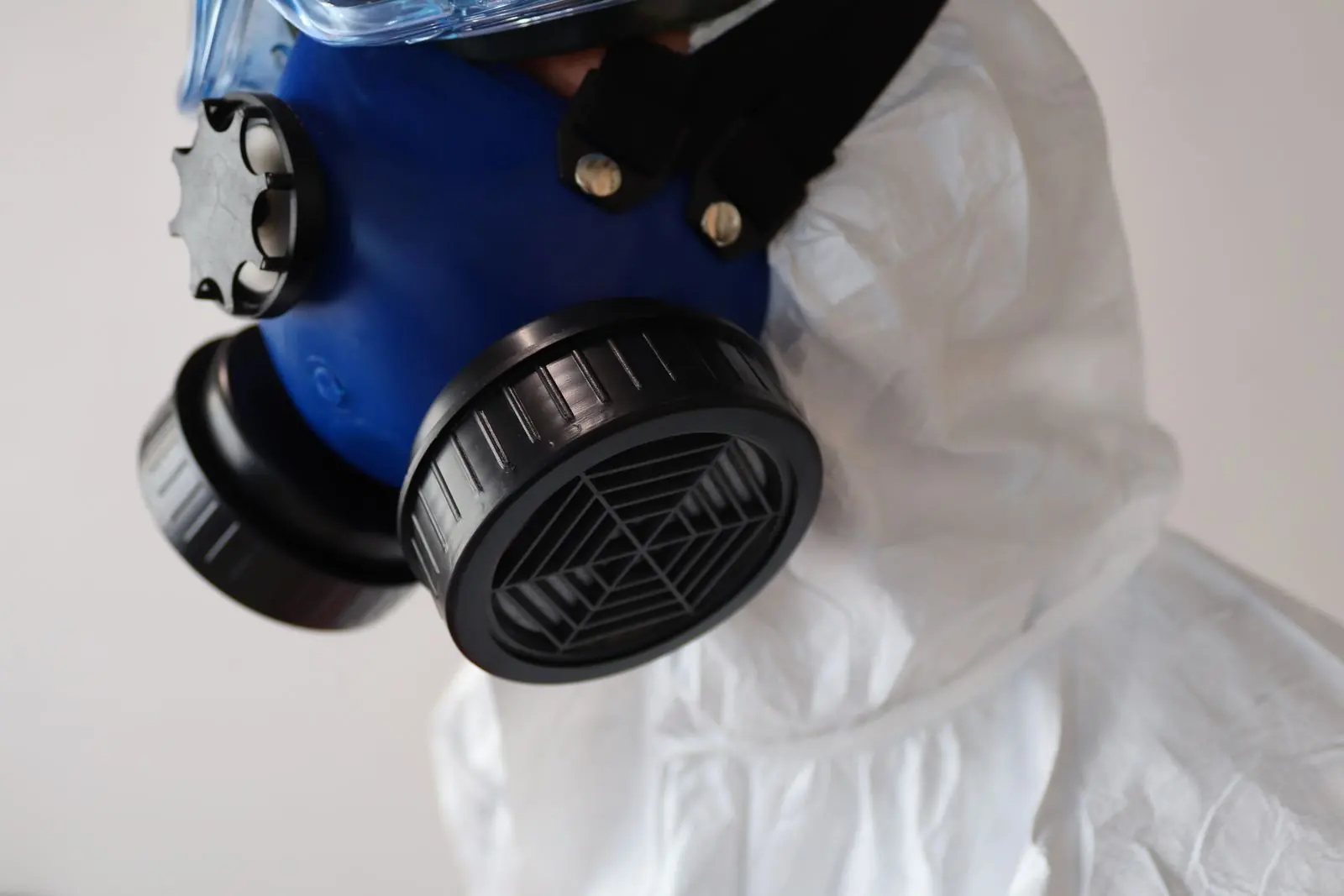
Is Dead Animal Smell Harmful to Your Health?
The smell itself rarely hurts healthy adults, but what's causing it can. Here's who should take extra care and how to stay safe until it's gone.
Read the guide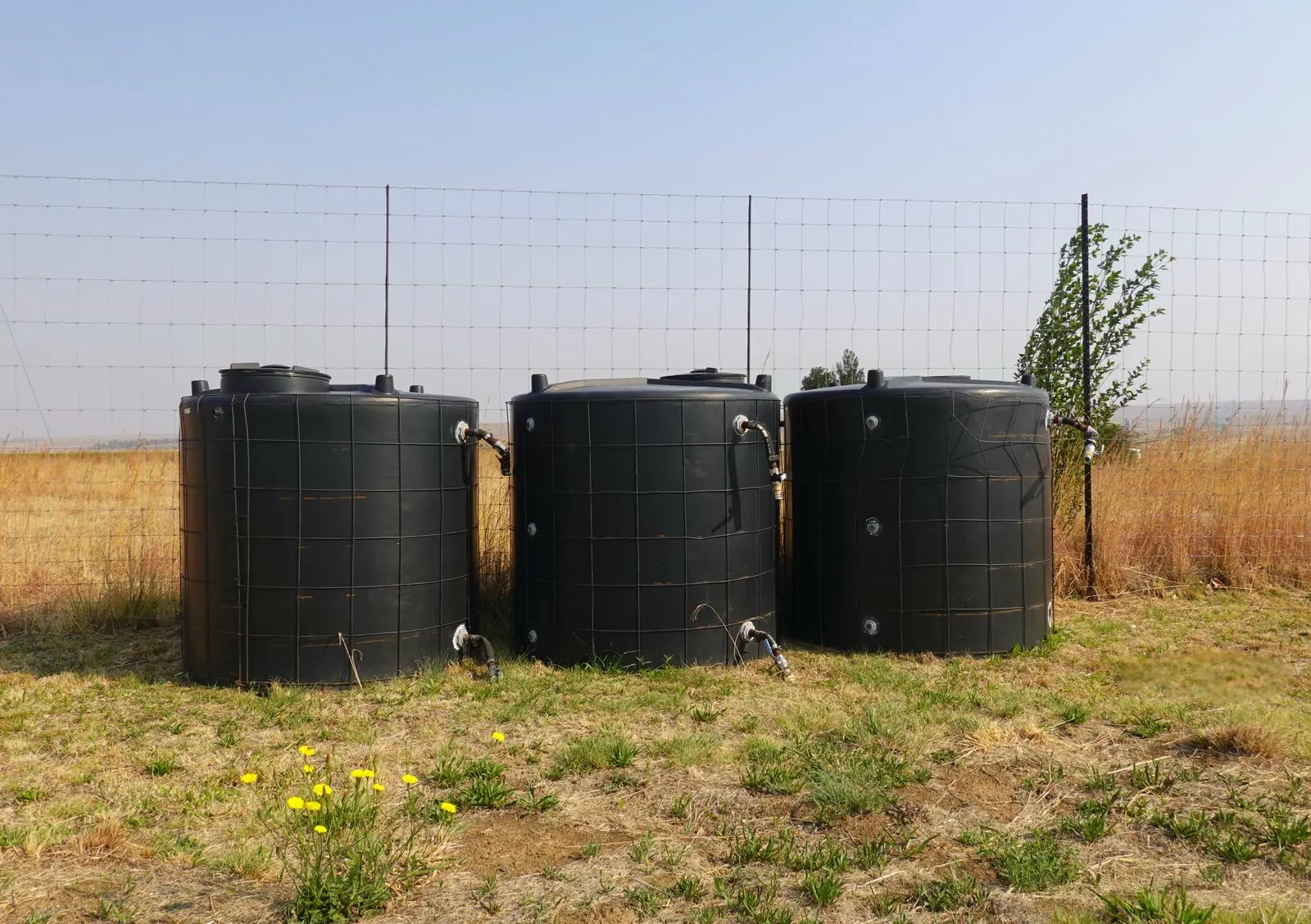 Health & Safety
Dead Animal in Your Pool or Rainwater Tank: What to Do
A dead rat, bird or possum in your rainwater tank or pool is a real health risk. Here's how to remove it, clean the water and keep animals out next time.
Read the guide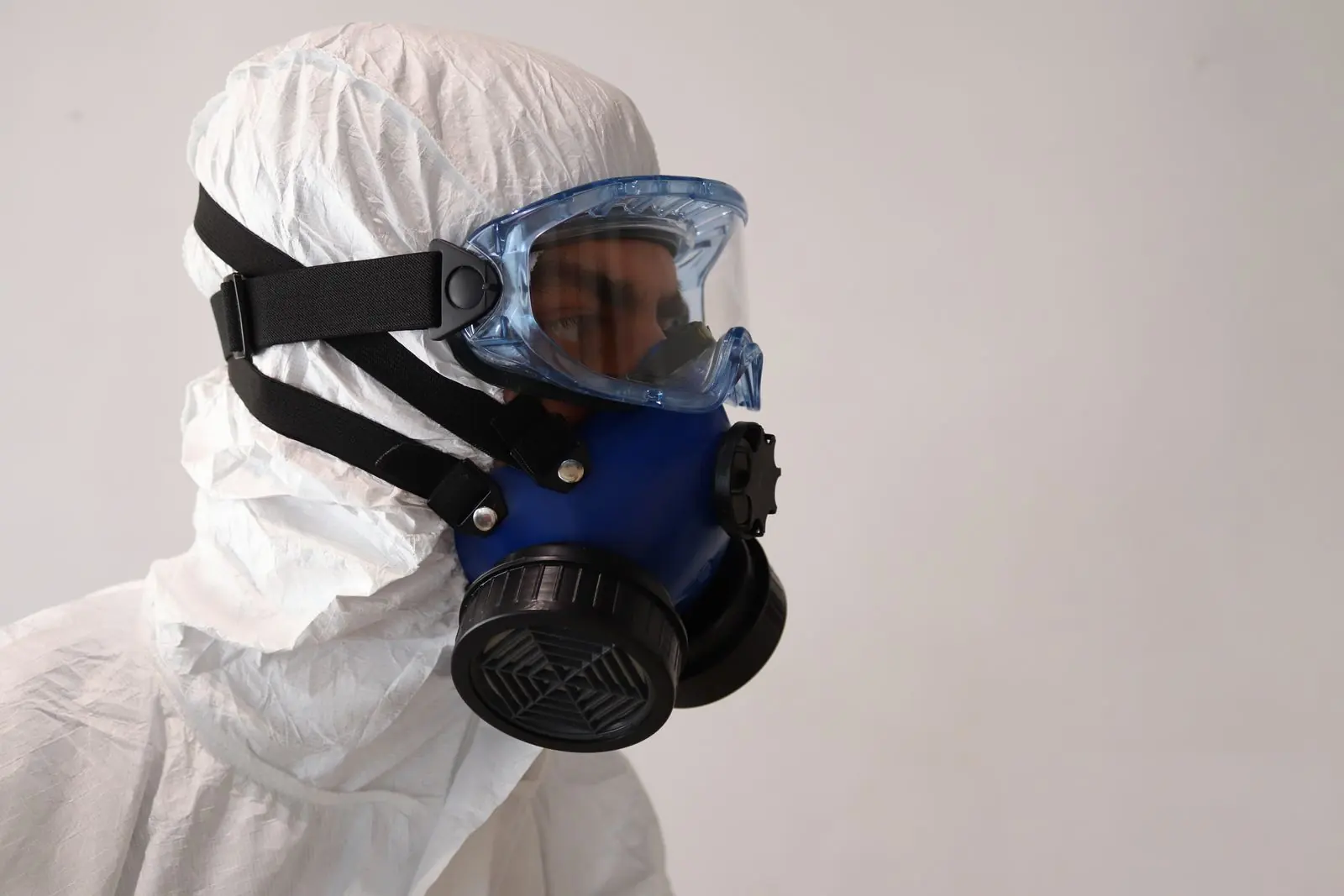 Health & Safety
Can You Get Sick From a Dead Animal? The Real Risks
Leptospirosis, salmonella, flies and soiled insulation: what actually makes people sick around a dead animal, and how to keep the risk low.
Read the guide Possums, Rats & Birds
How to Stop Animals Getting Into (and Dying In) Your Roof
A walk-around proofing checklist for Melbourne homes: the gaps rats, birds and possums use, what to seal them with, and the step most people skip.
Read the guide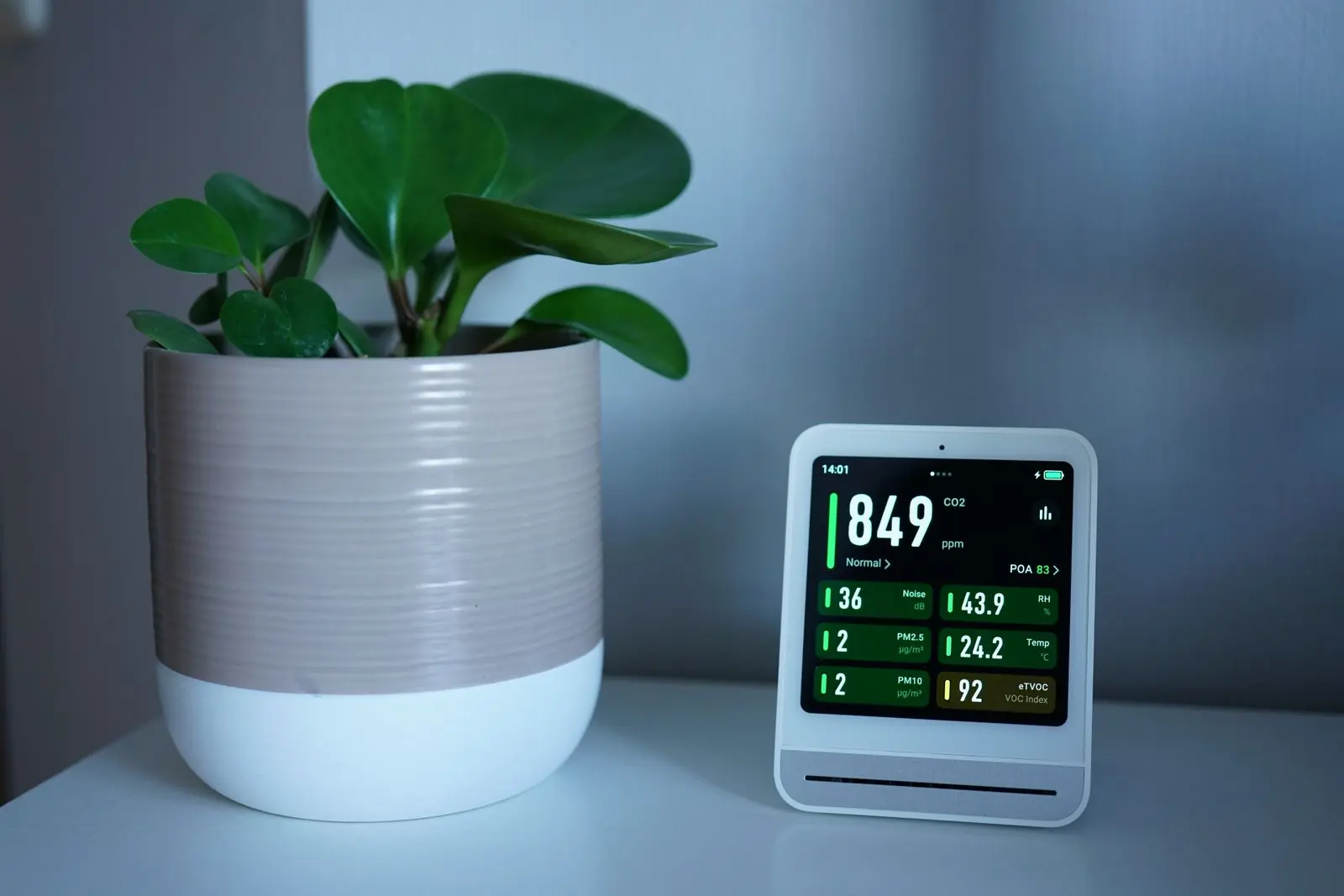 Smells & Finding It
Why Does It Still Smell After the Dead Animal Is Gone?
The animal is gone but the smell isn't. Here is what usually causes lingering odour, how long it should take to clear, and how to fix it.
Read the guide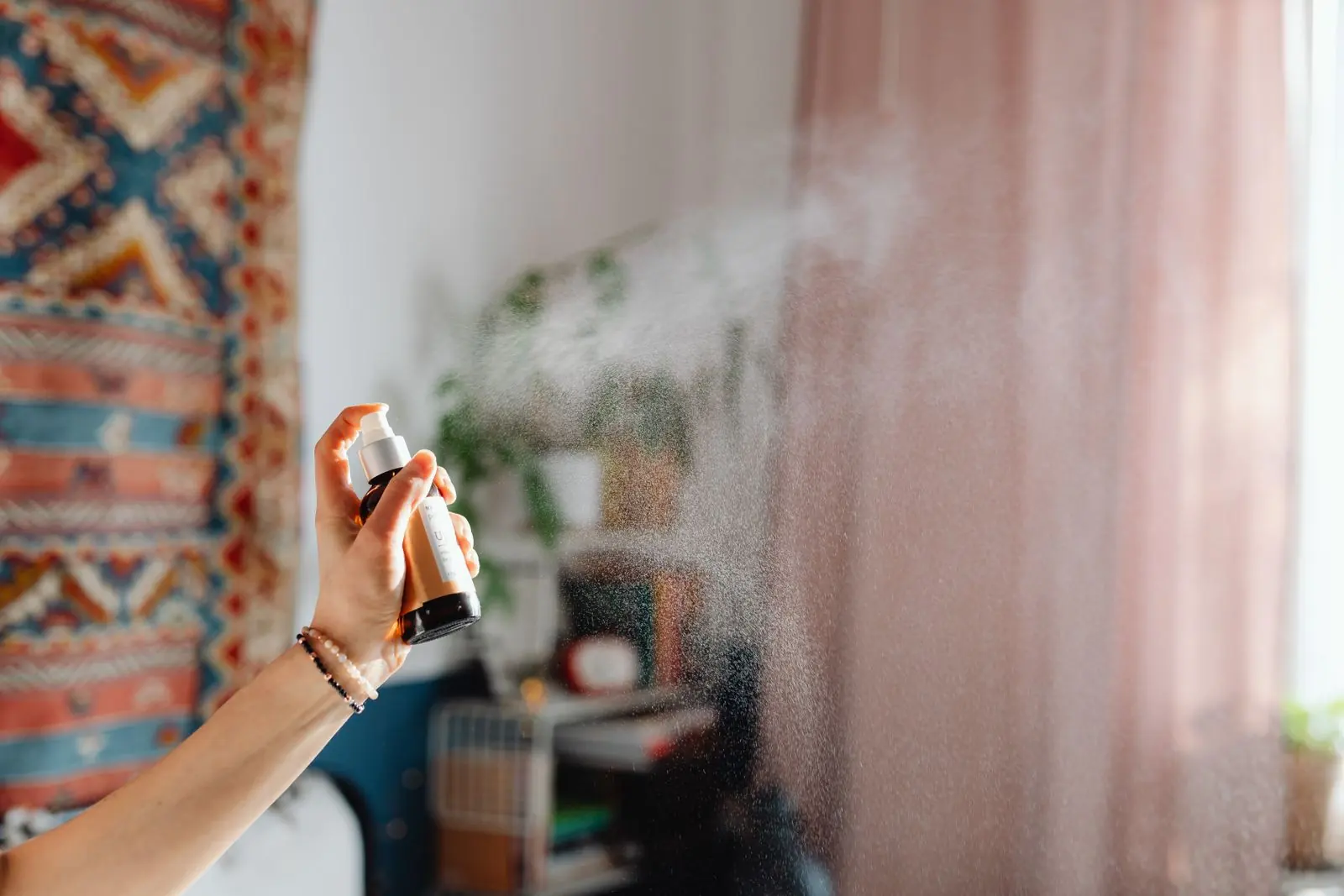 Smells & Finding It
What Actually Removes Dead Animal Odour (and What Just Masks It)
Sprays and candles only hide decay odour. Here's what genuinely neutralises dead animal smell, where each product works best, and when fogging is needed.
Read the guideFrequently asked questions
Is sanitising included with removal?
Cleaning and disinfecting the spot where the animal was is part of every removal. Larger clean-ups, like replacing a section of insulation or fogging a whole roof space, depend on what we find, and we'll explain before doing them.
Are the products safe for my kids and pets?
We use products intended for occupied homes and follow the label directions. Keep children and pets out of the treated area until it has dried and been aired, usually a few hours.
What is fogging?
Fogging turns an odour-neutralising solution into a fine mist that drifts through a roof space or room and reaches surfaces a spray can't. It's useful when the smell has spread beyond the spot where the animal was.
Other dead animal removal services
Carcass removal
One call and the carcass is gone.
Learn moreDead possum removal
A dead possum in the roof is one of the worst smells a house can have, and it doesn't fade quickly.
Learn moreDead rat & mouse removal
Rats and mice that eat bait rarely die where you can see them.
Learn moreDead bird removal
Pigeons, mynas, starlings and sparrows nest in roofs, gutters, chimneys and vents.
Learn morePet removal
Losing a pet is hard enough without working out what to do next.
Learn moreDead animal smell removal
That sweet, sickly, rotten smell that won't go away is almost always a dead animal you can't see.
Learn moreRoof, ceiling & wall cavities
Roofs and wall cavities are where most dead animals end up: possums, rats, mice and birds.
Learn moreUnder house & decks
Subfloors and decks are tight, dark and dirty, which is exactly why animals go there to die, and why you'd rather not go in after them.
Learn moreLarge animals & livestock
Kangaroos by the fence line, a sheep or goat in the paddock, a calf or a pig: large carcasses need the right equipment and a proper place to go.
Learn moreCommercial & property managers
A dead rat in a café, a possum in the ceiling of a rental, a bird in the warehouse: commercial jobs need to be quick, discreet and properly cleaned up.
Learn moreSmell it? See it? We'll remove it.
Dead animal and carcass removal across Melbourne since 2012. Phone answered 24/7, same-day help wherever we can, and the area cleaned and deodorised before we leave.