Possums, Rats & Birds
Dead Possum in the Roof: What to Do Next
If you think there's a dead possum in the roof, act sooner rather than later. First confirm the smell is coming from the ceiling, then check the roof space only if you can do it safely, and either remove the possum with gloves and a mask or call for help. A possum is much bigger than a rat, so the smell can last roughly three to six weeks or more if it's left, and fluids can stain the ceiling below.
Below is what to do in order, what to watch out for, and how the job is done properly. If you'd prefer to hand it over now, our dead possum removal service across Melbourne handles roof spaces every day.
Signs it's a dead possum, not a rat
Melbourne roofs see both, but a few things point to a possum:
- The scratching stopped. You heard heavy thumps and movement at dusk and through the night, and now it's quiet.
- The smell is very strong and spreading. A possum produces far more odour than a rat, often noticeable through several rooms.
- Flies inside. Large numbers of blowflies appearing at windows over a few days.
- A stain on the ceiling. A yellow or brown mark below where the possum lies, usually after a week or more.
- It's been going on a while. A rat smell usually starts easing after a couple of weeks; a possum can keep going well past that.
If you're seeing flies in large numbers, our guide to sudden blowflies in the house explains what they're telling you.
Dead possum in roof spaces: what to do first
- Narrow down the area. Go room by room and note where the smell is strongest. It's usually close to an external wall or eave, or near a downlight or manhole where the possum came and went.
- Close off that room if you can. Shut the door and open a window to keep the rest of the house more bearable.
- Keep pets and children away from the area, especially if there's any staining or flies.
- Don't seal any entry points yet. If there's another possum living in the roof, blocking the hole now could trap it and you'd end up with a second dead animal. In Victoria, live possums can only be released on the same property, so any proofing has to be done carefully.
- Decide whether you can safely check the roof yourself (see below), or whether to call.
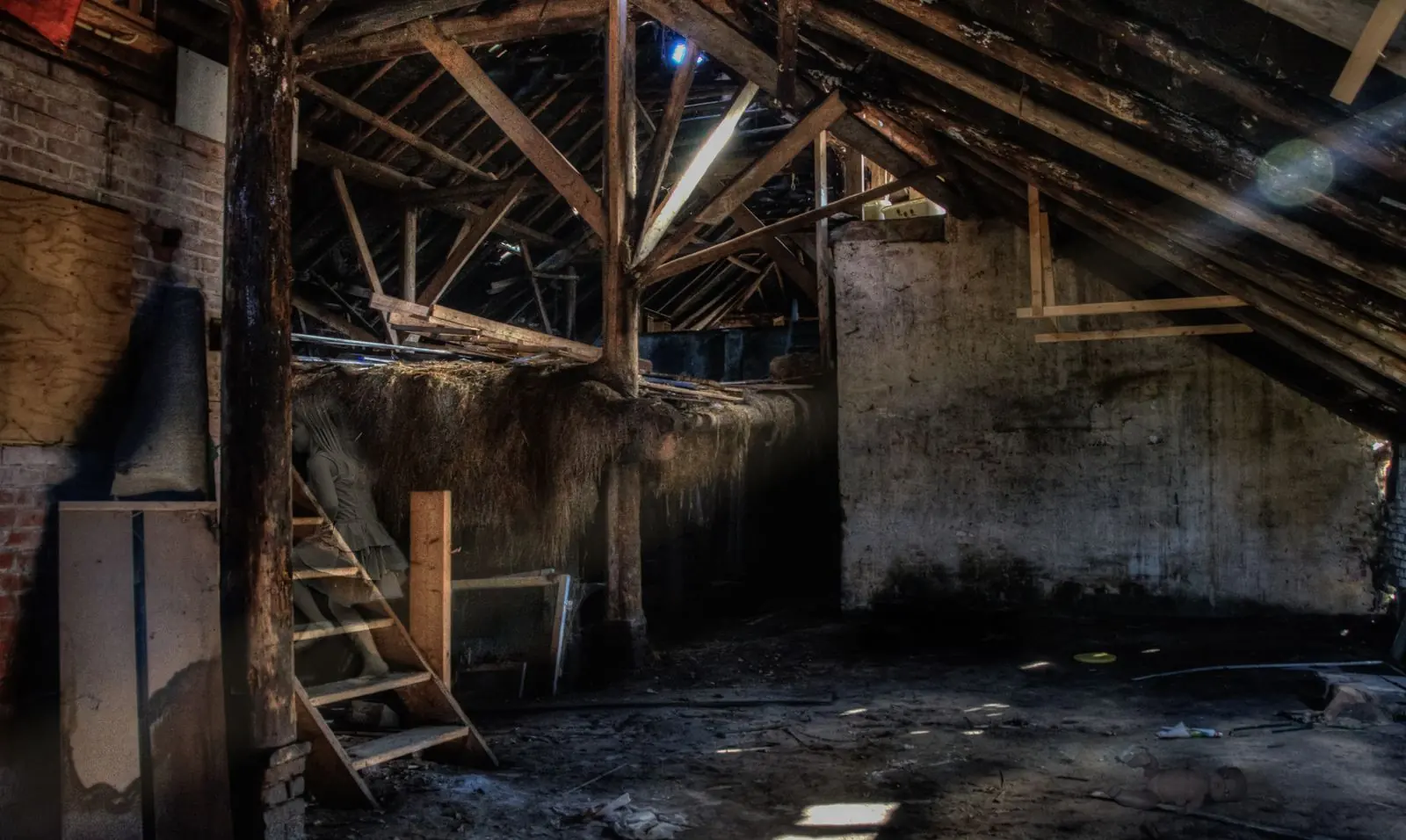
Checking the roof yourself: do it safely
Plenty of people can check their own roof space. Before you go up, be honest about the risks.
Before you go up
- Don't go into the roof on a hot afternoon. Roof spaces in a Melbourne summer can be dangerously hot. Early morning is better.
- Tell someone you're going up, and take a torch and your phone.
- Wear long sleeves, disposable gloves and a P2 mask. Old insulation is dusty and the area around a carcass is contaminated.
- Don't pull up roof tiles from outside, and never in the rain.
Once you're in the roof
- Step only on the ceiling joists or a board laid across them. Plaster won't take your weight.
- Be careful around downlights and cabling, and don't disturb wiring.
- Head toward the area below which the smell was strongest, and look along the eaves, where possums often bed down.
- Check under the insulation batts near the smell; possums sometimes push underneath them.
If you find it: removing the possum
If the possum is reachable, slide a heavy-duty garbage bag over it with your gloved hand inside, like an inverted bag, then turn the bag the right way out. Double-bag it and tie it off. A small possum can generally go in the general waste (red-lid) bin, never in the recycling or green-waste bin. Our guide on disposing of a dead possum in Victoria covers the options in full.
Then deal with the spot itself. Bag any insulation or nesting material directly under the possum, as it will hold the smell. Wipe down the joists with a disinfectant, wash your hands thoroughly, and wash your clothes.
Possums are protected native animals under Victoria's Wildlife Act 1975. Removing a dead one for disposal is completely normal; keeping any part of it is not allowed.
When it's better to call someone
A professional removal makes sense when:
- the roof is low-pitched or hard to move through;
- you've looked and can't find it, so it may be in a wall cavity or between a ceiling and an upper floor;
- there are maggots, heavy staining or fluid soaking into the plaster;
- you're not comfortable working in a roof space;
- it's a rental and you need the job documented.
When we come out, we trace the smell, find the possum, bag and remove it, take out soiled insulation and nesting material, sanitise the area and treat it for odour. We'll also show you the likely entry point. If maggots have already started dropping through light fittings, read maggots falling from the ceiling for what to do in the meantime. Wondering about price? Our dead animal removal cost page explains what affects a quote.
After removal: stopping it happening again
Possums get into Melbourne roofs through gaps under eaves, broken vents, lifted roof sheeting and gaps where the roof meets the gutter or fascia. Branches overhanging the roof give them an easy path. Once the dead possum is out, it's worth:
- trimming branches back from the roofline;
- checking for any other possums still living in the roof before blocking anything;
- repairing gaps with sturdy materials once you're sure the roof is empty;
- considering a possum box in the garden, so the local possums have somewhere else to go.
Our guide on how to stop animals getting into your roof goes into proofing in more detail.
Need it gone today? If a dead possum in the roof is filling the house with smell, we'll find it, take it out and treat the ceiling space properly. Call (03) 9125 4024 or send us a message.