Costs & Who to Call
How Much Does Dead Animal Removal Cost in Melbourne?

Dead animal removal cost in Melbourne isn't a flat fee. The price depends on five things: where the animal is, how big it is, how easy it is to reach, when you need someone there, and how much cleaning and odour treatment the spot needs afterwards. A dead bird on the lawn is a short job; a possum that has been breaking down inside a wall cavity for two weeks is a much bigger one. The quickest way to a reliable figure is a phone call with a few details ready.
Our dead animal removal pricing page sets out how we work out a quote. This guide explains the reasoning behind it, what a fair quote should include, and where you can honestly save money by handling part of the job yourself.
The five things that drive dead animal removal cost
1. Where the animal is
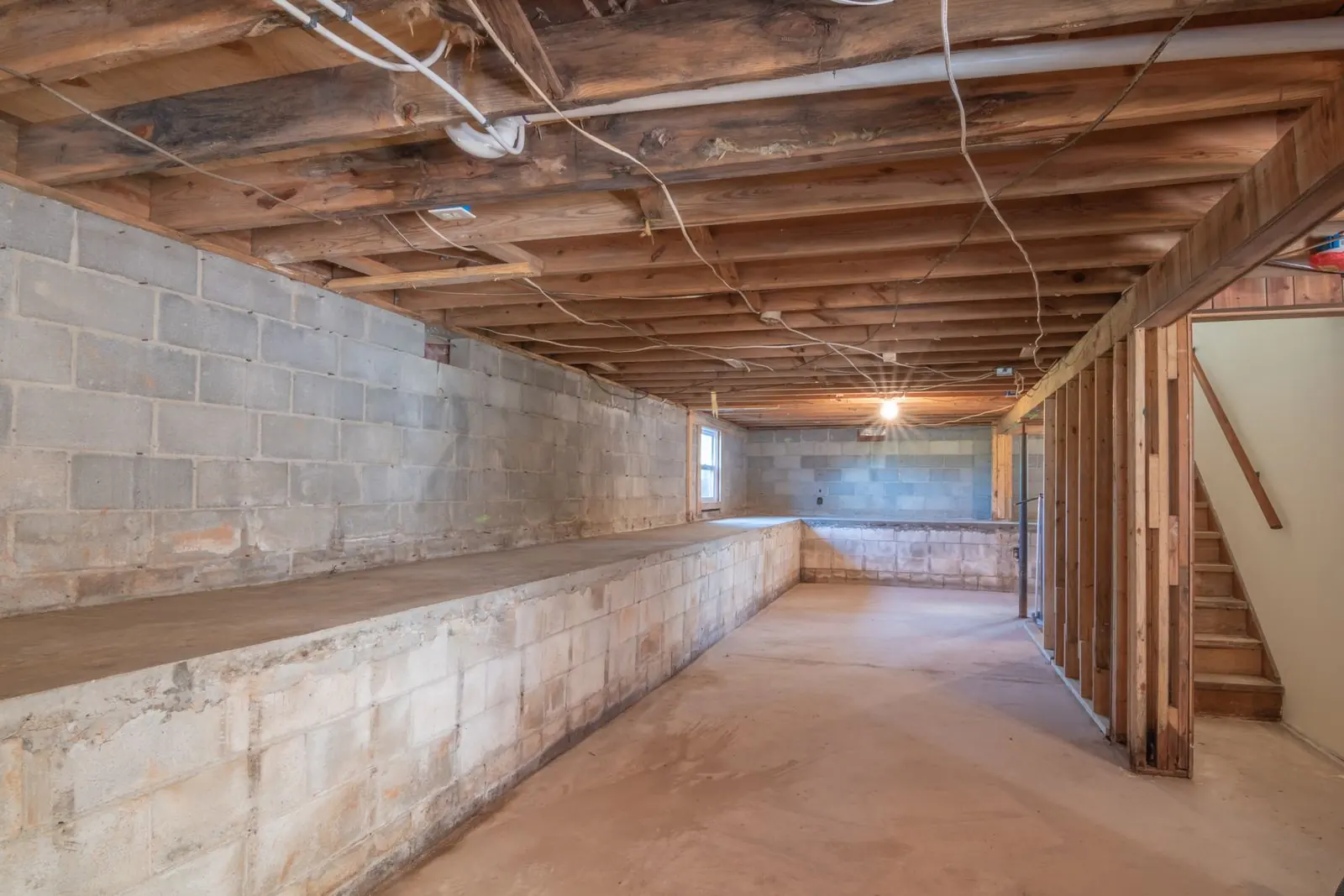
Location has the biggest effect. An animal lying in the open in a yard, driveway, carport or shed can be bagged and taken away quickly. One that has died in a roof space, ceiling, wall cavity, subfloor, chimney or heating duct has to be found first, usually by following the smell, and then reached. That can mean moving insulation in a hot roof, crawling a low subfloor, or cutting a small inspection hole in plasterboard. Our guide to how a dead animal is removed from a wall cavity walks through what that work looks like.
2. Size of the animal
A mouse, rat or small bird fits in a double bag. A cat, dog or large possum needs more care and more handling. Kangaroos, wallabies, sheep, goats and horses are a different category altogether: they may need extra people, lifting gear or a vehicle that can carry the weight, so always call to talk through size and access first.
3. Access
Low-pitched or tiled roofs, two-storey homes, tight subfloors with little clearance, decks with no hatch and locked commercial sites all add time. If you know where the manhole or subfloor access is, tell us on the phone. It genuinely helps.
4. Time of day
Our phone line runs 24/7 and we often get there the same day. Night, weekend and public holiday call-outs can cost more than a weekday visit, so if the animal is somewhere it can safely wait until morning, ask whether that changes the quote.
5. How much clean-up is needed
Removing the body is only part of the job when an animal has been there a while. Fluids soak into insulation, timber and plaster, and the smell sits in those materials. Removing soiled insulation and nesting material, sanitising the area and running odour treatment such as fogging all add to the cost, but they're also the difference between the smell going in a few days and hanging around for weeks.
What a fair dead animal removal quote should cover
When you compare quotes, check that each one tells you the same things. A low number that leaves out the clean-up isn't really cheaper.
- Finding the animal: is locating a hidden carcass included, or charged separately?
- Removal and disposal: taking the body away and disposing of it properly.
- Access work: whether a small inspection hole may be needed, and who patches it.
- Sanitising: disinfecting the surfaces the animal touched.
- Odour treatment: deodorising or fogging, and whether it's a standard step or an add-on.
- Soiled material: removing contaminated insulation or nesting debris.
- Entry point advice: where the animal got in, so it doesn't happen again.
If you're unsure what you actually need, our page on sanitising and odour treatment explains when it's worth adding and when it isn't.

Typical jobs, from simplest to most involved
| Situation | What's involved | Relative cost |
|---|---|---|
| Small animal in the open (yard, path, shed floor) | Bag, remove, wipe down | Lowest |
| Pet that has passed away at home | Careful, respectful handling and transport | Low to moderate |
| Animal under the house or deck | Subfloor crawl, locate, remove, treat soil or timber | Moderate |
| Animal in the roof or ceiling | Locate by smell, move insulation, remove, sanitise | Moderate to higher |
| Animal inside a wall cavity or duct | Pinpoint, small access hole, remove, deodorise | Higher |
| Kangaroo, livestock or horse | Extra hands, lifting, larger vehicle | Depends heavily on size and access |
If yours is in the subfloor, our guide to who to call about a dead animal under the house goes into that situation in more detail.
Where you can save money yourself
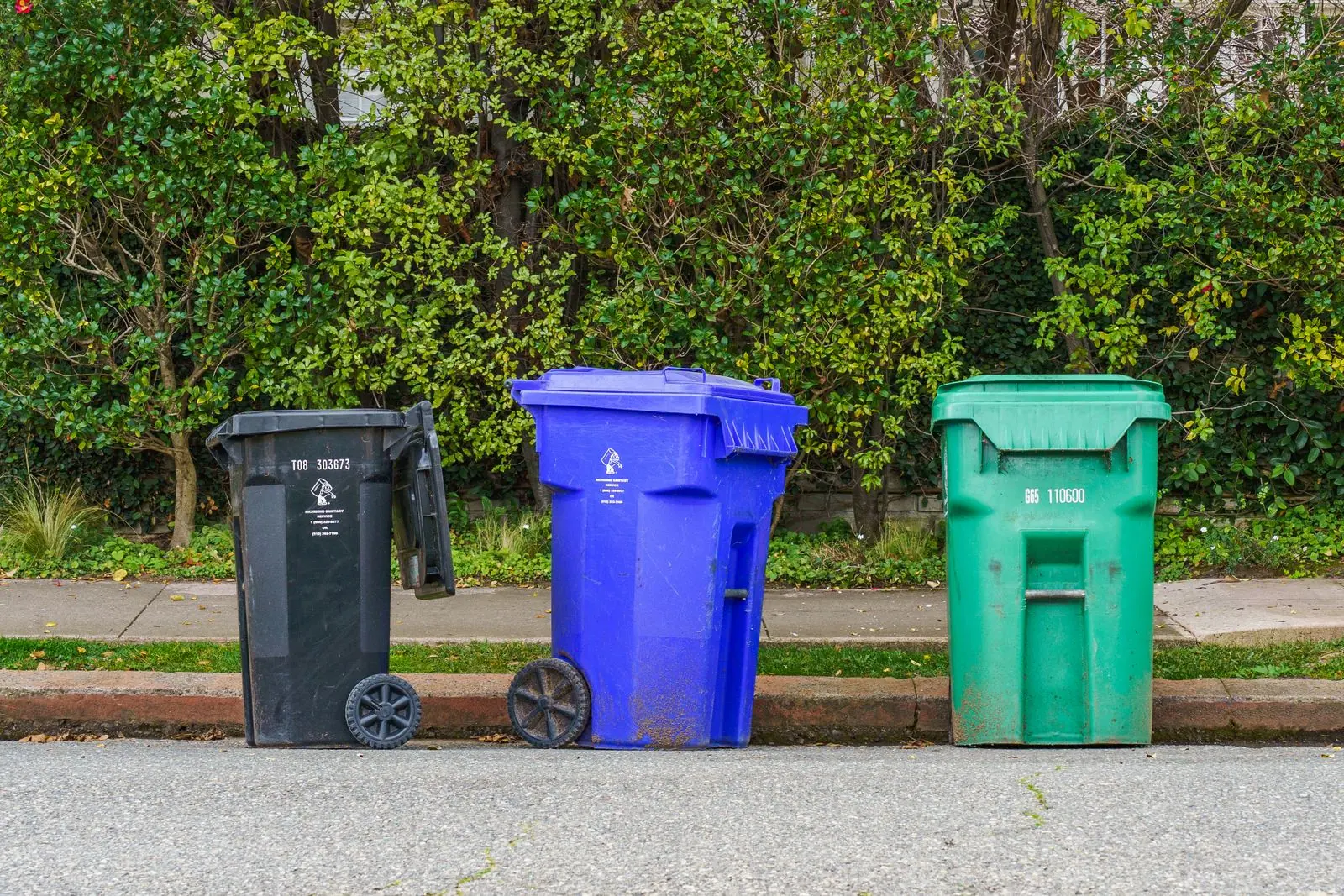
Not every job needs a professional. If the animal is small and in the open, you can usually deal with it safely: put on disposable gloves, use a shovel or turn a plastic bag inside out over your hand, double-bag it, and put it in the general waste (red-lid) bin, never recycling or green waste. Wash your hands well afterwards. Our step-by-step guide on how to safely pick up a small dead animal covers it properly.
It's worth paying for help when:
- you can smell it but can't see it;
- it's in a roof, wall, subfloor or duct;
- it's large, or you can't lift it safely;
- there are maggots, fluids or heavy contamination;
- it's a family pet and you'd rather not handle it yourself.
Why waiting usually costs more
It's tempting to leave a hidden carcass and hope the smell fades. Sometimes it does, eventually, but a larger animal can keep smelling for weeks, and the longer it sits the further the fluids spread into insulation, plaster and timber. That turns a straightforward removal into a bigger clean-up. Flies and maggots also arrive quickly in warm weather. Dealing with it early is almost always the cheaper option overall.
How to get an accurate quote over the phone
Have these ready when you call:
- What you think the animal is (rat, possum, bird, cat, kangaroo) or what the smell is like.
- Where the smell or the animal is: which room, roof, wall, under the floor, yard.
- How long you've noticed it.
- Access: manhole location, subfloor hatch, single or double storey.
- Whether you also want sanitising and odour treatment.
- Your suburb and when you'd like someone there.
Photos help too if the animal is visible. If you're a tenant, it's also worth checking with your landlord or agent before booking; our guide on dead animals in rental properties explains who usually pays.
Need it gone today? Tell us where the animal is and what you can smell, and we'll give you a clear quote for removal and any clean-up before we start. Call (03) 9125 4024 or send us a message.