Possums, Rats & Birds
Dead Bird in the Roof, Gutter or Chimney: How It Gets Out
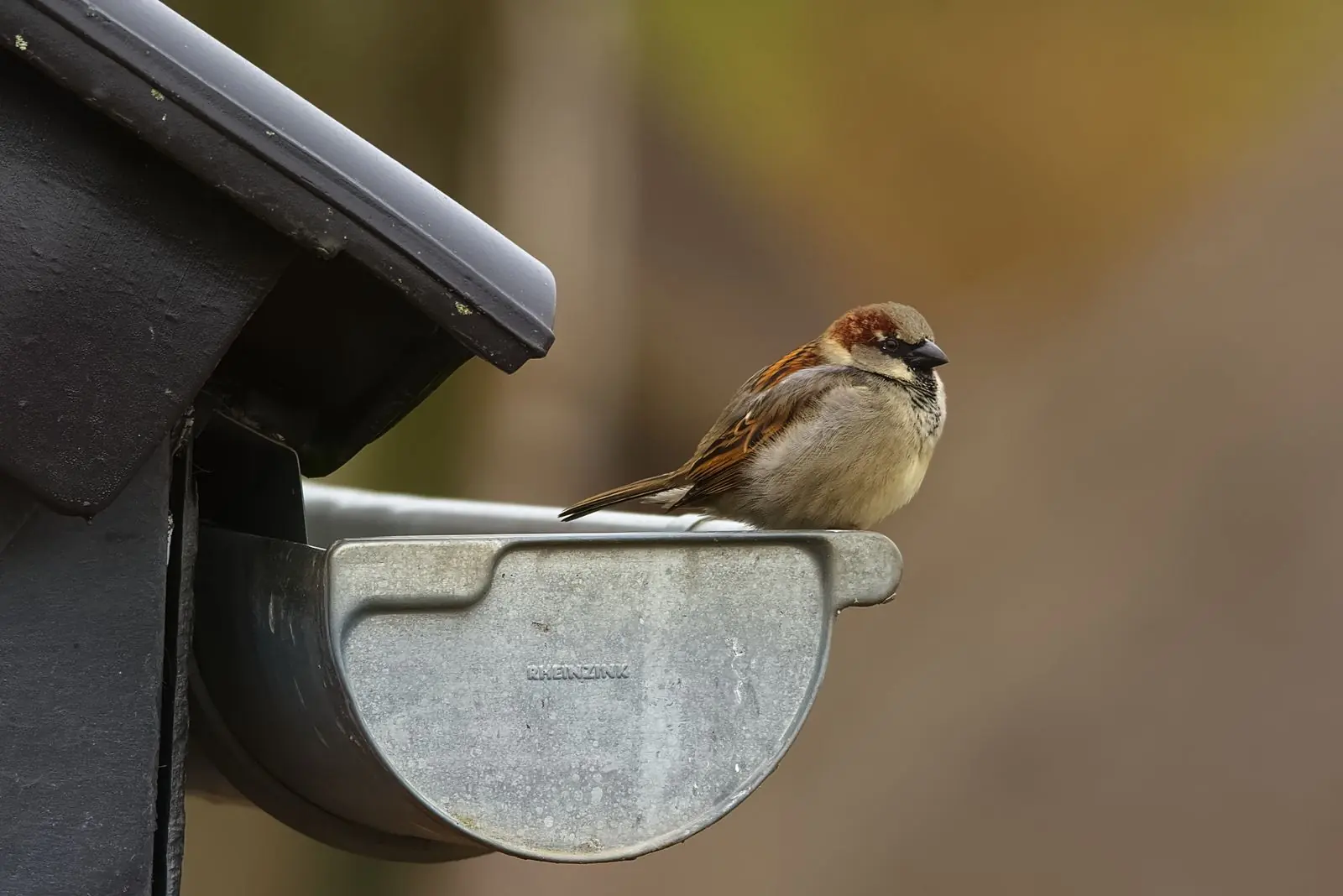
A dead bird in the roof usually gets out the same way it got in: through a gap at the eaves, a broken tile, a loose bit of flashing or a chimney flue. In practice that means someone has to reach it by hand from the roof space, the gutter line or the fireplace, bag it, then clean the spot it lay on. Leave it and you can expect a smell for a week or two, plus flies.
This guide walks through the three places Melbourne homes most often end up with a dead bird (roof cavity, gutters and chimneys), what each one involves and which parts are safe to tackle yourself. If you would rather not climb anything, our dead bird removal service in Melbourne covers all three.
How birds end up dying in roofs, gutters and chimneys
Birds look for dry, sheltered spots to roost and nest, and an older Melbourne roof offers plenty. Common entry points include:
- Gaps under the eaves where fascia boards have shrunk or the soffit lining has dropped.
- Broken or slipped roof tiles, especially on ridge capping where the mortar has cracked.
- Uncapped chimney flues and old flues that no longer have a working fireplace below them.
- Roof vents, exhaust fans and whirlybirds with missing or damaged mesh.
- Gutters packed with leaves, which make a soft, damp nest base right at the roof edge.
Once inside, a young bird can fail to find its way back out, an adult can get trapped behind insulation or down a flue, and nestlings can die if a parent stops returning. Birds also pick up poison baits laid for rodents, or eat a poisoned rat, and then shelter in the roof before they die.
Signs there is a dead bird in your roof
You rarely see the bird first. The usual clues are:
- A sweet, rotten smell that is strongest in one room or near one wall, and worse on warm afternoons.
- Scratching or chirping that stopped suddenly a few days ago.
- A cluster of blowflies at a window, light fitting or ceiling vent. Our guide to sudden blowflies in the house explains why that happens.
- Feathers, twigs or nesting straw poking from the eaves or collecting in the gutter.
- Small brown stains on a ceiling, or maggots dropping from a downlight (see maggots falling from the ceiling).
A bird is light, so its smell is milder and shorter than a possum's, but in a hot roof in January it can still fill a room within a couple of days.
Getting a dead bird out of the roof cavity
Most roof jobs start at the manhole. If the smell is near the manhole and you are comfortable in the ceiling, you can sometimes find the bird yourself:
- Go up in daylight with a good torch, long sleeves, disposable gloves and a P2 mask.
- Step only on ceiling joists, never on the plasterboard between them.
- Check the low edges first, where the roof meets the top plate of the walls. Birds tend to tuck in against the eaves.
- Look for disturbed insulation, nesting material or a dark patch.
- Turn a heavy-duty bag inside out over your hand, pick the bird up, roll the bag back over it and double-bag it.
Stop if the bird is wedged in a section you cannot reach without standing on the ceiling, if there is no manhole near the smell, or if the roof space is low and cramped. That is where a technician will work from the roof side by lifting a tile, or cut a small, neat inspection opening in the ceiling directly under the spot, rather than opening up a large area. Soiled insulation and nest material come out with the bird, and the area is disinfected and deodorised. More on that process is on our roof and ceiling removal page.
Dead bird in the gutter
A gutter is the easiest of the three, provided you can reach it safely. A bird lying in an open gutter on a single-storey house can often be lifted out with a gloved hand or a small scoop from a stable ladder.
Do it yourself if
- The house is single storey and the ground at the ladder base is firm and level.
- Someone can hold the ladder and the weather is dry. Never work on gutters or tiles in the rain or wind.
- The bird is in the open gutter, not jammed down the downpipe.
Call for help if
- It is a double-storey or steep roof.
- The bird has washed into a downpipe or a leaf guard and you cannot see it.
- You have rainwater tanks connected to the gutters. Fluids from a carcass can wash into the tank, and the water should not be used for drinking until it is checked. Our guide to a dead animal in a rainwater tank covers what to do next.
After removal, flush that section of gutter with water and clear the leaf build-up so it does not become a nest site again.
Dead bird in the chimney or flue
Chimneys catch more birds than most people expect. A bird lands on an uncapped flue, drops in and cannot climb back up the smooth sides. If it dies, it usually ends up resting on the damper, the smoke shelf just above the firebox, or a bend in a metal flue.
- Open fireplaces: open the damper with gloves on and a bag held underneath. Many birds drop straight down. Use a torch to look up past the smoke shelf.
- Gas log fires and wood heaters with sealed flues: do not take the unit apart. The bird is often sitting in the flue above the appliance, and reaching it may mean removing the cowl from the roof.
- Old blocked-off chimneys: the bird may be sitting on the bricked-up base behind a wall vent. These usually need access from the top.
Two things not to do: do not light a fire to "burn it out", which can smoke the whole house and ignite old nesting material in the flue, and do not push it further up with a broom handle where it will wedge.
Is it safe to handle a dead bird?
Handling a single dead bird with gloves is low risk, but birds can carry bacteria such as salmonella, and the mites and lice that leave a dead bird can wander into the house. Keep children and pets away, wear disposable gloves and a P2 mask, and wash your hands well afterwards. The bagged bird can go in your general waste (red-lid) bin, never the recycling or green-waste bin.
The exception is several dead birds at once, or birds that look like they died suddenly without injury. Do not touch them and call the Emergency Animal Disease Watch Hotline on 1800 675 888. Our guide on what to do when you find a dead bird goes into reporting in more detail.
Stopping it happening again
Once the bird is out, close the gap it used. Fit a mesh cap to the chimney, replace broken tiles and re-point the ridge capping, add bird mesh behind gaps in the eaves and keep gutters clear. Check first that no live birds or nests remain inside, because sealing a hole with an animal still behind it simply creates the next job. Our article on stopping animals getting into your roof has a fuller checklist.
If you are weighing up DIY against a call-out, the factors that affect price (height, access, whether a tile or ceiling has to be opened and how much clean-up is needed) are set out on our dead animal removal cost page.
Need it gone today? We remove dead birds from roof cavities, gutters and chimneys right across Melbourne, then clean and deodorise the spot. Call (03) 9125 4024 or send us a message.