Smells & Finding It
Sudden Blowflies in the House? A Hidden Dead Animal May Be Why
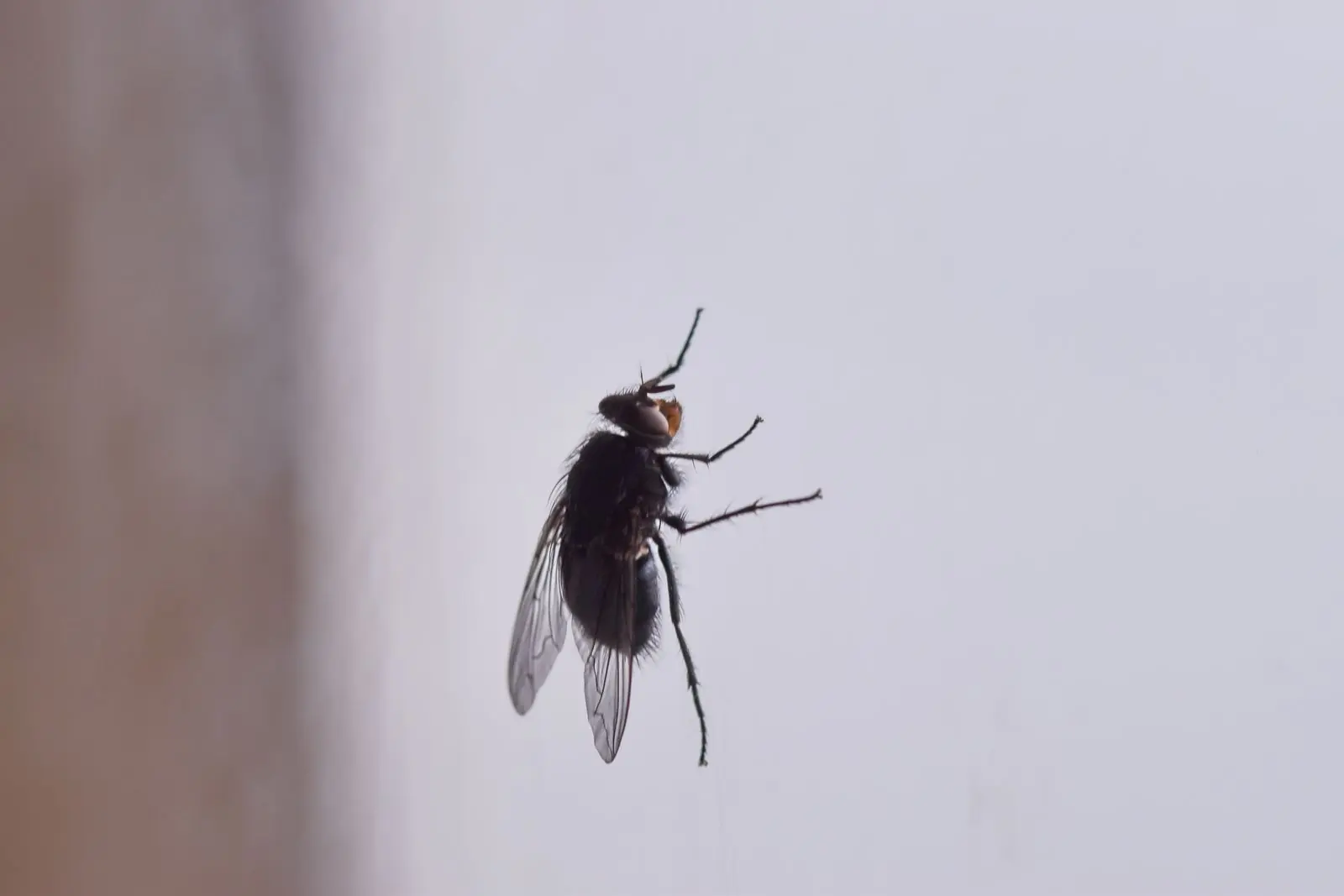
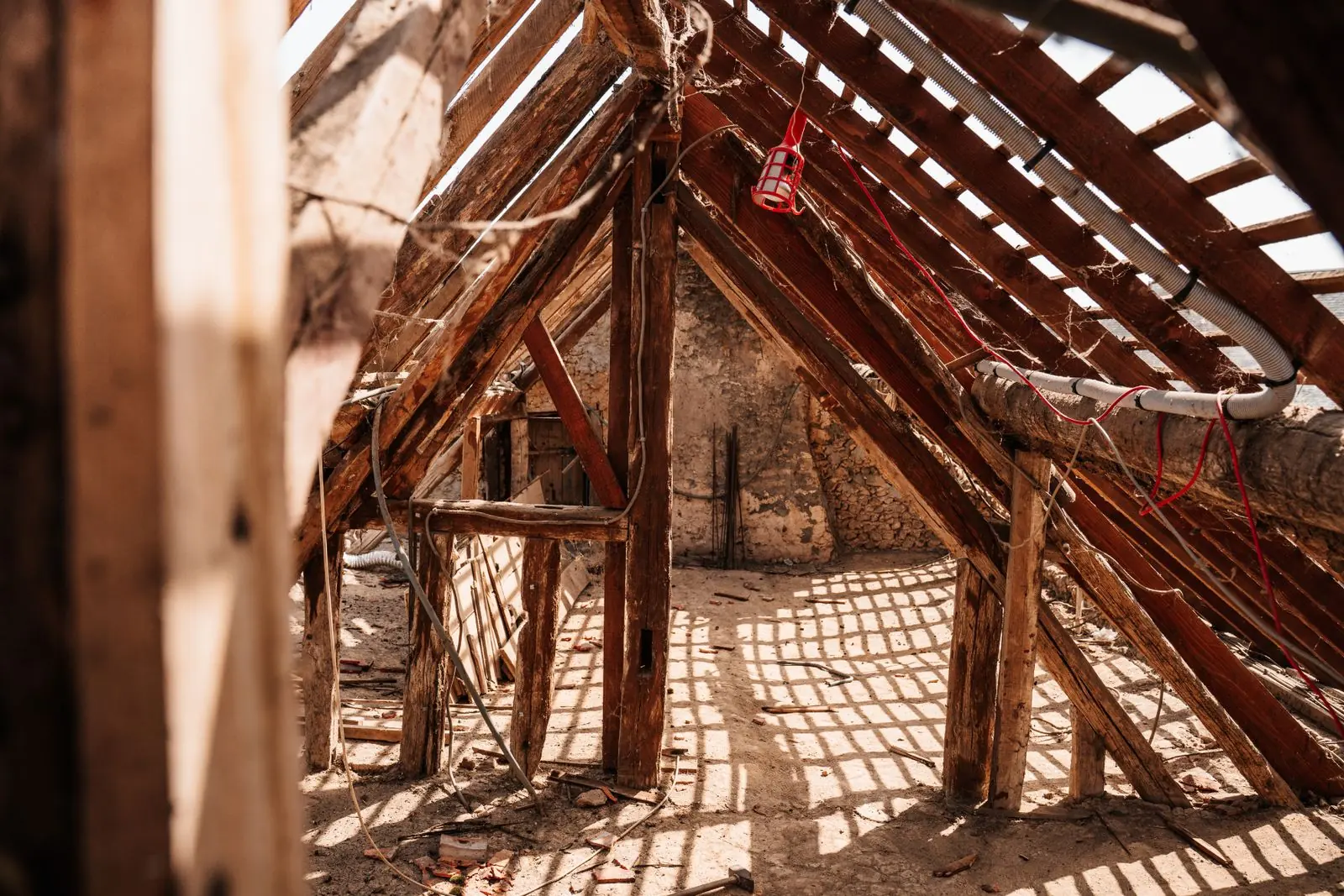
A sudden swarm of blowflies inside, especially a dozen or more appearing over a day or two with the windows shut, very often means there's a dead animal hidden in the roof, a wall or under the floor. Blowflies in the house from a dead animal usually cluster at one window or light fitting, and there's often a faint rotting smell nearby. Flies breed in the carcass, then find their way out through gaps into your rooms.
The fix is to find and remove the animal, not just spray the flies. Our dead animal in roof removal service handles the most common source: a possum, rat or bird that's died in the ceiling space. Here's how to tell what's going on.
Why blowflies suddenly appear indoors
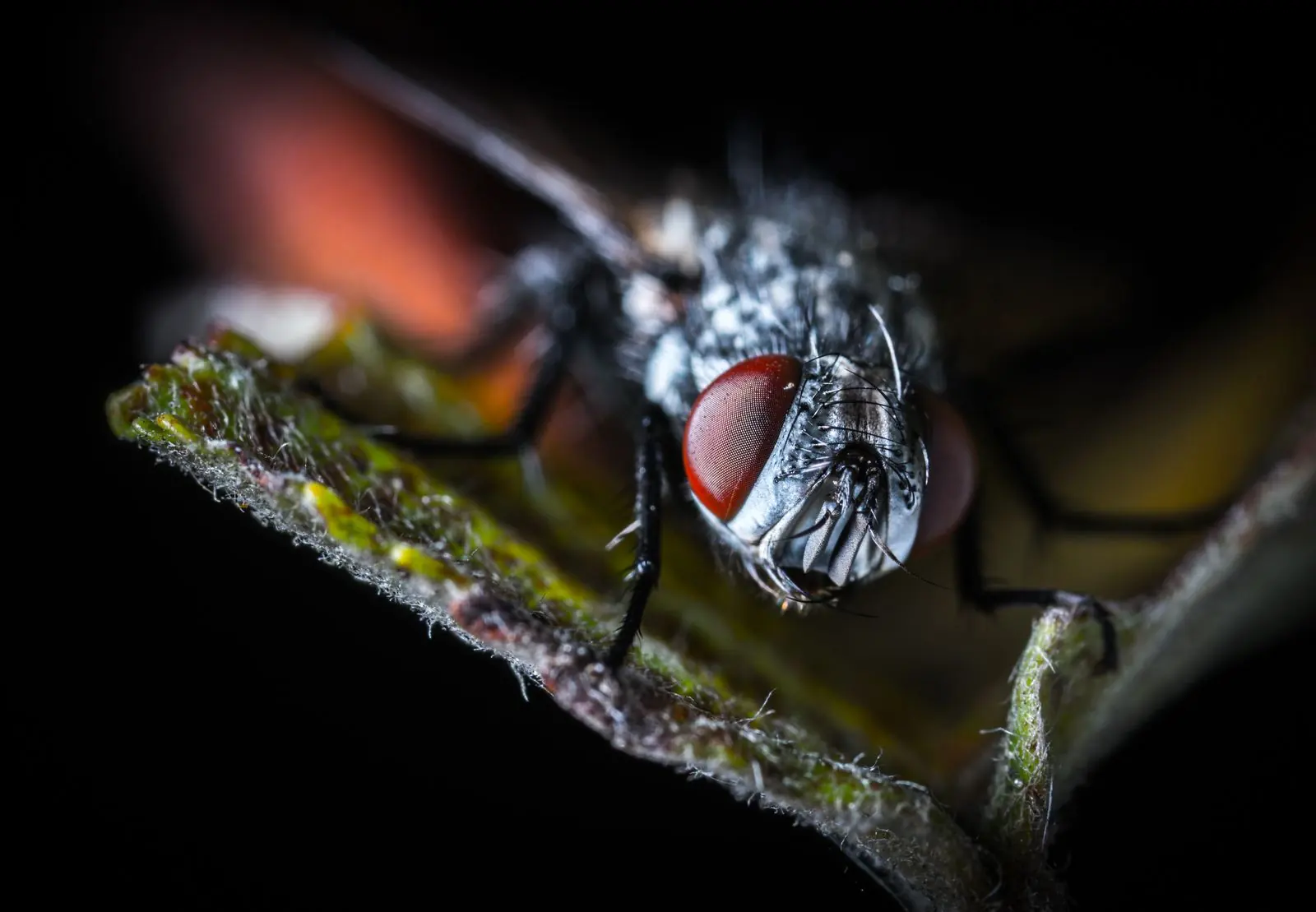
Blowflies are the large, buzzing flies, often metallic blue or green, that are drawn to decaying meat. They can pick up the odour of a carcass from a long way off and will squeeze through roof vents, gaps under eaves and broken tiles to reach it.
Once there, they lay eggs. Those hatch into maggots, which feed for several days before moving away to pupate. Not long after, a new batch of adult flies emerges. Because they've hatched inside your roof or walls, many of them come down into the house looking for light, through downlights, exhaust fans, cornice gaps and around the manhole.
That's why the flies often seem to appear out of nowhere. There may have been no smell at all, or only a faint one you'd put down to the bins.
Other causes worth ruling out first
Not every fly outbreak is a dead animal. Check these before assuming the worst:
| Possible cause | What to look for |
|---|---|
| Rubbish bin or compost | Flies around the kitchen bin or near the back door; goes away after the bin is emptied and washed |
| Food scraps or pet food | Flies near the pet bowl or a forgotten bag of meat scraps |
| Open doors on a warm day | A few flies, not dozens, and no clustering at one spot |
| A dead animal in the roof, wall or subfloor | Many flies appearing over a day or two with windows closed, clustering at one window or fitting, possibly a smell |
If the bins are clean and the flies keep coming, a hidden carcass is the most likely reason.
Blowflies in the house from a dead animal: how to find the source
The flies themselves are your best guide.
- Watch where they gather. Newly emerged flies head for light. The window, skylight or light fitting with the most flies is usually closest to the carcass.
- Check the fittings above. Look at downlights, exhaust fans and the manhole cover in that room. Flies crawling out of a gap tell you where they've come from.
- Sniff the ceiling line. Stand on a stable step and smell along the cornice. Then compare low down at the skirting boards to rule out the subfloor.
- Look for larvae. Pale maggots on the floor or bench mean the animal is almost certainly directly above. See maggots falling from the ceiling.
- Look in the roof space. If you're comfortable, check through the manhole with a torch, gloves and a P2 mask, stepping only on the joists.
For a fuller method, especially if there's a smell but no obvious fly cluster, our guide on finding a dead animal by smell goes room by room.
What's usually up there
In Melbourne roof spaces, the most common sources are:
- Possums: brushtail and ringtail possums nest in roofs and sometimes die there. Because of their size, they can produce a lot of flies. Read dead possum in the roof for what to do.
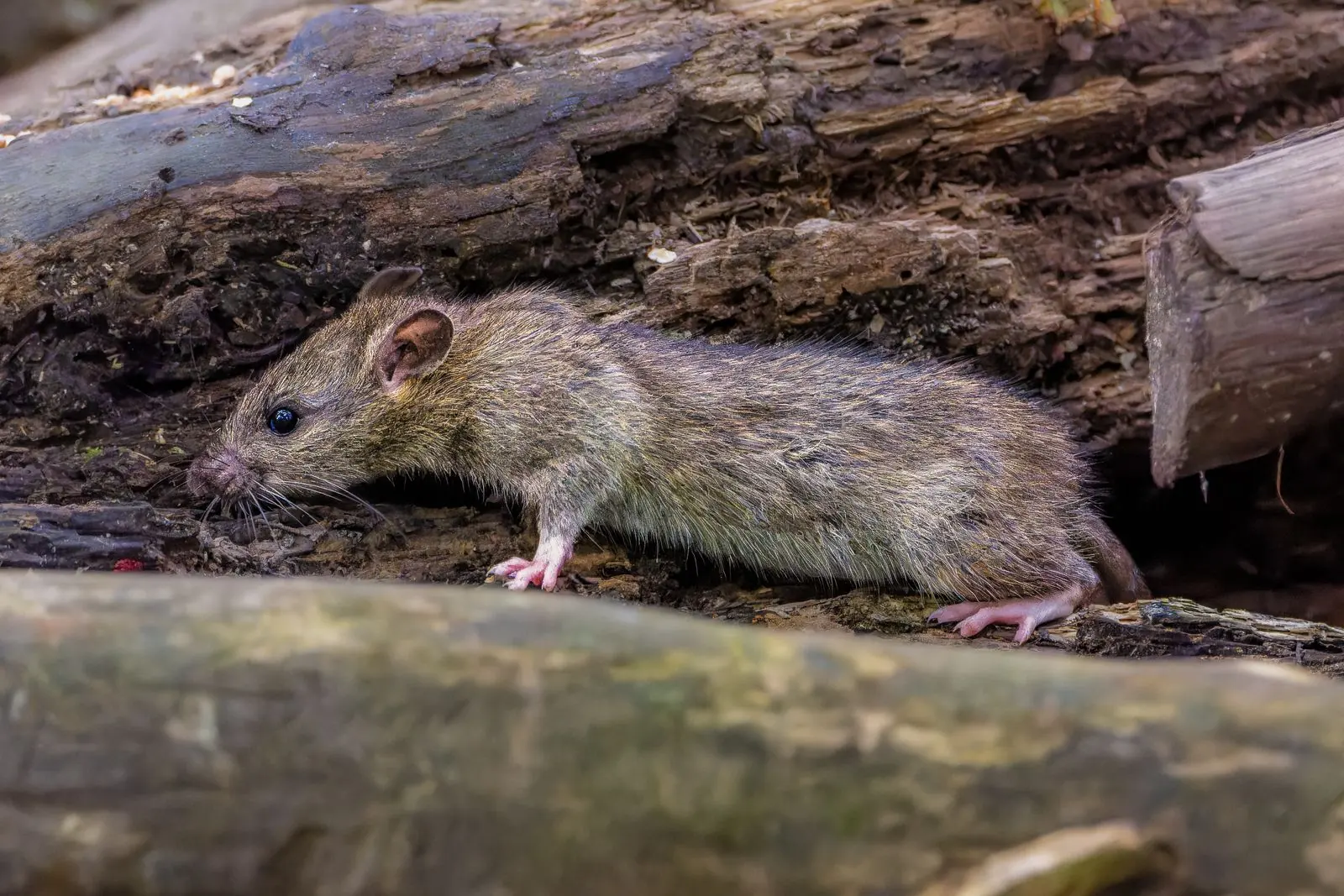
- Rats: especially after baiting, when they retreat into the roof or a wall to die.
- Birds: starlings, sparrows and mynas nest in eaves and gaps under tiles; a dead bird or chick can attract flies quickly.
What to do (and not do) while you wait
- Do vacuum up dead and slow flies, then empty the vacuum into a sealed bag in the red-lid bin.
- Do cover food, wipe benches and keep fly screens shut.
- Do use a fly swat or a sticky trap near the cluster point.
- Don't spray large amounts of insecticide into the roof or a wall cavity. It won't solve the problem, and you'll be breathing it in.
- Don't seal up the downlight or gap they're coming through while the carcass is still there. The flies will simply find another way out.
- Don't pull up roof tiles yourself, particularly in wet or windy weather.
How long will the flies keep coming?
As long as the carcass is there and still decomposing, you can get new waves of flies. A small animal may run its course in a couple of weeks; a possum can take considerably longer, roughly three to six weeks or more depending on size and temperature. Summer heat in a Melbourne roof space speeds it up but also makes each wave bigger.
Once the animal is removed and the area sanitised, there's nothing left for flies to breed in. You may see a few stragglers for several days while the last pupae hatch, then they stop.
Removing the source and preventing a repeat
A removal visit usually involves locating the carcass in the roof space or cavity, bagging it along with any soiled insulation or nesting material, and then disinfecting and deodorising the area so it no longer attracts flies. If the animal is inside a wall, a small inspection hole is used rather than a large cut.
The last step is working out how it got in. Possums, rats and birds use loose tiles, gaps under the eaves, unscreened vents and overhanging branches. Our guide on stopping animals getting into your roof explains what to check once the job is done.
If a faint smell lingers after the flies stop, it's usually residue in insulation or timber that needs treating. Why it can still smell after removal covers that.
Need it gone today? If flies are pouring out of a downlight or the manhole, we can find what's up there, remove it and treat the roof space, often the same day. Call (03) 9125 4024 or send us a message.