Smells & Finding It
How Long Does a Dead Rat Smell Last?
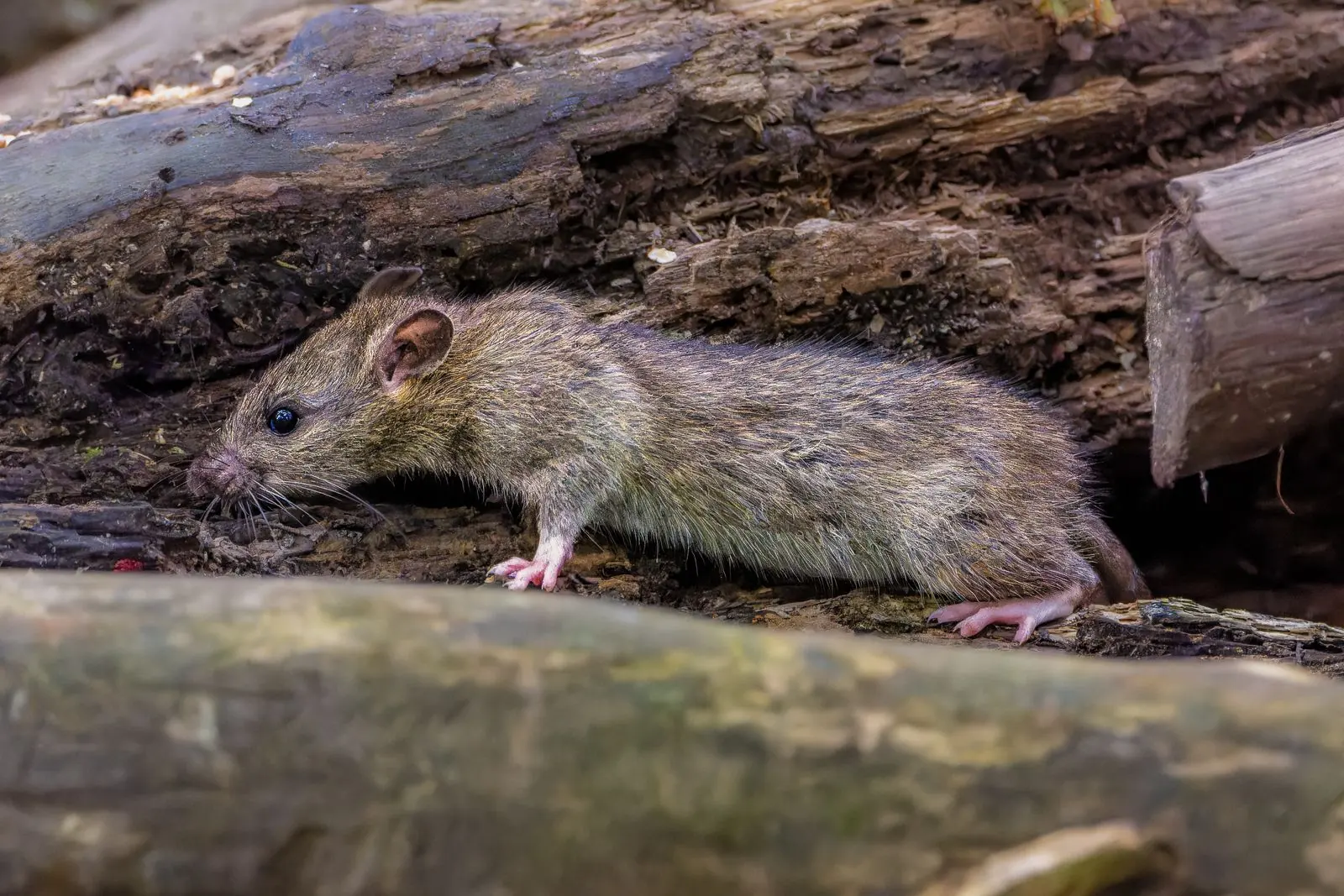
A dead rat usually smells for roughly two to three weeks before the body dries out and the odour fades. That's only a guide: how long a dead rat smell lasts depends on the rat's size, the temperature, airflow and where it died. A rat in a hot Melbourne roof in January breaks down faster but smells stronger, while one in a cool subfloor in winter may linger at a lower level for longer. Once the rat is removed and the spot is treated, most of the smell clears within a few days.
This guide explains what's happening at each stage, why some smells seem to go on forever, and the realistic ways to shorten the wait. If you'd rather not wait at all, our dead rat removal service in Melbourne can find and remove it.
How long does dead rat smell last, week by week
Every case is a little different, but the smell generally follows this pattern.
| Roughly when | What you'll notice |
|---|---|
| First 1–3 days | Little or no smell. You may hear nothing where you previously heard scratching. |
| Days 3–7 | A faint, sweet, unpleasant odour that comes and goes, often worse in the afternoon. |
| Week 1–2 | The peak. A strong, heavy smell, sometimes with flies gathering at windows. |
| Week 2–3 | Slowly easing as the body dries. The smell becomes stale rather than sharp. |
| After week 3 | Mostly gone in many cases, though a faint musty note can stay in soiled insulation or timber. |
For comparison, a mouse often smells for about one to two weeks, and a possum for three to six weeks or more. If yours is lasting much longer than three weeks, it may be more than one rat, a larger animal, or contamination that has soaked into the surrounding materials. Our guide on dead mouse smell in the house covers the smaller version of this problem.
What makes the smell last longer (or shorter)
Temperature
Heat speeds up decomposition. In summer, a roof space can get very hot, so the smell builds quickly and is more intense, but it's often over sooner. In winter, everything slows down. The smell may be milder but drag on.
Where the rat died
A rat out in an open roof space with good airflow dries out faster than one wedged inside a sealed wall cavity or behind a kitchen kickboard. Rats that die in heating ducts or the return-air box of a ducted heater are a special case: the heater blows the smell through the whole house every time it runs.
Size and number
A big adult rat lasts longer than a young one. After baiting, it's common for more than one rodent to die over a couple of weeks, which can feel like a smell that never ends when it's really a series of overlapping ones.
Soaking into materials
Decomposition fluids soak into plaster, timber and insulation. Even after the body has dried, those materials can hold a stale smell, especially on humid days.
Signs the smell is winding down
- The odour shifts from sharp and sweet to flat and musty.
- You only notice it when you first walk into the room, not after a few minutes.
- Fewer flies are gathering at the nearest window.
- Warm afternoons no longer bring it back as strongly.
If the smell is getting stronger after the second week rather than weaker, something else is likely going on, and it's worth investigating rather than waiting.
Can you make it go away faster?
Honestly, there's only one way to make a dead rat smell stop quickly: remove the rat. Everything else just helps you live with it in the meantime.
Things that help while you wait
- Open windows and create a cross-breeze through the affected room.
- Run bathroom and kitchen exhaust fans.
- Close the door to the room and keep a gap under it covered if the smell is drifting.
- Place a bowl of activated charcoal or bicarb soda nearby to absorb some odour.
- Turn off ducted heating if the smell gets worse when it's running.
Things that don't help
- Spraying air freshener into wall cavities or roof spaces. It masks the smell for an hour and adds chemicals you can't clean out.
- Scented candles and plug-ins. The combination of perfume and dead rodent is often worse than either on its own.
- Sealing the room or the wall. Trapped odour stays concentrated for longer.
Our guide on getting rid of dead animal smell in the house has a fuller list of what's worth trying.
Why the smell sometimes hangs around after removal
Removing the body takes away the main source, but if the rat has been there a while, the odour can be held in insulation, nesting material, timber or plaster under where it lay. That's why a good job includes taking out soiled insulation and nesting debris, sanitising the spot and treating the area for odour. Done properly, most of the remaining smell clears within a few days. If it's still there after that, our guide on why it can still smell after removal explains the common causes.
Is it safe to just wait?
For one rat in a spare room or a closed-off roof space, waiting is a reasonable choice for many households. The smell is unpleasant, but for most people it's not harmful in itself. Be more cautious if:
- bait was used and you have dogs or cats that could find a poisoned rat;
- flies or maggots are getting into living areas or the kitchen;
- someone in the home is pregnant, elderly, unwell or very young;
- you're a landlord or agent with tenants in the property.
Rats can carry leptospirosis and salmonella, and flies that have been on a carcass can spread bacteria to food surfaces. We cover the health side in more detail in is dead animal smell harmful?
Need it gone today? If you'd rather not live with a dead rat smell for the next few weeks, we can find the rat, remove it and treat the area, often the same day. Call (03) 9125 4024 or send us a message.