Health & Safety
Is Dead Animal Smell Harmful to Your Health?
For most healthy people, the smell of a dead animal is unpleasant rather than dangerous: breathing it in for a short time can cause nausea, headaches or a sore throat, but it isn't poisonous in the amounts found in a typical home. So is dead animal smell harmful? The bigger risks come from what's producing the odour: bacteria in the carcass, the flies and maggots feeding on it, and fluids soaking into your ceiling or floor.
That's why the fix is removal plus a proper sanitising and odour treatment, not just airing the room. Here's what the smell can and can't do, who should take more care, and how to keep everyone safe until it's dealt with.
What's actually in the smell
As an animal decomposes, bacteria break down its tissue and release a mix of gases. Some smell sulphurous, some smell sickly-sweet, and together they make the odour that's so hard to ignore. In an open home with normal ventilation, these gases are present in very small concentrations. Your nose detects them long before they reach a level that would harm you directly.
The problem is that people often live with the smell for weeks while waiting for it to pass, and a closed-up room with a large carcass nearby can get quite thick. That prolonged exposure is where the physical symptoms tend to show up.
Common symptoms from breathing dead animal odour
- nausea or loss of appetite;
- headaches, particularly in a closed room;
- irritated eyes, nose or throat;
- trouble sleeping in the affected room;
- worsened symptoms for people with asthma or other breathing conditions.
These usually ease quickly once you get into fresh air, and clear up once the source is removed and the area treated. If symptoms are severe or don't settle, see your GP. The Better Health Channel is a reliable Victorian source of general health information.
Is dead animal smell harmful? The real risks are what's behind it
The odour is a warning sign. The things to worry about more are these.
Bacteria and disease
Rats can carry leptospirosis and salmonella, and a decomposing carcass of any kind is full of bacteria. You're unlikely to catch anything from the smell itself, but you can from touching the animal, its fluids or droppings without protection. We go into specific illnesses in can you get sick from a dead animal.
Flies and maggots
Blowflies are drawn to a carcass within a day or two. They then land on benches, food and dishes, carrying bacteria with them. If larvae start dropping from a light fitting or cornice, the animal is directly above; our guide to maggots falling from the ceiling explains what to do next.
Fluids and stains
Decomposition fluids soak into plaster, timber, carpet underlay and insulation. Left untreated, they can stain ceilings, attract more insects and hold odour long after the body has dried out. That's why soiled insulation and nesting material are removed, not just sprayed.
Secondary poisoning
If the animal was a rat or mouse that ate bait, the carcass can still contain poison. A dog, cat or bird of prey that eats it can be poisoned too. Pick up any baited rodents you can reach quickly. If you've been baiting, see rats dying in the walls after baiting.
Who should take extra care
| Person | Why | What to do |
|---|---|---|
| Babies and young children | More likely to touch things and put hands in mouths | Keep them out of the affected room and away from any carcass |
| Pregnant people | Infections are best avoided during pregnancy | Let someone else handle any clean-up |
| People with asthma or lung conditions | Odour and dust can trigger symptoms | Spend time in well-aired rooms; avoid the roof or subfloor |
| Older people or anyone with low immunity | Higher risk from bacterial infection | Avoid direct contact; get the source removed promptly |
| Pets | May eat or roll in the carcass; risk of secondary poisoning | Keep them away from the area until it's cleaned |
How to protect your household in the meantime
- Close the door to the worst-affected room and keep it closed.
- Air the rest of the house with a cross-breeze; turn off ducted heating if the smell is coming through the vents.
- Cover food and wipe down benches more often if flies are about.
- Vacuum up dead flies or larvae, then empty the vacuum into a sealed bag in the red-lid bin.
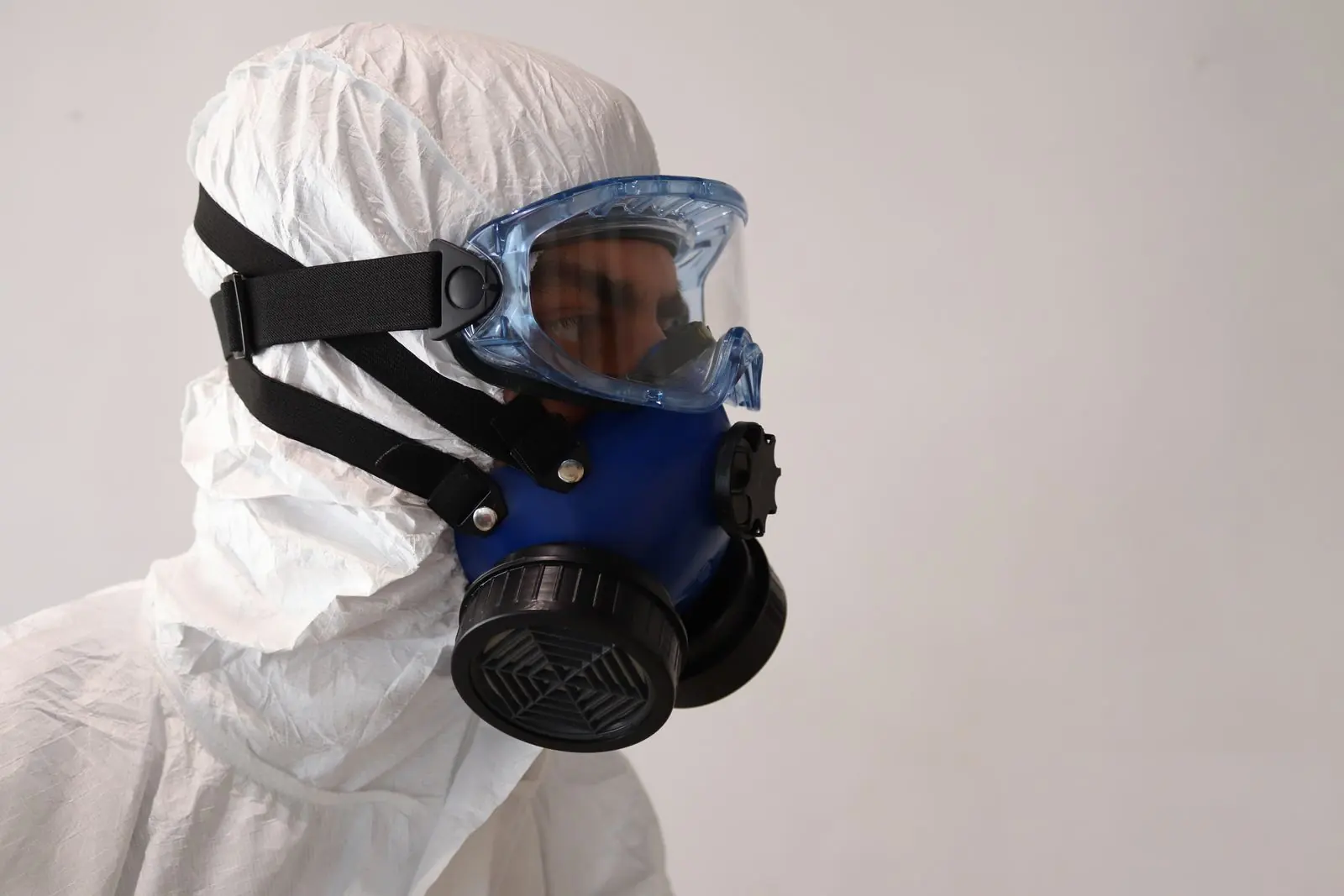
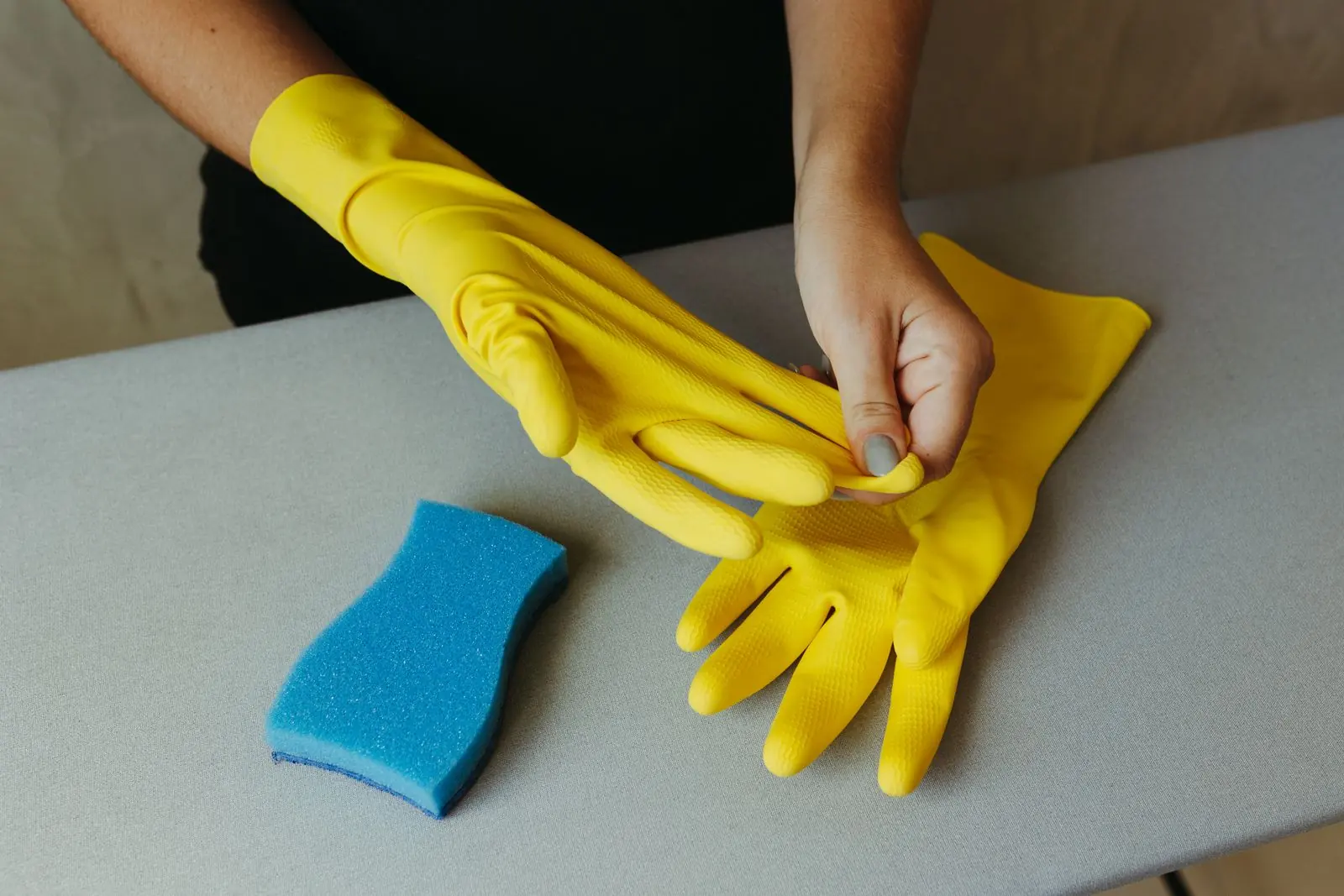
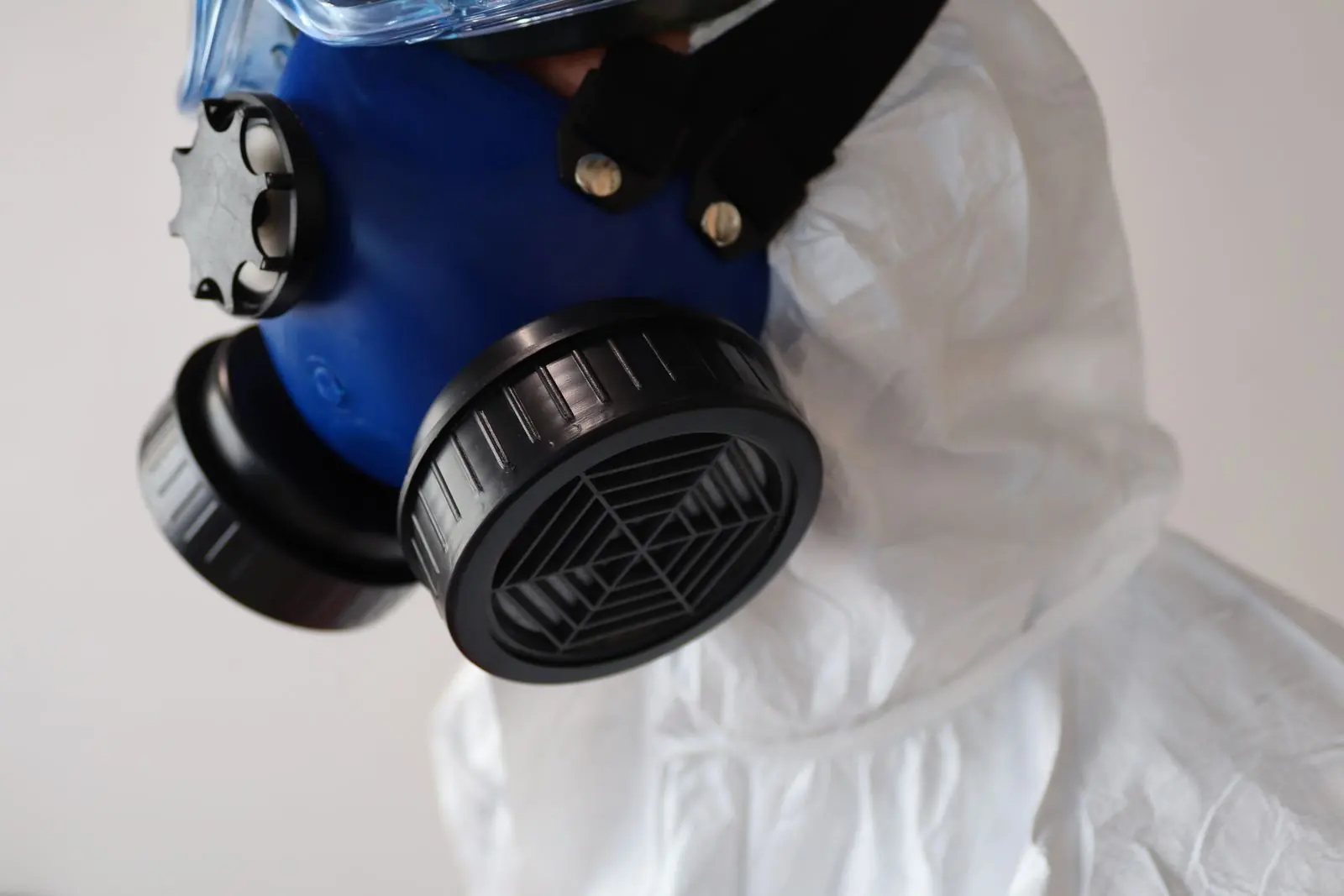
- Don't touch the carcass bare-handed. If you must move a small one, use disposable gloves, a P2 mask and a shovel or inverted bag; our guide to safely picking up a small dead animal has the full steps.
- Wash hands thoroughly after any contact with the area.
Why removing the source matters more than the smell
Once the carcass is removed and the area cleaned and disinfected, most of the odour clears within a few days. Waiting it out can take weeks; roughly speaking, a possum can smell for three to six weeks or more, depending on size and temperature. During that time the flies, bacteria and fluid damage keep building.
A removal visit deals with all of it at once: the body comes out, soiled insulation and nesting material go with it, the spot is sanitised, and the space is deodorised so the smell doesn't linger. For tips on finishing the job yourself after a small animal, read how to get rid of dead animal smell in your house.
Need it gone today? If the smell is making your household feel unwell, we can remove the source and sanitise the area so it's safe again, often the same day. Call (03) 9125 4024 or send us a message.