Health & Safety
Can You Get Sick From a Dead Animal? The Real Risks
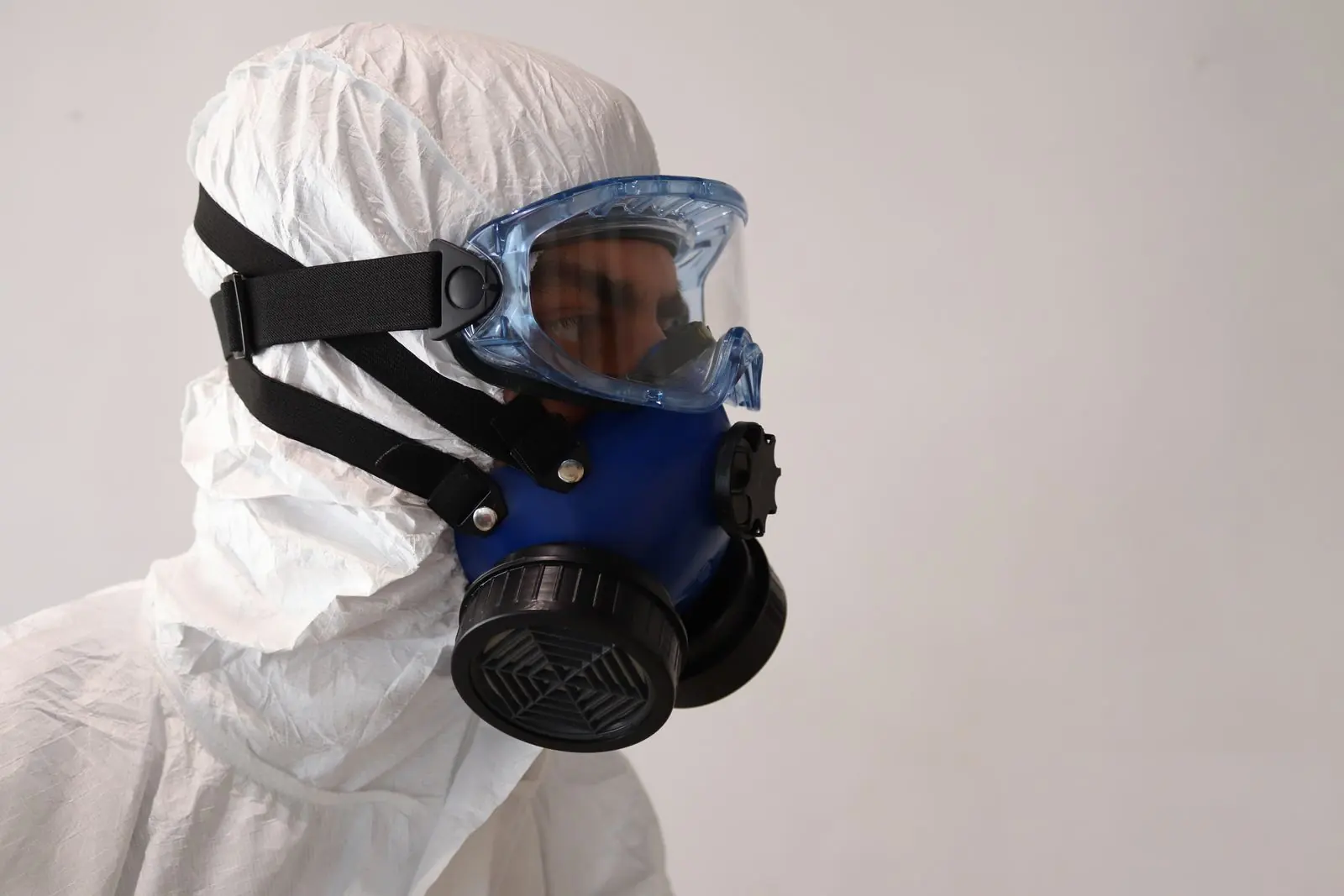
Yes, you can get sick from a dead animal, but usually only through direct contact or contaminated surfaces, not from the smell alone. The main diseases from dead animals in Melbourne homes are bacterial infections such as leptospirosis and salmonella, mostly linked to rats and mice, plus gut infections spread by flies that have fed on a carcass. Gloves, a mask, good hand washing and a proper clean-up keep the risk low.
The smell of decay is unpleasant and can cause headaches or nausea, but it is the fluids, droppings, insects and contaminated insulation that carry most of the real risk. That is why our sanitising and odour treatment service focuses on what is left behind once the body is gone, not just on making the air smell better.
How diseases from dead animals actually spread
It helps to think about routes rather than a long list of germs. A dead animal can pass on illness in four main ways:
- Touch. Handling the body, fur, feathers or fluids with bare hands, then touching your mouth, eyes or food.
- Contaminated surfaces. Decomposition fluid soaks into plaster, timber, carpet and insulation. Droppings and urine from the animal while it was alive are often nearby.
- Insects. Blowflies lay eggs on carcasses, then land on benches, dishes and food. Maggots and flies are a sign the contamination is moving around the house.
- Dust. Dried droppings and nesting material can be stirred up when you sweep, vacuum or pull out insulation.
Breathing in the odour itself is rarely the cause of infection. It is a warning sign that something is decomposing, which is useful, because it tells you where to look. Our separate article on whether dead animal smell is harmful covers the odour side in more depth.
The infections worth knowing about
Leptospirosis
A bacterial infection spread through the urine of infected animals, especially rats. It enters through cuts, grazes or the eyes and mouth, often via contaminated water or soil. Symptoms can look like a bad flu. It is one reason never to handle a dead rat without gloves, and to clean areas where rats have been living.
Salmonella and other gut bugs
Rodents, birds and reptiles can carry salmonella. Flies that have fed on a carcass can transfer bacteria to food and kitchen surfaces. The result is usually gastro: cramps, diarrhoea and fever.
Secondary poisoning (a risk to pets, not people)
Rats and mice that have eaten bait are still carrying poison when they die. If a dog, cat or bird of prey eats one, it can be poisoned too. Picking up baited carcasses quickly is about protecting animals as much as people. See our guide on rats dying in walls after baiting.
Reportable animal diseases
If you find several dead birds together, or unexplained deaths in poultry or livestock, don't touch them. Call the Emergency Animal Disease Watch Hotline on 1800 675 888. Victoria has had avian influenza outbreaks in poultry, and early reports matter.
Who is most at risk
For most healthy adults, a single, careful clean-up of a small animal carries little risk. Extra care is needed for:
- Young children, who touch everything and put hands in mouths.
- Pregnant women, older people and anyone with a weakened immune system.
- People with asthma or other breathing conditions, who may react to dust and strong odours.
- Pets, which may eat or roll in a carcass.
If someone in the household falls into one of these groups, it is a good reason to have the job done by someone else, or at least keep them well away until the area has been cleaned.
Lowering the risk at home
If you are dealing with a small animal you can see and reach, the basics make a big difference:
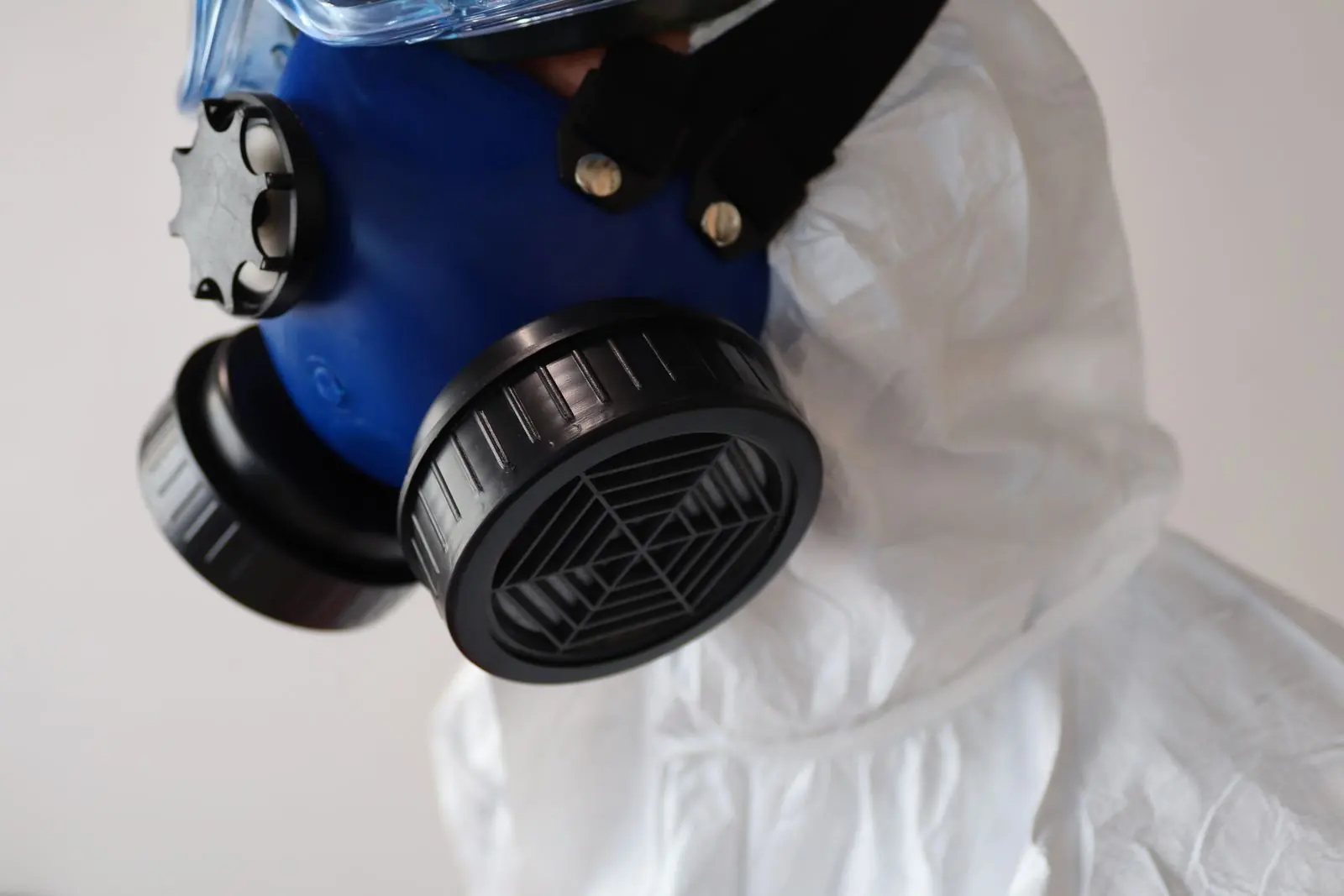
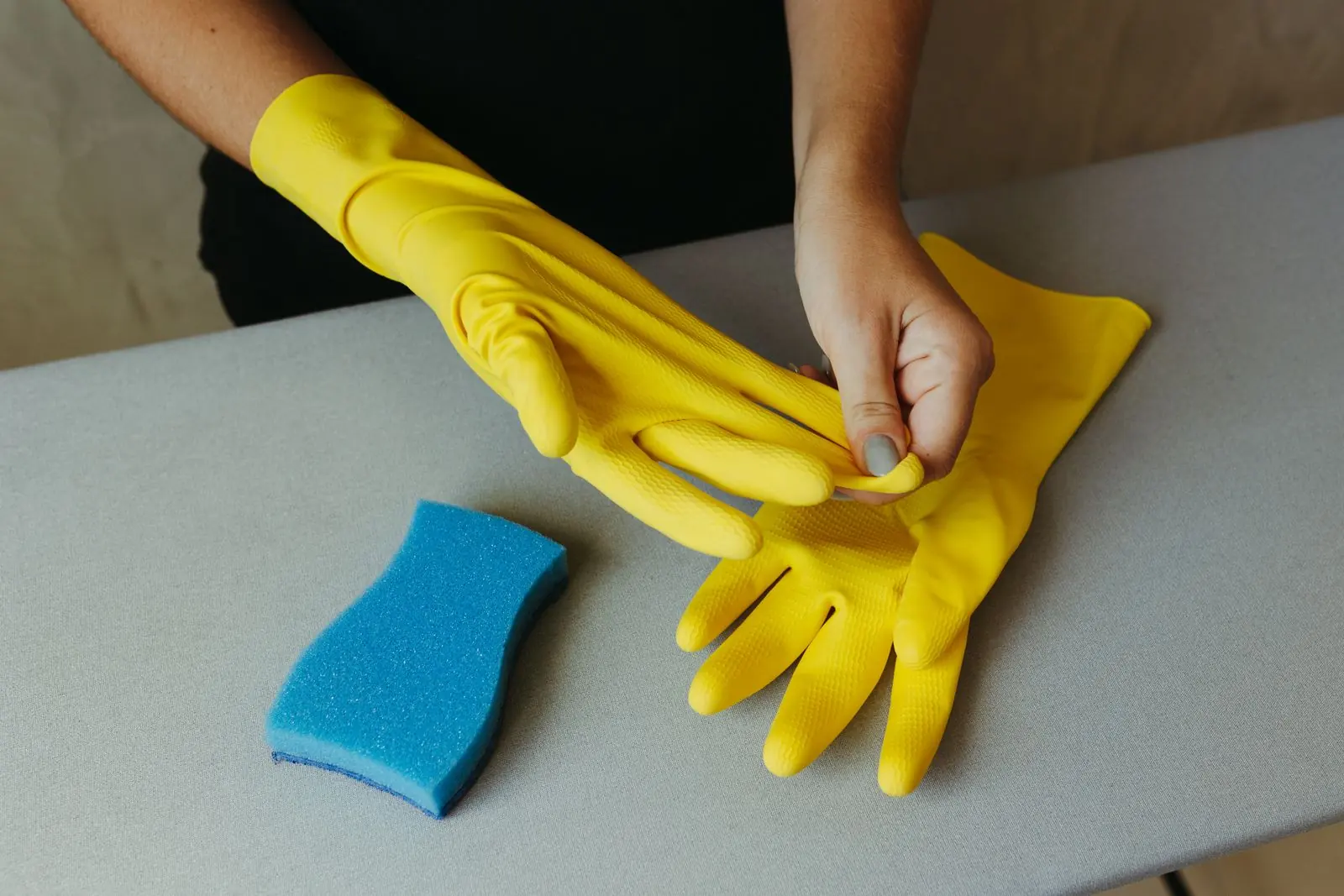
- Wear disposable gloves and a P2 mask. Cover any cuts on your hands.
- Don't use your hands directly. Use a shovel, or turn a plastic bag inside out over your hand, grab, and fold it back.
- Double-bag small animals and put them in the general waste (red-lid) bin, never recycling or green waste.
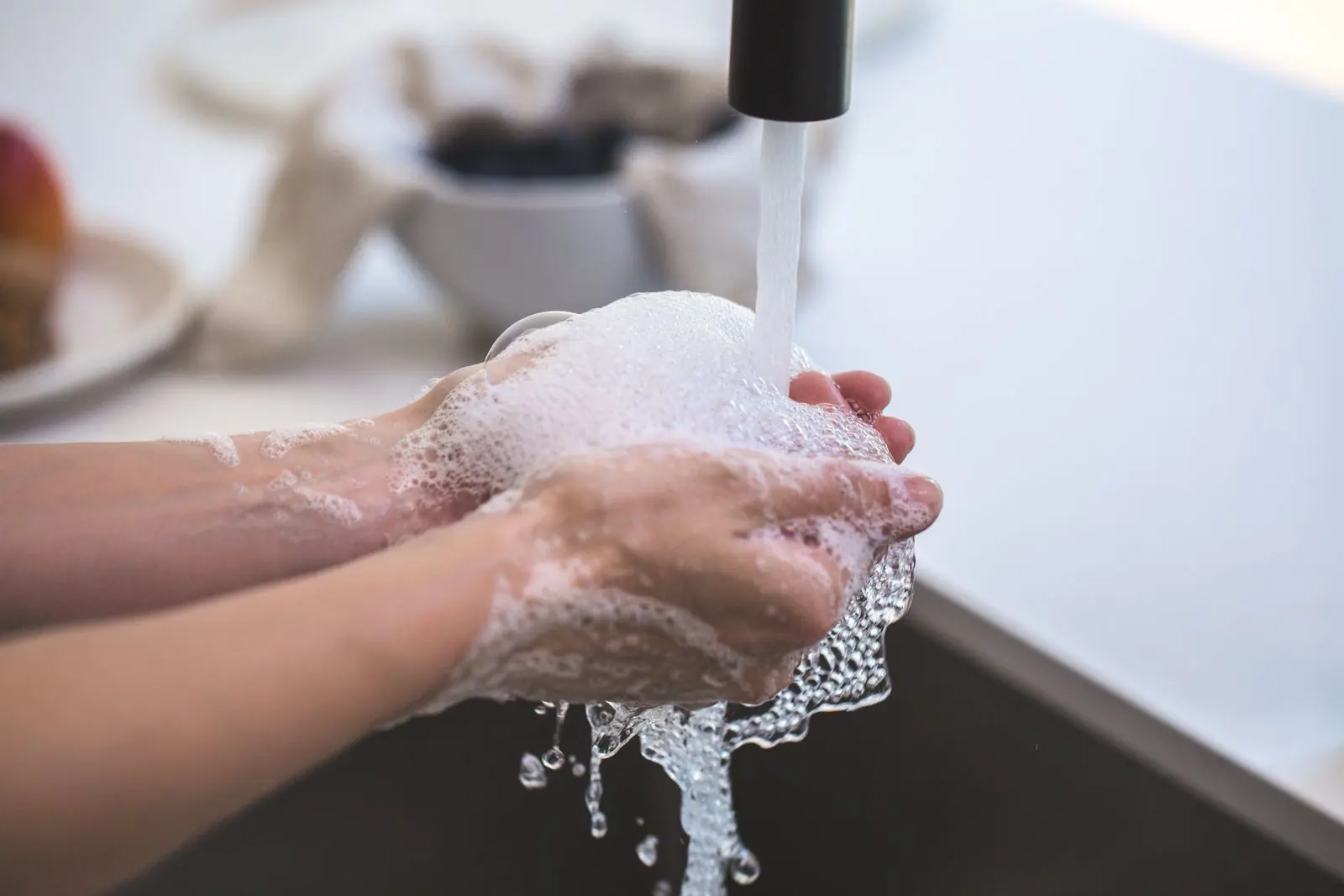
- Disinfect the spot and anything that touched the animal, then wash your hands thoroughly with soap, even though you wore gloves.
- Keep children and pets away until you've finished.
Our step-by-step guide on how to safely pick up a dead animal walks through this in more detail. The Better Health Channel also has reliable general information on infections and hygiene.
When the risk goes up: hidden carcasses and contaminated materials
The trickier situations are the ones you can't see. A possum that died in the roof weeks ago may have soaked a patch of insulation and ceiling. A rat in a wall cavity leaves fluids on the timber frame. A bird in a chimney or ducting can drop maggots into a room. In these cases:
- The body is often partly broken down, so handling it is messier.
- Insulation and nesting material can be full of droppings, urine and insect activity.
- Flies will keep breeding until the source and the soiled material are removed.
This is the point where professional removal makes sense. We take out the carcass together with the soiled insulation and debris, disinfect the surfaces, and treat the odour by deodorising or fogging. If maggots are already dropping from a light fitting or vent, our guide on maggots falling from the ceiling explains what is going on above you.
Signs you should see a doctor
Most people who clean up a dead animal never have a problem. Still, see your GP if, within a few days to a couple of weeks, you develop fever, severe headache, muscle aches, vomiting or diarrhoea, especially if you handled a rat, had a cut on your hand, or cleaned up a lot of droppings. Tell the doctor about the contact, as it helps them consider the right tests. For general health questions, the Better Health Channel is a sensible starting point.
Cost often comes up once people realise a clean-up is bigger than they thought. It depends on location, size, access and how much material has to come out; our guide to what affects removal cost explains the factors.
Need it gone today? If a hidden carcass has left fluids, flies or soiled insulation behind, we can remove it and sanitise the area properly. Call (03) 9125 4024 or send us a message.