Health & Safety
Dead Animal in Your Pool or Rainwater Tank: What to Do
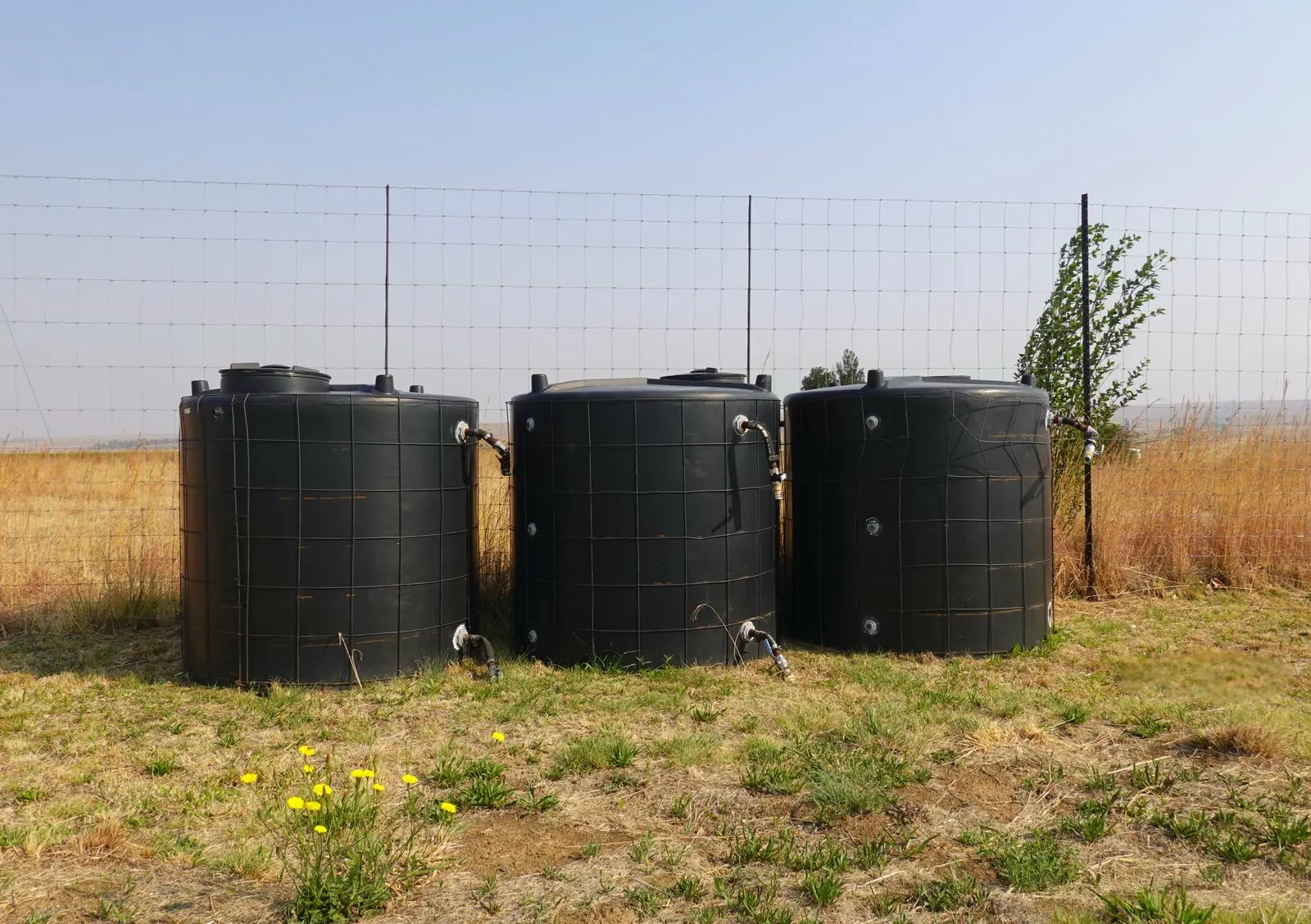
If you find a dead animal in your water tank, stop drinking the tank water straight away and switch to mains or bottled water until the animal is out and the tank has been cleaned and disinfected. For a pool, keep everyone out of the water, net out the animal with gloves on, and get the sanitiser level back to normal before swimming again. Decomposing animals contaminate water with bacteria, so this is one situation where speed really matters.
Below we cover both situations step by step. If the animal is difficult to reach, too large to handle, or you simply don't want to deal with it, our team does sanitising and odour treatment alongside the removal itself.
Why a dead animal in water is a health concern
Water spreads contamination quickly. As an animal breaks down, bacteria from its gut and skin enter the water, and in a tank the problem can spread through the whole system, including pipes and taps. Rats in particular can carry leptospirosis and salmonella, and birds and possums can carry other bacteria too. Drinking, cooking with or brushing your teeth in contaminated tank water can make you sick.
Pools are a little more forgiving because they're treated, but a carcass can still overwhelm the chlorine or salt system, especially in summer. Our article on diseases you can catch from dead animals explains the main risks.
Dead animal in the water tank: what to do
The usual culprits in Melbourne rainwater tanks are rats, mice, birds, possums and occasionally frogs or lizards. They get in through damaged inlet screens, gaps around the lid, overflow pipes without mesh, or gutters that feed straight into the tank. Work through these steps:
- Stop using the water for drinking and cooking. Turn off or tag any taps connected to the tank and let everyone in the house know. Use mains or bottled water in the meantime.
- Check for signs. A foul or rotten smell from taps, cloudy or discoloured water, a film on the surface or flies around the tank opening all point to something in there.
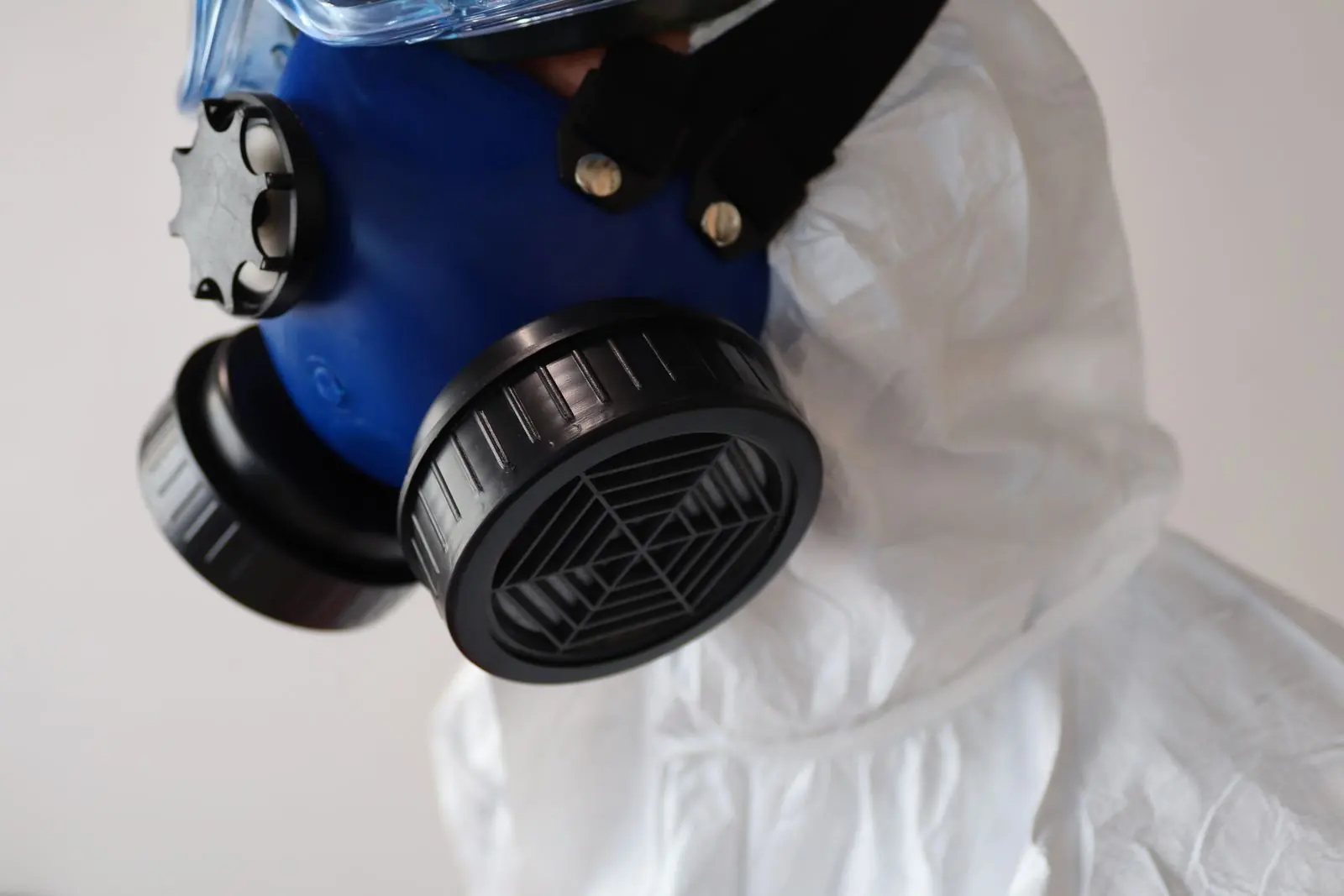
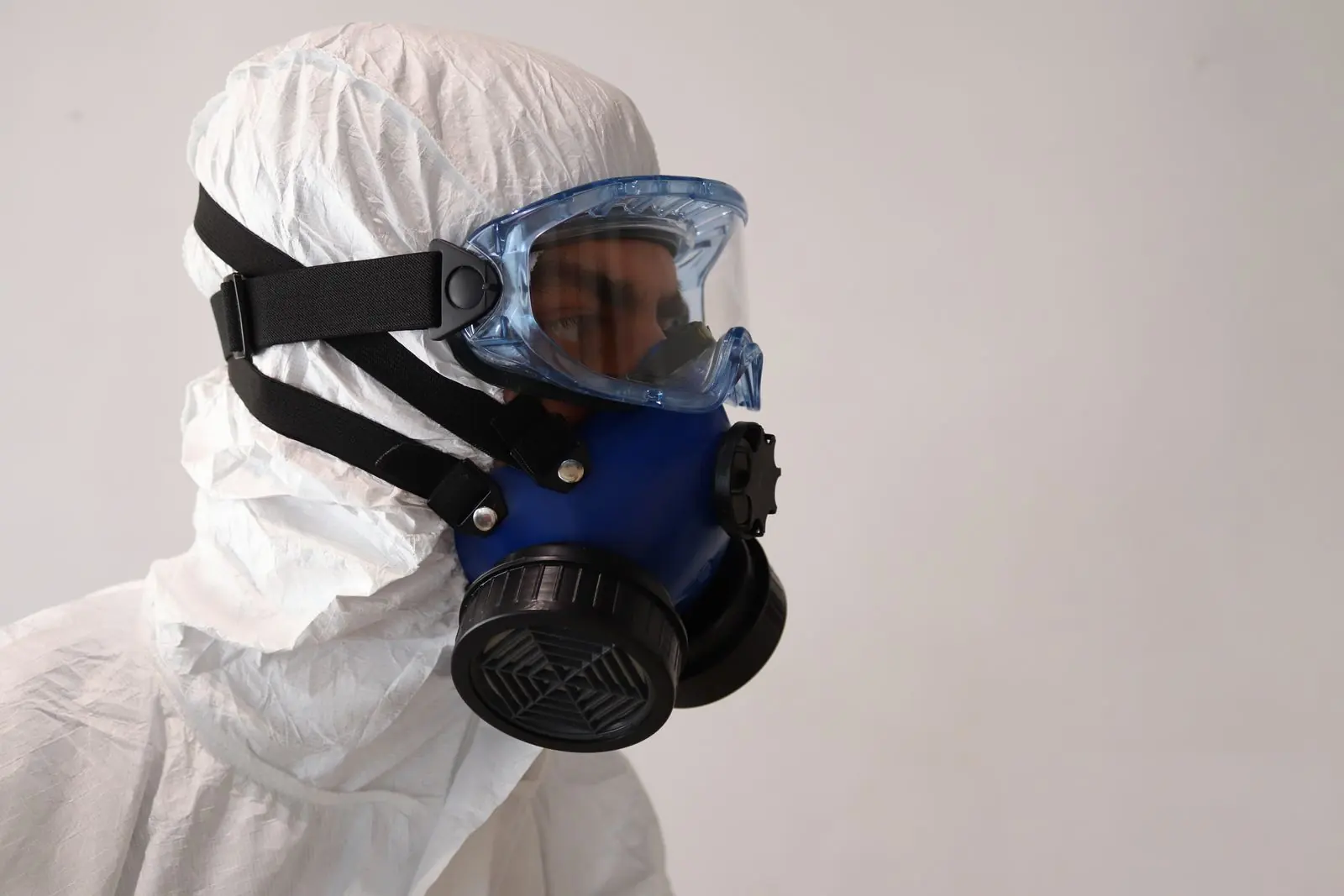
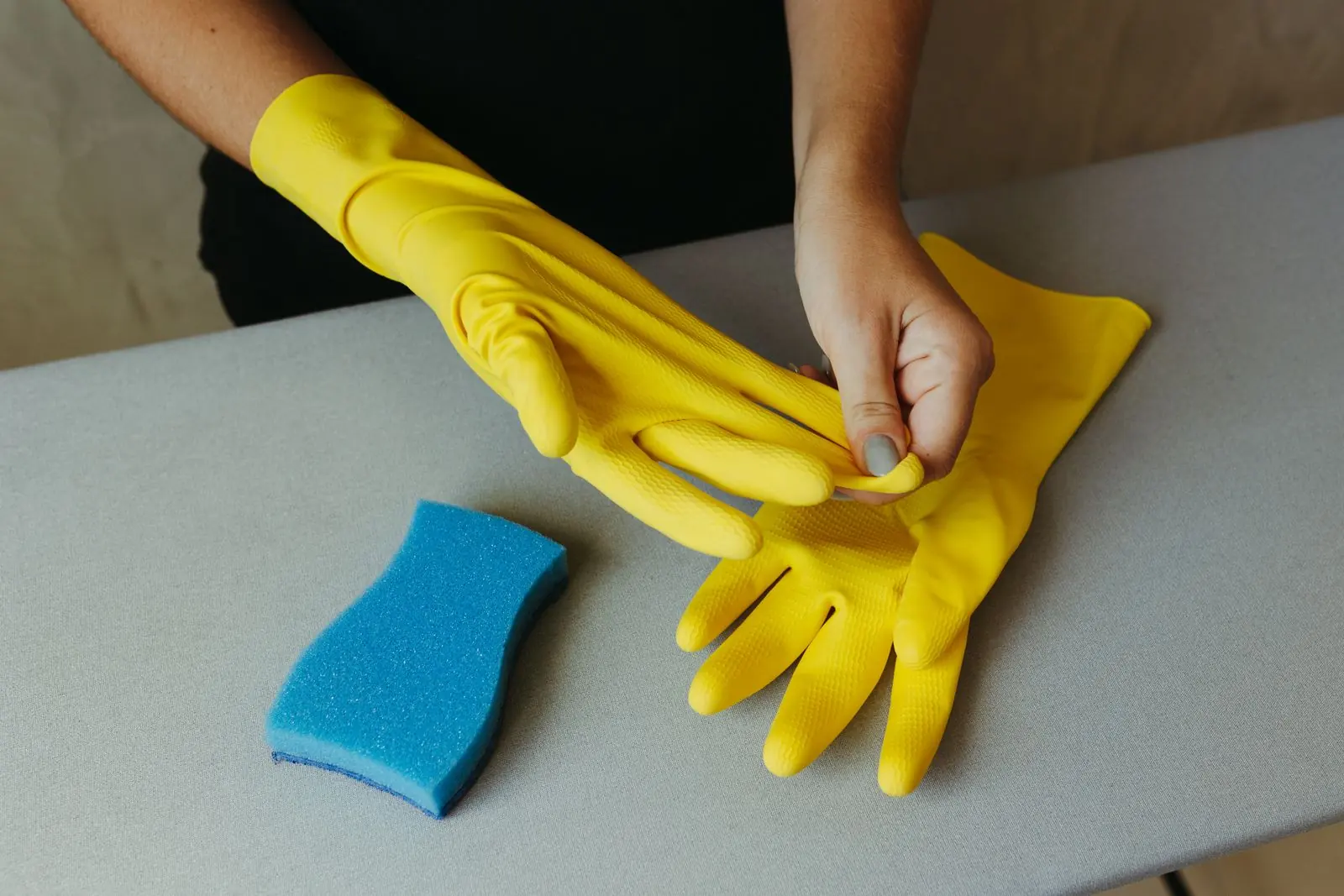
- Remove the animal. Wear disposable gloves and a P2 mask. Use a net, scoop or bucket on a pole rather than reaching in. Double-bag small animals for the general waste (red-lid) bin. Don't lean into or climb inside a tank; enclosed tanks can be dangerous to enter.
- Clean and disinfect the tank. Depending on how long the animal was there, the tank may need emptying, scrubbing and disinfecting before refilling. The Better Health Channel publishes Victorian guidance on rainwater tank safety, and a tank cleaning specialist can do the full clean if needed.
- Flush the pipes and taps after the tank is treated, so contaminated water isn't sitting in the lines.
- Fix the entry point. Repair or replace inlet screens, fit insect-proof mesh to the overflow and check the lid seals properly.
If anyone becomes unwell after drinking tank water, see a doctor and mention the tank.
Tank used only for the garden?
If the water only goes on gardens and isn't used for drinking, the urgency is lower, but still get the animal out quickly. A rotting carcass in a tank makes the water smell and can attract more animals. Avoid using the water on vegetables you'll eat raw until the tank has been cleaned.
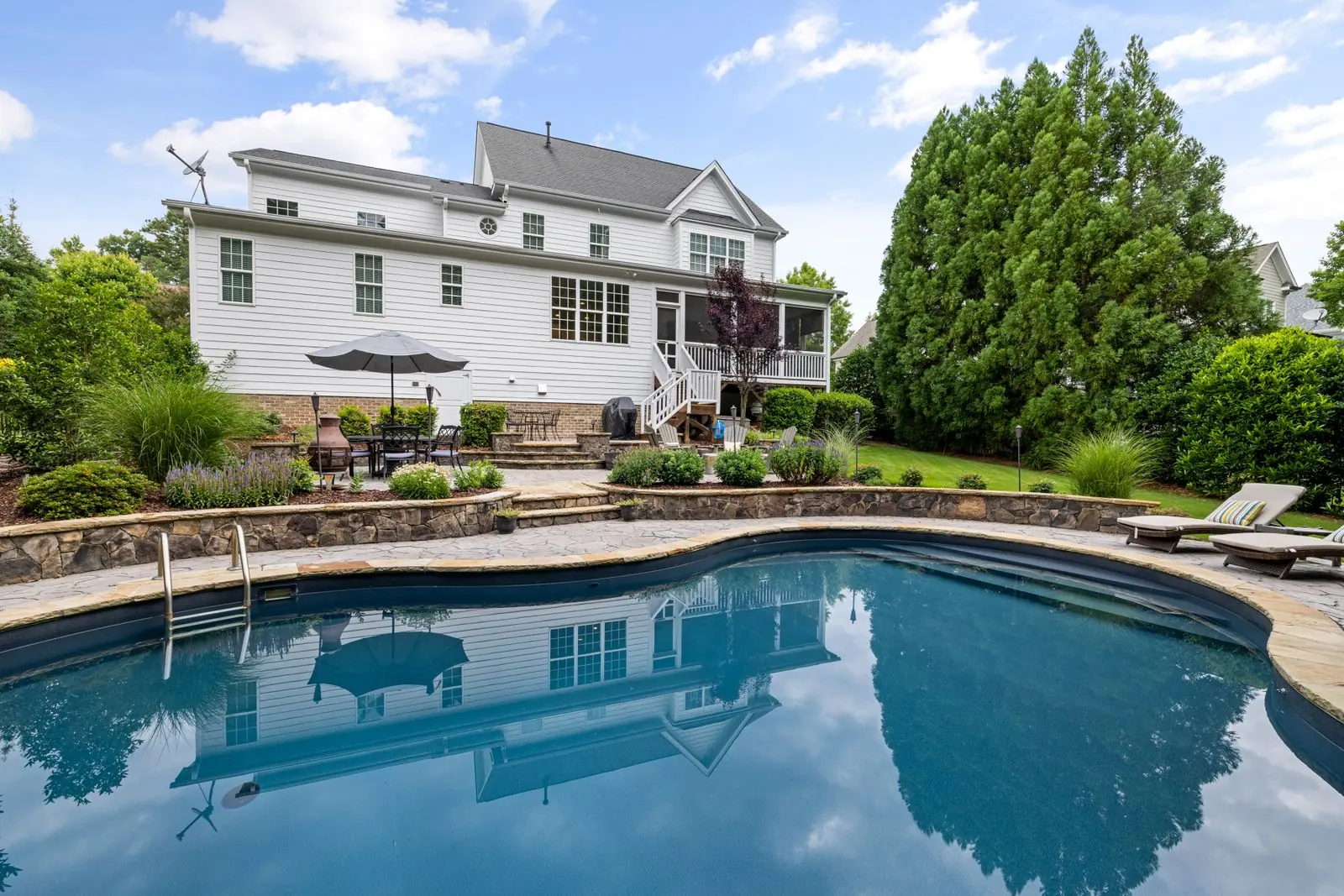
Dead animal in a swimming pool
Pools catch all sorts of wildlife: rats and mice that fall in at night, possums that slip off a fence, birds, and sometimes a neighbour's cat. Here's the order to tackle it in:
- Keep people and pets out of the pool until it's sorted.
- Net the animal out using your leaf skimmer. Wear gloves. Turn a bag inside out over the net to take the body off without touching it, then double-bag it.
- Check the skimmer basket and pump basket. Small animals or parts can end up there. Clean them out and rinse with disinfectant.
- Test the water. Use your test kit or take a sample to a pool shop. Follow their advice on shocking or adjusting sanitiser levels, and run the filter for a good while afterwards.
- Clean the surface it touched. Brush down the area where the animal was floating or lying, and wipe the coping or step if it was found there.
If the animal has been in the water for several days and has started to break apart, it's worth getting professional help. That kind of removal is messy and the water may need more than a routine shock.
If it's a pet
Finding a pet in the pool is heartbreaking. If it's your own pet, take a moment before doing anything practical. If it isn't yours, a vet or your local council may be able to scan for a microchip so the owner can be told. We handle pets with care and respect, and you're welcome to call us for help.
Native animals and birds
Possums and most native birds are protected in Victoria. Removing a dead one for disposal is normal, but keep in mind:
- if you find several dead birds in or around a pool, tank or dam, don't handle them; report it to the Emergency Animal Disease Watch Hotline on 1800 675 888;
- a dead female kangaroo, wallaby or wombat in a farm dam or trough may have a living joey: call Wildlife Victoria on (03) 8400 7300.
For more on safe bird handling, see found a dead bird: what to do, and for possums, how to dispose of a dead possum.
Keeping animals out of your water
Prevention is mostly about blocking access and removing ways in:
- Tanks: fine mesh on inlets and overflows, a sealed lid, first-flush diverters, and regular gutter cleaning so debris doesn't build up.
- Pools: a fitted cover overnight, trimmed branches overhanging the water, and a frog or animal escape ramp at the edge so anything that falls in can climb out.
- Around the yard: fewer rodents means fewer drownings, so manage fallen fruit, pet food and compost.
Our guide on stopping animals getting into your roof covers rodent and possum proofing that also helps here.
When to call for help
Call a removalist if the animal is large, has been in the water for a while, is out of reach in a deep or enclosed tank, or you just don't want to handle it. We can remove it, bag it for appropriate disposal and sanitise the surrounding area. Costs depend on the animal, access and how much clean-up is involved, and our dead animal removal cost page explains those factors.
Need it gone today? If there's a dead animal in your pool or rainwater tank, we can remove it and sanitise the area, often the same day. Call (03) 9125 4024 or send us a message.