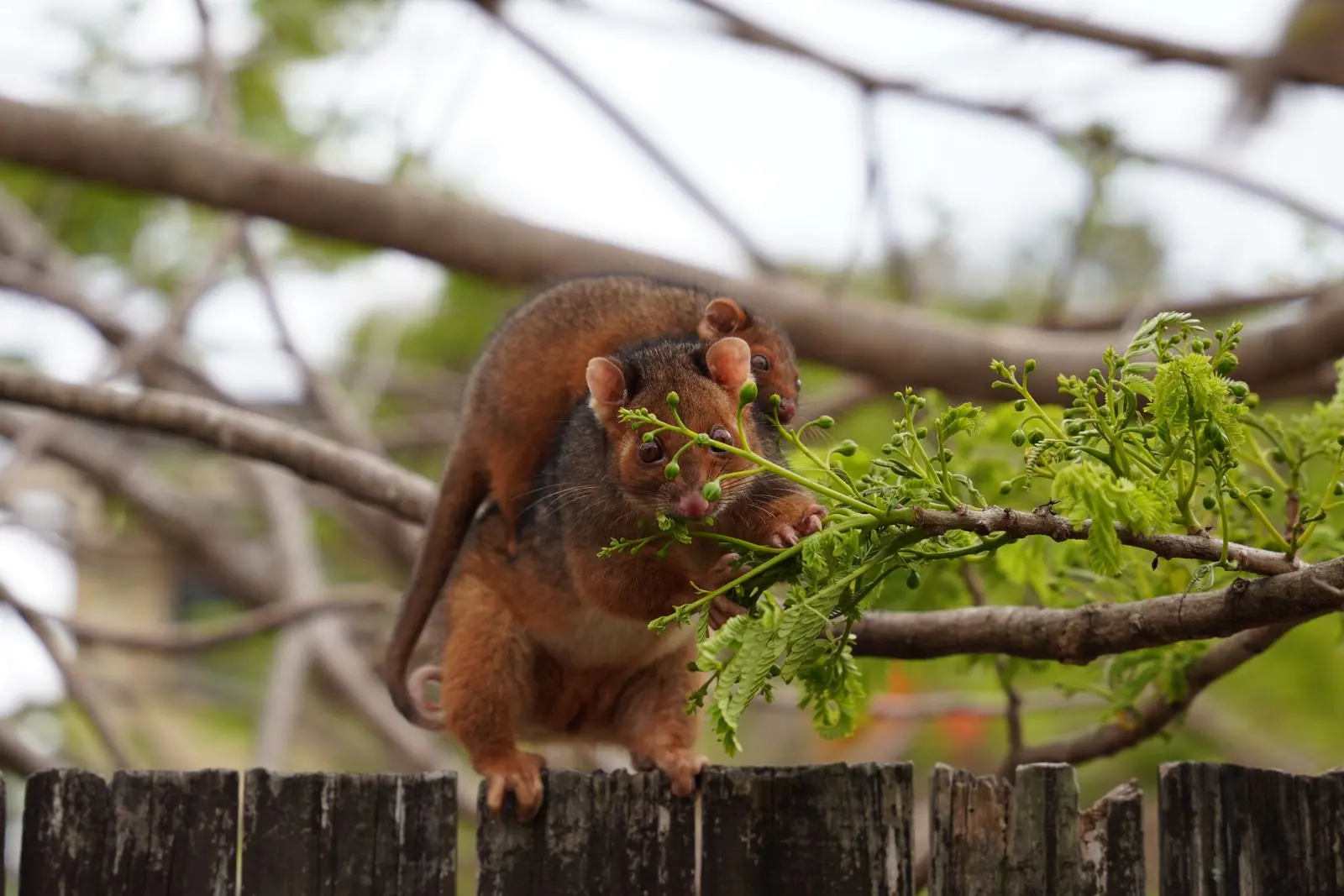
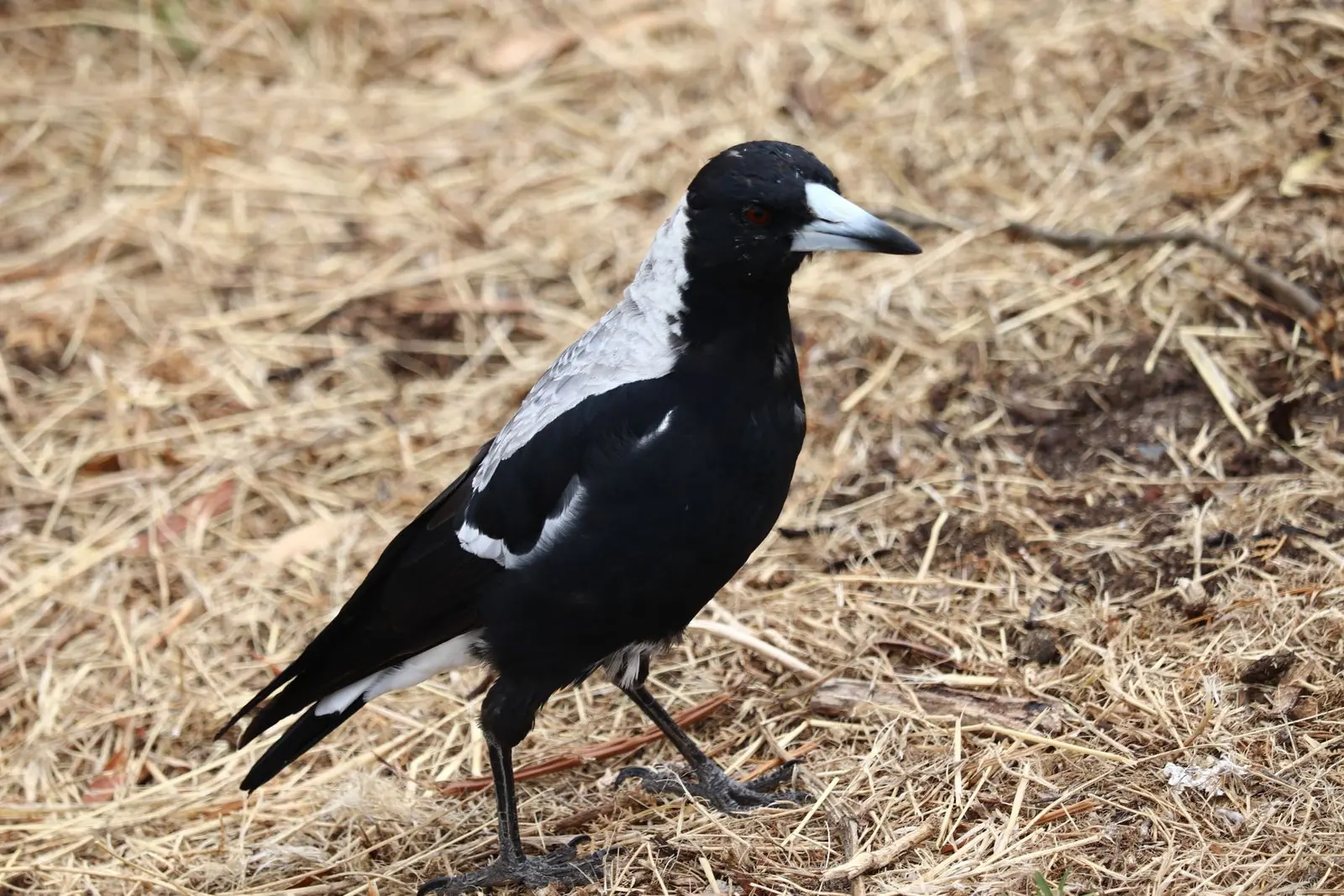
Possums, Rats & Birds
How to Stop Animals Getting Into (and Dying In) Your Roof
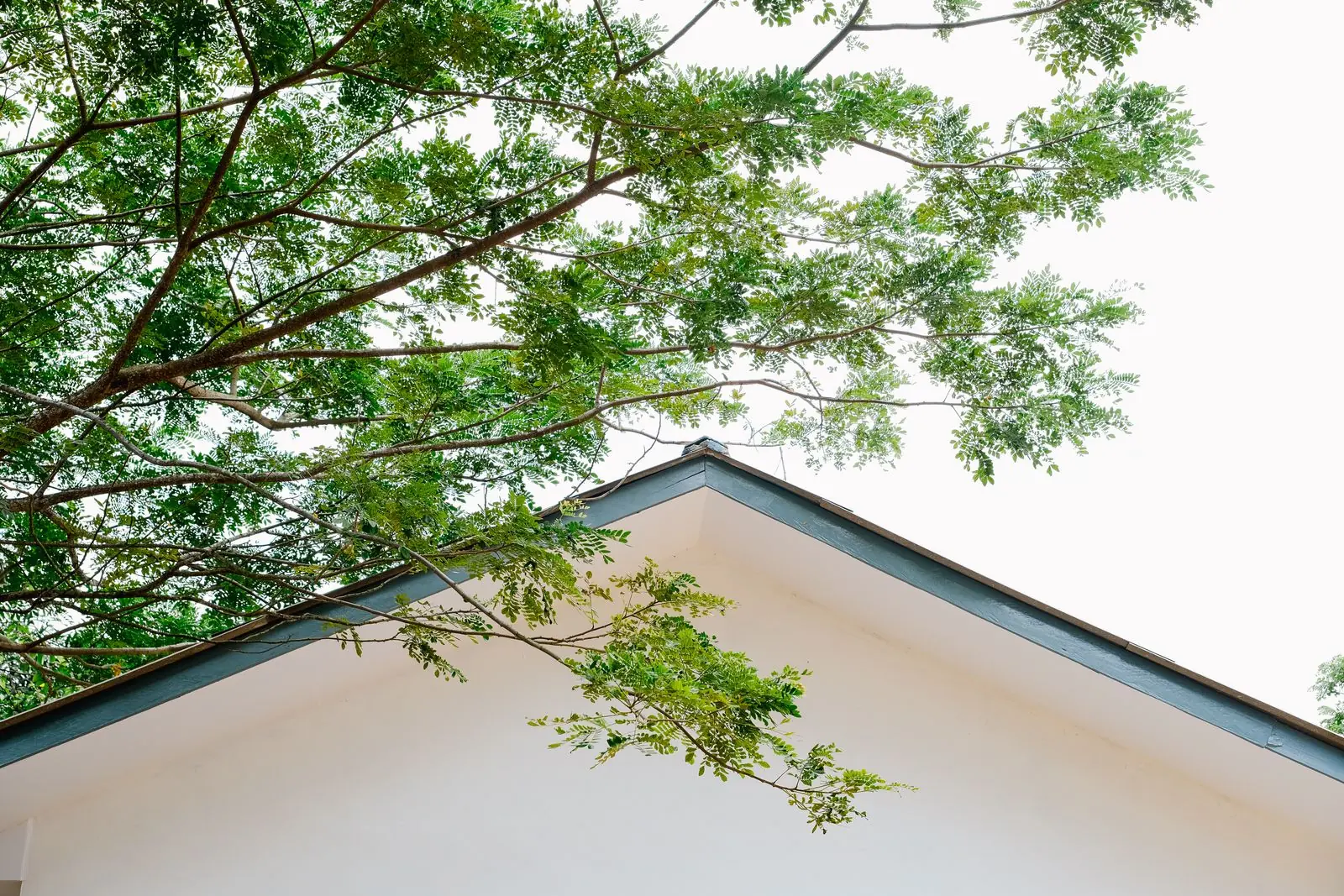
The way to stop animals getting in the roof is to find and close the gaps they use: lifted or broken tiles, gaps under the eaves and fascia, unsealed pipe and cable entries, open vents, and branches that touch the roofline. Make sure nothing is living inside before you seal anything, trim trees back, and remove food sources around the house. Fewer animals getting in means fewer dying in your ceiling.
Most dead animals we remove from Melbourne roofs got in through an opening a homeowner never knew was there. After a removal, the most useful thing you can do is make sure the next rat, bird or possum can't follow the same route. Our sanitising and odour treatment service deals with the clean-up afterwards, and we give advice on how the animal got in at every job.
Why animals end up dying in roofs
A roof space is warm, dry, dark and quiet: ideal shelter. Animals that get in tend to stay, nest and breed. They die there for ordinary reasons:
- Rats and mice that have eaten bait go back to their nest to die, often in the insulation or a wall cavity.
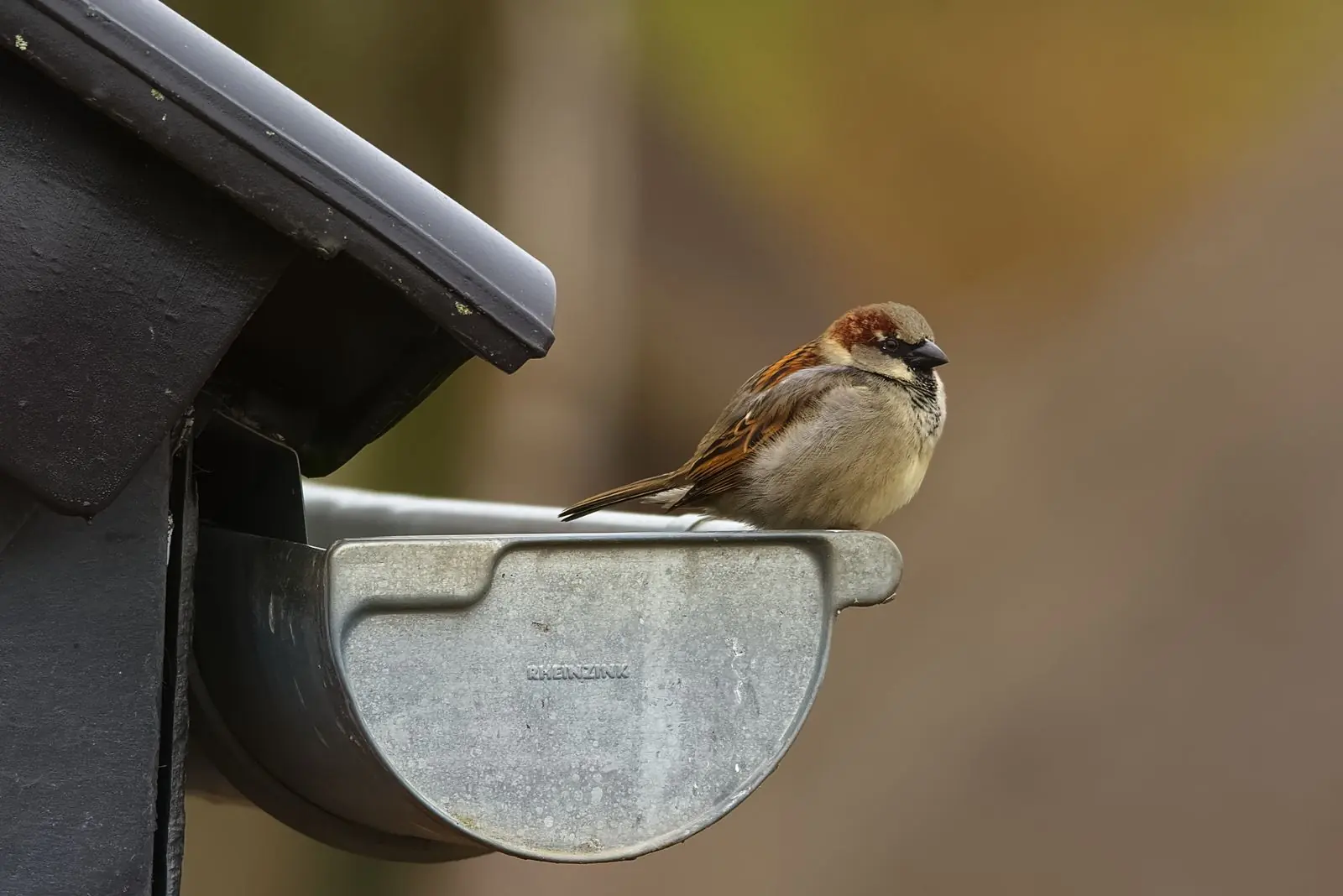
- Birds such as starlings, sparrows and pigeons nest under tiles or in gutters and box gutters; young birds can fall into a cavity and can't get out.
- Possums may die of age, illness or injury, or become trapped after someone seals the entry while they are inside.
- Any animal can get stuck in a downpipe, chimney flue, exhaust duct or the gap behind a brick wall.
Each of these has a different fix, but they all start with access. If you are dealing with one right now, see what to do about a dead possum in the roof or our guide to dead birds in roofs, gutters and chimneys.
How to stop animals getting in the roof: a walk-around checklist
Do this from the ground first with binoculars or your phone camera zoomed in, and only climb if you are confident and the roof is dry. Never lift tiles in the rain or on a wet roof.
Roofline
- Cracked, slipped or missing tiles, and ridge capping with crumbling mortar.
- Gaps where the roof meets the gutter, especially at corners.
- Rusted or lifted sheets on metal roofs.
- Gaps around solar panel brackets, antennas and skylights.
Eaves and walls
- Holes or rot in the fascia board and eaves lining.
- Gaps where an extension joins the original house; these are very common in older Melbourne homes.
- Unscreened wall vents and broken weep hole covers.
- Pipe, cable and air conditioner line entries that aren't sealed.
Around the house
- Tree branches, vines and creepers touching the roof or gutter.
- Fences, sheds or water tanks that act as a ladder to the eaves.
- Uncapped chimneys and open flues.
Before you seal anything: check nothing is inside
This is the step people skip, and it causes many of the deaths we attend. Sealing a hole while an animal is still in the roof traps it. It will either die there, which leads to weeks of smell, or chew a new way out.
- Listen at dusk and dawn for movement, scratching or thumping.
- Look for fresh droppings, greasy rub marks around the gap, and disturbed insulation.
- Test the gap by loosely stuffing it with paper and checking whether it has been pushed out after a night or two.
If a live possum is using the roof, don't block it in and don't try to handle it. Possums are protected in Victoria, and live possum work is a separate specialist job that we don't do. Talk to a live possum specialist about the right approach for your home. Only seal entry points once you are confident the space is empty.
If you suspect something has already died in there, don't seal it in either. Our guide on whether you can leave a dead animal in the wall explains why that usually backfires.
Proofing materials that work (and ones that don't)
| Gap | Better option | Avoid |
|---|---|---|
| Small holes around pipes and cables | Steel wool or mesh packed in, then sealant over the top | Expanding foam alone, which rodents chew through |
| Gaps under eaves and at gutter lines | Metal mesh or purpose-made bird and vermin strips | Plastic bird netting that tears |
| Wall and roof vents | Fine metal vent covers that still allow airflow | Blocking vents completely, which can cause damp |
| Broken or slipped tiles | Replace or re-bed by a roofer | Wedging in rags or timber offcuts |
| Open chimney | A proper chimney cowl or mesh cap | Stuffing the flue, especially if you use the fireplace |
For anything at height, or on a steep or fragile roof, use a roofer or handyman. A fall is a far bigger problem than a rat.
Take away the reasons to move in
Closing gaps works best when the outside of your home is less attractive too:
- Keep pet food and bird seed in sealed containers, and don't leave bowls out overnight.
- Pick up fallen fruit and keep compost bins closed.
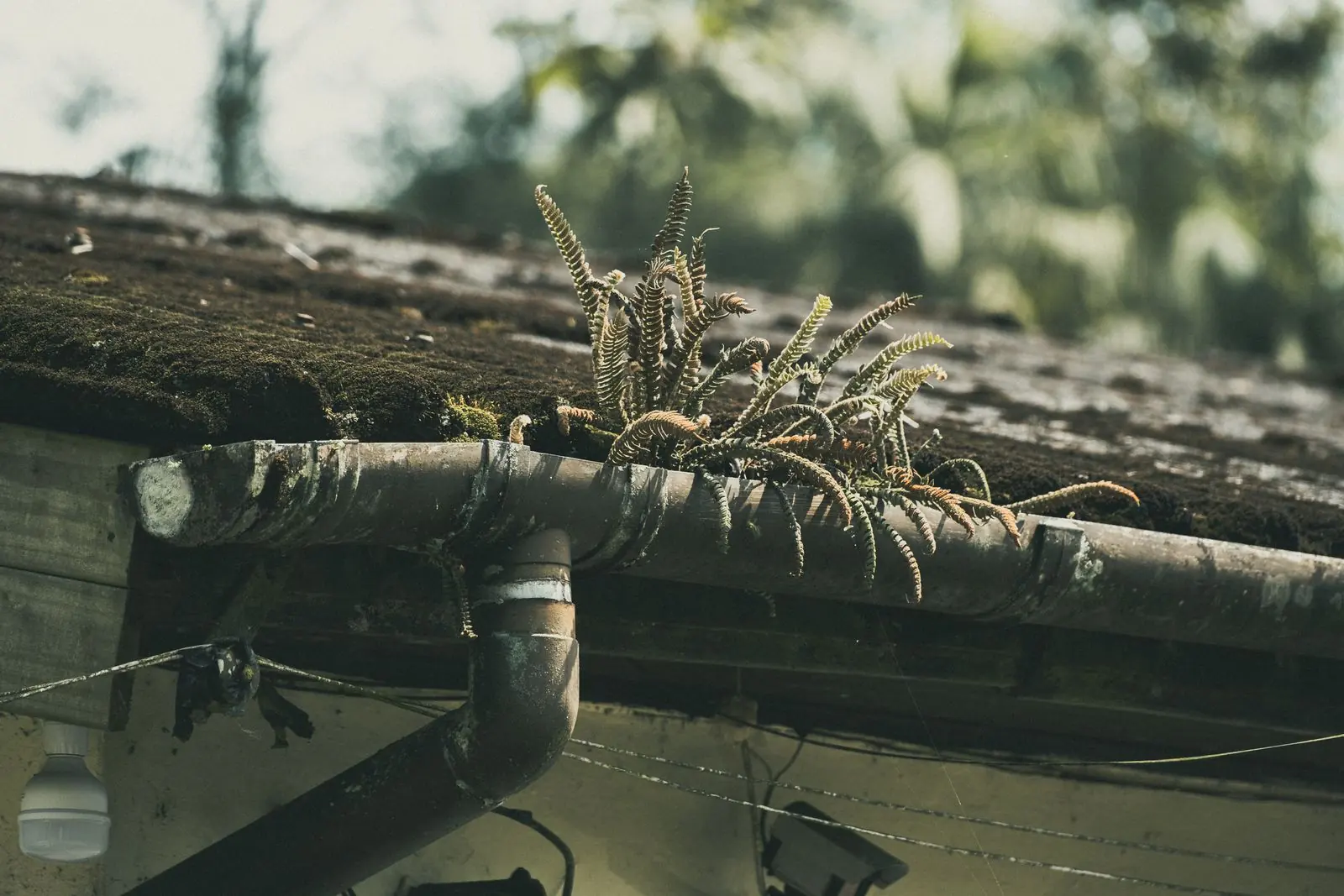
- Clear gutters, which collect leaf litter that birds nest in and rodents travel along.
- Store firewood and building materials off the ground and away from the house walls.
- Check the ducted heating: return-air boxes and floor ducts are favourite spots for mice. If you've ever noticed a smell when the heating comes on, read about dead animal smell in ducted heating.
After a death: clean up before you proof
If an animal has already died in the roof, the order matters. First the carcass comes out, along with soiled insulation and nesting material. Then the area is sanitised and the odour treated. Only then should the entry point be sealed, otherwise you lock the smell and any remaining contamination inside. When we attend, we remove the animal, clean up, and point out how we think it got in so you or your roofer can close it. If rodents keep turning up after baiting, see rats dying in walls after baiting.
Costs depend on where the animal is, access and how much clean-up is needed; our dead animal removal cost page explains the factors.
Need it gone today? If something has already died up there, we can remove it, sanitise the roof space and show you where it got in. Call (03) 9125 4024 or send us a message.