Possums, Rats & Birds
Rats Dying in the Walls After Baiting: What to Do
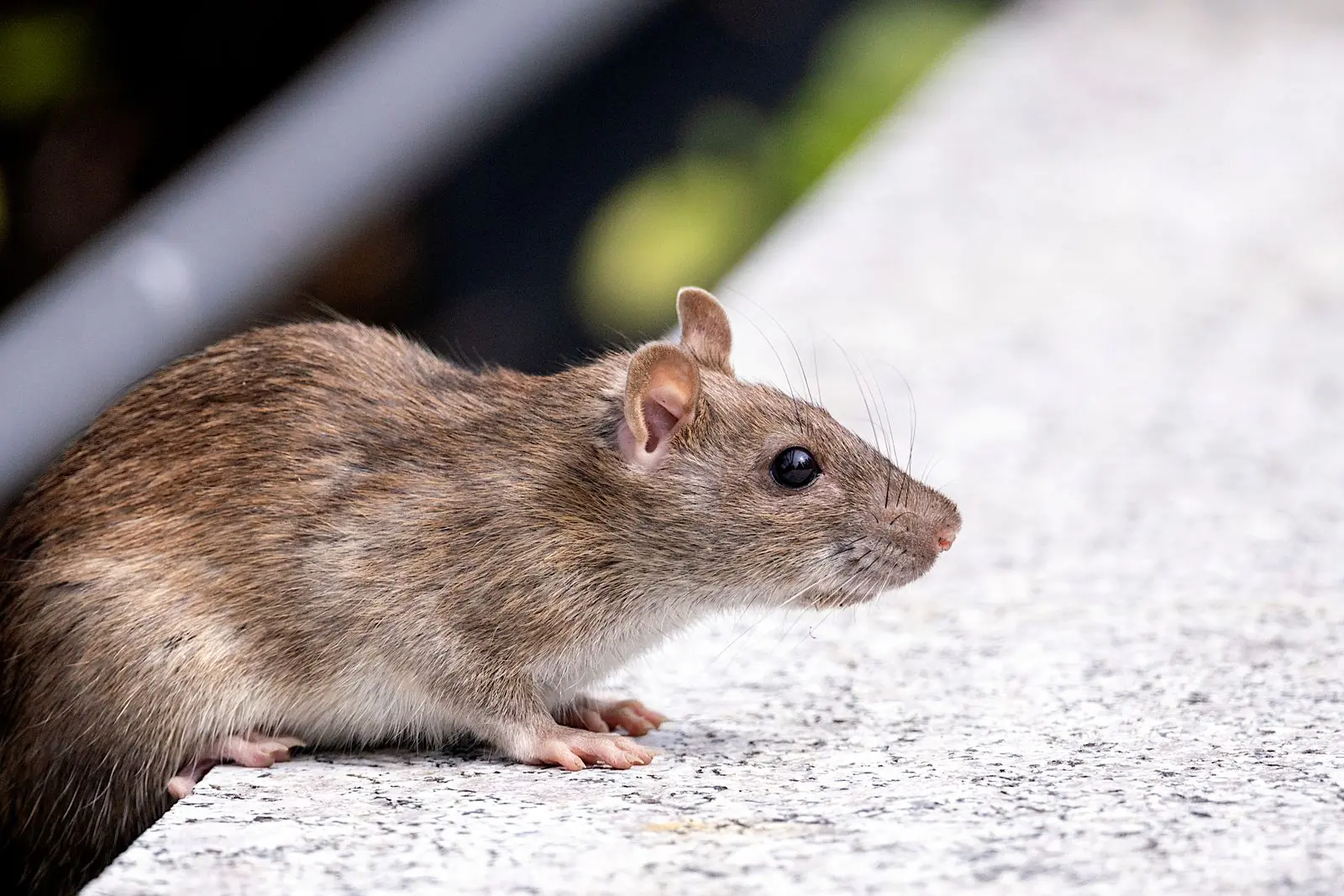
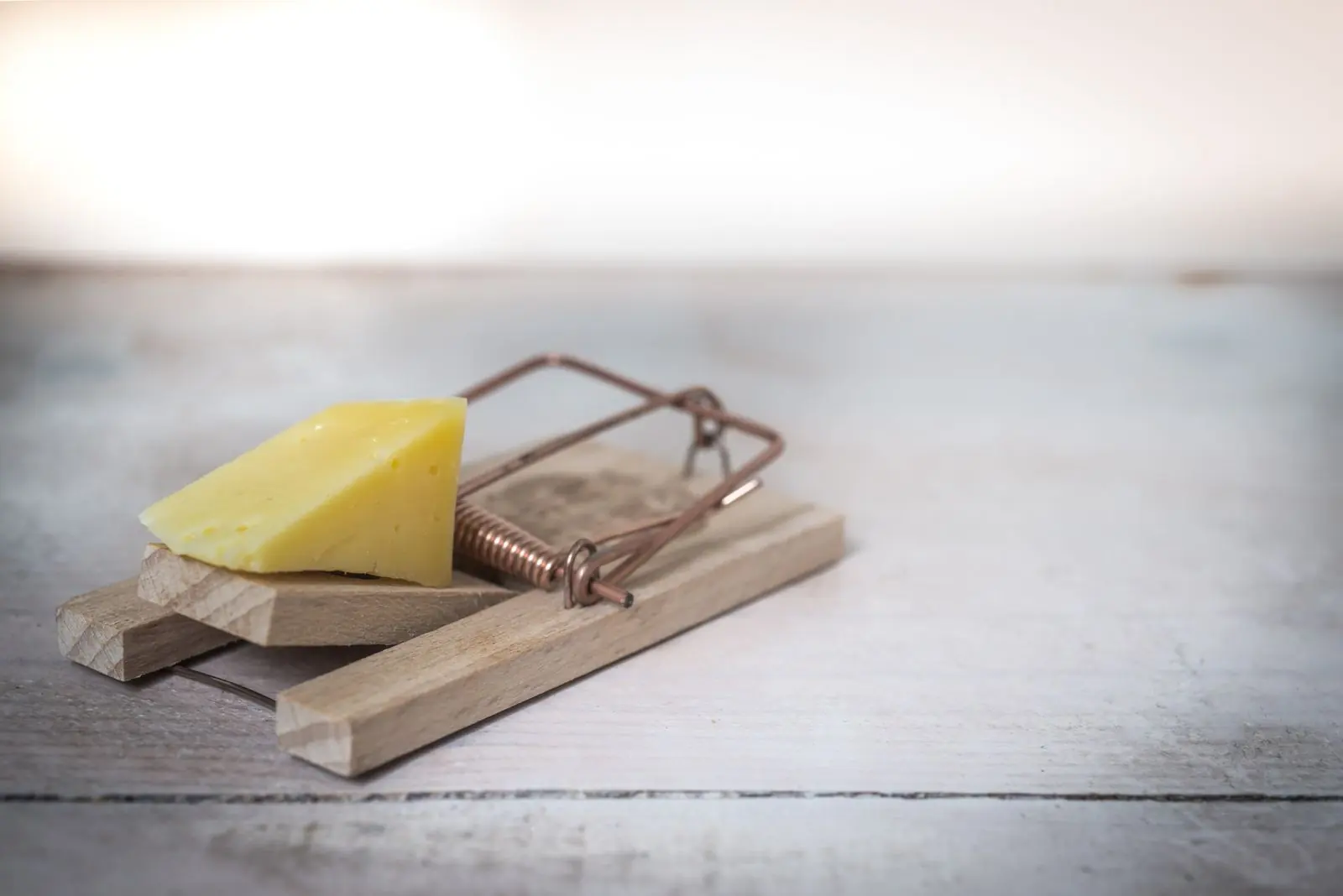
If you've laid rat bait and a few days later a sour, rotten smell appears near a wall or ceiling, a dead rat after baiting is the most likely cause. Baited rodents don't drop where they ate; they crawl back to the nest, which is often inside a wall cavity, roof space or subfloor. The fix is to find the body, remove it, and clean the spot, then manage the remaining bait so it doesn't keep happening.
Our dead rat and mouse removal service handles this every week across Melbourne, but plenty of homeowners can track down the first one themselves. Here's how the process plays out and what to do about it.
Why baited rats die where you can't reach them
Most rodent baits sold in Australia are slow-acting. That's deliberate: if a rat fell ill straight after eating, the rest of the colony would learn to avoid the bait. Instead, the rat eats, goes about its business, and becomes unwell over the following days. When it feels sick it heads somewhere dark, warm and sheltered, which in a Melbourne house usually means:
- the cavity behind plasterboard, especially near the kitchen, laundry or a bathroom where pipes run;
- the roof space above a ceiling, often near the eaves or against insulation;
- the subfloor of a weatherboard or older brick home;
- the return-air box or ductwork of floor-ducted heating;
- behind the dishwasher, fridge or kickboards under kitchen cabinets.
So a bait station in the garage can produce a smell above the lounge room ceiling. That's normal, not a sign the bait has failed.
Signs a baited rat has died inside the house
The clues usually turn up in a predictable order, roughly three to ten days after baiting:
- Quiet nights. The scratching and scurrying stops. Many people take this as good news, and it partly is.
- A faint, sweet-sour smell in one room that's stronger in the morning or when the heating is on.
- The smell sharpens into an unmistakable rotting odour over a few days, often strongest at one wall, cupboard or ceiling corner.
- Flies. A small cluster of blowflies at a window or light fitting can mean they've found a way in to the carcass.
- A stain on the ceiling or wall in some cases, as fluids soak into plaster.
Roughly speaking, a single rat's smell lasts two to three weeks if left alone, depending on temperature and where it is. Our article on how long dead rat smell lasts goes through the timeline in more depth.
The secondary poisoning risk
This is the part many people don't think about. A rat that has eaten bait still carries poison in its body after death. If a dog, cat or bird of prey eats the carcass, it can be poisoned too. Owls and other raptors that hunt around Melbourne's suburbs are especially exposed, because a sick, slow rat is easy prey.
That means you should:
- check yards, paths, garden beds and under the house regularly while baiting is underway;
- pick up any dead rodent you see straight away, wearing gloves;
- keep pets out of the subfloor and roof space;
- place bait only in tamper-resistant stations, positioned where pets and children can't get to them.
If you think your pet has eaten a baited rat or the bait itself, call your vet without delay and take the packaging with you.
Finding and removing the rat yourself
You can often find a rat in an accessible spot without opening any walls. Work through the house methodically:
Narrow down the room
Walk through each room with the heating and fans off, then sniff along skirting boards, inside cupboards and under sinks. The point where the smell is strongest is usually within a metre or so of the body. Our guide on dead rat smell in the wall has more tips on pinpointing it.
Check the easy places first
Pull out the fridge and dishwasher, remove the kickboards under the kitchen cupboards, look behind the washing machine and lift the manhole to the roof with a torch. Rats very often die in these semi-open spots.
Remove it safely
Wear disposable gloves and a P2 mask. Turn a plastic bag inside out over your hand, pick up the rat, fold the bag back over it, then put that in a second bag and tie it off. It can go in the general waste (red-lid) bin. Clean the spot with a household disinfectant, throw the gloves out and wash your hands well. Rats can carry leptospirosis and salmonella, so take the hygiene step seriously.
When it's inside a wall or ceiling
If the smell is clearly coming from inside a closed wall or ceiling, it's time to weigh up your options. Waiting it out is possible with a single rat in some cases, but there are good reasons not to, which we cover in can you just leave a dead animal in the wall.
A removalist will narrow down the location, usually make a small, neat inspection hole rather than pulling off a whole sheet of plaster, remove the rat, and treat the cavity for odour. The process is explained step by step in how a dead animal is removed from a wall cavity. Please don't spray air freshener or fly spray into the cavity: it masks nothing for long and can leave a chemical residue on top of the decay smell.
Cost depends on where the rat is, how easy it is to reach and how much clean-up is needed. You'll find more detail on our dead animal removal cost page.
Stopping the cycle after baiting
Baiting deals with the rats you have. It doesn't stop new ones getting in, and it nearly guarantees a few will die in the structure. To break the pattern:
- Find the entry points. Gaps around pipes, broken vents, gaps under roof tiles and missing weep-hole covers are common. Seal them once you're confident nothing is still living inside.
- Remove food sources. Fallen fruit, pet food left out, compost and bird seed draw rats in.
- Consider trapping inside the house instead of baiting, so you know where the bodies end up.
- Ask about proofing. When we remove a carcass we'll point out how the animal appears to have got in.
Need it gone today? If a baited rat has died somewhere you can't reach, we can locate it, remove it and treat the smell, often the same day. Call (03) 9125 4024 or send us a message.