Smells & Finding It
What Actually Removes Dead Animal Odour (and What Just Masks It)
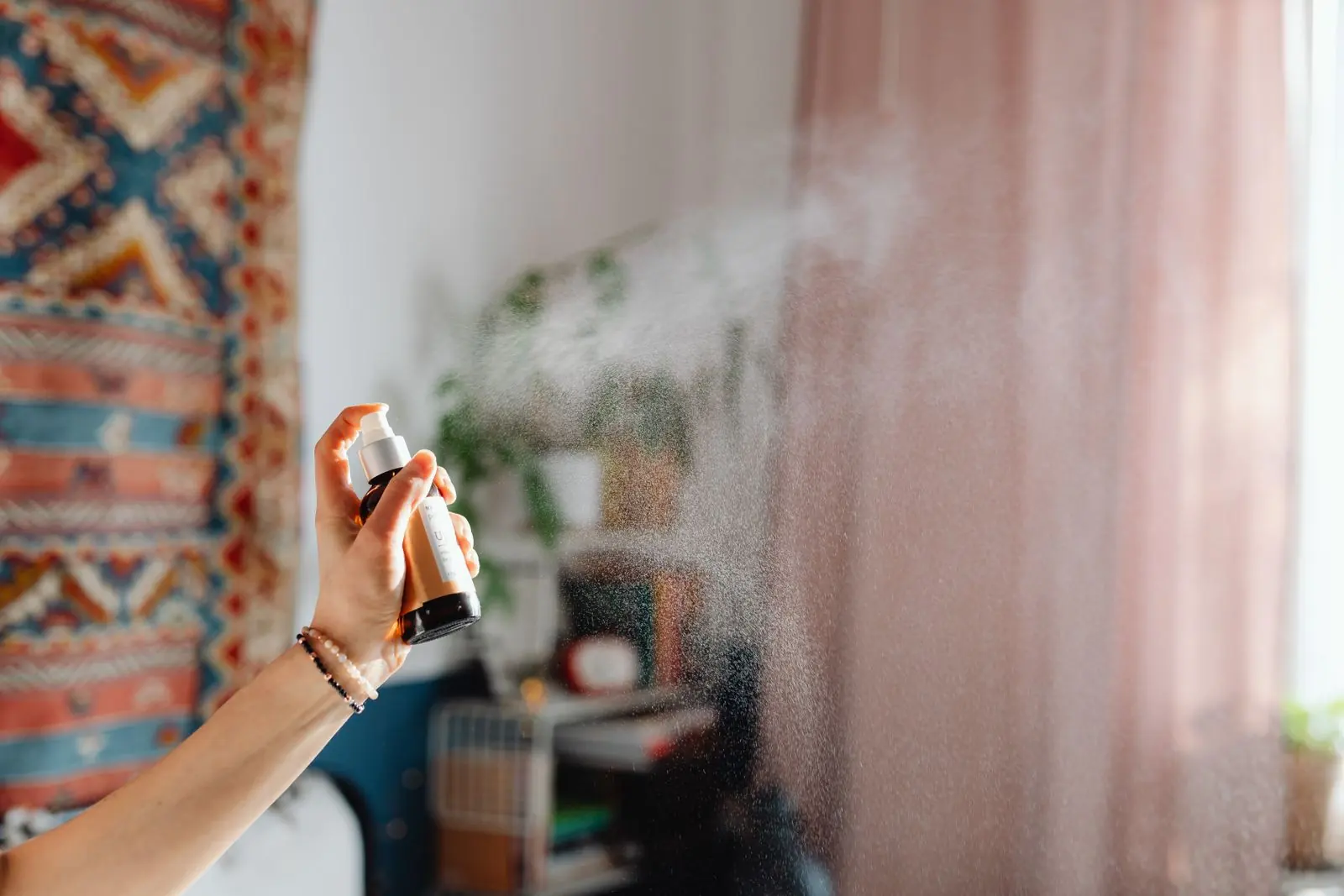
No spray, gel or plug-in is a true dead animal odour eliminator while the carcass is still in the house. What actually removes the smell is taking out the body and anything its fluids have reached, then treating the surfaces with a product that breaks down or oxidises the odour compounds rather than perfuming over them. Fragrance-based products simply mask the problem for a few hours.
This guide sorts the common options into what works, what only hides the smell, and what can make things worse. If the odour is coming from a roof, wall or subfloor you can't get into, our sanitising and odour treatment service covers the removal and the deodorising in one visit.
Masking versus neutralising: the difference that matters
Decay odour is made up of gases released as tissue breaks down. Those molecules drift through the air, but they also settle into anything porous nearby: plasterboard, pine framing, insulation, carpet underlay and fabric. A product can deal with that in one of three ways:
- Masking: adds a stronger, pleasant scent so your nose notices the decay less. Nothing is removed.
- Absorbing: traps odour molecules from the air in a porous material, slowly and only in a confined space.
- Neutralising or breaking down: changes the odour-causing residue chemically or biologically so it stops giving off smell.
Only the third approach deals with the residue itself, and even it can't keep pace with a body that's still decomposing. That's why the order of work matters more than the product you pick.
Products that only mask dead animal smell
These are what most people grab first, and they're the reason many households think the smell is "impossible" to shift.
- Aerosol air fresheners and room sprays. They last minutes to an hour. Sprayed into a wall vent or ceiling gap, they add moisture and a sticky film without touching the source.
- Scented candles, oil burners and plug-ins. Pleasant in a clean room, but next to decay odour the blend often turns sickly.
- Fabric refreshers on carpet or couches. Some contain ingredients that bind odour lightly, yet they can't reach residue that has soaked into underlay.
- Coffee grounds and bowls of vanilla. Popular tips online. They swap one smell for another in a small area and do little else.
None of these are harmful in normal use. They just won't fix anything, and relying on them can delay finding the animal until there are flies or a stain on the ceiling.
What genuinely helps, and where it works best
Once the carcass and soiled material are out, the right product depends on the surface. Here's a quick guide.
| Option | How it works | Best for | Limits |
|---|---|---|---|
| Enzyme-based odour cleaner | Enzymes digest the organic residue left by fluids | Timber, concrete, carpet, tiles | Needs contact time and a damp surface; slower in cold weather |
| Oxygen-based or peroxide cleaner | Oxidises odour compounds and lifts stains | Hard floors, sealed timber, some fabrics | Can lighten coloured carpet; test a hidden spot first |
| Hospital-grade disinfectant | Kills bacteria on the surface | Any hard surface the animal touched | Sanitises but doesn't always remove smell on its own |
| Bicarbonate of soda | Absorbs residual odour | Carpet and fabric after cleaning | Mild; best left overnight then vacuumed |
| Activated charcoal bags | Traps odour molecules from still air | Cupboards, closed rooms, under sinks | Slow; won't help in a ventilated roof space |
| White vinegar solution | Mild acid cuts some odours on hard surfaces | Benchtops, tiles, plastic bins | Its own smell lingers for a day; never mix with bleach |
For a step-by-step on cleaning the actual spot, including protective gear, see our guide on how to disinfect after a dead animal.
A word on bleach
Bleach disinfects well, but it isn't a deodoriser in the way people expect. On porous plaster or raw timber it can leave a chlorine smell layered over the decay. Never combine bleach with vinegar, ammonia or other cleaners, because the mix can release harmful gas.
Professional deodorising: fogging and treatment
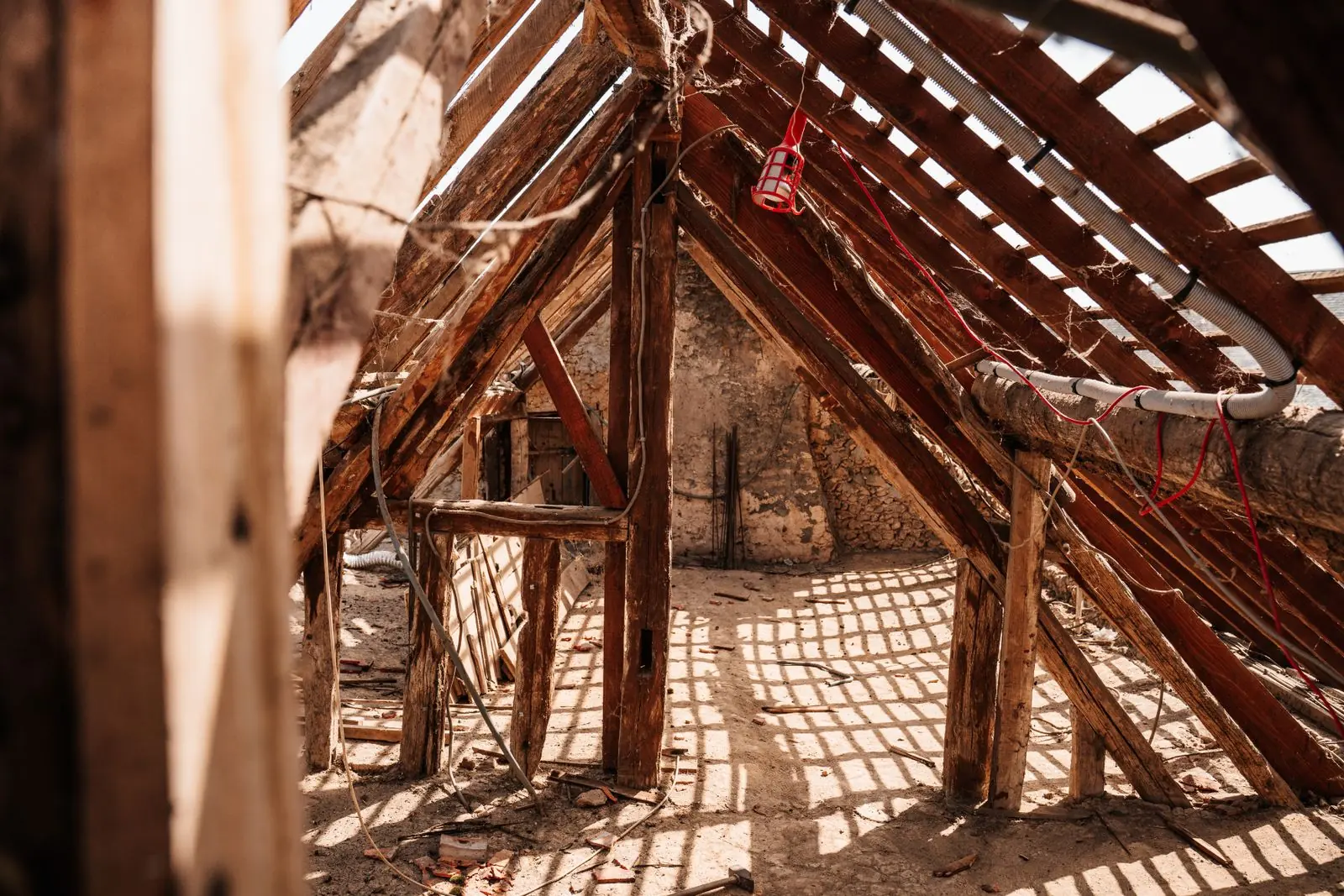
When the source was inside a roof space, cavity or subfloor, the odour has usually spread into places you can't wipe. Professional treatment typically involves:
- removing the carcass, nesting material and any stained insulation;
- applying disinfectant to the timber, plaster and surrounding surfaces;
- fogging a deodorising solution, which turns the liquid into a fine mist that drifts into gaps, around joists and between batts;
- advising on ventilation over the next few days so the last traces can clear.
Some operators also use ozone machines. These can be effective, but ozone irritates the lungs, so rooms must be empty of people, pets and indoor plants while it runs and aired out afterwards. It isn't something to hire and run in a lived-in home without proper guidance.
If you're weighing up whether to do it yourself, our page on dead animal removal cost explains what affects the price of removal plus treatment.
Why the best odour eliminator fails if the source is still there
Treating a room while a possum or rat is still decomposing in the wall is like mopping under a dripping tap. Each day the body releases more gas, so any product you use is overwhelmed within hours. Roughly, a mouse can smell for one to two weeks, a rat for two to three, and a possum for three to six weeks or longer, depending on size and temperature.
If you aren't sure what you're dealing with yet, our guide to what a dead animal smells like helps you rule out drains, gas and rubbish. And if the body has already been taken out but the air still isn't right, why it can still smell after removal walks through the usual culprits, such as a stained batt or a second animal.
Choosing a dead animal odour eliminator for your situation
A simple way to decide:
- Small animal on a hard floor or in a cupboard: remove it, clean with disinfectant, follow up with an enzyme cleaner, then leave a charcoal bag in the space for a week.
- Carpet or rug affected: blot, apply enzyme cleaner and let it work, then bicarb overnight. If fluid reached the underlay, that section usually has to be replaced.
- Roof, wall cavity or subfloor: the carcass and contaminated insulation need to come out first. After that, fogging reaches what you can't. Our broader guide on getting rid of dead animal smell in the house covers the full sequence.
- Smell drifting from heating vents: switch the heater off and have the ducts checked before using any spray near the outlets.
Whatever you choose, open windows when the weather allows. Fresh air does a surprising amount of the final work once the real source is gone, and most homes smell normal again within a few days.
Need it gone today? If the smell won't shift, we'll find the animal, remove it with any soiled material and deodorise the area properly, any time of day or night. Call (03) 9125 4024 or send us a message.