Smells & Finding It
What Does a Dead Animal Smell Like? How to Recognise It
A dead animal smells like rotting meat with a sickly-sweet edge, often mixed with a sour, sulphurous or boiled-cabbage note, and it grows steadily stronger over several days before it fades. If you're asking what does a dead animal smell like compared with mould, rubbish or a drain, the giveaway is a heavy odour that clings to the back of your throat and is worst in one part of the house rather than everywhere. Most people who smell it once never forget it.
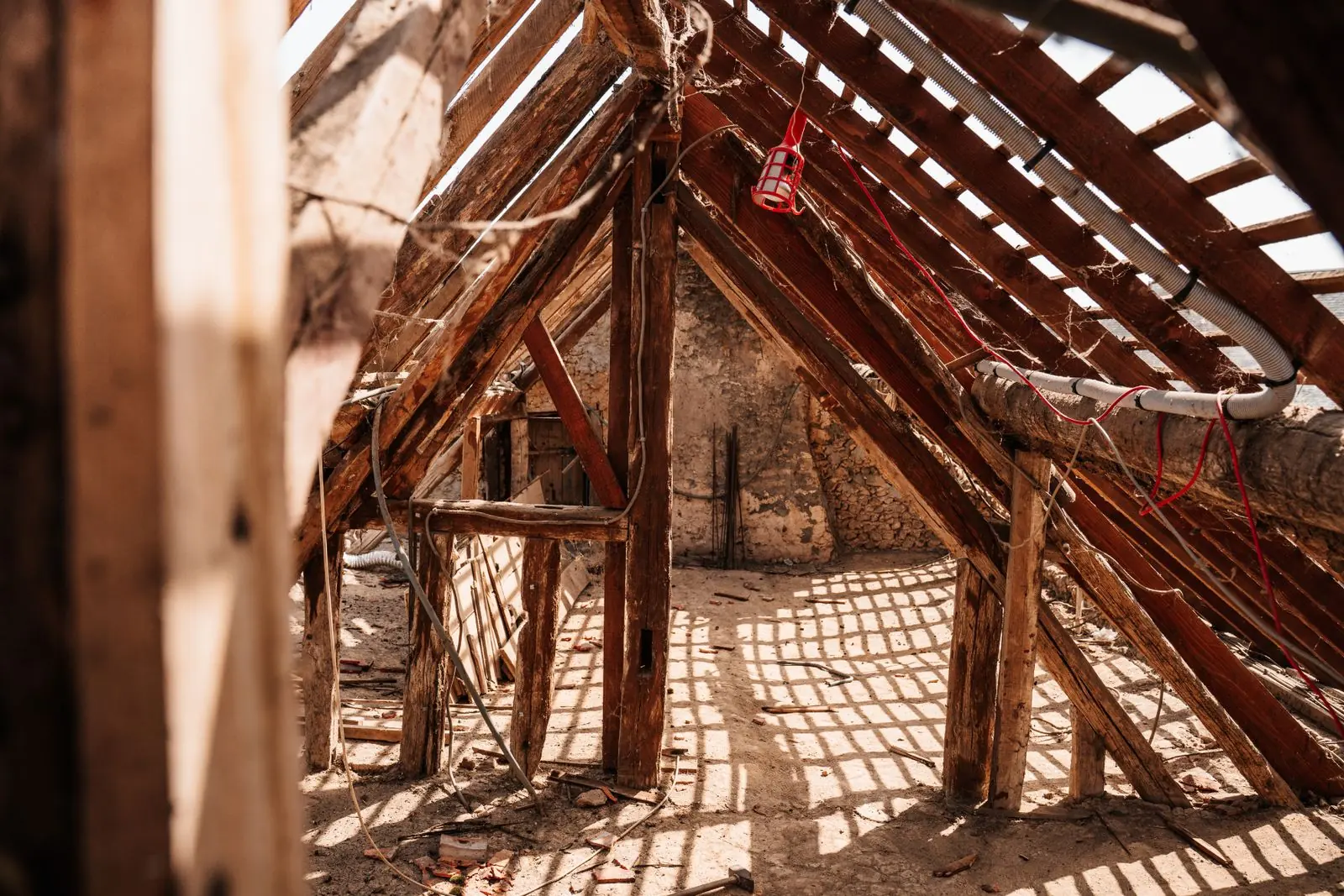
Recognising the odour early matters, because the sooner the source comes out, the less time fluids have to soak into plaster, timber and insulation. If you already suspect a carcass in a wall, roof or subfloor, our dead animal smell removal service in Melbourne can locate it and treat the area. Below is how to tell what you're actually dealing with.
What does a dead animal smell like, exactly?
Everyone describes it a little differently, but the same words keep coming up:
- Sweet and cloying. In the early stage there's a sugary, overripe quality, a bit like fruit forgotten in a hot car.
- Putrid and meaty. Within a day or two a rotten-meat smell takes over and dominates everything else.
- Sulphur or cabbage. Gases released during decay add an eggy or overcooked-vegetable edge.
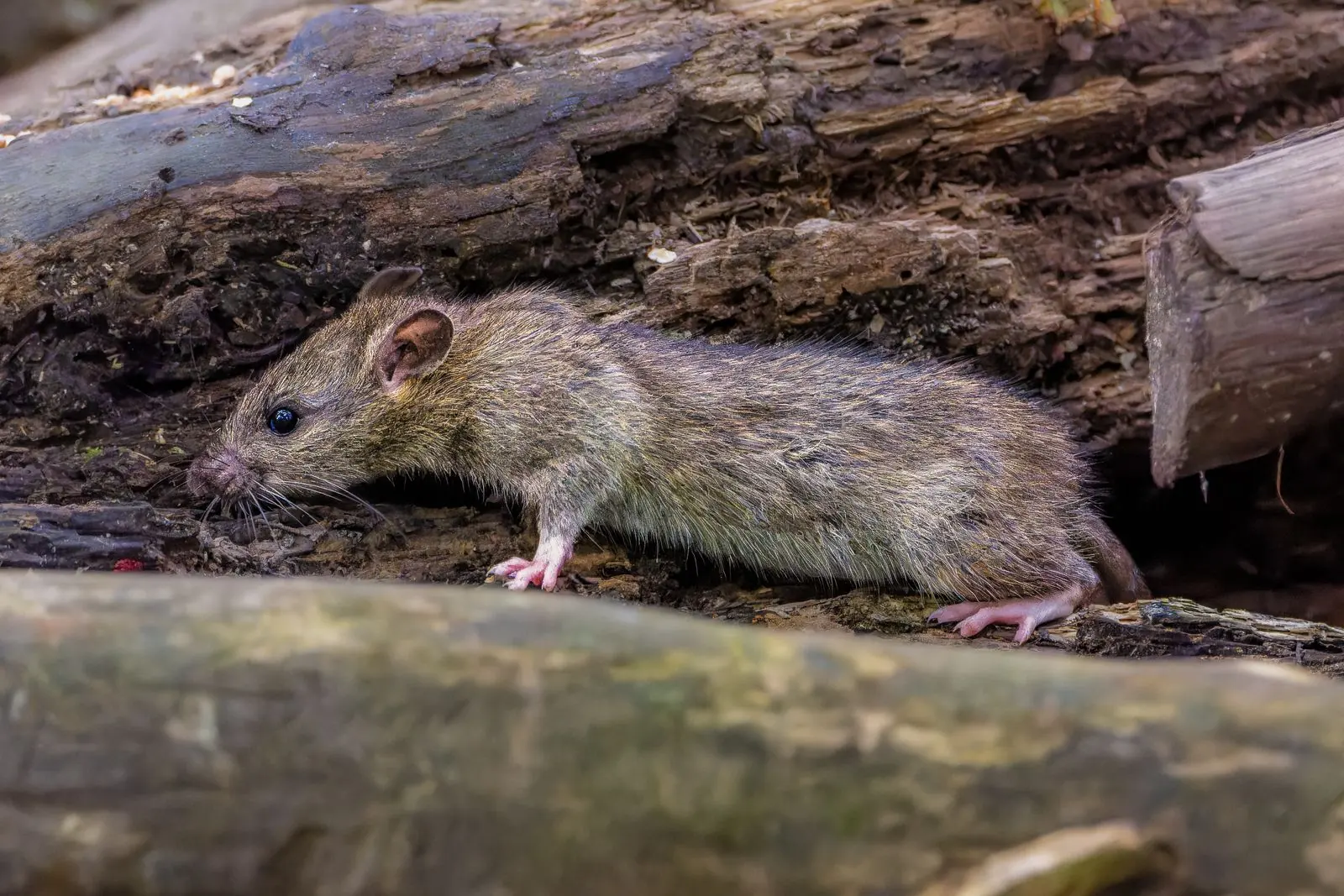
- Sharp and sour. Some people pick up a vinegary tang, particularly when the animal is a small rodent.
- Stale and musty. Once fluids reach insulation or timber, a damp, lingering background smell sits behind the main odour.
The smell also behaves differently from ordinary household odours. It seems to settle into clothing and hair, it can sting your eyes in a closed room, and it tends to set off a gag reflex even in people with strong stomachs.
How the odour changes from day to day
The stench doesn't stay the same. It follows a rough arc as the body breaks down, although the timing shifts with the animal's size, the temperature and how much air reaches it.
| Stage | What you might notice |
|---|---|
| First day or two | A faint sweetness that's easy to blame on the kitchen bin |
| Roughly days three to ten | A strong, heavy rotting smell; blowflies may start turning up |
| The weeks after | The odour peaks, then weakens slowly as the carcass dries |
| Once it has dried out | A flat, musty smell where fluids soaked into building materials |
Size is the biggest factor. Expect something like one to two weeks for a mouse, two to three weeks for a rat, and anywhere from three to six weeks (sometimes longer) for a possum. Our article on how long a dead rat smell lasts covers the rodent timeline in more depth.
Telling it apart from other bad smells
Plenty of household odours get mistaken for a carcass, and a real carcass sometimes gets blamed on something innocent. Some quick comparisons:
- Sewer or drain gas is closer to pure rotten egg, and it usually comes and goes with water use around a sink, shower or floor waste. Our side-by-side guide on dead animal smell versus a drain problem goes through the tests.
- Mould and damp smell earthy and stale, with no sweet or meaty note, and they don't build to a peak.
- Household rubbish can smell similar at first, but the odour vanishes once the bin is emptied and rinsed.
- Possum urine in a roof is sharp and ammonia-like rather than rotten. It suggests a live possum is using the space, not that one has died.
- Natural gas has an added odourant that can also smell eggy. If you think you can smell gas, get everyone outside and ring your gas distributor's emergency line before anything else.
Clues that back up your nose
A smell on its own can mislead you, so look for supporting evidence before anyone cuts into a wall or ceiling:
- blowflies collecting at one window or light fitting, sometimes in numbers that seem to appear from nowhere;
- a yellow-brown stain or damp-looking patch on a ceiling or wall;
- small maggots or empty pupal cases on the floor or windowsill;
- a dog or cat staring at, sniffing or scratching one section of wall;
- scratching noises at night that suddenly stopped a week or so ago;
- rodent bait laid recently by you, a neighbour or a pest controller.
When two or three of these line up with the odour, a dead animal is very likely. Our step-by-step method for tracking a hidden dead animal by smell explains how to narrow it down to one spot.
Why it seems worse at certain times
A lot of people notice the rotting smell is strongest on a warm afternoon, when the heater comes on, or first thing in the morning after the house has been closed up. Warmth speeds up decay and pushes odour out of the roof space, and shut windows let it build. A carcass in the ceiling during a Melbourne summer can go from barely noticeable to overwhelming in a day. The reasons are explained in why dead animal smell gets worse in hot weather.
Ducted heating is another common trigger. Rodents get into the ducts or the return-air box and die there, and the system carries the odour into every room the moment it starts.
Is the smell itself dangerous?
For most healthy adults the odour is unpleasant rather than harmful, though it can bring on nausea, headaches and a scratchy throat in a poorly aired room. The larger risks sit with the carcass: flies and maggots carry bacteria away from it, rats can carry leptospirosis and salmonella, and decomposition fluids can soak into building materials. Young children, anyone with asthma and anyone who is pregnant may want to keep out of the worst room until it's dealt with. There's more on this in is dead animal smell harmful.
Resist the urge to cover it with air freshener, and never spray one into a wall cavity. It only layers perfume over rot and makes the source harder to find.
What to do once you've recognised it
- Switch off ducted heating, fans and air conditioning so the odour isn't pushed through the house.
- Air the place out, then walk room by room to find where the smell is strongest.
- Check the easy spots first: under appliances, behind the washing machine, along the garden beds next to the house and under the deck.
- Found something small within reach? Put on disposable gloves and a P2 mask, seal the body inside two bags and drop it in the red-lid bin for general rubbish.
- If it's inside a wall, roof or subfloor, or you simply can't find it, call a removalist rather than cutting holes at random.
Pricing for a professional job hinges on the carcass location, the access involved and the scale of the clean-up. Our dead animal removal cost page explains the factors.
Need it gone today? If you can smell it but can't reach it, we'll find the source, remove it and deodorise the area, often the same day. Call (03) 9125 4024 or send us a message.