Smells & Finding It
Why Dead Animal Smell Gets Worse in Hot Weather
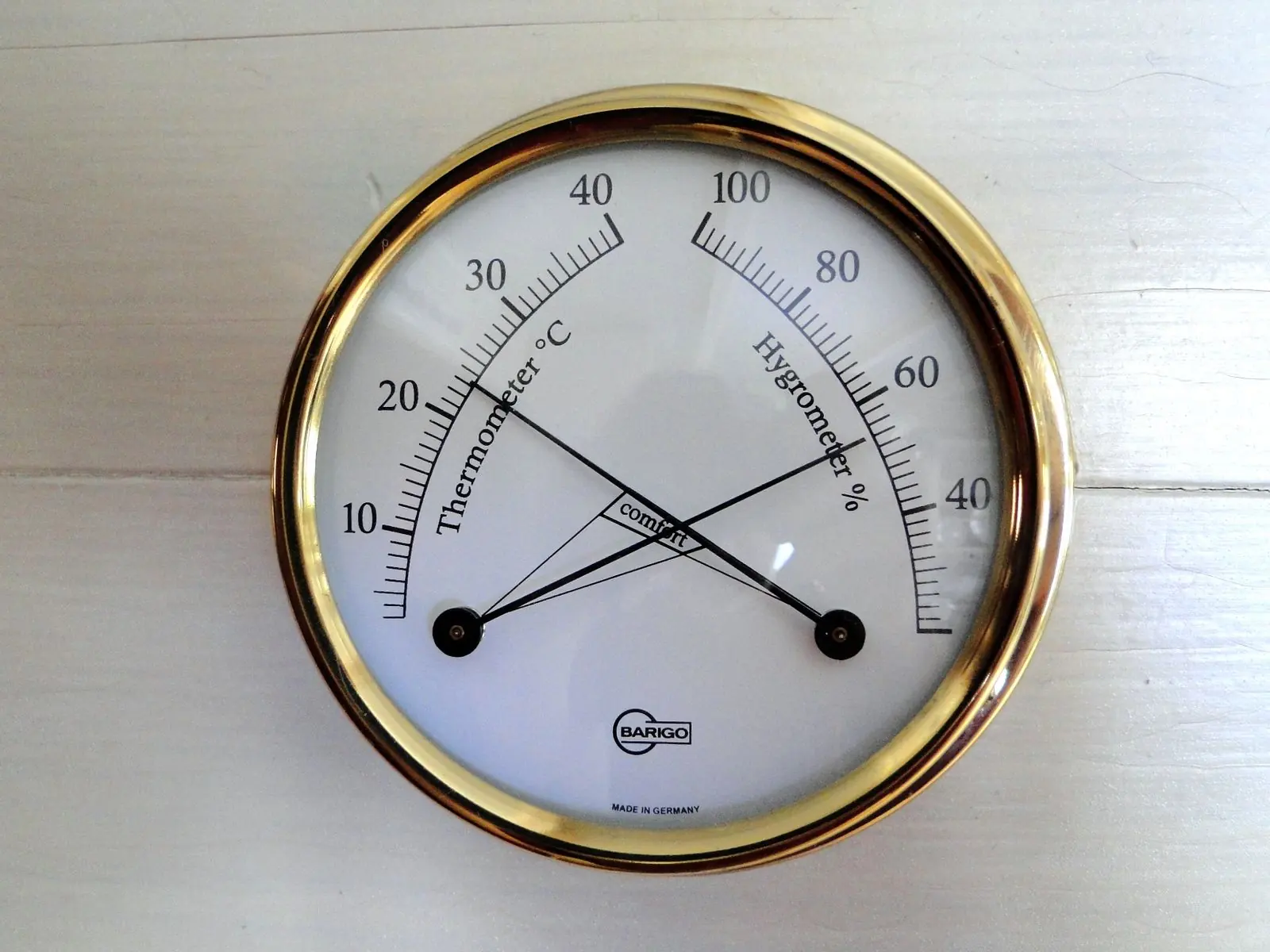
Dead animal smell gets worse in hot weather because heat speeds up the bacteria that break a body down, and warm air carries the gases they release much further and faster. A roof space on a Melbourne summer afternoon gets far hotter than the rooms below, so a possum or rat lying in the ceiling can go from faint to overpowering within a day. The overall smell period may be a little shorter in heat, but it's considerably more intense while it lasts.
If you're dealing with a dead animal smell in hot weather right now, the best move is to get the source out early rather than wait for it to "cook off". Our dead animal smell removal service locates the carcass, removes it and treats the area. Below, we explain what's happening and how to manage it in the meantime.
What heat does to a carcass
Decomposition is mostly the work of bacteria, and bacteria multiply much faster as temperatures rise. In cool conditions a small animal may break down slowly over weeks. In a hot ceiling cavity, the same process accelerates dramatically.
As the tissue breaks down, it releases gases including compounds with names like putrescine and cadaverine, along with sulphur-based gases. Heat makes these evaporate more readily, which is why the odour seems to leap out at you on a warm day. It also builds pressure inside the body, so fluids are released sooner and can soak into plaster, timber and insulation.
Why roof spaces are the worst
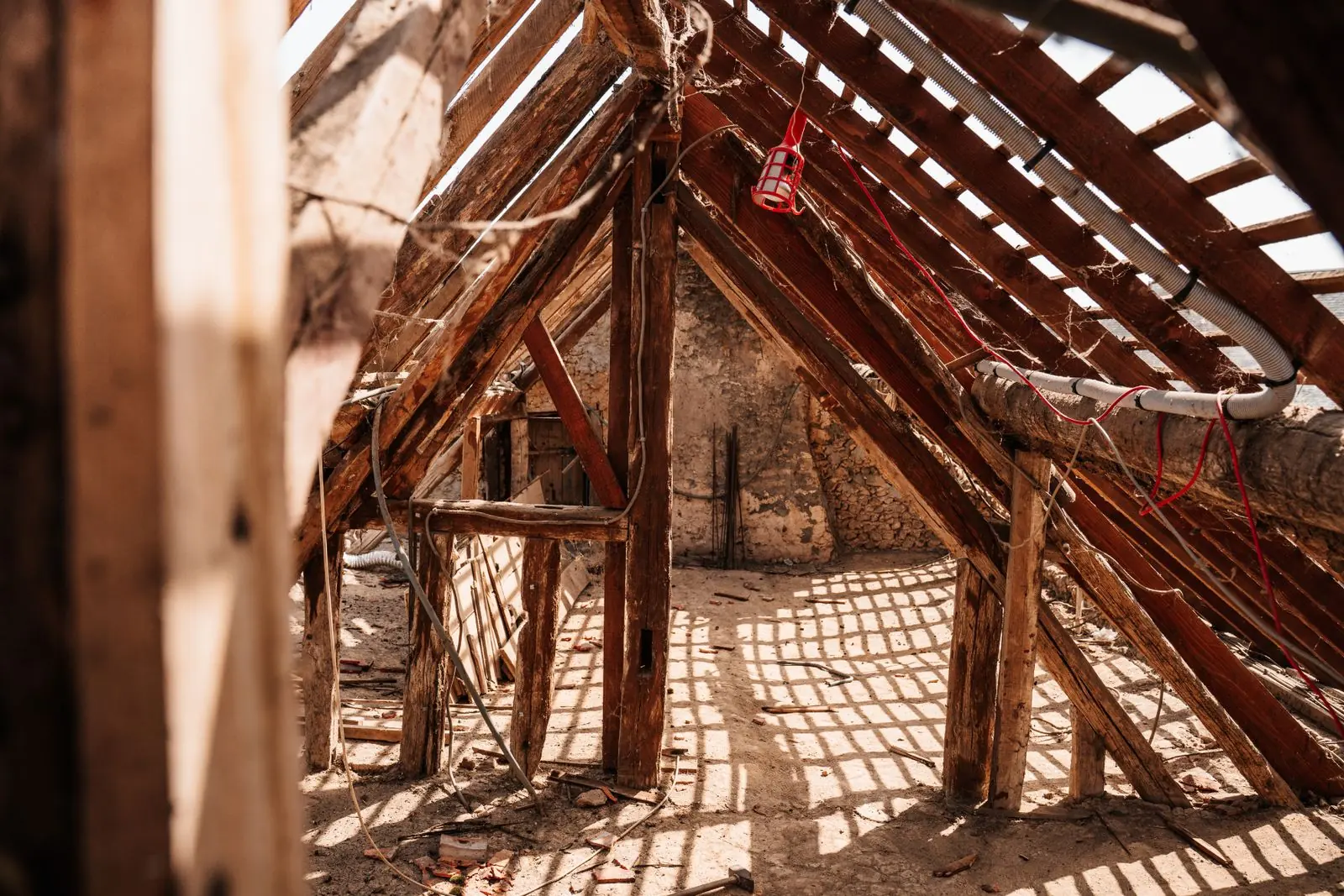
On a sunny day, the air under a tiled or metal roof can become much hotter than the outside temperature, and well above what you feel inside the house. Insulation keeps that heat up there. Any animal that dies in the roof, between the ceiling joists or on top of the insulation is effectively sitting in an oven.
That heated air also wants to go somewhere. It finds the gaps around downlights, exhaust fans, cornices and manholes, and pushes the odour down into the rooms. People often notice the smell is mild in the morning, terrible by mid-afternoon and better again after dark. For possums in particular, our guide to how long a dead possum smells sets out the typical timeline.
Flies and maggots arrive faster too
Blowflies are far more active in warm weather, and they can find a carcass very quickly, even one hidden in a wall or ceiling. Their life cycle also speeds up with heat. That means:
- more flies appearing at windows and lights, often in one room;
- maggots developing sooner and sometimes dropping through gaps in the ceiling;
- pupae and new flies hatching inside the house within a short time.
If you're seeing this, our articles on sudden blowflies in the house and maggots falling from the ceiling explain what to do. Flies carry bacteria from the carcass onto food and benchtops, so cover food and keep kitchen surfaces clean.
Melbourne's changeable weather makes it confusing
Melbourne summers can swing from a hot northerly to a cool change within hours. When the temperature drops, a hidden carcass may seem to stop smelling almost overnight, and people assume the problem has gone. The next hot day it comes roaring back. That pattern alone is a useful clue: a smell that rises and falls with the temperature is very often coming from the roof.
Winter has its own version. With the heating running, warm air moves through ducts, subfloors and wall cavities, and a rodent that died near the ducting can be just as noticeable as a summer roof carcass. Whatever the season, bigger animals smell for longer. A mouse might last a week or two, a rat two or three, and a possum upwards of three weeks, with temperature nudging those figures either way.
Managing the smell during a heatwave
While you're arranging removal, a few steps can make the house more bearable:
- Ventilate at the cool end of the day. Open windows early in the morning and in the evening, then close up as the day heats. That flushes the house without pulling extra hot air in from the roof.
- Close off the worst room. Keep the door shut and put a rolled towel along the gap underneath.
- Turn off ceiling exhaust fans in that room. They can draw air down from the roof space through gaps around their housings.
- Don't run ducted heating or evaporative cooling until you've ruled out the ductwork as the source, as both can move odour around the house.
- Skip the air freshener. Spraying perfume, especially into a wall or ceiling, only masks the odour and makes the source harder to locate.
Our guide to what actually removes dead animal odour covers which products help once the animal has been taken away, and which simply cover the smell up.
Stay out of the roof on hot days
It's tempting to climb up and look, but a roof space on a hot afternoon can be dangerous. The heat can cause dizziness and heat exhaustion within minutes, there's a real risk of stepping through the ceiling between joists, and you'll be breathing air full of insulation fibres and decomposition gases. If you do want to check, go up early in the morning, wear a P2 mask and disposable gloves, take a good torch, and tell someone you're up there.
Never pull up roof tiles to look from outside, particularly in rain or on a hot, slippery surface. If you can't see the animal from the manhole, it's time to call someone with the right equipment.
Why acting early in summer pays off
The faster decomposition happens, the more fluid and odour soak into the ceiling and insulation. Removing the animal early usually means less soiled material to take away, less staining and a quicker recovery once the area is treated. Most of the remaining smell then clears within a few days.
For a roof job in summer, the price reflects the carcass position, the difficulty of reaching it and the amount of insulation to be swapped out. The dead animal removal cost page explains the factors, and you can learn more about recognising the odour in what a dead animal smells like.
Need it gone today? If the heat has turned a faint smell into an unbearable one, we'll find the animal, remove it and treat the area, often the same day. Call (03) 9125 4024 or send us a message.