Health & Safety
Your Dog Found (or Ate) a Dead Animal: Risks and What to Do
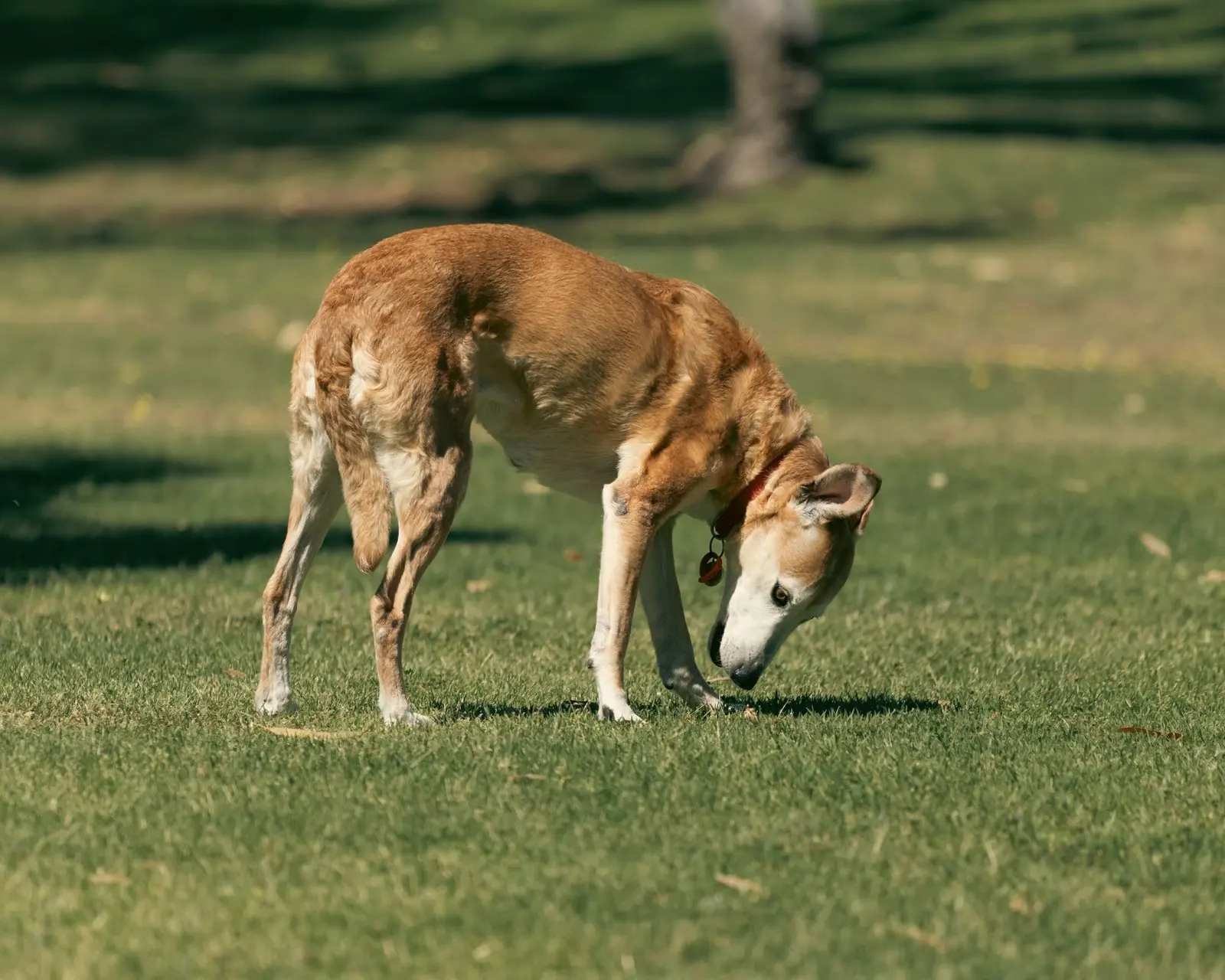
If your dog ate a dead animal, ring your vet for advice, and do it straight away if the animal could have been a baited rat or mouse, because rodent poison can pass to a dog that eats the carcass. Don't wait for symptoms to appear. Note what the animal was, roughly how much your dog ate and when, then follow your vet's instructions.
Dogs are drawn to dead things by scent, so this happens a lot in Melbourne backyards, parks and on beaches. This guide covers the first hour, the main risks and how to clear the yard so it doesn't happen again. If the carcass is somewhere awkward or you'd rather not handle it, our carcass removal service can collect it for you.
First steps if your dog ate a dead animal
- Get your dog away from it. Bring them inside or close them into another part of the yard so they can't go back for more.
- Don't try to make your dog vomit unless your vet tells you to. Home remedies can do harm.
- Call your vet. Outside business hours, phone an emergency animal hospital. Tell them what species you think it was, how much was eaten and when.
- Think about bait. Have you or a neighbour laid rat bait recently? Mention it, and keep the packet for the vet if you have it.
- Keep what's left. Bag any remains while wearing gloves rather than throwing them out immediately; the vet may want to know what it was.
- Watch your dog closely and report any change to your vet.
Secondary poisoning: why baited rodents are the main worry
Rats and mice that have eaten bait don't always die near where it was laid. They often wander, and some end up in garden beds, under sheds or out in the open where a dog sniffs them out. A dog or a bird of prey that eats a poisoned carcass can be poisoned too. This is known as secondary poisoning.
Signs of poisoning aren't always obvious straight away, so a dog can seem perfectly normal for a while after eating a baited rat. That's why vets generally prefer to hear from you early, while there's time to act. Only your vet can judge the risk for your dog.
If baiting is going on next door or down the street, our article on dead rats in your yard from neighbours' baits has tips for talking with neighbours and checking your property. For baiting inside your own home, see rats dying in the walls after baiting.
Other risks from eating or mouthing a carcass
Even an animal that wasn't poisoned can upset a dog. Decomposing flesh carries bacteria, and dogs that eat it may end up with vomiting or diarrhoea. Other things worth mentioning to your vet:
- Bones, fur and feathers: small bones can splinter, and a big mouthful of fur or feathers can be hard to pass.
- Maggots and flies: a carcass that's been lying out for a while is covered in insects that carry bacteria.
- Rats: rats can carry leptospirosis and salmonella, so ask your vet whether either is a concern for your dog.
- Bats: tell your vet if your dog has picked up or mouthed a bat. Some Australian bats carry Australian bat lyssavirus, and you shouldn't touch the bat with bare hands.
- Wild rabbits: dead wild rabbits may have died of rabbit haemorrhagic disease virus, which is a threat to pet rabbits. Keep the carcass well away from any rabbits you own; our guide to a dead wild rabbit in the yard explains more.
If your dog rolled in it instead
Rolling in something dead is normal dog behaviour, however frustrating it is. It's usually a bath job rather than a vet visit, unless your dog also ate some or the animal could have been baited.
- Put gloves on before handling your dog.
- Wash them outdoors if you can, using a dog shampoo worked right down to the skin.
- Pay extra attention to the neck, shoulders and face, where dogs usually rub first.
- Wash the collar, harness and any towels in hot water.
- Scrub your own hands and forearms well afterwards.
If your dog develops itchy or red skin, sore eyes or seems off afterwards, check with your vet.
Removing the carcass safely
Once your dog is secured, get the carcass off the ground so they can't return to it. With a small animal such as a rat, mouse or bird, you can usually do this yourself:
- Wear disposable gloves and a P2 mask.
- Use a shovel, or turn a plastic bag inside out over your hand and lift the animal through the bag.
- Double-bag it, tie it off and place it in the general waste (red-lid) bin, never the recycling or green-waste bin.
- Hose or wipe the spot, then wash your hands thoroughly.
Our step-by-step guide to safely picking up a small dead animal goes into more detail. Never lift a dead snake by hand, as a freshly dead one can still bite by reflex. For bigger animals, carcasses under decks or sheds, or anything you'd prefer not to touch, give us a call.
Stopping it happening again
A few habits lower the chance of a repeat:
- Walk the yard each morning before letting your dog out if rodents or baiting are an issue nearby.
- Check under decks, behind sheds and along fence lines, where dying animals often shelter.
- If you use rat bait yourself, keep it in enclosed bait stations out of pets' reach, follow the label and pick up dead rodents quickly.
- Ask neighbours to let you know when they put bait down.
- Keep compost and bins sealed so they don't attract rats to begin with.
- Practise a reliable "leave it" command, which helps a great deal on walks too.
Need it gone today? If there's a carcass your dog keeps returning to, under the deck, behind the shed or anywhere hard to reach, we can collect it and clean the spot, often the same day. Call (03) 9125 4024 or send us a message.