Health & Safety
How to Clean and Disinfect After a Dead Animal
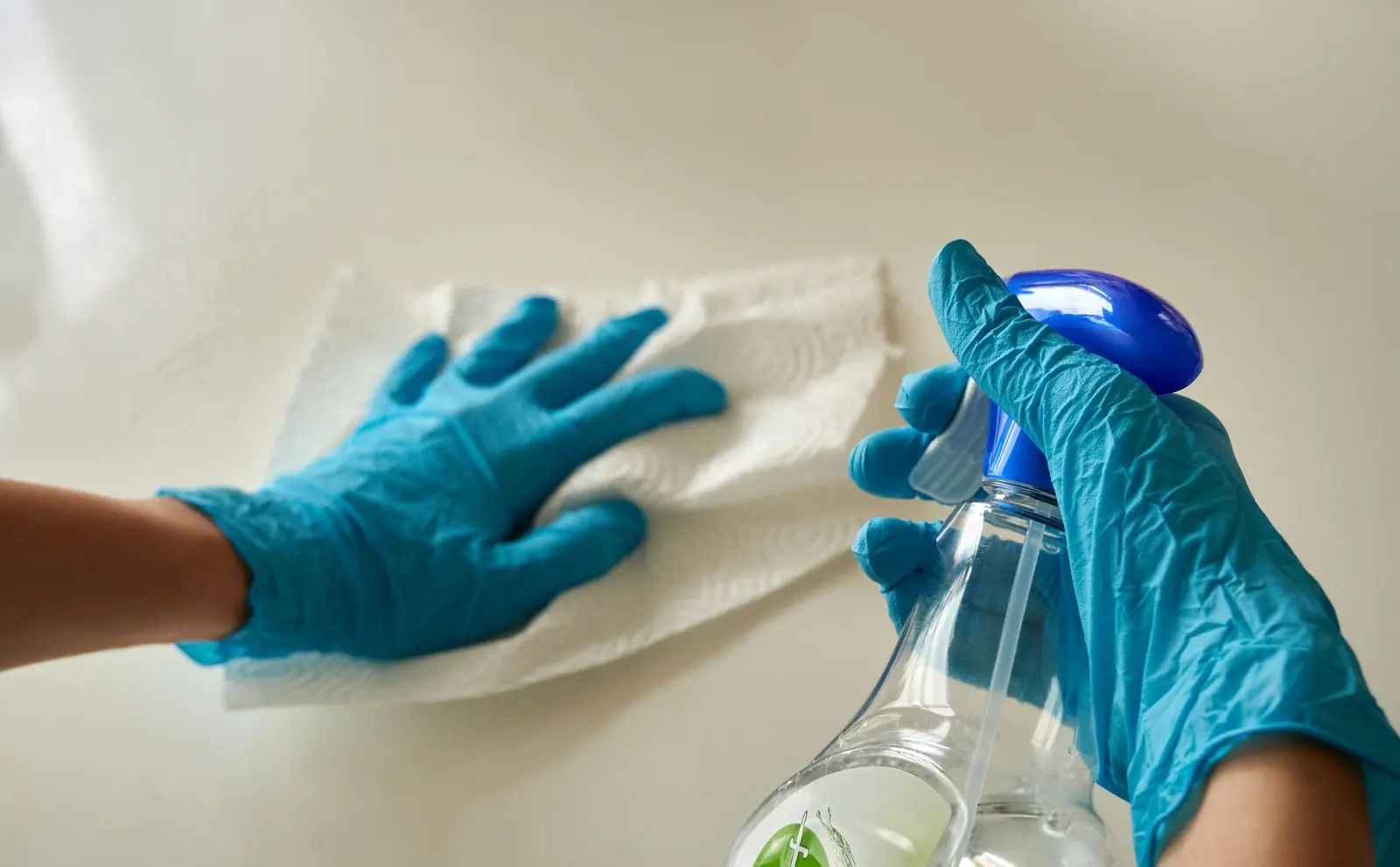
To disinfect after a dead animal, take away the body and anything it soaked into, wash the surface with detergent and water first, then apply a disinfectant and leave it wet for the contact time shown on the label before wiping or rinsing. Cleaning and disinfecting are two separate steps, and skipping the first is the most common reason disinfectant fails. Wear gloves and a P2 mask throughout.
The right method depends on the surface. A tiled floor is simple; carpet, timber and plaster are harder because fluids sink in. This guide works through each surface and explains when a professional sanitising and odour treatment is the better choice, particularly for roof spaces and wall cavities.
Before you start: gear and set-up
- disposable gloves, with heavier rubber gloves over the top for scrubbing;
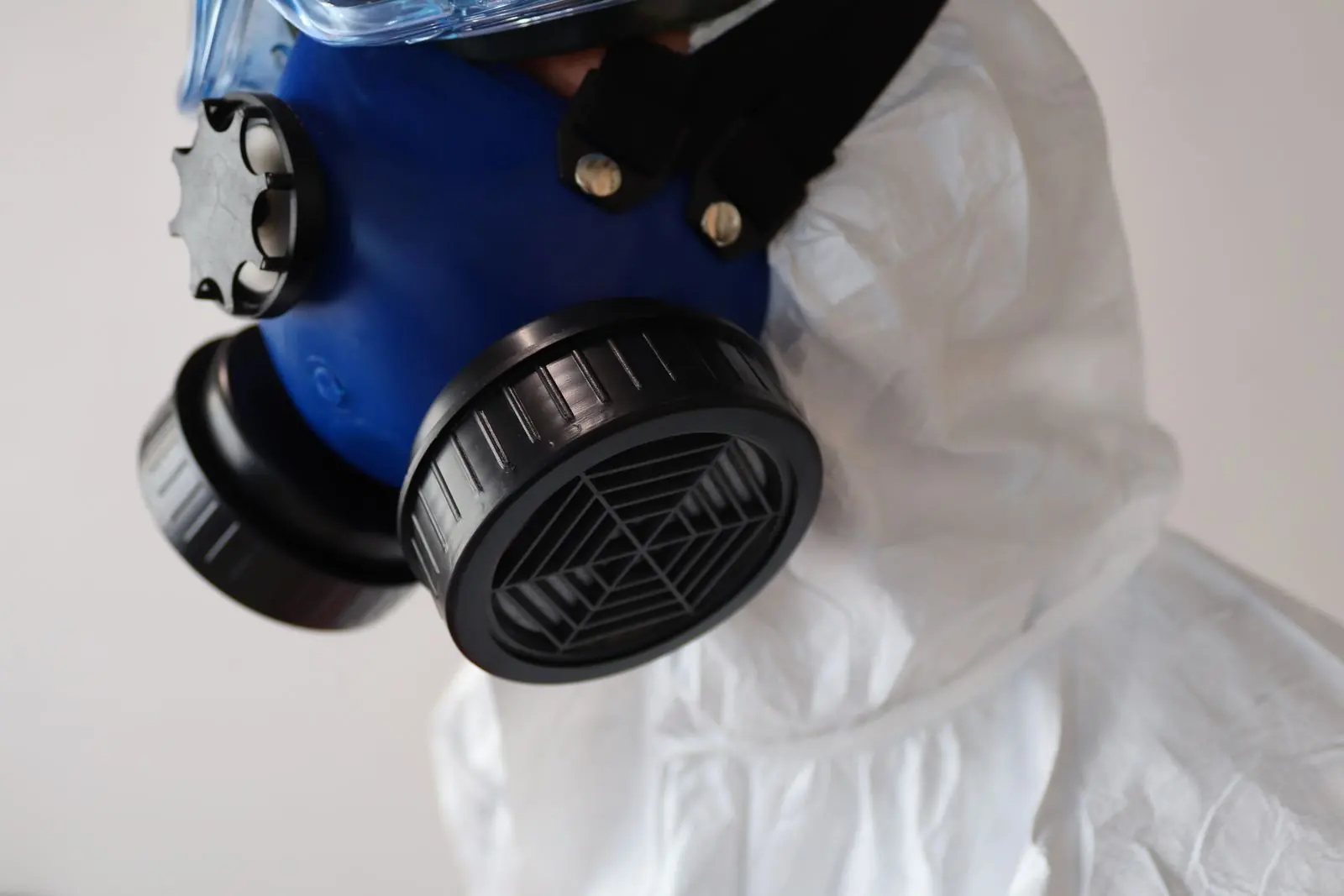
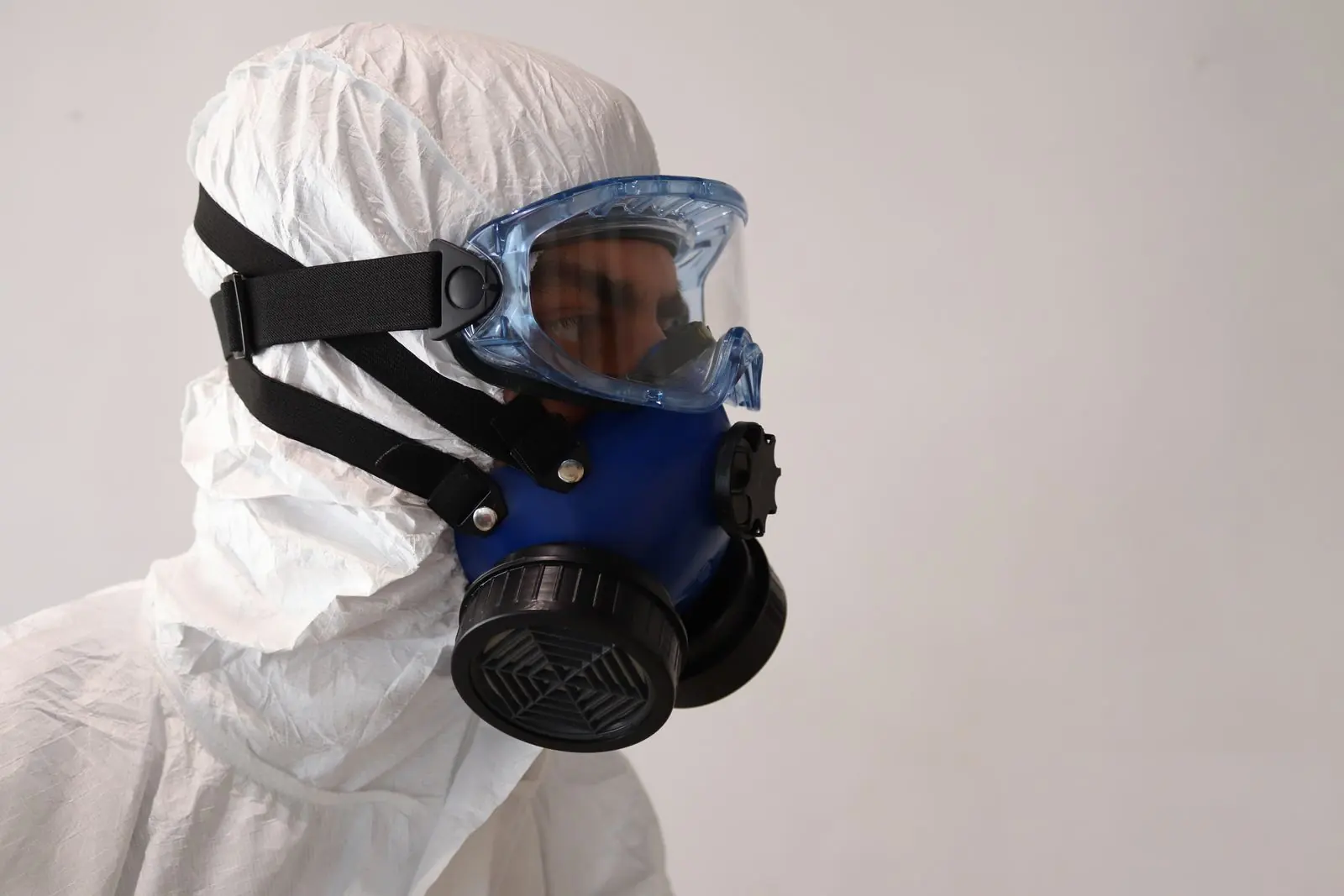
- a P2 mask, plus eye protection if you'll be spraying or working overhead;
- old clothes you can put through a hot wash straight afterwards;
- heavy-duty garbage bags, paper towel and disposable cloths;
- a bucket of warm water with household detergent;
- a disinfectant suited to the surface, used exactly as the label directs.
Keep kids and pets out of the area until you've finished and everything is dry. Open windows for airflow. Read the label of every product before you begin, and never combine bleach with other cleaning products, since some mixtures release harmful fumes.
The carcass itself should already be gone. If it isn't, start with how to safely pick up and dispose of a small dead animal.
How to disinfect after a dead animal: the basic method
Whatever the surface, the sequence stays the same.
- Clear debris. Pick up fur, droppings, nesting material and any maggots with paper towel and bag them. Lightly dampen dry droppings first; sweeping them or using a household vacuum can throw dust into the air.
- Clean. Scrub with detergent and warm water to lift fluids, grease and organic matter. Disinfectant struggles to work through grime.
- Rinse or wipe with clean water and a fresh cloth.
- Disinfect. Apply the product and leave it for the full contact time on the label. This is the step people rush.
- Dry. Wipe off or air-dry as directed, and keep the space ventilated.
- Bag everything. Cloths, paper towel, gloves and debris go into a tied double bag for the general waste (red-lid) bin.
- Wash up. Wash your hands and forearms thoroughly with soap, then launder your clothes.
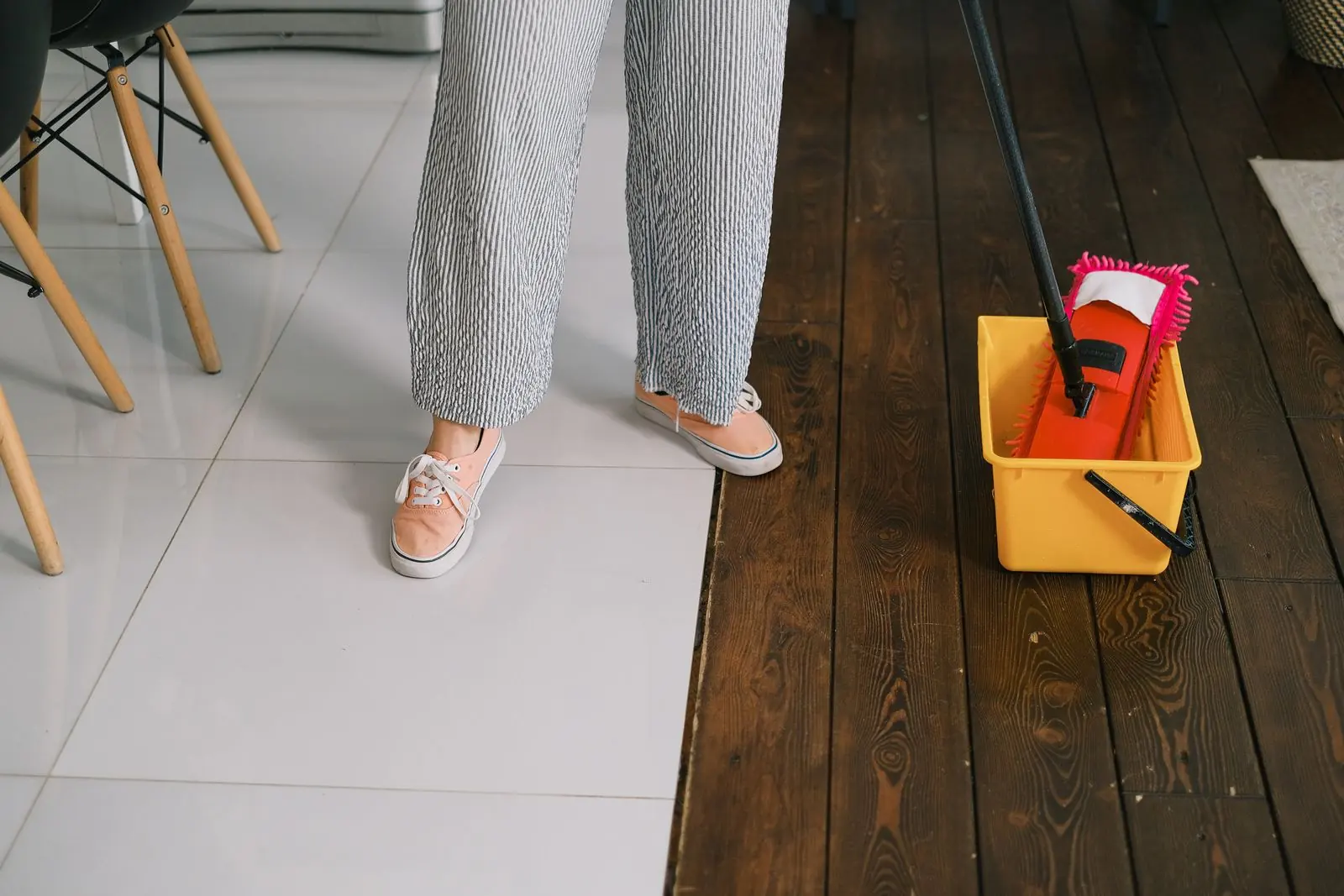
Surface by surface
Tiles, vinyl, laminate and benchtops
These are the easiest. Follow the method above and pay attention to grout lines and the edge where the floor meets the skirting, because fluid tends to pool there. Check that your disinfectant is safe for stone before using it on a stone benchtop.
Concrete, pavers and garage floors
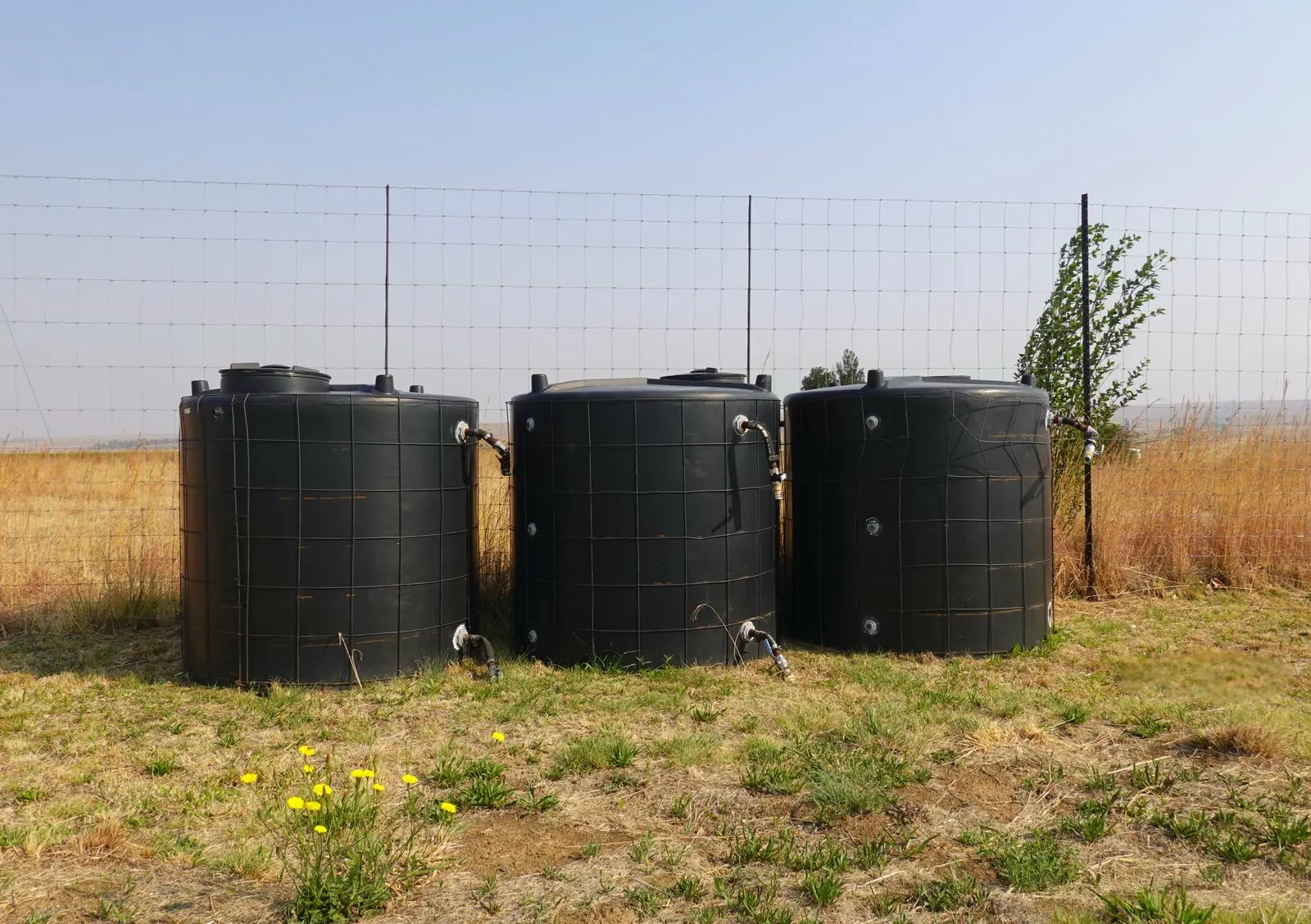
Porous concrete holds both fluid and odour. Scrub with detergent and a stiff brush, rinse, then disinfect. A mark may remain even once the area is clean. Don't hose contaminated water into garden beds, a pool or stormwater drains, and keep it well away from rainwater tanks; mop it up and bag the material where you can.
Carpet and rugs
Blot up as much as possible, then clean with a carpet-safe product. If fluid has gone through to the underlay, the smell usually returns, because underlay behaves like a sponge. In that case the affected section of carpet and underlay often has to be lifted and replaced. Good rugs can sometimes be professionally washed; small, inexpensive mats are better thrown out.
Fabric, bedding and soft toys
Wash on the hottest cycle the care label allows, separate from other laundry, and dry completely in the sun or a dryer. Anything soaked that can't be washed is usually best bagged and binned.
Timber, plaster and insulation
This is where doing it yourself gets hard. Raw timber joists, plasterboard and insulation absorb decomposition fluids, and you can't simply scrub them clean. Stained plaster often needs sealing or replacing, and soiled insulation has to be removed and bagged. In a roof space or subfloor you're also working in a cramped, dusty spot. This is the part of the job we handle most: lifting soiled insulation and nesting material, sanitising the timber and treating the odour.
Mistakes to avoid
- Spraying air freshener or disinfectant into a wall cavity and hoping. It won't reach the source and just layers another smell on top.
- Painting over stained plaster without a sealer, since the stain and odour often bleed back through.
- Running a household vacuum over droppings or nesting material.
- Putting contaminated waste in the recycling or green-waste bin.
- Cutting the contact time short. A quick spray-and-wipe often isn't enough.
Dealing with any smell that's left
A thorough clean removes most of the odour. If some lingers, the cause is usually something missed: fluid in underlay, a soaked joist, nearby insulation or a second animal. Once the source and soiled material are gone, most of the smell typically fades within a few days. If it doesn't, our article on why it can still smell after removal explains where to look next. For a comparison of deodorisers, enzyme products and fogging, read what actually removes dead animal odour, and for general airing tips see getting rid of dead animal smell in your house.
If the animal died in water, such as a pool or tank, the approach is different; see a dead animal in your pool or rainwater tank.
When to call a professional
- the animal was in the roof, a wall cavity or under the floor;
- insulation, plaster or timber is stained or soaked;
- there were maggots or lots of flies;
- the animal was large, such as a possum, cat or fox;
- someone at home is pregnant, very young, elderly or has a breathing condition;
- you'd simply prefer not to do it.
If you're tackling it yourself, the Better Health Channel offers general hygiene information that's worth a read first.
Need it gone today? If fluids have reached the insulation, plaster or subfloor, we can remove the soiled material, sanitise the area and deodorise it properly, often the same day. Call (03) 9125 4024 or send us a message.