Health & Safety
Is It Safe to Stay Home With a Dead Animal Smell? Babies, Pregnancy and Asthma

For most households, staying home while there's a dead animal smell is usually fine for a short time, provided nobody touches the source and the affected room is shut off. Is it safe to sleep with dead animal smell nearby? Healthy adults generally get through a night or two without trouble, but if a baby, a pregnant person or someone with asthma lives with you, move their bed away from the odour and get the source removed quickly. For any medical concern, speak to your GP.
This is general information, not medical advice. It focuses on practical arrangements: who sleeps where, how to air the house without spreading the problem, and when a few nights somewhere else makes sense. What actually ends it is getting the carcass out and having the area treated through a proper sanitising and odour treatment service.
A quick way to decide: stay, swap rooms or go elsewhere
| Situation at home | Sensible approach |
|---|---|
| Faint smell in one room, healthy adults only | Close that room, air the rest of the house and arrange removal |
| Strong smell in a bedroom | Sleep in another room with the door shut until it's sorted |
| Baby or toddler's room affected | Shift the cot to a room well away from the smell straight away |
| Someone with asthma or a breathing condition | Keep them clear of the area and follow any plan from their doctor |
| Flies, maggots or fluid stains in living areas | Keep everyone out of that space and get professional help promptly |
| Smell spread through the house by the heating | Switch the heating off, air the home, and consider staying elsewhere if it's overwhelming |
These are common-sense steps rather than rules. You know your household best, and if anyone feels unwell, your GP is the right person to ask.
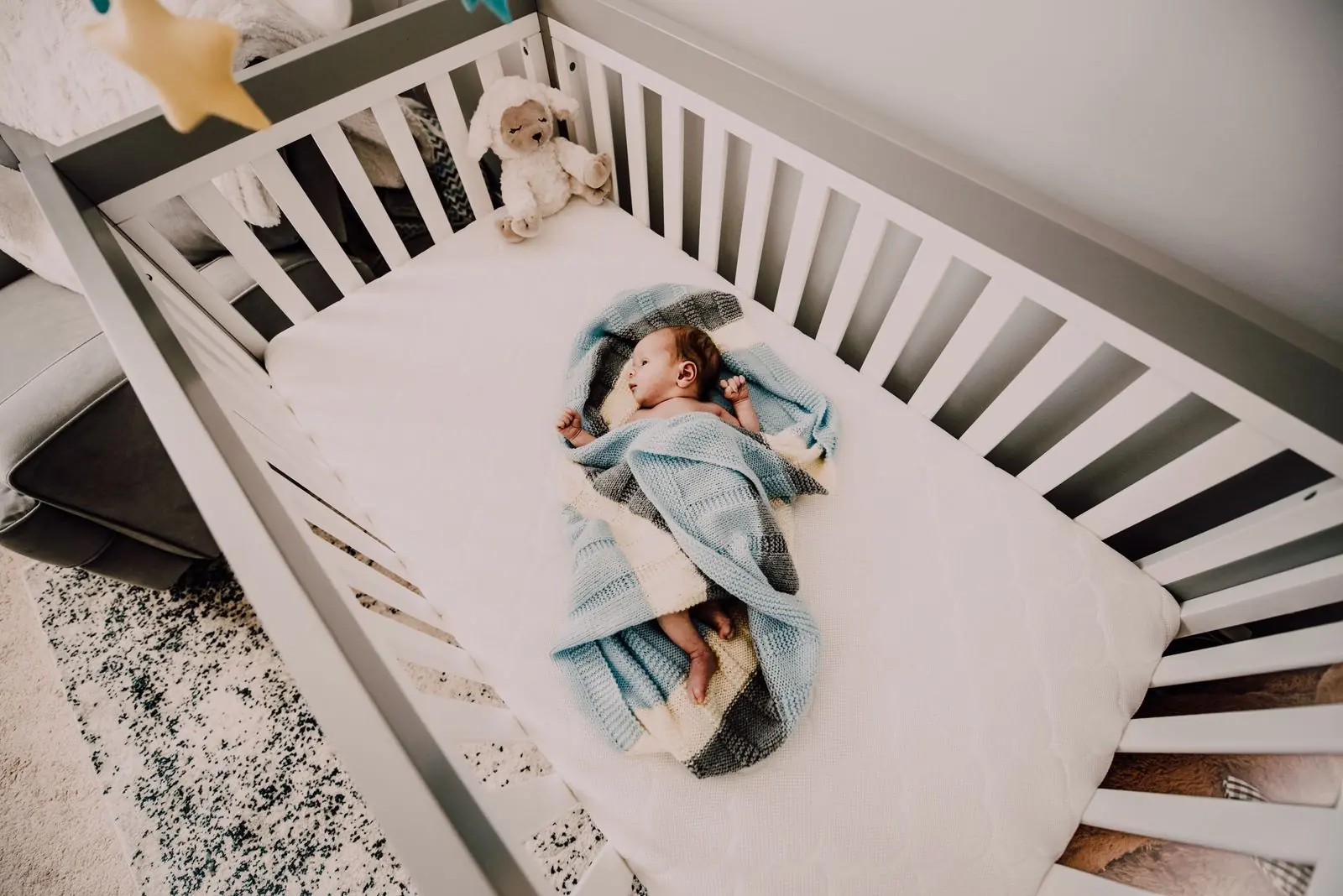
Babies and young children
Little ones are the household members most likely to crawl near a source, put things in their mouths and touch surfaces flies have landed on. The odour is mostly an unpleasant nuisance, but the area around a carcass can carry bacteria, so the aim is distance and clean surfaces.
- Move the cot or bed to the far side of the house if you can.
- Keep the affected room's door closed, with a rolled towel along the gap if flies are getting out.
- Wipe down benches, high chairs and toys in nearby rooms if you've spotted flies.
- Skip strong fragrances, plug-ins and scented candles in a child's room; they add to what everyone breathes without fixing anything.
If your baby seems unwell, isn't feeding properly or you're simply worried, contact your GP or maternal and child health nurse rather than waiting it out.
If you're pregnant
Lots of people find smells much harder to tolerate during pregnancy, so nausea from a decomposition odour can hit harder than usual. The practical advice is to hand any handling and cleaning to someone else.
- Don't pick up, bag or clean up after the animal yourself; ask a partner, a friend or a professional.
- Stay out of the affected room and keep it closed.
- Get outside into fresh air if the smell is making you queasy.
If you have questions about infection risks while pregnant, raise them with your GP or midwife. They can give advice that fits your circumstances, which a general guide like this can't do.
Asthma and other breathing conditions
Strong odours can set off symptoms in some people with asthma, and so can dust disturbed from a roof space or old insulation. If someone in your home has a breathing condition:
- keep them out of the room and away from any manhole, vent or cupboard the smell seems to come from;
- make sure their reliever is within reach and follow the asthma action plan their doctor gave them;
- avoid aerosol sprays and heavily perfumed products, which can irritate airways;
- arrange for them to be out of the house while a ceiling or wall is opened, since that can stir up dust.
Severe symptoms, or symptoms that don't settle, need medical attention. In an emergency, call 000.
Airing the house without spreading the smell
Fresh air helps everyone feel better, but done carelessly it can push the odour into rooms that were fine. Try this order:
- Shut the door to the room where the smell is strongest.
- Open windows elsewhere to set up a cross-breeze that carries air outward.
- Turn off ducted heating or cooling if the smell seems to come through the vents, because a fan-forced system can carry it everywhere. Our article on dead animal smell from ducted heating vents explains why.
- Set a portable fan blowing out of a window in the affected room, if you can do it without lingering in there.
In summer the odour builds faster and grows stronger, particularly from a hot roof space, so acting quickly matters more then. The reasons are laid out in why dead animal smell gets worse in hot weather.
When staying elsewhere makes sense
Most families don't need to leave. A few days with friends or relatives can be the kinder choice, though, when:
- the smell fills most of the house rather than one corner;
- a vulnerable person can't be kept well away from the source;
- flies keep turning up in the kitchen, bedrooms or living areas;
- there are visible stains or fluid coming through a ceiling.
If you stay put, think about how long you might be living with it. Roughly speaking, a rat can smell for two to three weeks and a possum for three to six weeks or more, depending on size and temperature. Once the body is out and the spot treated, most of the odour usually clears within a few days. Waiting it out is the slowest path by far.
Getting it dealt with safely
Locating the source comes first. If you'd like to try that yourself, our guide to finding a dead animal by smell walks you through it. Leave any handling to someone outside the higher-risk groups, wear disposable gloves and a P2 mask, and wash hands well afterwards.
For a wider look at what the odour can and can't do, read is dead animal smell harmful, and for illnesses linked to handling carcasses, see can you get sick from a dead animal. The Better Health Channel is a dependable Victorian source of general health information.
Need it gone today? If there's a baby, a pregnancy or asthma in your home, there's no need to put up with the smell for weeks. We can find the source, take it away and sanitise the area, often the same day. Call (03) 9125 4024 or send us a message.