Possums, Rats & Birds
Dead Rats in Your Yard? Neighbours' Baits and Keeping Pets Safe
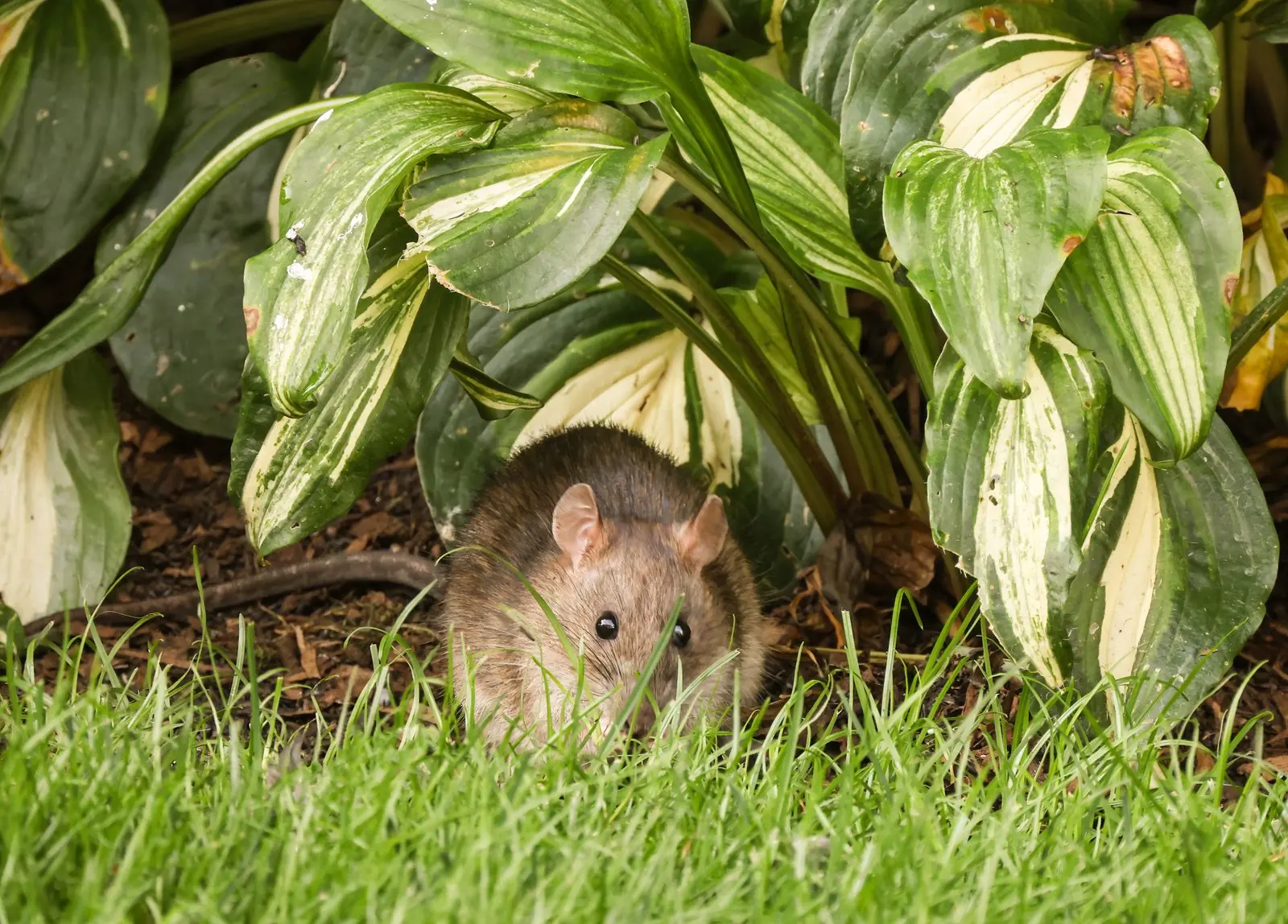
Finding dead rats in backyard lawns and garden beds, especially several over a week or two, often means someone nearby has laid poison bait and the rats are dying as they cross your property. Pick them up quickly with gloves or an inverted bag, double-bag them for the general waste bin, and keep dogs and cats inside until the yard is clear. A dead baited rat can poison a pet that eats it.
If they're turning up under decks, sheds or other spots that are hard to reach, our dead rat removal service can clear them and clean up. Here's what to do and how to protect your animals.
Dead rats in backyard gardens: why they turn up
Rats travel well beyond the property where they feed. A rat that eats bait in a neighbour's garage or a nearby business may wander for several days before it dies, and it often ends up in your yard because there's cover, water or a compost heap. The most common reasons for dead rats in the backyard:
- Baiting next door or nearby. Most baits are slow-acting, so rats keep moving after eating them.
- Your own bait stations. If you or a pest controller baited the house, some rats die outdoors rather than in the walls.
- Council or commercial baiting in parks, lanes or shopping strips close to your street.
- Cats, dogs or birds that catch rats and leave them.
Baited rats often look sluggish, unafraid or wobbly out in daylight shortly before they die. Seeing a rat behaving like that is a clue there's poison in the area.
The real risk: secondary poisoning of pets and wildlife
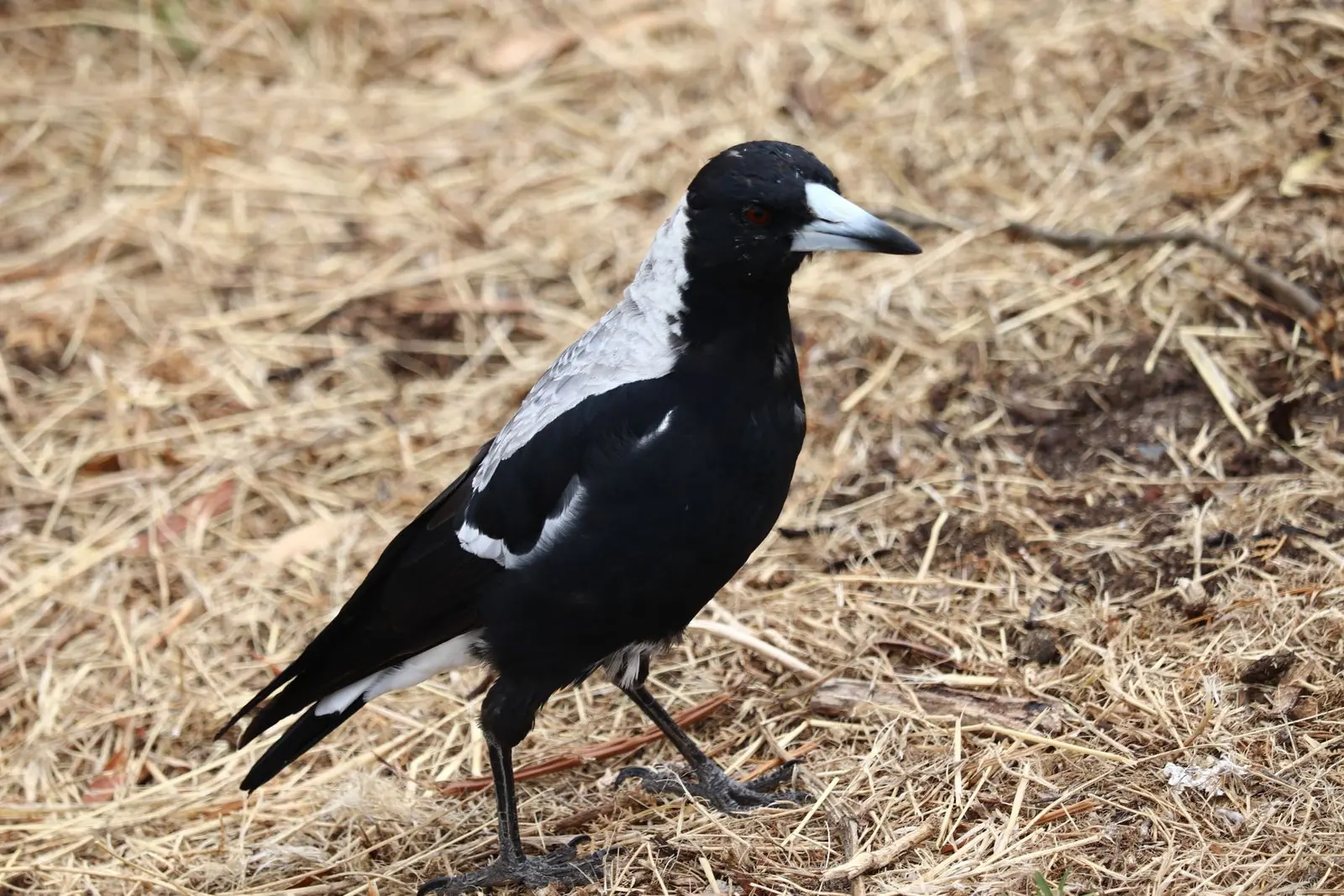
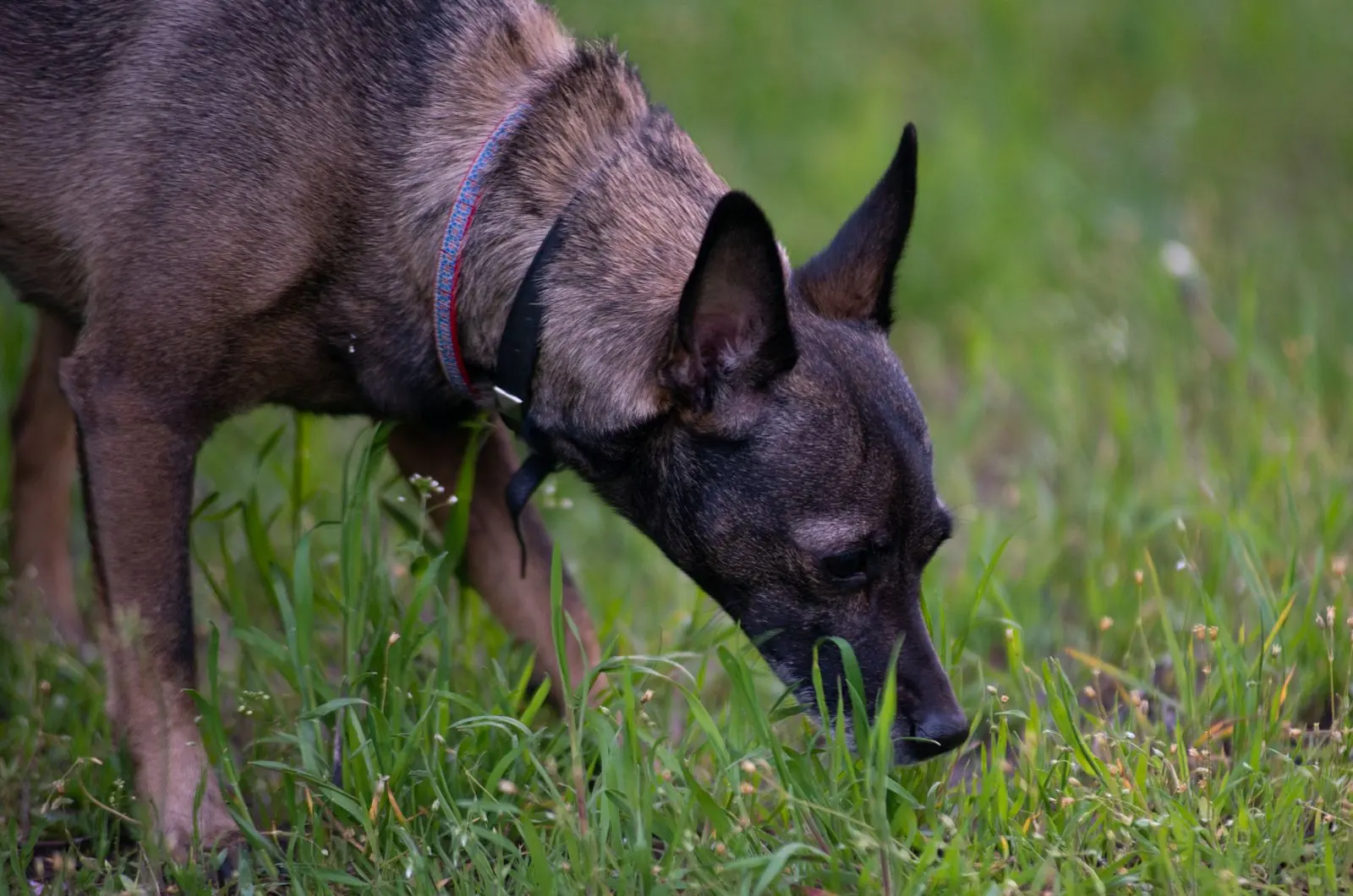
When a dog, cat or bird of prey eats a rat that has eaten bait, it can swallow some of that poison too. This is called secondary poisoning. Owls, kookaburras and magpies are among the native birds at risk, and dogs that scavenge are the most common household victims.
To keep your pets safe while rats are turning up:
- walk the yard each morning before letting pets out, checking along fences, under shrubs and beside sheds;
- keep cats indoors, particularly at night when they hunt;
- supervise dogs in the garden and on walks along nearby lanes;
- remove bowls of pet food from outside, since they attract rodents.
If you think your dog or cat has eaten a dead rat, contact your vet or an after-hours animal hospital straight away, even if your pet seems fine. Some rat poisons take days to show symptoms. Our guide to what to do if your dog found or ate a dead animal covers the warning signs and other risks.
How to pick up dead rats safely
Rats can carry diseases including leptospirosis and salmonella, so avoid bare-hand contact. A quick method that works for most yard finds:
- Put on disposable gloves. A P2 mask is sensible if the rat has been there a while.
- Slip a plastic bag over your gloved hand like a mitten, grab the rat, and turn the bag inside out over it.
- Tie it off and place it inside a second bag.
- Put it in your general waste (red-lid) bin. Never put it in the green-waste bin or compost, as the poison and bacteria can end up in your garden.
- Hose or disinfect the spot if there's fluid or the rat had started to decompose.
- Wash your hands with soap and warm water.
A garden shovel works too if you'd rather not get close. For more detail on equipment and bin rules, see how to safely pick up a dead animal, and for the health side, diseases from dead animals.
Talking to your neighbours about rat bait
It's worth a friendly conversation if you think a neighbour is baiting. Most people simply don't realise rats leave their property before dying. Things you could suggest:
- using lockable, tamper-resistant bait stations so pets and children can't reach the bait;
- checking their yard and yours for dead rats for a couple of weeks after baiting;
- letting you know when they bait so you can keep pets in;
- looking at non-poison options such as snap traps in enclosed boxes, along with fixing what's attracting rats.
Keep it neighbourly. They're dealing with rats too, and working together tends to get rid of them faster.
Making your yard less attractive to rats
Rats pass through yards that offer food, water and shelter. You can reduce how many end up dying on your property by:
- using a compost bin with a solid base and lid, and not composting meat or cooked food;
- collecting fallen fruit and picking up spilt birdseed and chook feed;
- storing pet food in sealed containers;
- clearing piles of timber, bricks and garden waste where rats nest;
- keeping vegetation trimmed back from fences and the house.
If rats are also getting inside, a dead one in the walls is often the next thing you'll smell. Our guide to rats dying in walls after baiting explains what to do if that happens.
When to get help
A single dead rat on the lawn is a quick job you can do yourself. It's worth calling us when they're under a deck or slab, inside a shed wall, beneath a raised floor, or turning up so often you can't keep pets safely in the yard. Cost depends on where they are and how much clean-up is needed; see our cost guide for what affects it.
Need it gone today? Dead rats under the deck or behind the shed? We'll remove them, disinfect the area and help keep your pets out of harm's way. Call (03) 9125 4024 or send us a message.