Possums, Rats & Birds
Dead Rat in the Ceiling: Signs, Smell and Removal
A dead rat in ceiling spaces usually shows itself as a sour, rotting smell that's strongest under one part of the ceiling, often near a downlight, exhaust fan or the manhole. You might also see a few blowflies at a light fitting or a faint brown stain on the plaster. The fix is to find the rat in the roof space, bag it, remove anything soiled around it and treat the spot.
If you can't get into the roof, or the smell is coming from a spot you can't reach, our dead rat and mouse removal service can locate it and clean up. Here's how to read the signs and what to do next.
Why rats so often die in the ceiling
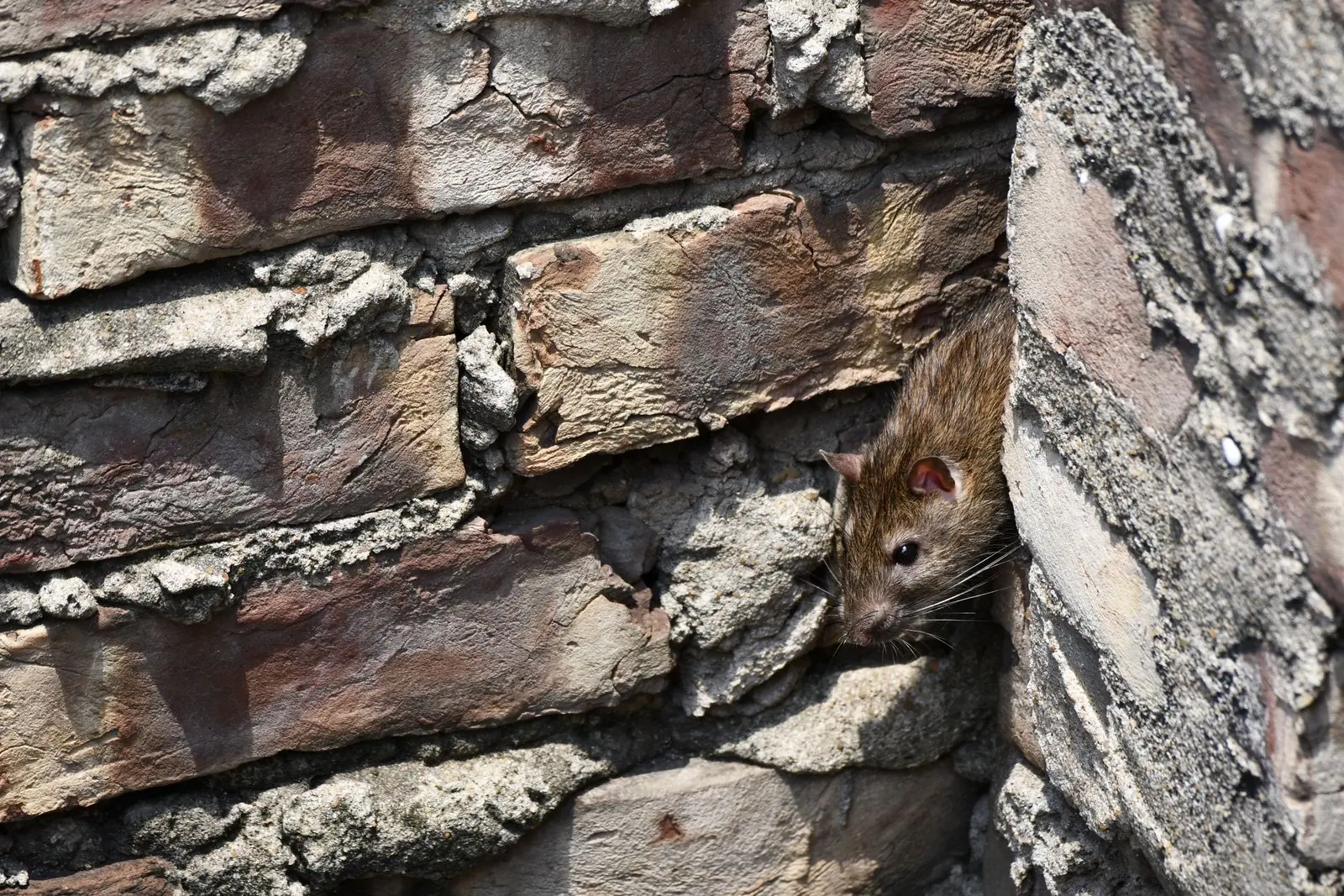
Roof spaces give rats warmth, shelter and quiet, so many nest above the ceiling and travel down wall cavities to find food. When a rat becomes ill, whether from age, injury or poison bait, it tends to go back to that nest. That's why baiting in the garden or garage can lead to a smell above a bedroom. We explain that pattern in rats dying in walls after baiting.
Common resting spots in the roof are:
- along the eaves, where the roof meets the top of the external walls;
- tucked into or under insulation batts;
- beside ducting, flues or around the heater unit if it's in the roof;
- above the kitchen and laundry, where pipes and warmth draw them in;
- in a corner near where the roof framing meets the gable or hip.
Signs of a dead rat in the ceiling
The smell
It starts as a faint, sweetish odour and grows into a sharp, rotten smell over two or three days. In the ceiling it often seems to "pool" in the room below the body and is worse in warm weather, in the morning, or when doors have been closed overnight. A single rat usually smells for roughly two to three weeks if left; our page on how long a dead rat smell lasts covers what speeds that up or slows it down.
Flies and other visitors
A handful of blowflies buzzing around a downlight or window in one room is a classic clue. If you're seeing larvae dropping from a light fitting or cornice, see maggots falling from the ceiling for what to do straight away.
Stains and sounds
A yellow or brown mark on the plaster can appear when fluids soak through, though with a rat it's less common than with a larger animal. You may also remember scratching or scurrying above the ceiling that stopped a few days before the smell began. If the noises were heavy thumps rather than scurrying, it may have been a possum; rat or possum in the roof helps you tell the difference.
How to look for a dead rat in the ceiling safely
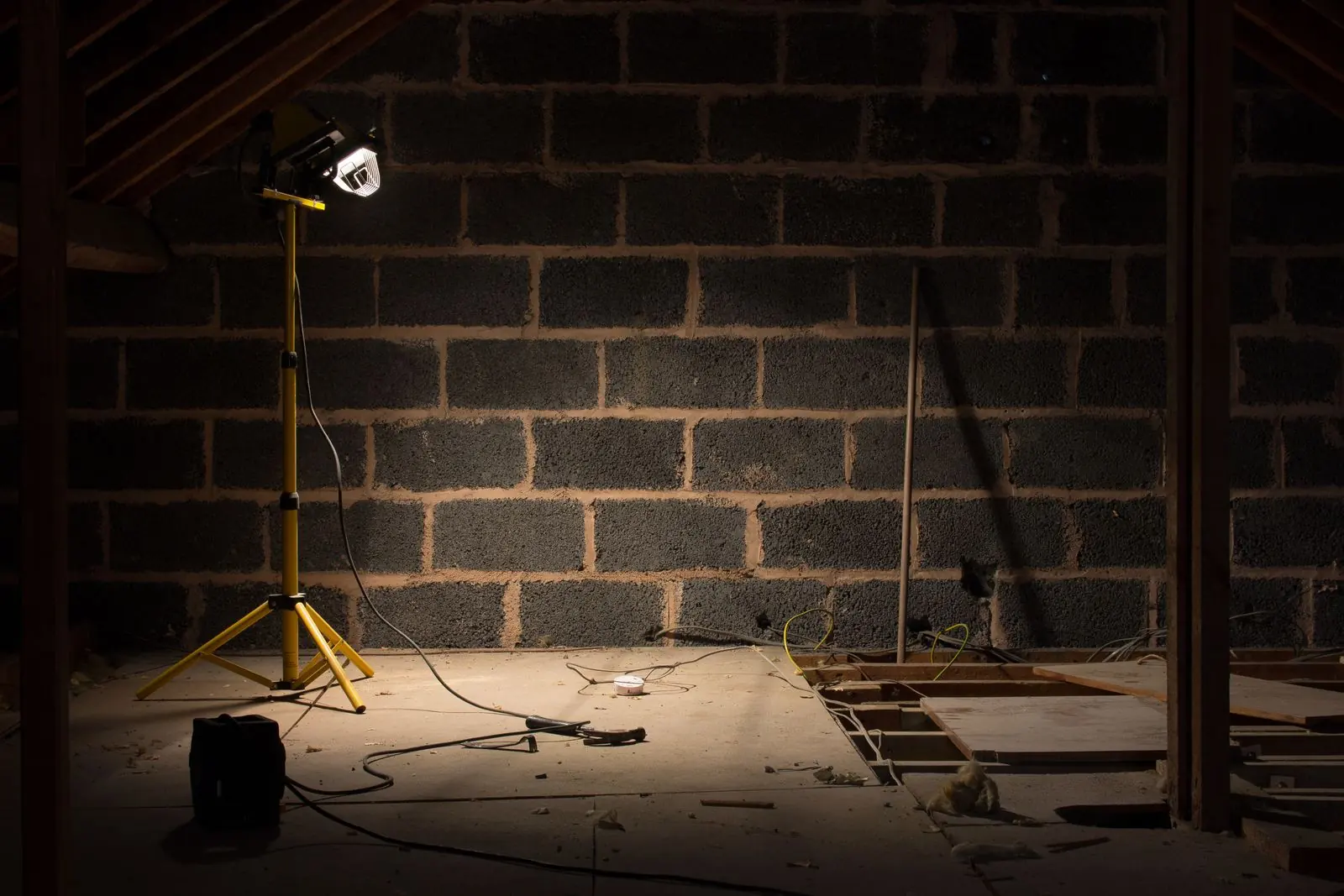
You can often find a rat yourself if the roof space is accessible. Before you go up:
- Pick a cool time. Melbourne roof spaces can become dangerously hot on summer afternoons. Early morning is best.
- Wear protection. Disposable gloves, a P2 mask, long sleeves and a head torch. Rats can carry leptospirosis and salmonella, and old insulation dust is an irritant.
- Stay on the timber. Step only on ceiling joists or a board laid across them. Plasterboard won't hold your weight.
- Watch for cables. Don't move or tread on wiring, and keep clear of anything that looks damaged.
- Tell someone. Let another person in the house know you're in the roof.
Start above the room where the smell is strongest and follow your nose. Lift the edges of batts gently and check along the eaves. Look for droppings, a nest of shredded material, or flies, which often lead you straight to the carcass.
Removing it and cleaning the spot
When you find the rat:
- Turn a heavy plastic bag inside out over your gloved hand, pick the rat up through it and fold the bag back over.
- Put that bag inside a second one, tie it and place it in your general waste (red-lid) bin. Not the recycling or green-waste bin.
- Bag any nesting material, droppings and the stained part of the insulation too.
- Spray the timber or plaster underneath with a disinfectant and let it sit before wiping.
- Wash your hands thoroughly, even though you wore gloves.
If the rat ate bait, remove it promptly. Pets and birds of prey can be poisoned by eating a baited carcass.
When the rat isn't in the roof space
Sometimes you search the whole ceiling and find nothing. That usually means the rat is somewhere less accessible:
- between the ceiling and a floor above in a two-storey house, where there's no roof space to climb into;
- in a flat or skillion roof with only a narrow gap above the plaster;
- down a wall cavity that opens off the roof;
- inside ductwork for ducted heating or cooling, which spreads the smell through vents.
In these cases the usual method is to narrow down the location by smell and then open a small hole in the plaster in the right spot, rather than cutting several. Our dead rat smell in the wall guide covers the cavity version of this problem in more detail.
Dead rat in ceiling: DIY or call someone?
Doing it yourself makes sense when the roof is easy to get into, the weather is mild and you can see the rat within reach. Getting help is worth it when the roof is low-pitched or full of loose-fill insulation, the smell is between floors, there's a stain spreading on the ceiling, or you've searched and come up empty. Cost depends on access, how long it takes to find and how much clean-up is needed; our cost guide explains it.
Once it's gone, look for how rats are getting in, such as gaps at the eaves, broken vents or overhanging branches, so you're not back in the roof next month.
Need it gone today? Can't find the dead rat in your ceiling, or don't want to go looking? We'll track it down, remove it and treat the area, often the same day. Call (03) 9125 4024 or send us a message.