Possums, Rats & Birds
Rat or Possum in the Roof? How to Tell, Alive or Dead
To work out whether you have a rat or possum in the roof, listen to the timing and weight of the noise and look at the droppings. Rats make light, quick scratching and gnawing sounds through the night and leave small, dark, pointed droppings; possums make heavy thumps around dusk and again before dawn and leave larger, rounder pellets with strong-smelling urine stains. If the noises have stopped and a bad smell has started instead, the animal has probably died, and the size of the smell is your next clue.
Knowing which animal it is matters because the fix is different. A living rat is a pest-control job, a living possum is a wildlife job with its own rules, and a dead one of either kind needs to be found and taken out. If something has already died up there, our team handles dead animal removal from roofs, ceilings and wall cavities across Melbourne.
Rat or possum in roof: the sounds compared
Sound is usually the first thing people notice, and it tells you a lot once you know what to listen for.
| What you hear | More likely a rat | More likely a possum |
|---|---|---|
| Weight of footsteps | Light, fast pattering, like fingers drumming | Heavy, deliberate thuds, as if a cat is walking around |
| When it happens | On and off all night, sometimes in the day | A burst at dusk as it leaves, another before sunrise as it returns |
| Other noises | Gnawing, scratching inside walls, squeaks | Hissing, growling, coughing screeches, especially in spring |
| Where it moves | Along cornices, down wall cavities, near pipes | Across the open ceiling space and near the eaves |
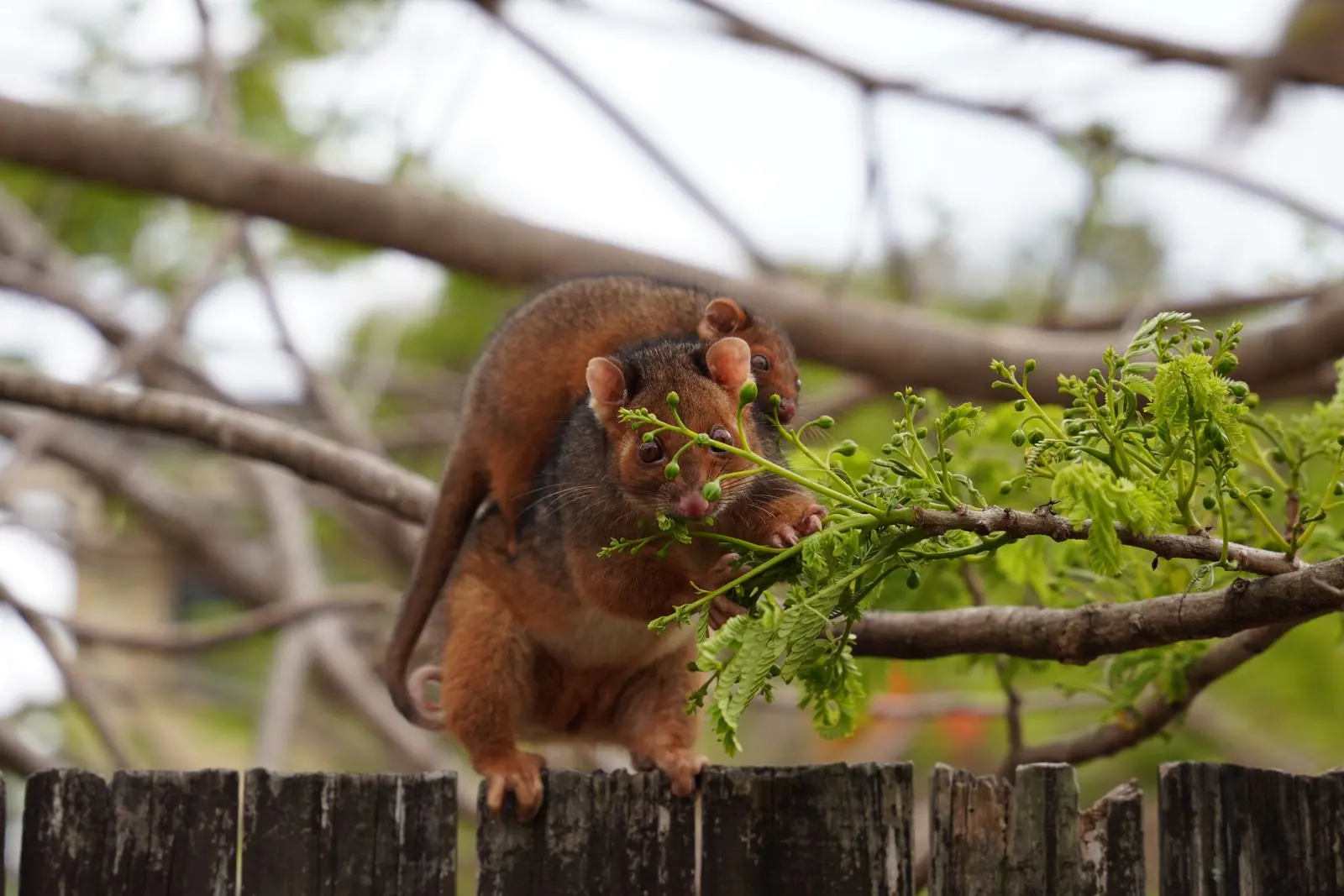
A brushtail possum weighs a few kilograms, which is why its movement sounds so solid. Ringtail possums are smaller and quieter, so a light ringtail can occasionally be mistaken for a large rat. Rats, by contrast, are restless: you may hear them running inside a wall right beside your bed, which a possum rarely fits into.
Droppings, stains and other signs to check
If you can safely look into the roof space with a torch, or check under the eaves and along the top of fences, the evidence left behind is often clearer than the noise.
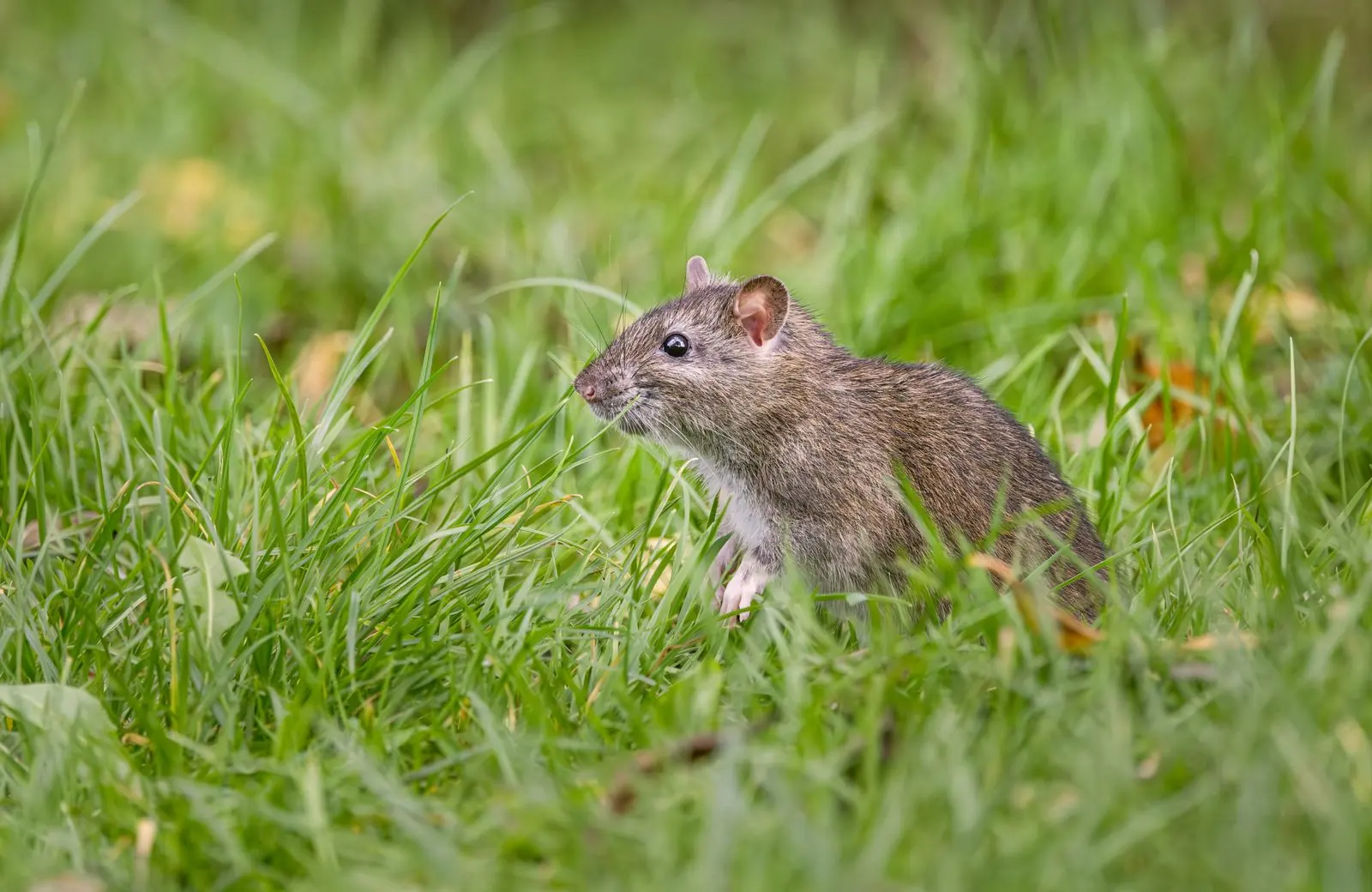
- Rat droppings are dark, narrow and pointed at the ends, roughly the size of a grain of rice or a little larger, and scattered along the routes rats run.
- Possum droppings are noticeably bigger, more rounded and often piled in one area near where the possum sleeps.
- Brown or yellow stains on the ceiling below the roof space usually point to possum urine, which soaks through plaster over time.
- Greasy smudges along beams, pipes or the edges of holes are typical of rats, whose fur leaves a dark film where they squeeze through.
- Chewed wiring, insulation or plastic suggests rodents, since they gnaw constantly.
- Disturbed or flattened insulation in one spot can be a possum's nest.
If you head up there, put on a P2 mask and disposable gloves first, and don't handle droppings or nesting material with bare hands. Step only on the ceiling joists, never between them on the plaster.
How to tell if it has died, and which animal it was
A sudden silence followed by a sickly-sweet, rotten smell a few days later is the classic sign that something has died in the ceiling. The smell itself can hint at the animal.
Signs it was probably a rat
The odour tends to sit in one room or one corner, sometimes strongest near a power point, cornice or built-in wardrobe. It often follows recent baiting by you, a pest controller or a neighbour, because poisoned rats tend to crawl into quiet cavities before they die. The smell from a dead rat usually lasts roughly two to three weeks, depending on temperature; we look at why poisoned rodents end up in cavities in our piece on rats that die in walls after baiting.
Signs it was probably a possum
A possum is a much bigger animal, so the smell is stronger, spreads further through the house and can hang around for three to six weeks or more. Blowflies gathering at windows and light fittings are common, and on a hot day you may notice the odour from outside. If you're in this situation, start with our practical steps for dealing with a possum that has died in the roof. In late winter and spring it is also worth knowing that young possums sometimes die in the roof if the mother has been shut out or has died herself.
If it's still alive: what to do (and what not to do)
We remove animals that have already died, not live ones, so here is the honest advice for a living animal.
- For a live rat or mice problem, a pest controller is the usual call. If you bait, remember that rodents often die out of reach, so plan for the chance of a smell and collect dead rodents from the garden promptly so pets and birds of prey can't eat them.
- For a live possum, contact a licensed wildlife controller. Possums are protected in Victoria, and the law only lets a captured live possum go back out on its own property, which is why one-way exit doors and a nest box in the garden are the normal approach.
- Don't block the entry hole while an animal could still be inside. Sealing a possum or rat in is the most common way a live-animal problem turns into a dead-animal smell.
- Don't climb on the roof in the rain or lift tiles to look for a way in; leave that for a dry day or a professional.
Once the roof is clear, proofing the gaps is what stops the cycle. The usual entry points around Melbourne homes are listed in our article on keeping animals out of the roof for good.
Getting a dead rat or possum out of the ceiling
If the body is easy to see and reach from the manhole, a confident person with gloves, a mask, a torch and a heavy-duty bag can lift out a rat, seal it inside two bags and drop it into the red-lid bin. A dead possum or anything you can smell but not see is a different matter. Bodies often lie in the far corner of the eaves, under insulation or down a wall cavity, and decomposition fluid can soak into the plaster.
When we attend, the team traces the smell to its source, lifts out the body along with any insulation or nest debris it has stained, then sanitises and deodorises the space. Where the animal has dropped inside a wall, access is through a neat opening only as large as the job needs. We'll also point out where it probably got in. Pricing varies with the animal's position in the roof, the access involved and the amount of cleaning afterwards; our dead animal removal cost page runs through each of those factors. Rodents are often found above ceilings in particular, and our article on a dead rat in the ceiling goes further into that situation.
Need it gone today? Whether it's a rat or a possum that has died in your roof, we'll track it down, lift it out and treat the roof space so the odour clears. Call (03) 9125 4024 or send us a message.