Smells & Finding It
Dead Animal Smell or a Drain Problem? How to Tell Them Apart
A dead animal produces a heavy, sweet, rotting-meat odour that builds over days in one area and doesn't change when you run the taps, while a sewer or drain smell is closer to rotten eggs, hangs around a sink, shower, toilet or floor waste, and usually shifts when water is used. If you're trying to decide between a dead animal smell or sewer smell, watching how the odour behaves for a day or two will answer most of the question.
Getting it right saves you calling the wrong trade. A drain fault is a plumber's job. A carcass in a wall, ceiling or subfloor is what our dead animal odour removal team deals with across Melbourne. Here's how to work out which one you have.
Dead animal smell or sewer smell: a side-by-side
| Clue | Dead animal | Drain or sewer |
|---|---|---|
| Character | Sweet, putrid, meaty | Eggy, sulphurous, sometimes stale |
| Location | One wall, ceiling, cupboard or room; can drift | Close to a fixture such as a basin, shower, toilet or laundry trough |
| Pattern | Builds over days, peaks, then fades over weeks | Comes and goes; often worse after showers or flushing, or when a room hasn't been used |
| Running water | Makes no difference | Often changes the smell, for better or worse |
| Insects | Large blowflies, sometimes lots of them | Tiny moth-like drain flies near plugholes |
| Visible signs | Brown stain on a ceiling or wall, maggots | Damp near pipes, slow drains, gurgling, sewage at an outside grate |
No single row settles it, but if most of your answers fall in one column you can be fairly confident. For a fuller description of the carcass odour itself, see what a dead animal smells like.
Simple tests you can run at home
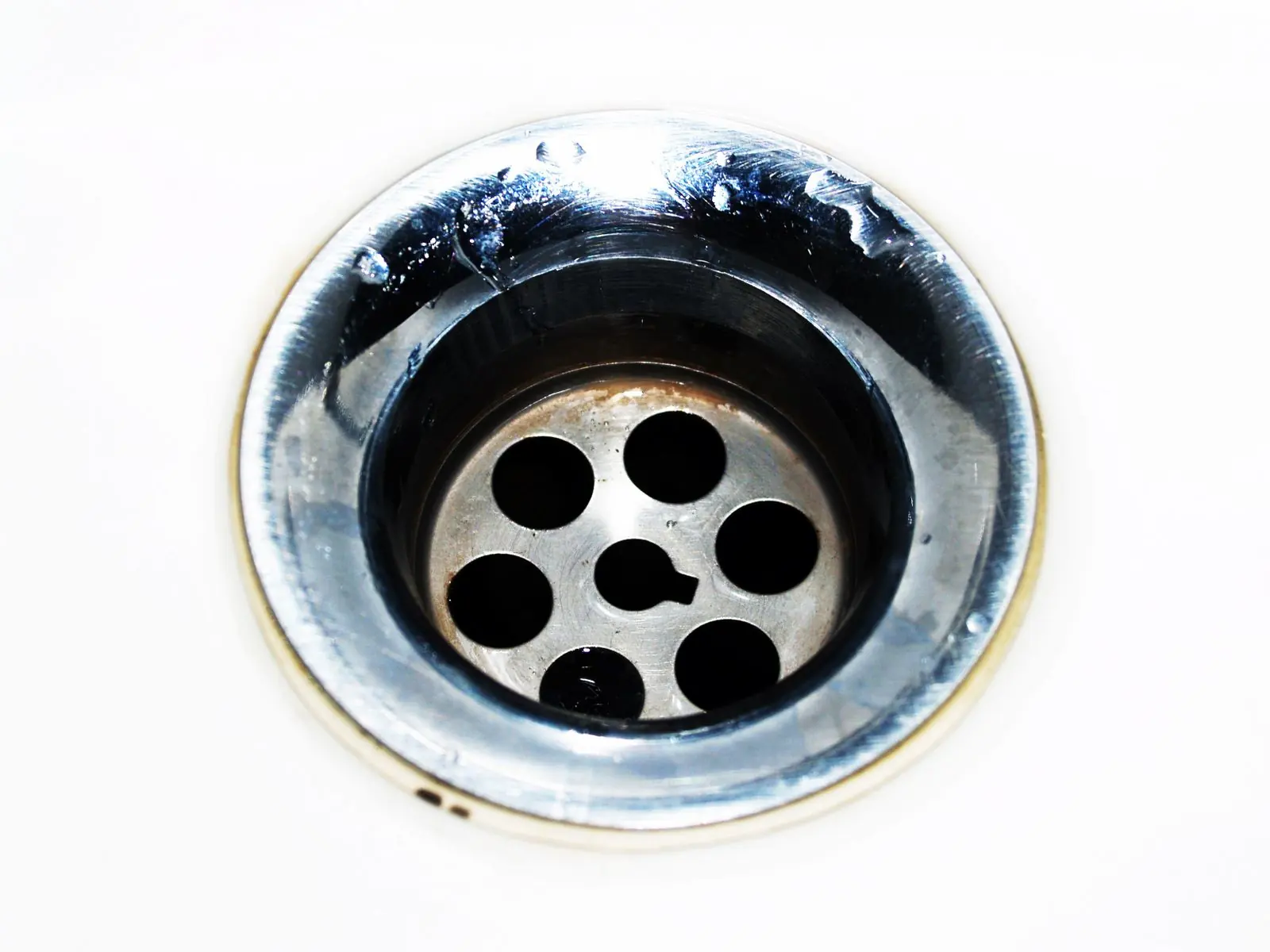
- Refill every water trap. Each basin, shower, bath and floor waste has a U-bend that holds water to block sewer gas. In a spare bathroom or a laundry that rarely gets used, that water can evaporate. Pour a bucket of water into every drain and wait an hour. If the odour eases, the drain was the problem.
- Put your nose to the plughole. Sewer gas is strongest right at the outlet. A carcass smell is usually no worse at the drain than a metre away from it.
- Flush and listen. Gurgling, slow emptying or bubbles in another fixture when you flush suggest a blockage or venting issue.
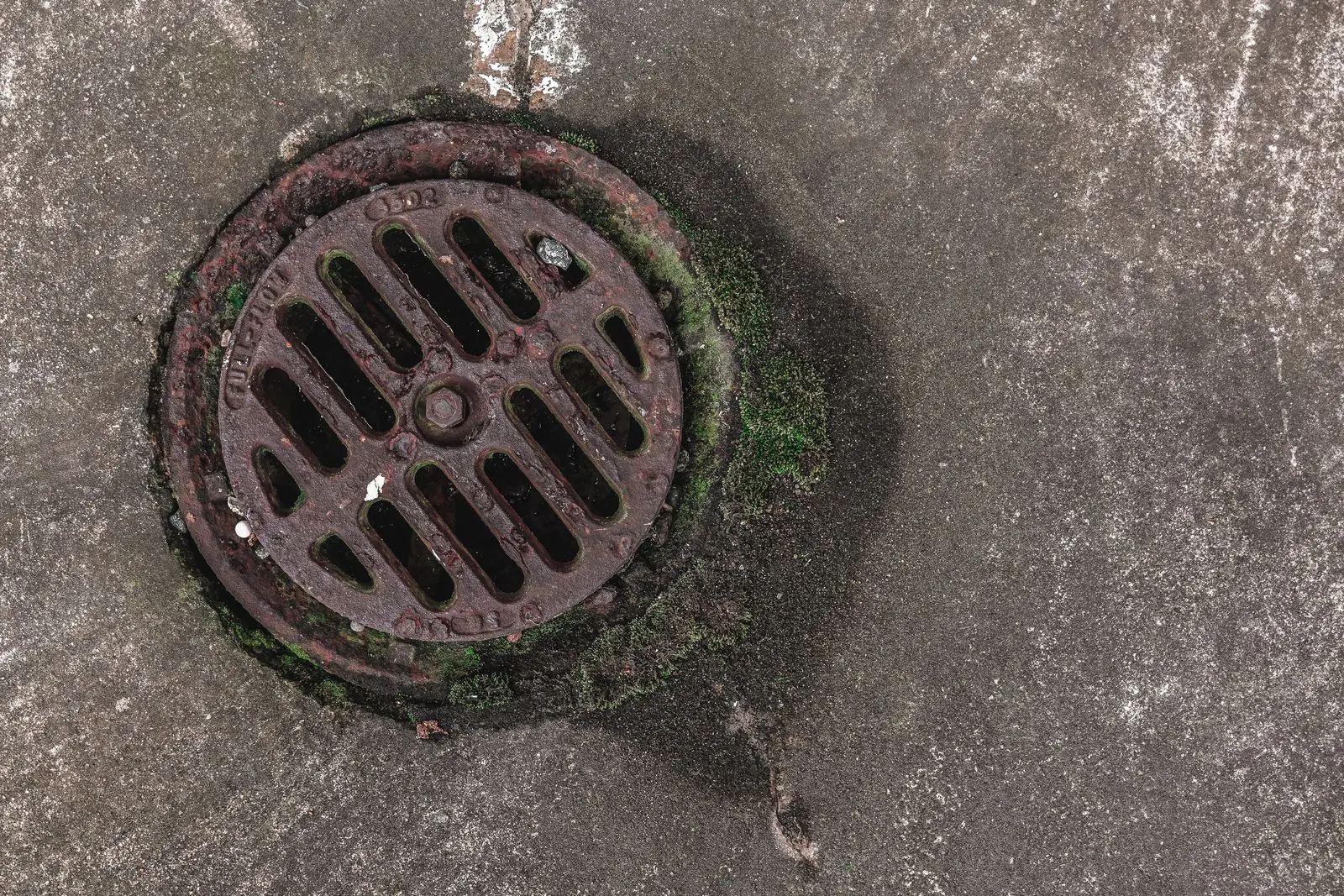
- Walk around outside. Look at the drain grates and the overflow gully near the house. Sewage pooling, a lifted grate or a strong eggy smell there points firmly at the plumbing.
- Track it for 48 hours. A drain smell tends to rise and fall with water use. A dead animal smell tends to get stronger each day for a while, regardless of what the household does.
- Look up and look low. Check the ceiling and cornices for stains, and the skirting boards for odour leaking out. That kind of localised spot, away from any fixture, suggests a carcass.
When it could be both
Sometimes the two problems overlap. A cracked sewer or stormwater pipe under a house can attract rats, and a rat that dies in the subfloor beside the bathroom will smell as though it's coming from the shower. Rodents also travel along pipe penetrations into walls and cupboards, so a dead one can end up right next to a drain.
If you've refilled the traps, the plumbing seems fine and the odour is still building, the next place to look is underneath. Our guide to a dead animal under the house explains how subfloor jobs are handled. If a plumber has already found a broken pipe, it's worth asking whether rodents have been getting in through it.
Other smells that cause confusion
- Gas. Natural gas has an added odourant that smells eggy. If there's any chance it's gas, leave the house and call your gas distributor's emergency line first.
- Dishwasher or washing machine filters. Trapped food or lint can rot and smell surprisingly foul. Clean the filters before assuming anything died.
- Fridge drip trays. The tray under many fridges collects water and can grow a sour, rotten smell.
- Rotting vegetables. A single potato or onion going bad at the back of a pantry can smell remarkably like a carcass.
- Possum urine. A sharp, ammonia smell in the ceiling usually means a live possum, not a dead one.
Signs that point clearly to a dead animal
Some clues have nothing to do with plumbing. A sudden cluster of big blowflies at a window is one of the strongest; our article on blowflies in the house explains why they show up. Maggots on a floor, a discoloured patch on the ceiling, or a pet fixated on one wall are others.
If the smell only appears when the heating runs, the source is probably inside the ductwork rather than a drain. Rodents often die in ducts or the return-air box, and dead animal smell in ducted heating covers that situation step by step.
Who to call, and what not to do
If your tests point to the plumbing, call a plumber. If they point to a carcass, or you've ruled out the drains and the smell keeps building, call a dead animal removalist. We locate the animal, remove it, sanitise the spot and treat the lingering odour. If you're unsure, describe the smell and what you've checked when you ring; that usually makes the next step clear.
A few things to avoid while you work it out:
- pouring strong chemicals or bleach down drains in the hope of killing a "dead animal" smell, which won't help if the source is in a wall;
- hiding the odour with aerosol sprays aimed into a cavity or ceiling;
- sealing up holes or gaps before you know whether an animal is still inside.
Masking products only buy time. Our guide to what actually removes dead animal odour explains which treatments work once the source is gone. If you're weighing up the expense, the dead animal removal cost page lists what affects the price.
Need it gone today? If the drains check out and the smell keeps building, we can find the animal, remove it and treat the odour, often the same day. Call (03) 9125 4024 or send us a message.