Health & Safety
How to Safely Pick Up and Dispose of a Small Dead Animal
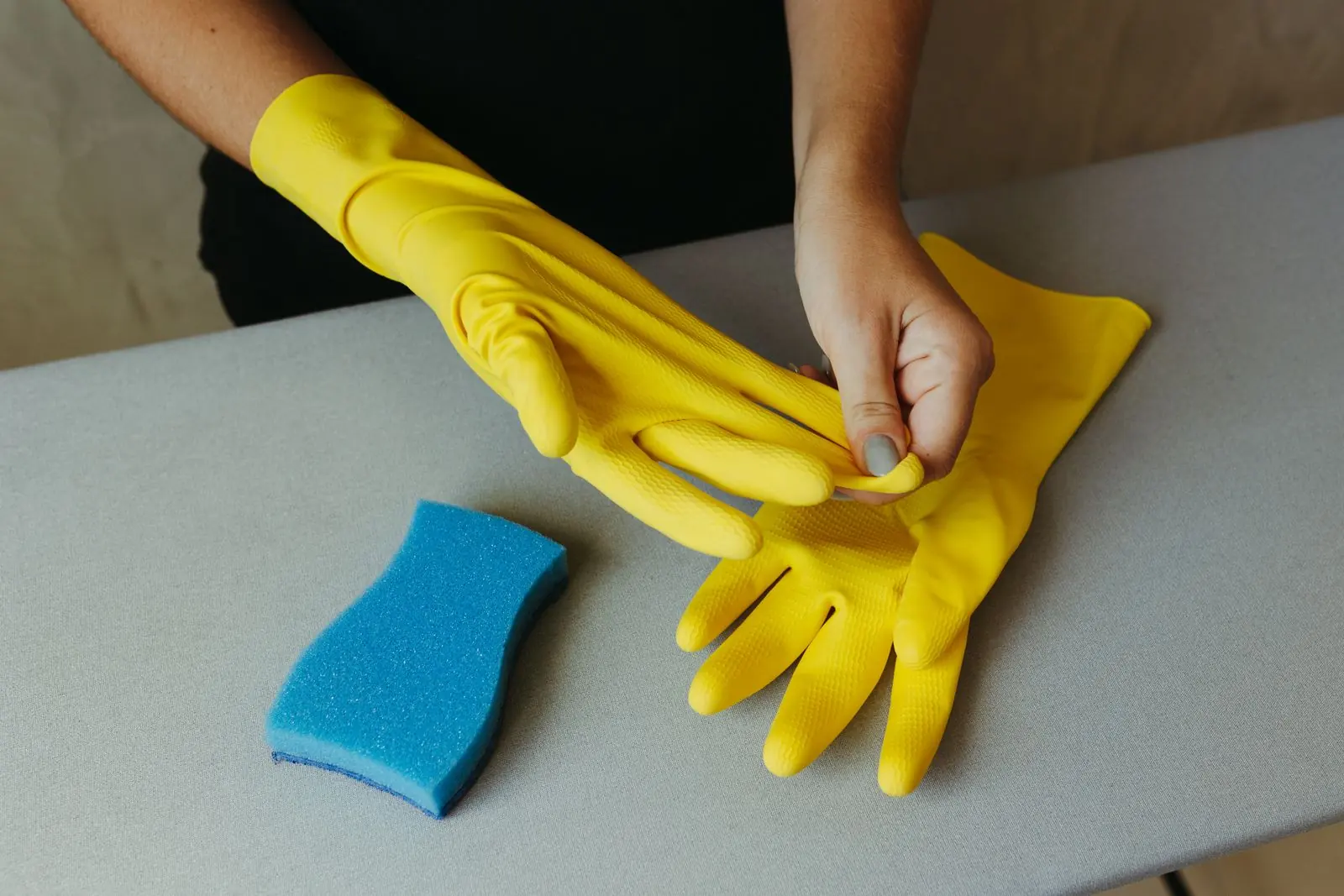
Here is how to dispose of a dead animal safely: put on disposable gloves and a P2 mask, pick it up with a shovel or an inside-out plastic bag, seal it in a second bag, and put it in your general waste (red-lid) bin. Then disinfect the spot and wash your hands. That method works for small animals such as a mouse, rat, bird or small possum; anything bigger, hidden, or badly decomposed is better left to a professional.
This guide covers the do-it-yourself job properly: what to have ready, how to pick the animal up without touching it, and where it can and can't go. If the animal is too large, in an awkward spot, or you would simply rather not, our carcass removal service in Melbourne can take care of it, often the same day.
Before you start: is this a DIY job?
Run through these questions first. If you answer yes to any, stop and get help.
- Is it bigger than a small possum or a cat?
- Is it inside a wall, ceiling, chimney, duct or under the floor?
- Has it been there long enough to be badly broken down, with fluids, maggots or a lot of flies?
- Are there several dead birds, or any dead poultry or livestock with no obvious cause? (Don't touch; call the Emergency Animal Disease Watch Hotline on 1800 675 888.)
- Is it a dead kangaroo, wallaby or wombat? A joey may still be alive in the pouch. Call Wildlife Victoria on (03) 8400 7300 for a pouch check.
- Is it your own pet? You may want to keep it for burial or cremation rather than putting it in the bin.
If none of those apply, you can handle it yourself with a few basic items.
What you need
| Item | Why |
|---|---|
| Disposable gloves (ideally two pairs) | Keeps fluids, fleas and bacteria off your skin |
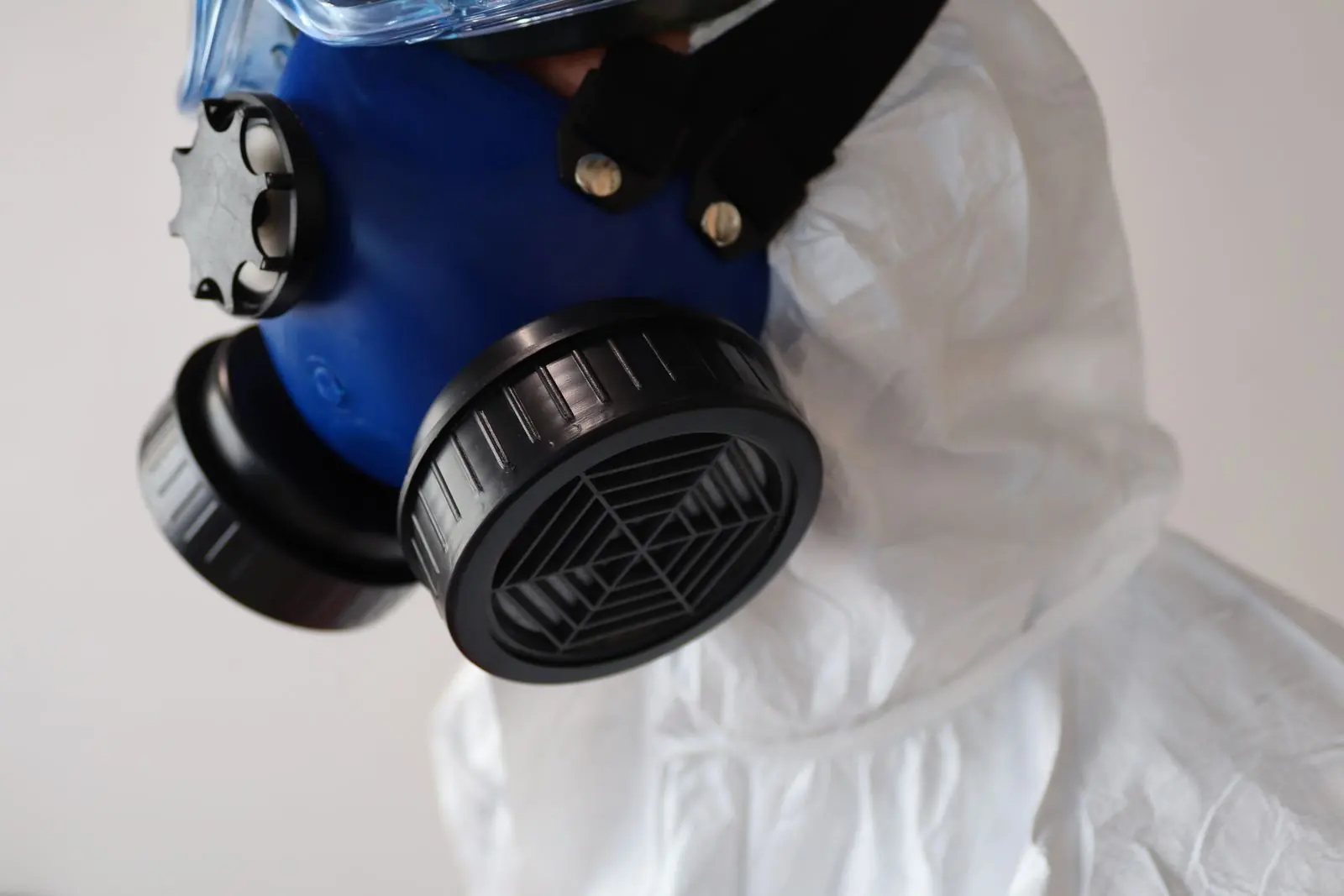
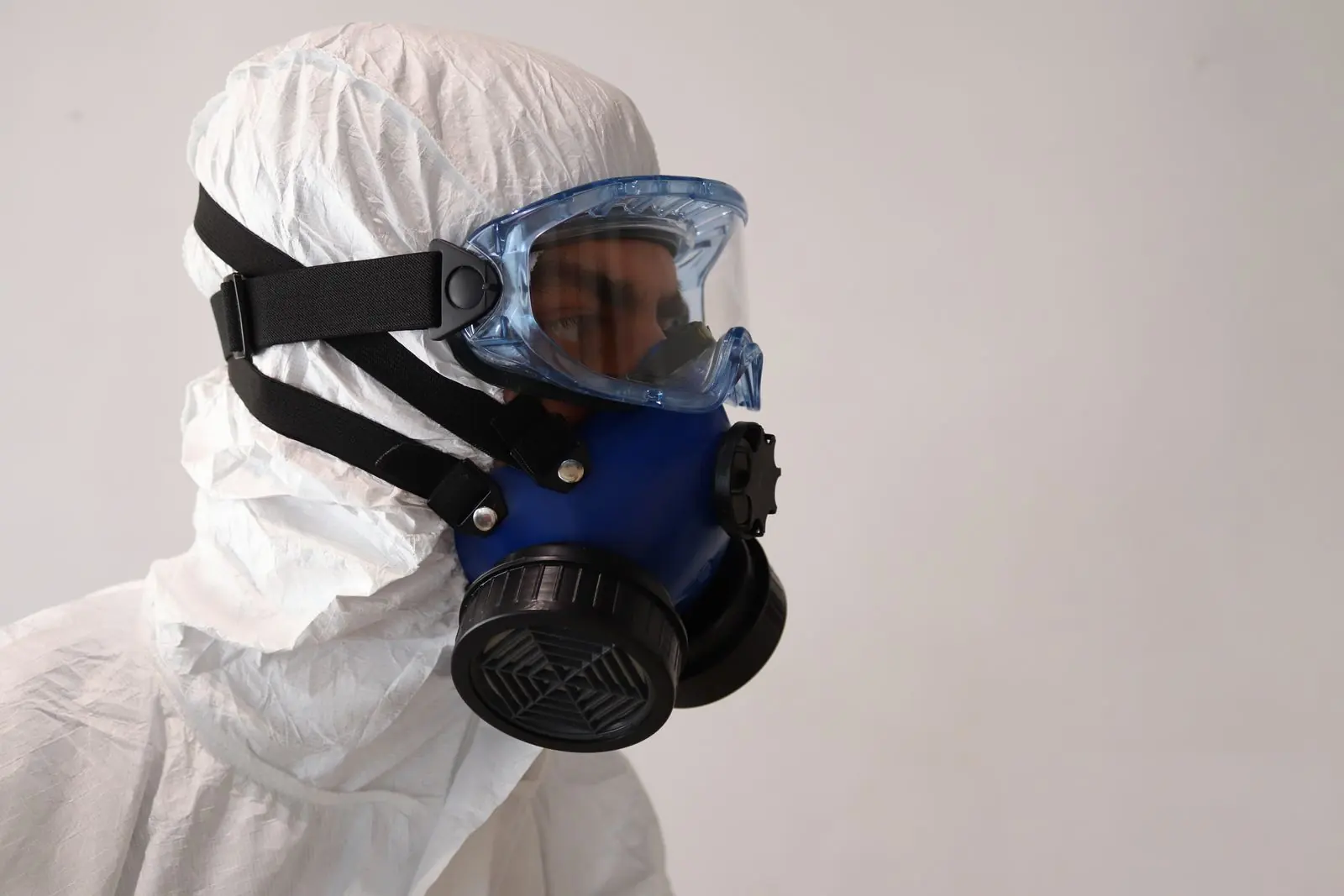
| P2 mask | Reduces dust from droppings and nesting material |
| Two strong plastic bags | One to pick up with, one to seal inside |
| Shovel or dustpan | So you never need to grip the body |
| Disinfectant spray and paper towel | To clean the spot afterwards |
| Old clothes or an apron | Easy to wash straight after |
Keep children and pets inside while you work. If the animal was poisoned with rat bait, move fast: a dog or cat that eats a baited carcass can be poisoned as well.
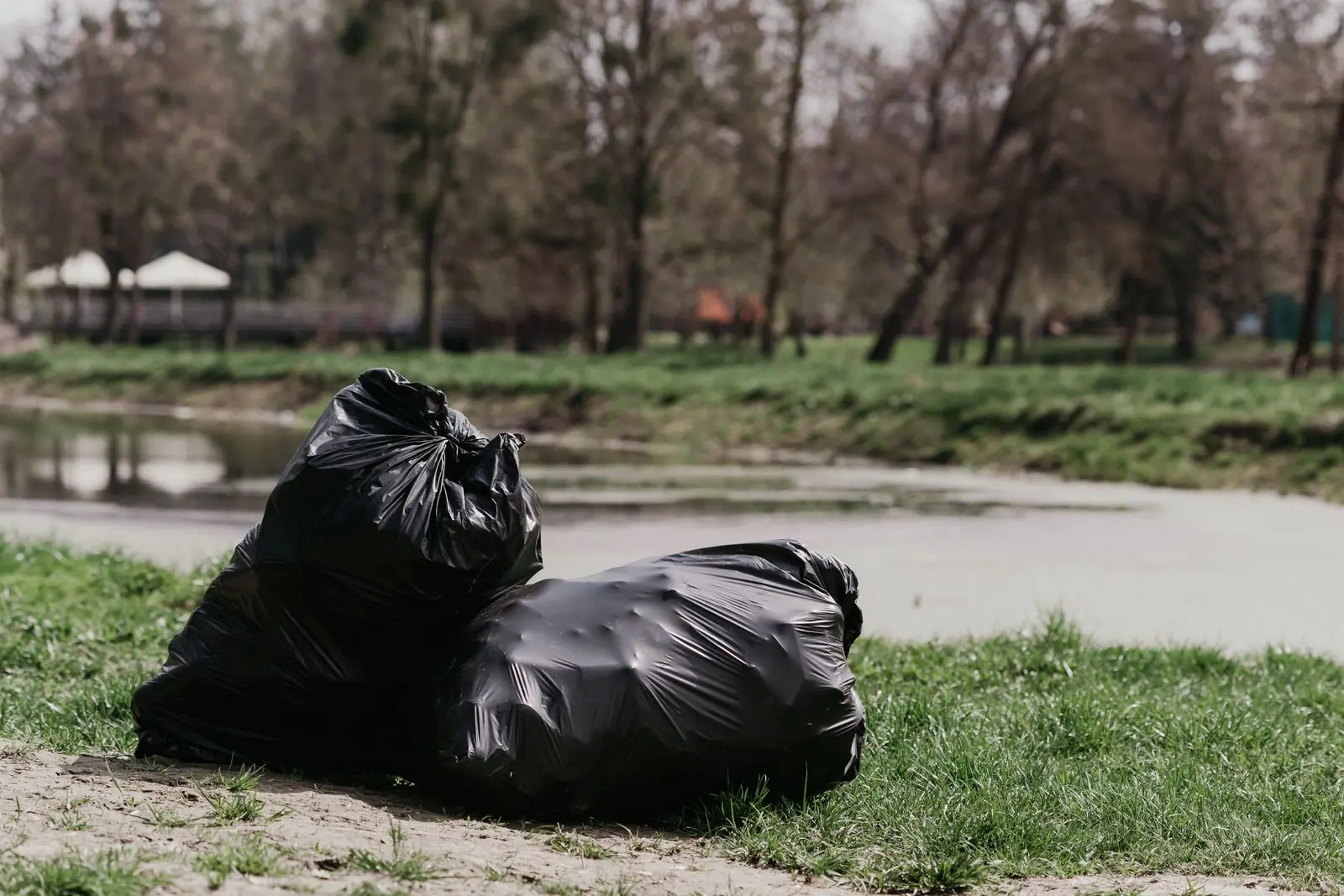
How to pick up a dead animal, step by step
- Glove up and put on the mask. Cover any cuts on your hands first.
- Dampen dust if it is indoors. A light mist of disinfectant over droppings or nest material stops it lifting into the air.
- Use the inverted-bag method for small animals. Put your gloved hand inside a bag like a mitten, grasp the animal through the plastic, then pull the bag back over it with your other hand. You never touch it directly.
- Or use a shovel. Slide it under the animal and tip it into an open bag held by a helper, or with the bag weighted open on the ground.
- Tie it off, then double-bag. Squeeze out the air, knot the first bag, and place it into a second bag. Tie that too.
- Put it straight in the red-lid bin. Ideally close to bin day, especially in hot weather.
- Clean the spot. Spray with disinfectant, leave it for the time on the label, then wipe. Hose down outdoor paving.
- Clean yourself. Remove gloves by peeling them inside out, bin them, then wash your hands well with soap and warm water. Wash your clothes.
How to dispose of a dead animal: bin, burial or cremation
Getting the bin right matters for health and for the people who handle your waste.
- General waste (red lid): the right place for small animals such as rats, mice, birds and small possums, double-bagged.
- Recycling (yellow lid): never.
- Food and garden organics (green or lime lid): never. Carcasses aren't accepted in organics collections.
- Backyard burial: often fine for a pet in many council areas, with conditions about depth and distance from water. Rules vary, so check with your council first. Our guide on burying a pet in your backyard in Victoria covers this.
- Vet or pet crematorium: the usual option for a much-loved pet.
Possums and most native birds are protected wildlife in Victoria. Removing a dead one for disposal is normal, but keeping feathers, skulls or other parts of native animals isn't allowed. There is more detail in how to dispose of a dead possum in Victoria and what to do if you find a dead bird.
Animals on the road, footpath or council land
If the animal is on a local road, nature strip, footpath or in a park, report it to your local council rather than moving it yourself. Most councils collect from public land but not from private property. Dead animals on freeways and main arterial roads are the responsibility of the Department of Transport and Planning. Some councils scan found cats and dogs for a microchip so the owner can be told, which is another reason to call rather than bin a pet you find. Our article on whether council removes dead animals from private property explains the split.
Common mistakes to avoid
- Picking it up bare-handed, even "just quickly".
- Using a household broom and dustpan, then putting them back in the cupboard without cleaning.
- Vacuuming droppings, which blows fine dust around the room.
- Leaving the bag in a hot garage or by the back door for days.
- Throwing a carcass over the fence or into bushland, where pets and wildlife will find it.
- Spraying air freshener and hoping the problem goes away when you can smell one but can't find it.
When to call someone instead
Some jobs simply aren't worth doing yourself. A possum decomposing in a roof, a cat under a deck, a rat that has fallen into a wall cavity or a kangaroo on a rural block all need access, equipment and a proper clean-up. We remove the animal, take out soiled material, sanitise the area and deal with the odour. The cost depends on where the animal is, its size and access; our dead animal removal cost page explains the factors. For a deeper look at why careful handling matters, see the real health risks of dead animals.
Need it gone today? If it is too big, too hidden or you just don't want to deal with it, we will remove and dispose of it for you. Call (03) 9125 4024 or send us a message.