Smells & Finding It
Maggots Falling From the Ceiling: What It Means and What to Do
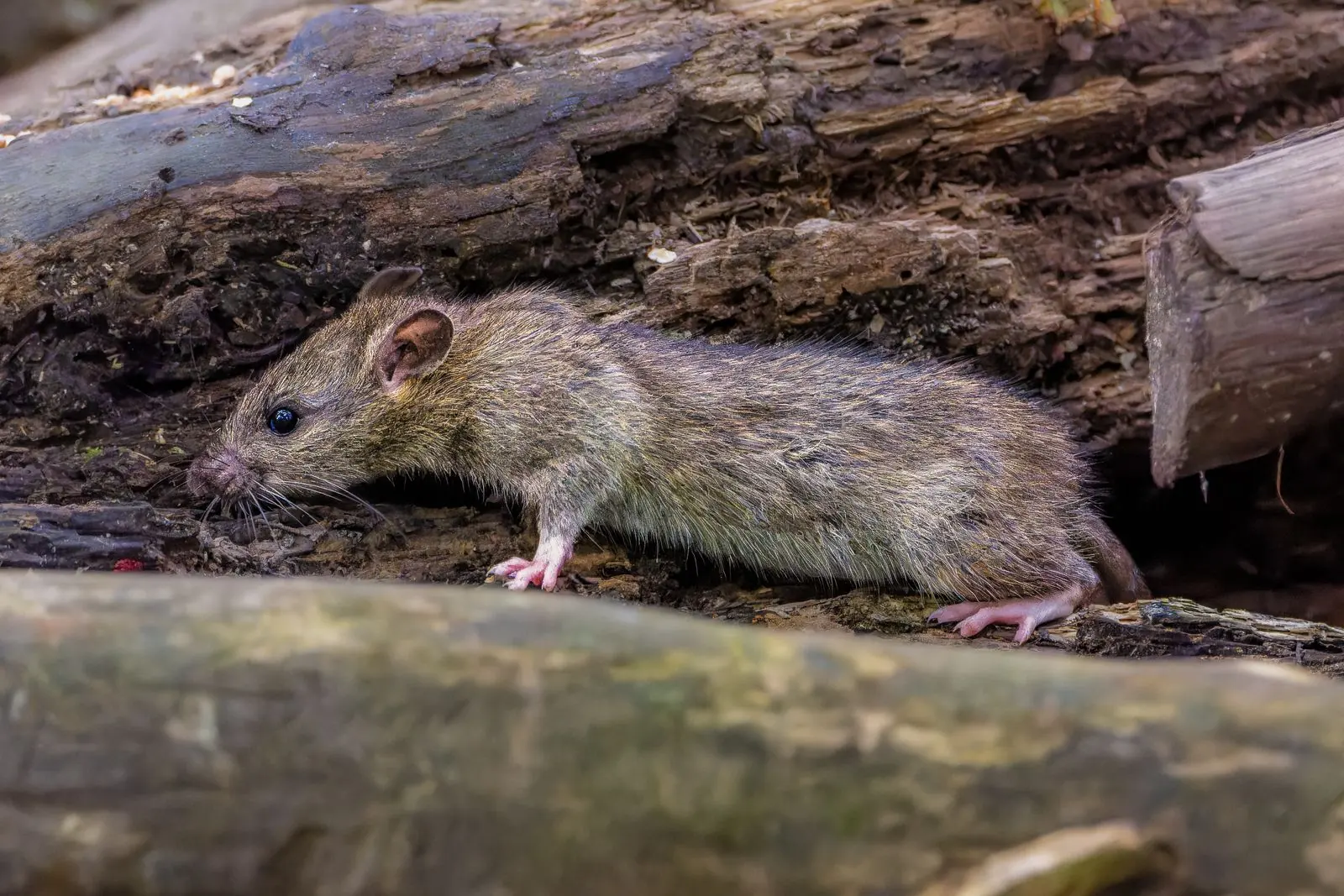
Maggots falling from the ceiling almost always mean an animal has died in the roof space directly above that spot, usually a possum, rat or bird. The larvae have finished feeding on the carcass and are wandering off to pupate, and some drop through gaps around downlights, cornices or the manhole. It looks alarming, but it's a clear signal: the source is close, and removing it stops the maggots.
Our roof and ceiling dead animal removal service deals with exactly this situation across Melbourne. Here's what's happening, what to do right now, and what not to try.
Why maggots fall from the ceiling
When an animal dies in a roof, blowflies find it quickly and lay eggs. The eggs hatch into maggots that feed on the carcass for several days. Once they're fully grown, they leave the body to find a dry, sheltered place to turn into pupae, and they'll crawl a surprising distance to do it.
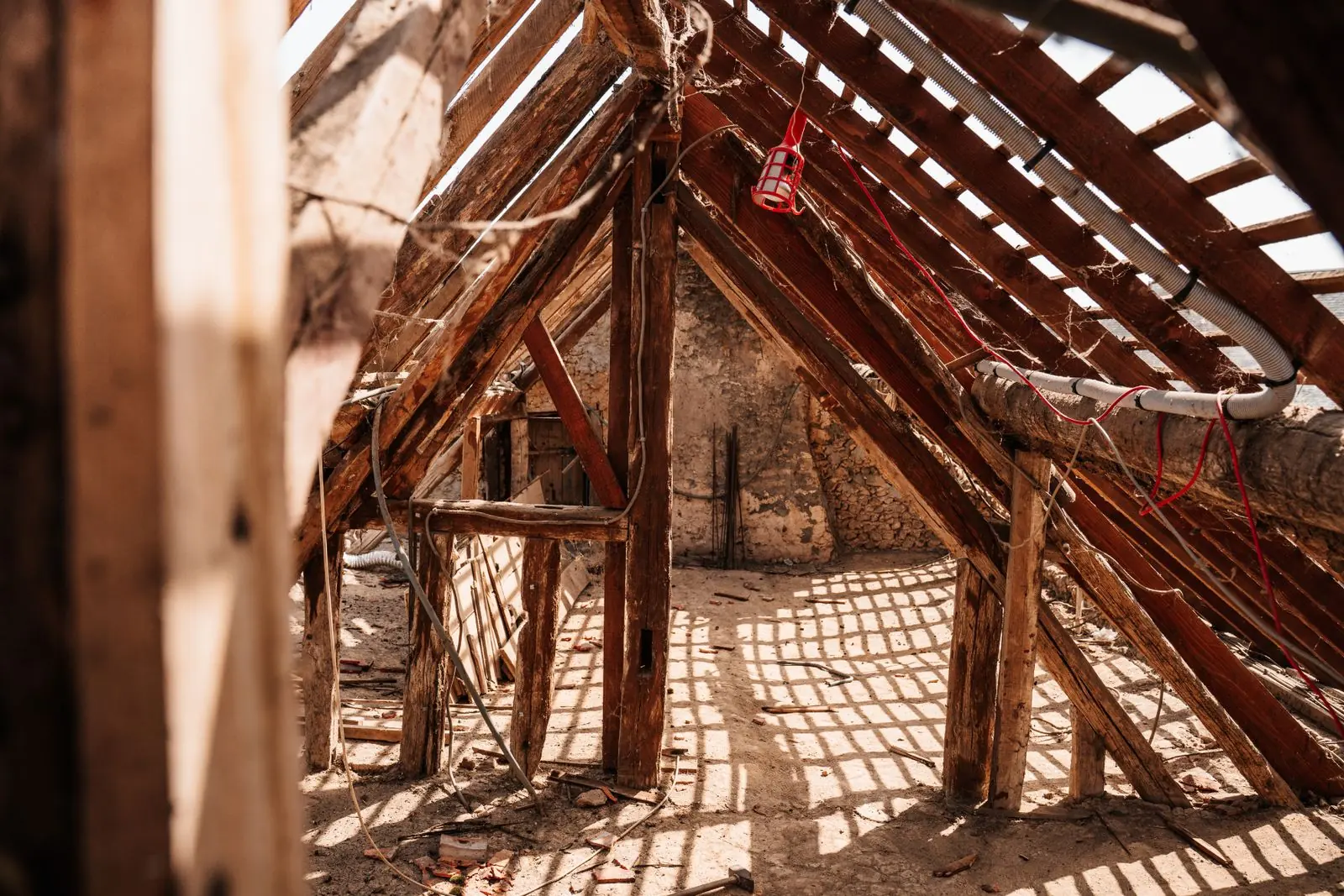
In a roof space, that means crawling along joists and through insulation. Wherever there's a gap in the ceiling, some of them fall through. You'll often find them on the floor, the bench, a bed or a windowsill underneath a downlight, a ceiling rose, an exhaust fan or a cracked cornice.
Seeing maggots usually means the carcass has been there for at least several days. You may also have noticed blowflies or a smell beforehand; if flies came first, our guide on sudden blowflies in the house explains that stage.
What to do right now
- Clear the area underneath. Move food, dishes, children's toys and bedding away from the spot. Keep pets and young children out of the room.
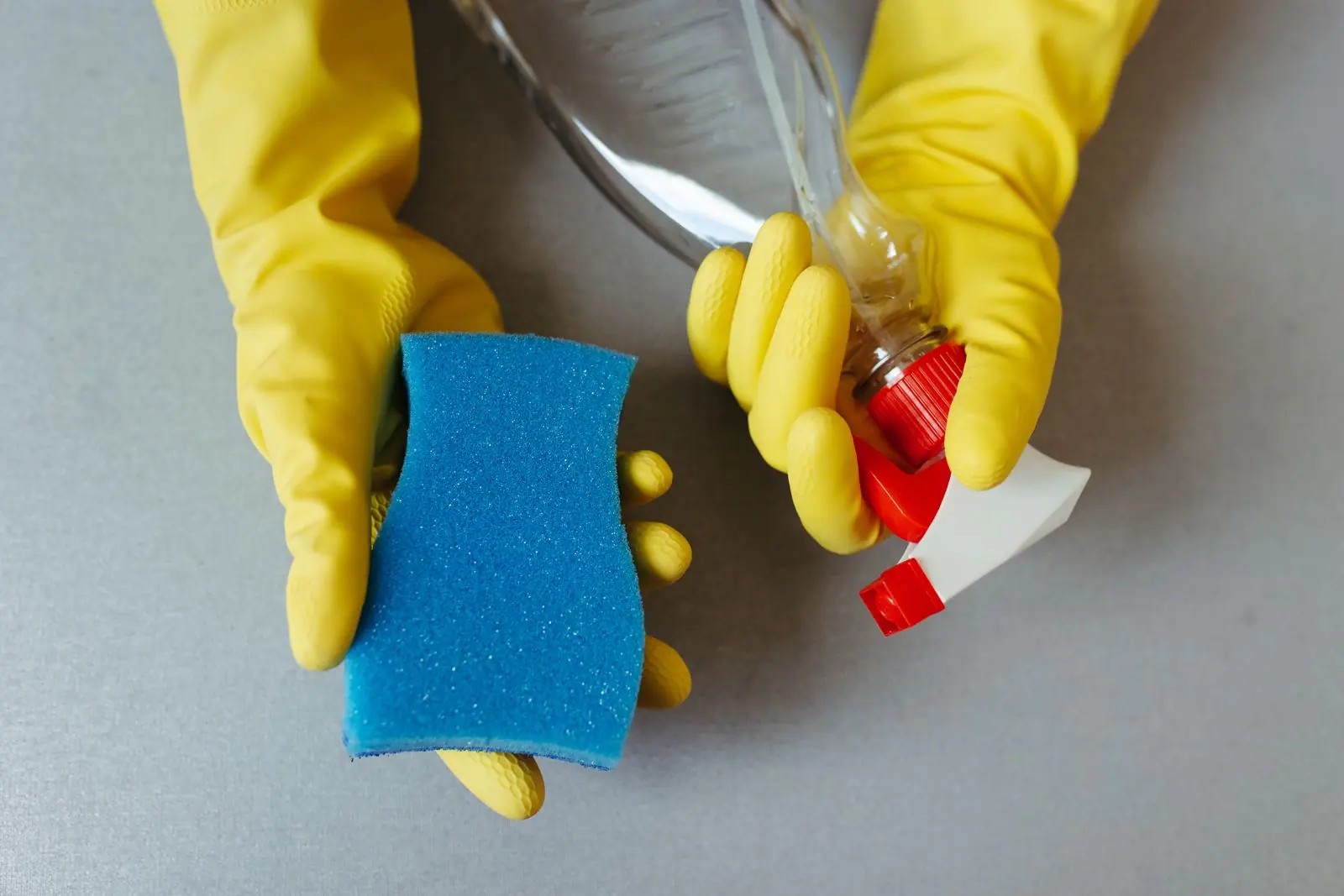
- Clean up the larvae. Wear disposable gloves. Vacuum or sweep them up, seal them in a bag and put it in the general waste (red-lid) bin.
- Wipe surfaces. Clean the floor or bench with detergent and then a household disinfectant.
- Cover the gap temporarily. A piece of tape or a sheet of paper taped over the edge of a downlight or vent can reduce the number falling into the room. Don't seal it permanently yet.
- Note the exact spot. Mark where they're dropping. That's the best clue to where the animal is.
- Get the carcass removed. The maggots won't stop while the source is there.
What not to do when maggots are falling from the ceiling
- Don't spray insecticide up into the roof. It may kill some larvae, but the carcass stays, more flies keep coming, and the chemicals end up in the air you breathe.
- Don't pour boiling water or bleach near electrical fittings. A downlight is the last place you want liquid.
- Don't seal the ceiling gaps for good while the animal is still up there. The larvae and flies will find other gaps, and the smell will build.
- Don't step between the joists if you go up into the roof. Plaster won't take your weight.
- Don't go onto the roof to lift tiles, especially in rain or wind.
Are maggots from a dead animal dangerous?
Maggots don't bite and won't infest healthy people or furniture. The concern is hygiene: they've been feeding on a decomposing animal and can carry bacteria onto surfaces they crawl across. Flies that hatch from them do the same. Clean any surfaces they touch, wash your hands after cleaning up, and keep food covered until the source is removed.
The carcass itself, its fluids and any droppings pose the bigger risk, particularly if the animal was a rat. Our guide on whether you can get sick from a dead animal covers the main health concerns.
How a carcass is removed from above the ceiling
The spot where maggots are falling usually tells a technician where to start. The usual approach is:
- access the roof space through the manhole and work across the joists to the area above the drop point;
- locate the carcass, often under or within the insulation;
- bag it, along with the soaked insulation, nesting material and any remaining larvae;
- disinfect the joists and ceiling plaster around it;
- deodorise the area, often fogging the roof space so treatment reaches tight spaces.
If the animal is in a section with no roof access, such as a raked or cathedral ceiling, or it has slipped into a wall cavity, a small inspection hole may be needed. How a dead animal is removed from a wall cavity explains how that's kept small.
Costs depend on how easy the roof is to get into, where the animal is, its size and how much insulation needs replacing. Our dead animal removal cost page explains what makes a job quicker or longer.
Repairing the ceiling and stopping it happening again
If fluids have soaked through, you may see a yellowish or brown stain on the plaster. Once the area is dry and clean, the stain can usually be sealed with a stain-blocking primer and repainted. Soft or sagging plaster needs a patch.
The bigger question is how the animal got in. In Melbourne, possums are by far the most common large animal in roofs; our guide on a dead possum in the roof covers that situation specifically. Check for:
- loose, cracked or slipped roof tiles;
- gaps at the eaves or around the gutter line;
- unscreened roof vents or old exhaust outlets;
- tree branches touching or overhanging the roof.
Only close up entry points once you're sure nothing is living in the roof. Sealing a live animal inside is how this problem starts in the first place. Our guide to stopping animals getting into your roof has a full checklist.
Need it gone today? If maggots are dropping into your home, we can remove the animal above, take out the soiled insulation and treat the roof space, often the same day. Call (03) 9125 4024 or send us a message.