Other Animals
Backyard Chickens Dying? Disposal and When to Report It
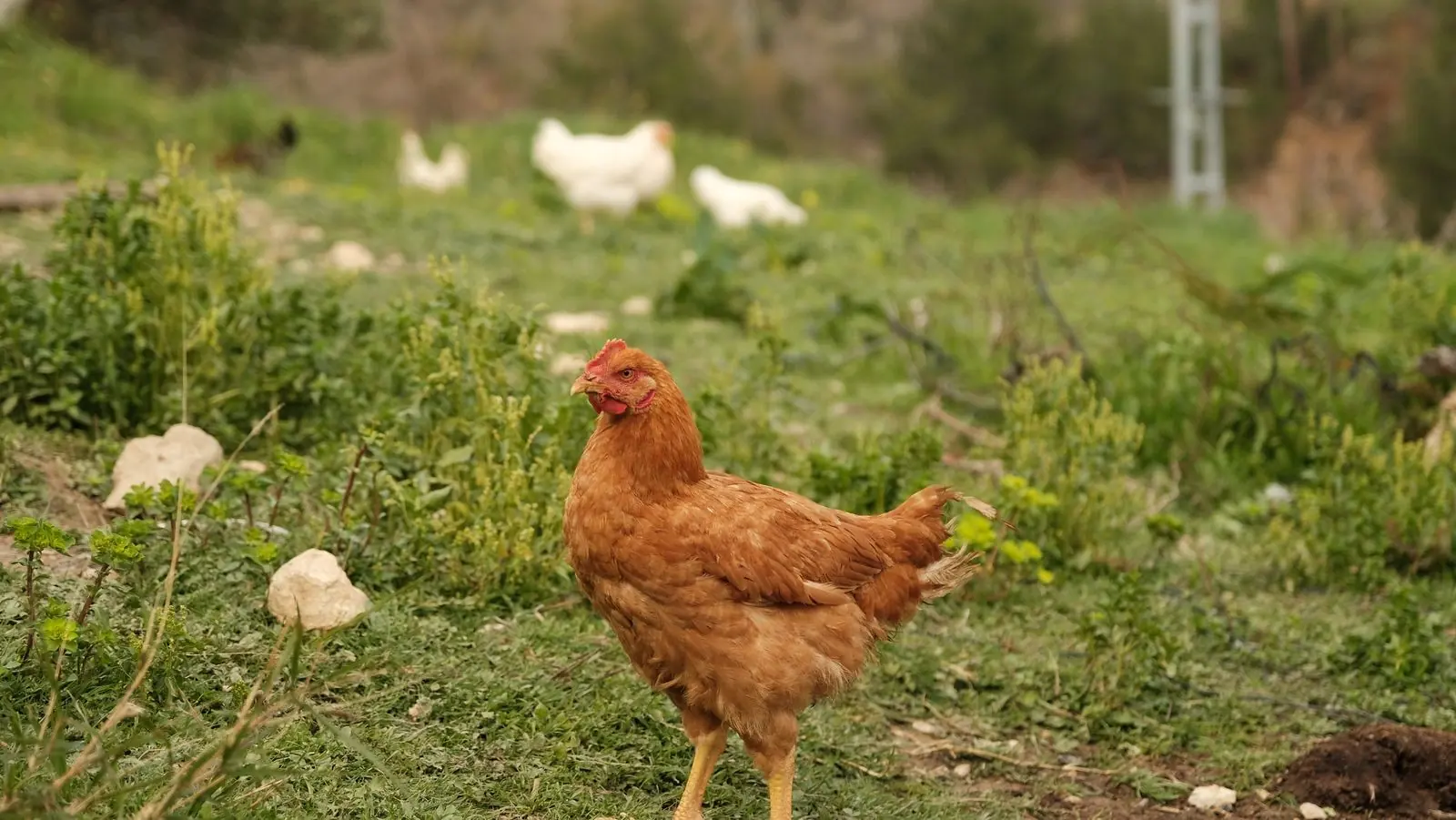
If one backyard chicken has died and the others look healthy, you can usually deal with it yourself: glove up, double-bag the bird and put it in the general waste bin, or bury or cremate a much-loved hen. If several chickens or ducks have died suddenly, or birds are dying one after another, don't dispose of them yet. Call the Emergency Animal Disease Watch Hotline on 1800 675 888 first, and avoid handling the birds while you wait for advice.
That one difference, a single death versus sudden or multiple deaths, decides almost everything about dead chicken disposal. Victoria has had avian influenza outbreaks in poultry, and backyard flocks matter for disease watching just as much as commercial farms. This guide walks through both situations. If you'd prefer someone else to handle it, our dead bird removal service covers backyard poultry as well as wild birds.
One chicken or several? Start here
| What you're seeing | What to do |
|---|---|
| One older hen died, the rest of the flock is eating, drinking and laying normally | Handle and dispose of it yourself, with gloves |
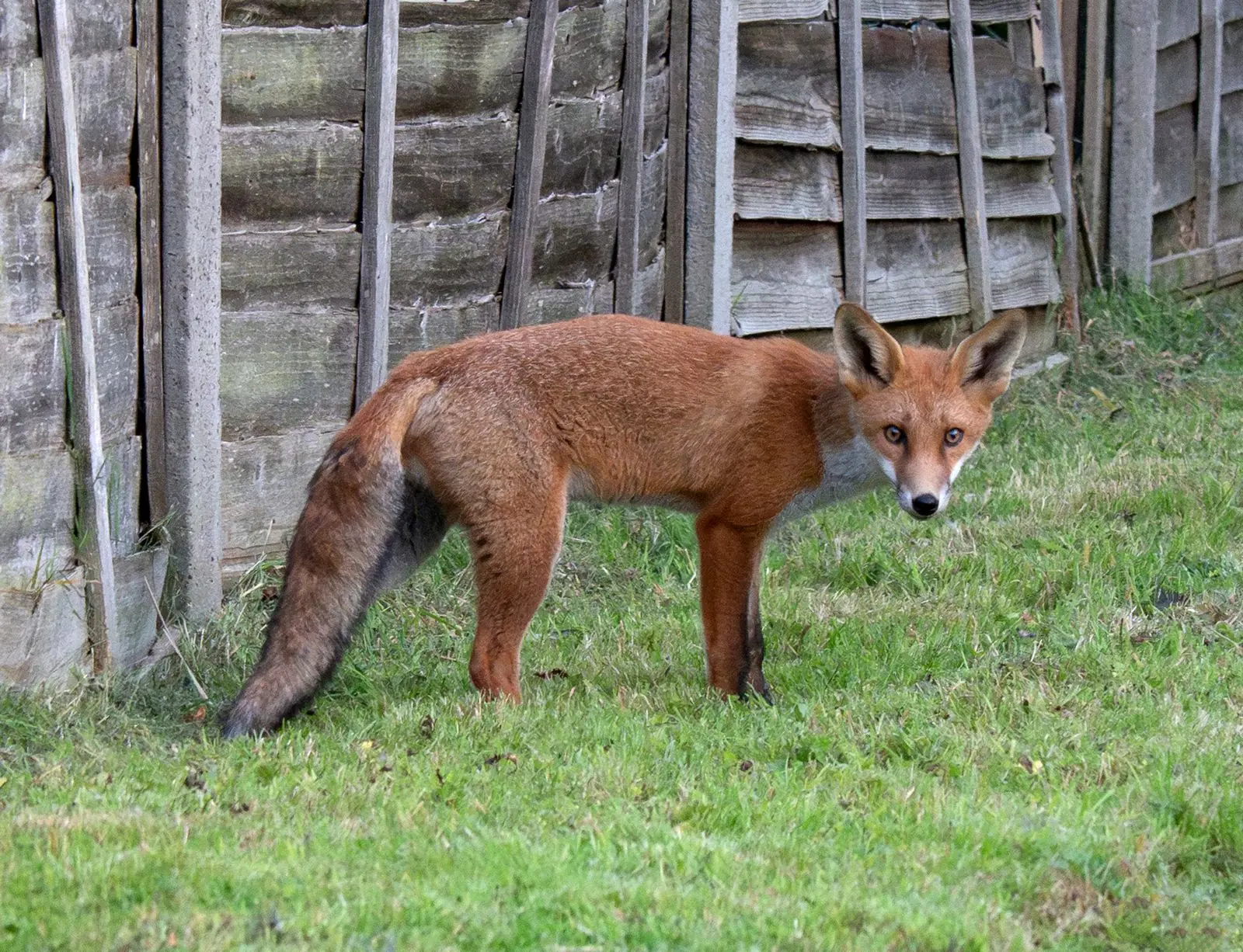
| A chicken taken or killed by a fox, dog or other predator, with obvious injuries | Dispose of it yourself and check the run for gaps |
| Two or more birds died suddenly, within a day or two | Call 1800 675 888 before disposal; leave the birds where they are |
| Other birds in the flock looking unwell, off their food or suddenly not laying | Call the hotline and your vet; keep the flock confined |
If you're unsure which row you're in, treat it as the more serious one and make the call. It's far better to report something that turns out to be ordinary than to dispose of birds that needed testing.
Sudden or multiple deaths: report before you dispose
The Emergency Animal Disease Watch Hotline exists so that unusual animal deaths can be looked into early. You don't need to be a farmer to call. When you ring 1800 675 888, have this ready:
- how many birds you keep, and how many have died or look unwell;
- when the deaths started and how quickly they happened;
- any signs you noticed before they died;
- whether wild birds visit the run or share a water source;
- your address, so they can tell you what happens next.
While you wait for advice:
- Don't touch the birds or move them unless you're told to.
- Keep the rest of the flock in the coop and keep other animals, including dogs and cats, away from the run.
- Don't give away eggs or birds or take any to a neighbour's place until you know more.
- Use dedicated boots for the run and wash your hands well after any contact with the area.
Do what the hotline tells you about disposal, even if it's different from the usual advice below. Our wider guide on what to do when you find a dead bird in Victoria also explains reporting for wild birds.
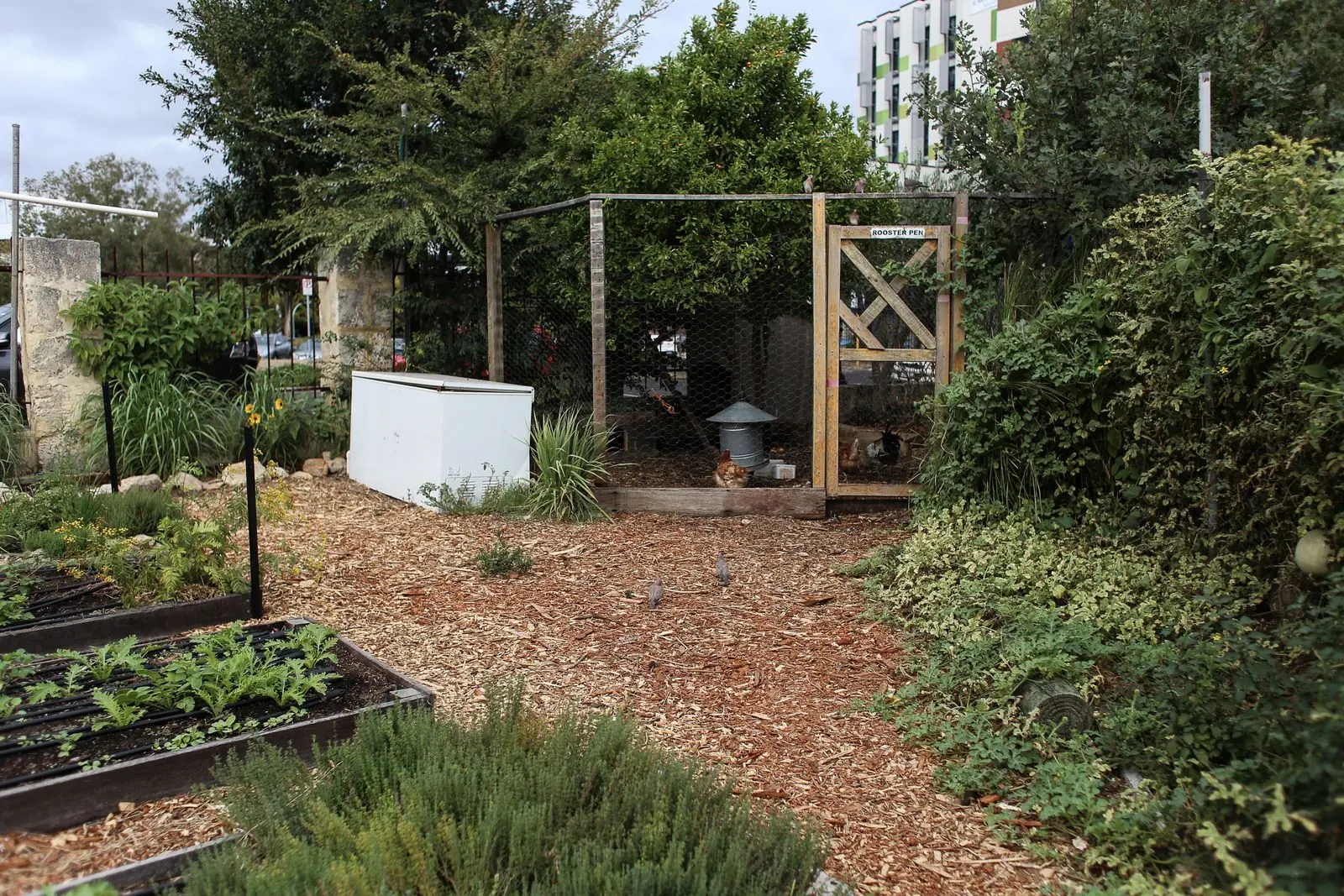
Dead chicken disposal when it's a single bird
Hens get old, and some simply die overnight with no warning. If the rest of the flock is behaving normally, you have three common options.
General waste bin
Wearing disposable gloves, pick the bird up through an inverted plastic bag, tie it off and put it into a second bag. A small hen will normally fit in the red-lid bin once double-bagged; a large rooster or duck may not leave room for anything else. The recycling and green-waste bins are off limits. Our article on picking up a small dead animal safely has more on the inverted-bag technique.
Burial in the garden
Many families want to bury a favourite hen. Backyard burial of animals is allowed in many Victorian council areas, with conditions, and the rules differ from council to council. Dig deep enough that foxes and dogs won't dig it back up, keep away from water tanks and the vegie garden, and ask your landlord first if you rent. Our guide on burying a pet in your backyard in Victoria covers the usual conditions.
Cremation through a vet
A vet can often arrange cremation through a pet crematorium, which some families prefer for a bird that was part of the household. If you're not sure why the chicken died, a vet is also the person to ask whether it's worth checking the rest of the flock.
Germs to keep in mind
Even healthy-looking poultry can carry salmonella, and a dead bird quickly attracts flies. None of that is a reason to panic, but it is a reason to be careful:
- wear disposable gloves, and a P2 mask if you're cleaning a dusty coop;
- keep children out of the run while you clean up;
- wash your hands with soap and warm water afterwards, even if you wore gloves;
- don't wash coop gear in the kitchen sink.
For a calm rundown of what people can actually catch, see can you get sick from a dead animal. The Better Health Channel has general Victorian health information on salmonella and handling animals.
Cleaning the coop afterwards
Once the bird has gone, give the spot where it died a proper clean. Scrape out soiled bedding and droppings into a bag for the general waste, wash perches and nest boxes with detergent and water, then apply a disinfectant and leave it on for the contact time stated on the label. Let everything dry before adding fresh straw or shavings. Our guide on how to disinfect after a dead animal goes through the cleaning steps in more detail. If the deaths were reported to the hotline, follow their instructions on cleaning instead, as they may want things left alone.
If a predator was involved, walk the fence line and check for holes, lifted wire and digging along the base, and make sure the coop is locked up at dusk.
When to call us
We can help when you'd rather not handle the birds yourself, when a hen has died somewhere awkward such as under the coop or a garden shed, or when a smell has built up because a bird went missing and wasn't found for days. We remove the bird, clean and sanitise the area and deodorise if needed. In any case involving sudden or multiple deaths, the hotline call comes first, and we'll work around whatever advice you've been given.
Need it gone today? If a hen has died under the coop or shed, or you just don't want to deal with it, we'll remove it and clean up the area. Call (03) 9125 4024 or send us a message.