Other Animals
Dead Fox in the Backyard or Under the Deck: What to Do
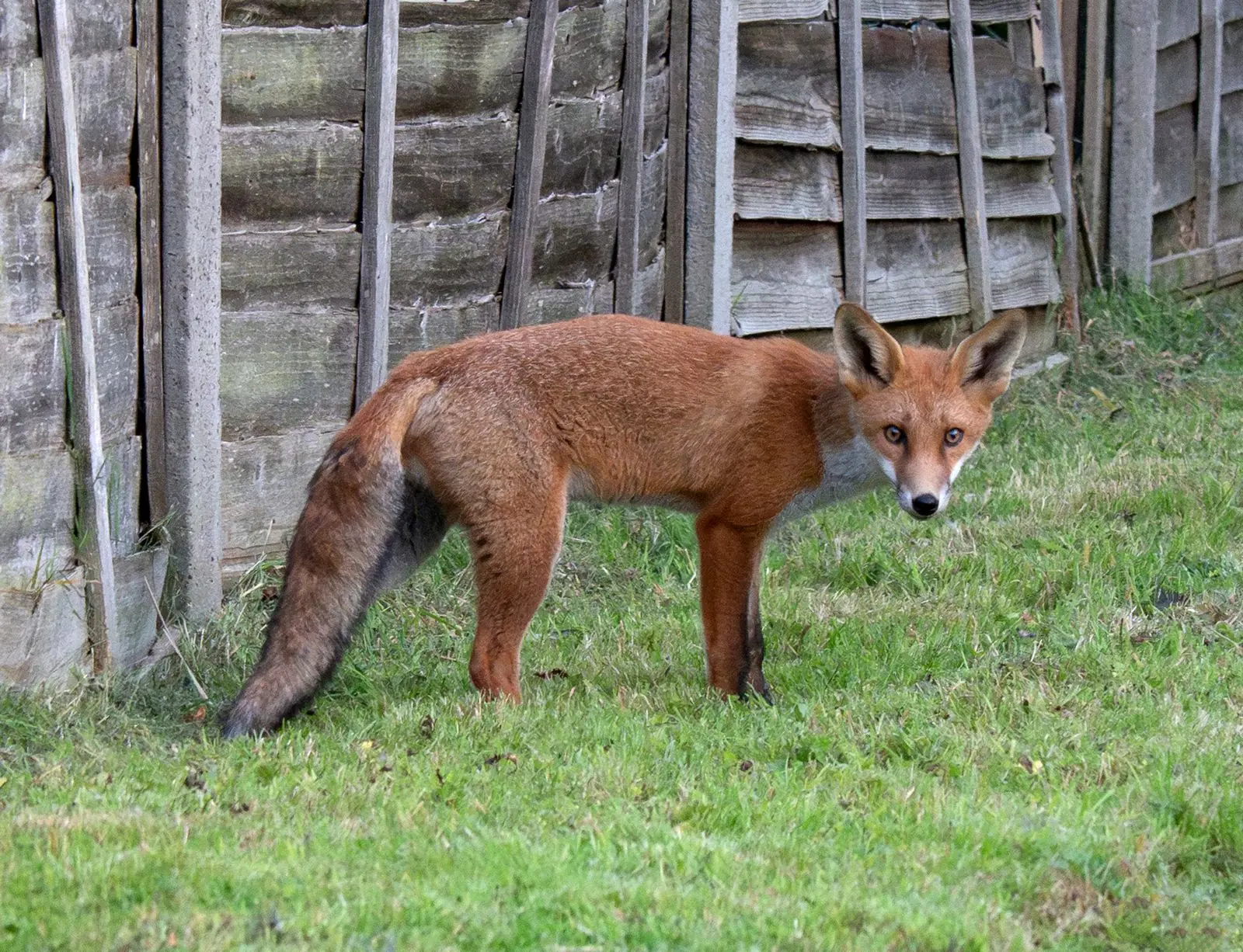
When a fox has died in your yard or crawled under the deck, keep pets and children away from it, don't touch it with bare hands, and decide whether you can safely move it yourself or need it removed. A fox lying in the open can be lifted with gloves and a shovel into heavy-duty bags; one that has crawled under a deck, house or shed is usually best left to a professional. When it comes to dead fox removal, most Melbourne councils won't collect a dead animal from private property, though they deal with ones on local roads and nature strips.
Foxes are common across Melbourne, from inner suburbs like Fitzroy and Brunswick to the outer fringes, and they often shelter under decks and garden sheds. When one dies on your property, the first sign is often a strong smell or a cloud of flies. Our carcass removal service in Melbourne handles fox removal from yards, decks and subfloors, often the same day.
Dead fox removal: first steps
- Bring dogs and cats inside. Dogs especially are drawn to a fox carcass and may roll in it, chew it or eat it. You won't know why the fox died, and it could have been ill or eaten something poisonous.
- Keep children away and explain that it mustn't be touched.
- Check where it is. In the open lawn or garden bed is a straightforward job. Under a deck, inside a shed wall or beneath the floor is a much harder one.
- Look at its condition. A fox that has only just died is easier to move. One that has been there a while may be badly broken down, with fluids and maggots, and needs more careful clean-up.
If your dog has already been at it, wash its face and paws and call your vet for advice. For more on what can go wrong, read our advice on dogs getting into dead animals.
How to move a dead fox from the yard yourself
A fox is roughly the size of a small dog, so it's heavier and bulkier than most people expect. If it's in the open and you're comfortable, here's how to do it safely.
- Gear up: disposable gloves (two pairs is better), a P2 mask, closed shoes and old clothes you can wash straight away.
- Use a shovel or spade to slide under the body, rather than lifting it with your hands.
- Bag it twice. Use thick garbage bags or a builder's bag, tie each one off, and keep the bag upright.
- Ask your council about disposal. The red-lid bin is fine for little animals like rats and birds, but a fox is a fair bit bigger, so confirm what your council will take. Recycling and green bins are not an option.
- Clean the spot. Hose away any fluids, then apply a disinfectant to hard surfaces. Wash your tools and hands thoroughly.
Gloves, bagging and clean-up are covered in more depth in our safe carcass handling guide.

Dead fox under the deck, house or shed
Foxes often den in the dry, sheltered space under a deck or a raised floor, and an animal that's sick or injured will crawl into those spots to hide. That makes them hard to get out. Please don't wriggle into a tight subfloor after it. Space is cramped, ventilation is poor, and decomposition fluids, flies and maggots are unpleasant to work around.
When we remove a fox from under a deck or house, the team locates it first, then gets access with as little disturbance as possible, sometimes by lifting one or two boards rather than crawling the whole length. Once the body is out, we remove contaminated soil or debris, sanitise the area and treat the odour. Our page on dead animal removal from under houses and decks describes this kind of job, and our piece on who to ring about an animal dead under the house explains the options.
If you smell it but can't see it
A strong, sweet, rotten smell around a deck or shed, plus flies coming and going from one gap, usually means the animal is close to that opening. Garages and sheds have their own hiding places, from behind shelving to under workbenches; our guide to dead animal smell in the garage or shed lists where to look.
Will the council remove a dead fox?
It depends on where it is. If the fox is on a local road, footpath, nature strip or park, report it to your local council, which generally handles dead animals on council land. Freeways and major arterials fall to the Department of Transport and Planning instead. If it's inside your fence, most councils treat it as the property owner's job. There's more detail in our explainer on council help with dead animals on private land, but it's always worth checking with your own council.
Live foxes and cubs
We remove dead animals, not live ones. If you see a live fox that looks unwell or has cubs under your deck, contact your council or a pest animal controller for advice on what's allowed in your area. Please don't block a den entrance while foxes may still be inside, because animals trapped under a structure can die there and leave you with a much bigger smell problem.
Once the area is clear, making it harder for animals to get under the deck or shed, with mesh or skirting that's dug into the soil, reduces the chance of it happening again.
What fox removal costs
There's no single price, because a fox on the lawn is a very different job from one deep under a floor. The fox's position, the access, the hour we come out and the amount of sanitising all shape the price. You can read how those pieces fit together on our dead animal removal cost page, and we're happy to talk it through on the phone before we come out.
Need it gone today? Fox in the yard, the shed or under the deck? We'll take it away, clean up and tackle the odour. Call (03) 9125 4024 or send us a message.