Other Animals
Found a Dead Bat? Why You Shouldn't Touch It (Victoria)
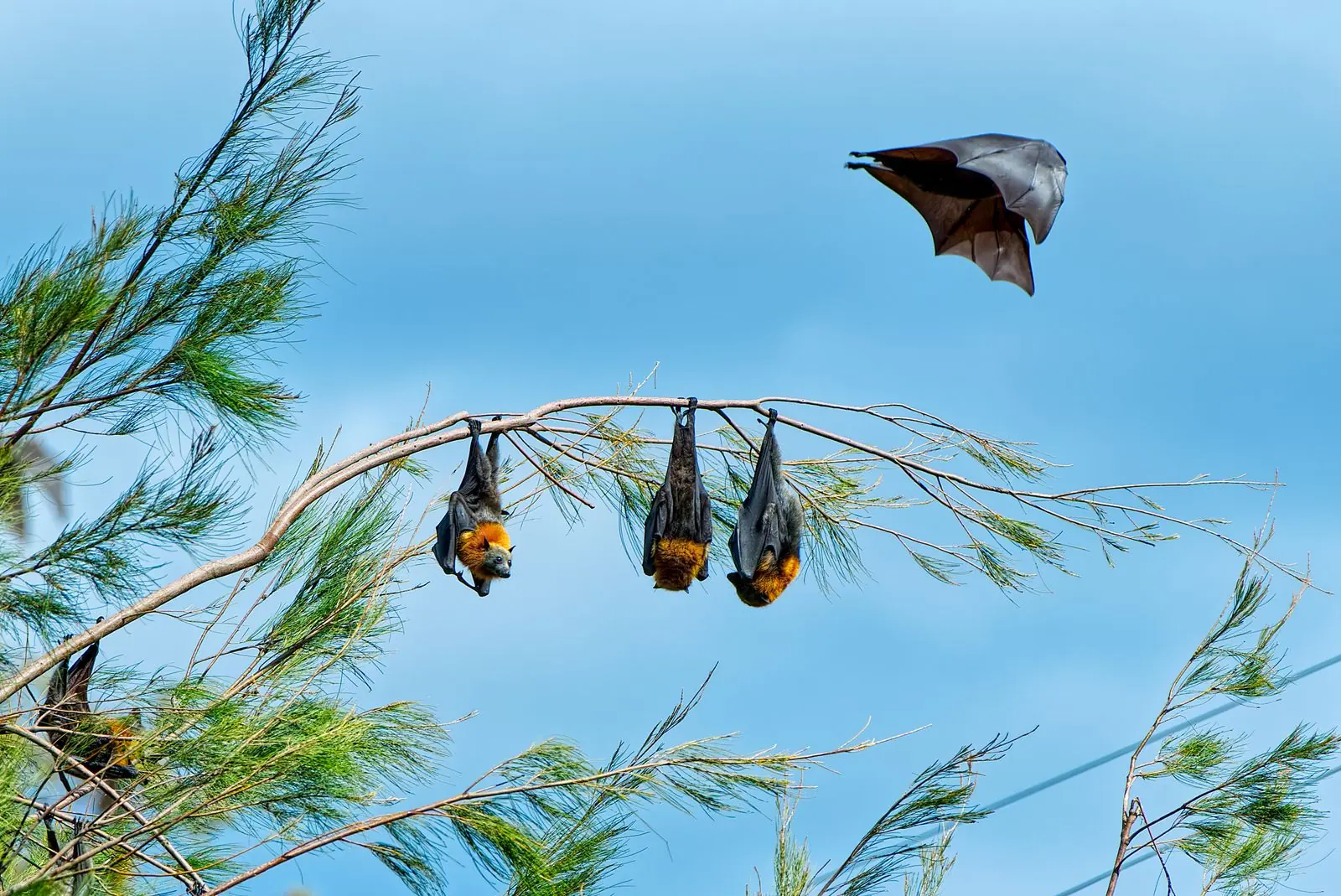
If you have found a dead bat, don't touch it with your bare hands, even for a moment. Australian bat lyssavirus is found in some of our native bats, and that risk applies to dead bats as well as live ones. Keep children and pets away, and either scoop the bat into a bag with a shovel while wearing thick gloves, or leave it for a professional to collect. If anyone has been bitten or scratched, wash the wound with soap and water for 15 minutes and see a doctor the same day.
Bats are a more common backyard find around Melbourne than many residents realise: tiny microbats under eaves or in pool filters, and grey-headed flying-foxes caught in fruit-tree netting or under power lines. Most are harmless to leave alone, but a bat is the one small animal where we strongly suggest you don't improvise. If you would rather not deal with it, our carcass removal service in Melbourne can collect it, and you can ring any time, day or night.
Why you shouldn't touch a dead bat
Australian bat lyssavirus is related to rabies. It is carried by some Australian bats, and you can't tell by looking whether a particular bat has it. Because the virus can be passed on through a bite or scratch, or through saliva getting into an eye, the mouth or broken skin, health authorities advise that only trained and vaccinated people handle bats.
A dead bat still has teeth and claws, and wing bones can be surprisingly sharp. Picking one up to look at it, or trying to unhook it from netting with your fingers, is exactly the kind of contact that leads to scratches. The Better Health Channel has general information about bat-related infections if you want to read more.
Bats are also a general hygiene concern, like any dead animal. For the broader picture on bacteria and flies, read our piece on illness risks from dead animals.
Found a dead bat: what to do, step by step
- Check from a distance that it really is dead. Bats often lie still and look lifeless when they are cold, exhausted or injured. If it moves, breathes or has a baby clinging to it, treat it as a live animal (see below).
- Bring pets and children inside. Dogs and cats are curious about small animals on the ground, and a child may want to pick it up.
- Put on thick gloves. Leather gardening gloves are much better than thin disposable ones for this job. A P2 mask is sensible too.
- Use a shovel or dustpan, not your hands. Slide it under the bat and tip it into a strong plastic bag.
- Double-bag it and seal it. A small bat can then be placed in the red-lid general rubbish bin. The yellow recycling and green garden bins are the wrong place for it.
- Clean up. Wash the shovel with hot soapy water and disinfectant, remove the gloves carefully, and wash your hands well.
If you're not comfortable with any of those steps, simply cover the bat with an upturned bucket so nothing can reach it, and call someone to collect it. For equipment and bagging tips that apply to most small carcasses, see our safe pick-up and disposal guide.
If the bat is alive, injured or tangled
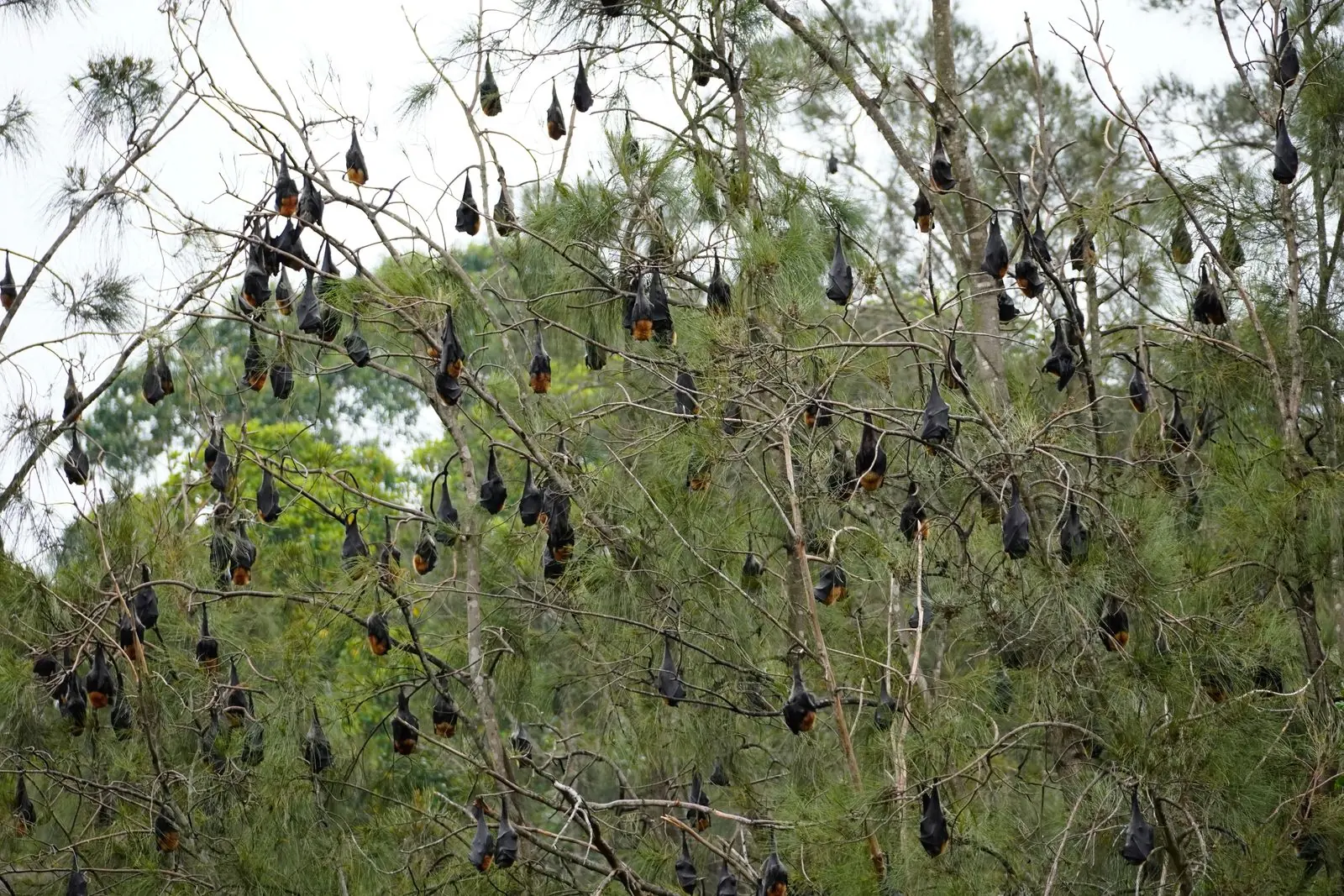
Live bats and flying-foxes are not something we handle. Phone Wildlife Victoria, (03) 8400 7300, and they can arrange a trained, vaccinated rescuer. You can also find information on the Wildlife Victoria website.
- Don't try to free a flying-fox from netting yourself. Cover the area with a towel or sheet to calm it if you can do so without touching it, keep everyone back, and wait for the rescuer.
- Don't assume a still bat is dead. A cold microbat can be in a sleep-like state and wake when handled.
- A dead flying-fox with a pup attached also needs a call to Wildlife Victoria, because the baby may still be alive.
Bitten, scratched, or your pet got hold of it
If a person had contact
Wash any bite or scratch straight away with soap and running water for a full 15 minutes, then see a doctor that day, even if the wound looks minor. If bat saliva may have got into someone's eyes or mouth, rinse well and get medical advice. If you're unsure whether there was a scratch, for example a child picked the bat up, ring your doctor and explain what happened rather than waiting to see.
If a dog or cat found it
Put on gloves before you take the bat away from your pet, and don't put your hand near its mouth while it is holding the bat. Then call your vet for advice. There's more on pets and carcasses in our article about dogs that find or eat dead animals.
Dead bats in roofs, walls and pools
Microbats are small enough to roost in gaps under roof sheeting, in wall vents and behind cladding. Occasionally one dies inside, and you'll notice a small but persistent smell, or flies around a vent. Pool skimmer baskets are another place people find them, because bats drink on the wing and sometimes can't climb out.
For a bat in an awkward spot, such as a wall cavity, chimney or the far corner of the eaves, we can locate it, remove it with the right equipment and treat the area. We'll also point out the gap it used. Please don't seal a gap you've seen bats using without advice, because live bats may still be roosting there, and they are protected native wildlife.
Disposing of a dead bat at night or on the weekend
A bat on the patio at 10 pm doesn't need to wait until Monday, but it doesn't need to be rushed either. Covering it and keeping animals and kids away is enough until you or someone else can collect it safely. If it happens after hours, our tips for a dead animal discovered at night or on a weekend cover the wait. If you find several dead bats at once, mention it when you call Wildlife Victoria, so they're aware.
Need it gone today? Would you rather nobody at home handled that bat? We can come out and remove it safely. Call (03) 9125 4024 or send us a message.