Smells & Finding It
Dead Animal Smell in the Garage or Shed: Where to Look
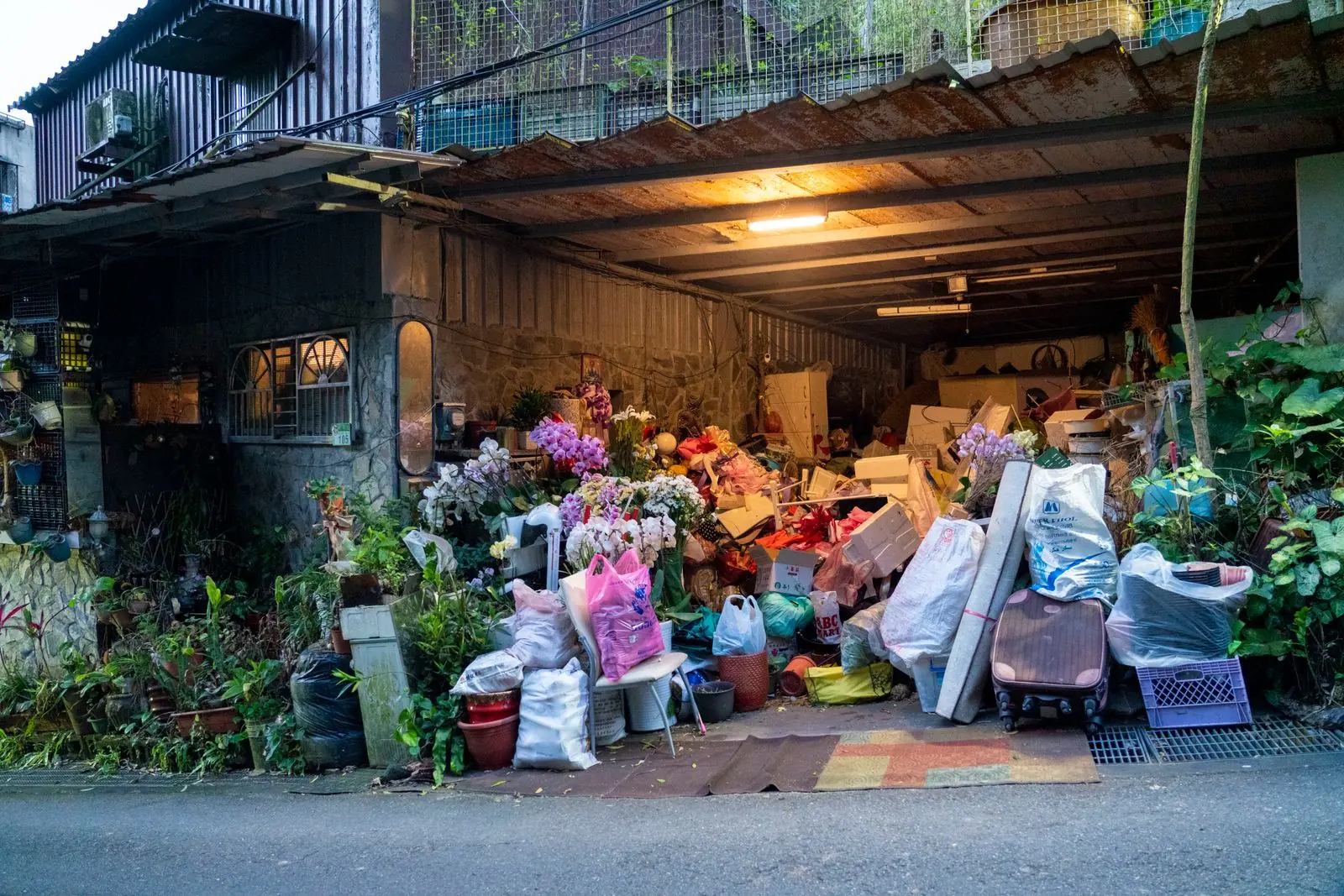
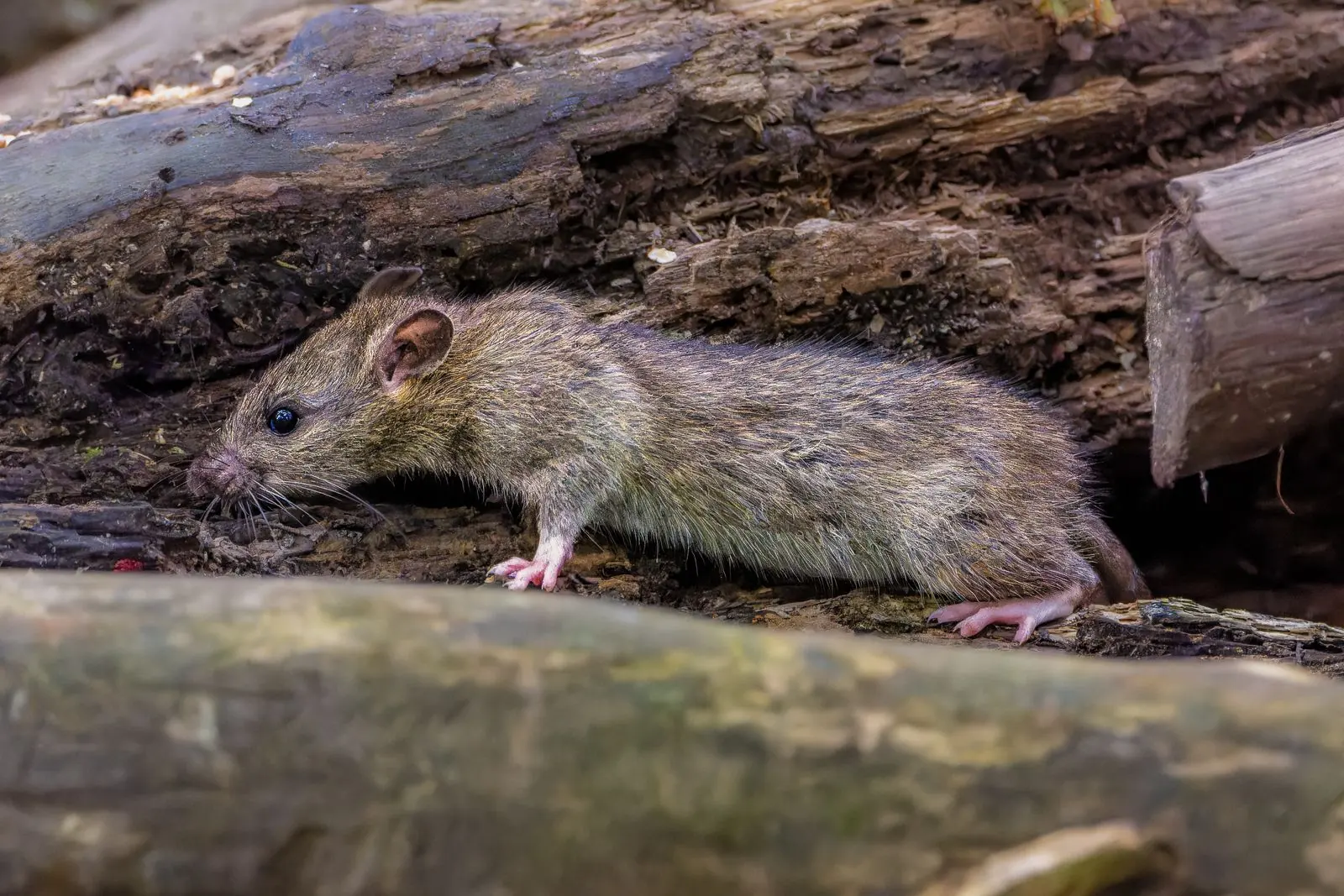
A dead animal smell in the garage is usually a rat, mouse or possum that has died behind stored boxes, inside the roller door housing, in the ceiling space above, or under a nearby slab edge or garden bed. In a shed, the most common source is an animal that crawled underneath the floor or into a gap behind wall sheeting. Before searching, check that a chest freezer or fridge out there hasn't quietly failed, because spoiled meat smells almost identical.
Garages and sheds are cluttered, rarely cleaned and full of hiding places, so a carcass can stay out of sight for a long time. If you can't find it, our dead animal smell removal team can locate the source and treat the area. Here's where to look first.
First, rule out the freezer and the bins
A second fridge or chest freezer in the garage is one of the biggest false alarms. A tripped power point or a failed seal can leave meat thawing for days without anyone noticing, and the result smells exactly like a dead animal. Open it and check before doing anything else.
Also look at wheelie bins stored inside, bags of lawn clippings, pet food or bird seed that has gone mouldy, and any bucket that has collected stagnant water. Once those are ruled out, you can start on the animals.
Where to look for a dead animal smell in garage storage
Rodents move into garages for shelter and food, especially when the weather cools. Work methodically through these spots:
- Behind and beneath storage. Boxes stacked against a wall, old furniture, rolled carpet and piles of timber are ideal nesting places. Move them out a metre at a time.
- Shelving and cupboards. Check the bottom shelf and the back corners, particularly where pet food, seed or fertiliser is stored.
- The roller door housing. The drum and motor cover at the top of a roller door make a sheltered ledge for rats and birds.
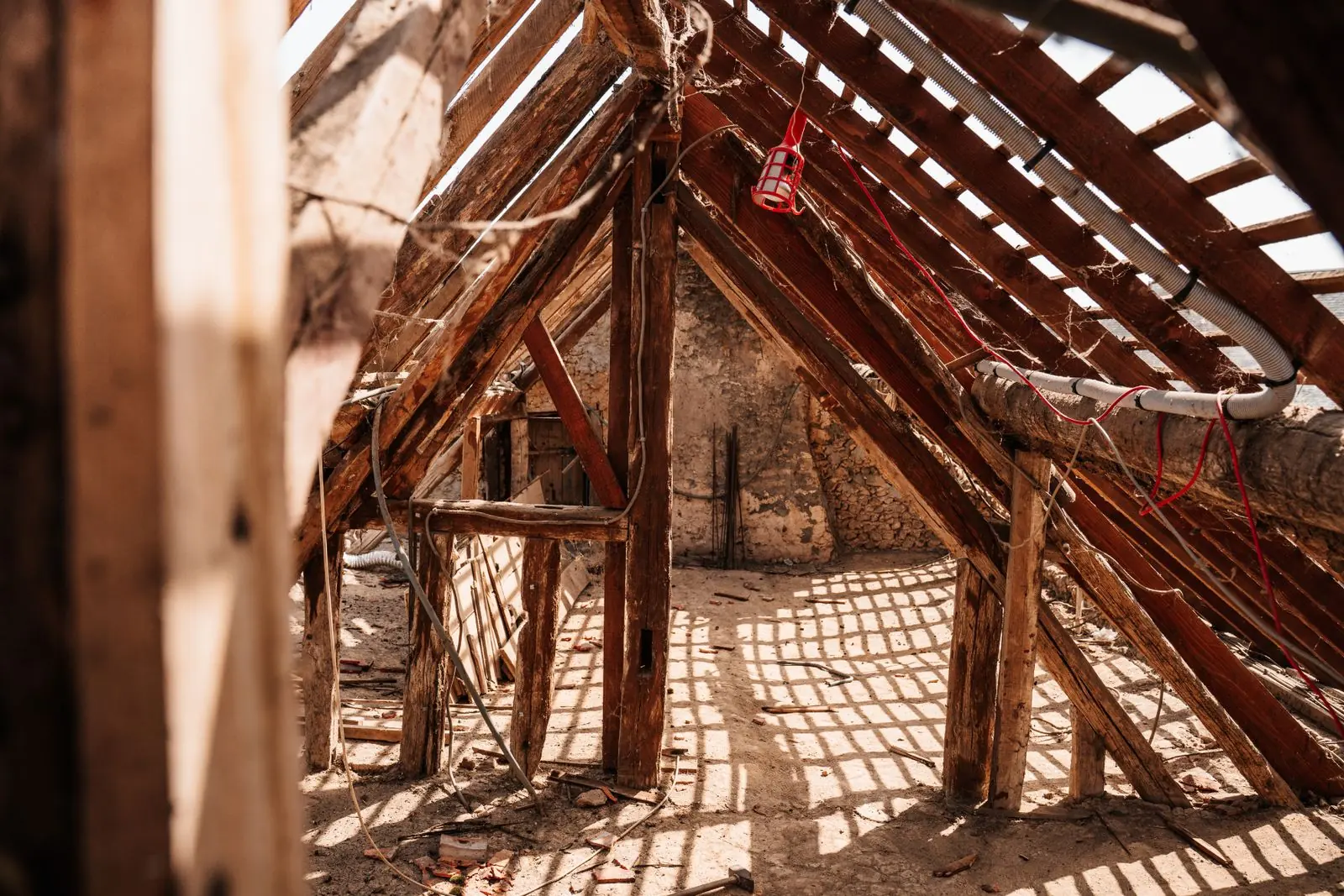
- The ceiling space. Many garages share a roof space with the house. If the smell is strongest high up, the animal may be on the ceiling lining or in the insulation.
- Wall cavities. Where an internal garage wall is lined, a rodent can die inside the frame. Sniff along the bottom plate and around power points.
- Floor drains and slab edges. Some garages have a floor waste, and the gaps around the slab where it meets brickwork can lead under the house.
Don't forget the car
Rats sometimes shelter in warm engine bays and can die there or in the air intake area. If the smell is strongest around the vehicle, or noticeably worse inside the cabin when the fan is running, have a mechanic check the engine bay and cabin air intake.
Where to look in a garden shed
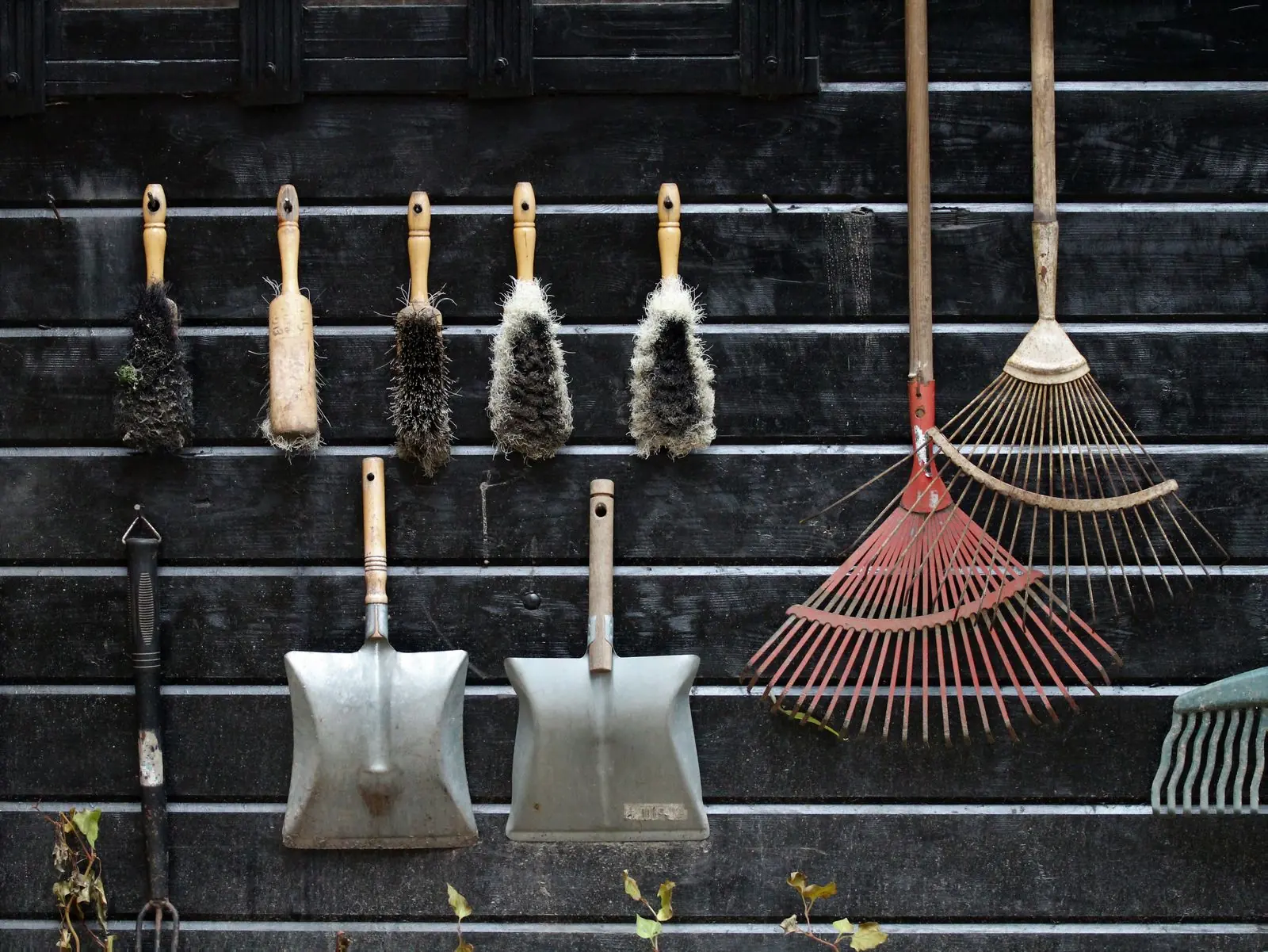
Metal and timber sheds are usually built on pavers, a timber floor frame or a thin slab, and the gap underneath is a favourite refuge. When an animal dies there, the smell rises through the floor and gaps in the walls.
- Walk around the outside of the shed first, sniffing at ground level on each side.
- Look for disturbed soil, a burrow or a gap where something has pushed under.
- Inside, check under shelving, behind the lawnmower and inside any stored bags or bins.
- Look up at the roof frame and the top of the walls, where birds and possums can get trapped.
- Watch for blowflies gathering at one corner, a sign you're close.
A larger animal under a shed or deck, such as a fox or a cat, will smell much more strongly and for longer than a rodent. Our guide to a dead fox in the backyard or under the deck covers that case. If the shed sits close to the house, the animal may actually be under the house itself; see dead animal under the house: who to call.
Be careful what you pick up
Sheds and garages are where people often find something they weren't expecting. Some precautions:
- Snakes. If you uncover a dead snake, don't pick it up by hand. A freshly dead snake can still bite by reflex, and all Victorian native snakes are protected. Use a long-handled shovel, or leave it for us. A live snake is a job for a licensed snake catcher. Our article on a dead snake in the yard has more on this.
- Baited rodents. If rat bait has been used in or near the garage, pick up any dead rodents quickly so pets and birds of prey don't eat them and get poisoned in turn. Our guide to rats dying after baiting explains why they often end up in hidden spots.
- Possums. A possum in a shed roof may be alive and simply sheltering. Don't try to grab or relocate a live one.
- Droppings and nests. Wear a P2 mask when clearing rodent nests, and dampen the material first to keep dust down rather than sweeping it dry.
Removing it and clearing the smell
A small carcass you can reach is usually a do-it-yourself job. With gloves and a mask on, lift it on a spade or through an inside-out bag, wrap it in a second bag and put it out with the household rubbish in the red-lid bin. Keep it out of the recycling and garden-waste bins. Our step-by-step guide to safely picking up a small dead animal walks through it.
Then deal with what's left behind:
- throw out cardboard boxes, rags or bags the carcass touched, as they absorb fluids and odour;
- scrub the floor or shelf with detergent, then disinfect;
- open the roller door or shed doors and let air move through for a day or two;
- check stored items nearby, especially fabric, for lingering smell.
Concrete floors are porous, so a stain can hold odour after the animal is removed. Repeated cleaning usually helps, and a professional odour treatment can deal with what's left.
Stopping it happening again
Garages and sheds invite animals in because they offer shelter and often food. Store pet food, chook feed and seed in sealed metal or heavy plastic containers. Fit brush seals to the bottom of roller doors and side doors. Keep stored items off the floor on shelving so there are fewer hidden corners, and close gaps around the base of a shed with mesh or pavers.
If you'd rather not search through a packed garage yourself, call us. The cost depends on where the animal is and how much needs moving to reach it; the dead animal removal cost page explains what affects it.
Need it gone today? If you can smell it but can't find it among the clutter, we'll locate the animal, remove it and treat the odour, often the same day. Call (03) 9125 4024 or send us a message.