Smells & Finding It
How a Dead Animal Is Removed From a Wall Cavity
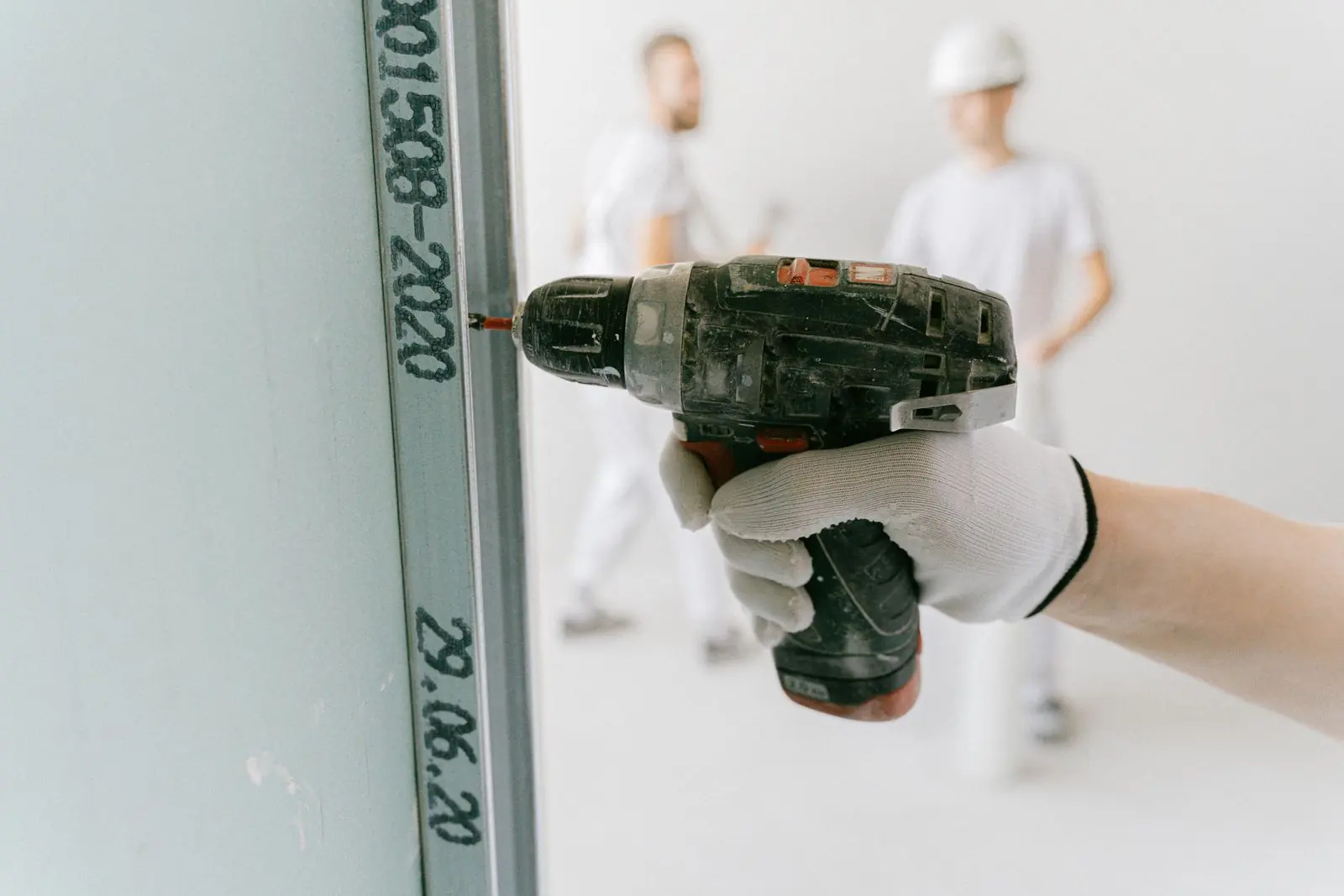
Dead animal in wall removal follows a fairly set sequence: pinpoint the spot, try to reach it from above or below without touching the wall, and only if that fails, cut one small, neat inspection hole close to the body. The animal, nesting material and any soaked insulation are taken out, the cavity is sanitised and deodorised, and you're left with a hole small enough to patch easily. It's usually far less destructive than people imagine.
Knowing what to expect makes the decision easier. This is a look at how our roof, ceiling and wall cavity removal work generally goes, and why each step matters.
Step 1: Narrowing down where it is
Walls don't come with windows, so the first job is detective work. A wall cavity in a typical Melbourne home is divided into bays by vertical studs, with horizontal noggings partway up. An animal can't move freely between bays, which helps narrow things down once the right section is found.
The clues we use include:
- Odour strength. Moving along the wall at different heights, smelling at power points, switch plates and skirting gaps, and noting where it peaks.
- Flies. Blowflies emerging from a power point, cornice gap or light fitting are a strong pointer.
- Stains or damp patches. Discolouration on plaster or a soft spot can mark where fluids have soaked through.
- Building layout. Where pipes and wiring run, where the roof and subfloor connect to the cavity, and how a rat or mouse is likely to have travelled.
- Your observations. Where you last heard scratching, where bait was laid, and when the smell started are genuinely useful.
If you'd like to try this stage yourself first, our guide on finding a dead animal by smell covers the method in more detail.
Step 2: Trying to reach it without opening the wall
Many wall cavities are open at the top into the roof space, or at the bottom into the subfloor. Before cutting anything, a technician checks whether the animal can be reached from there:
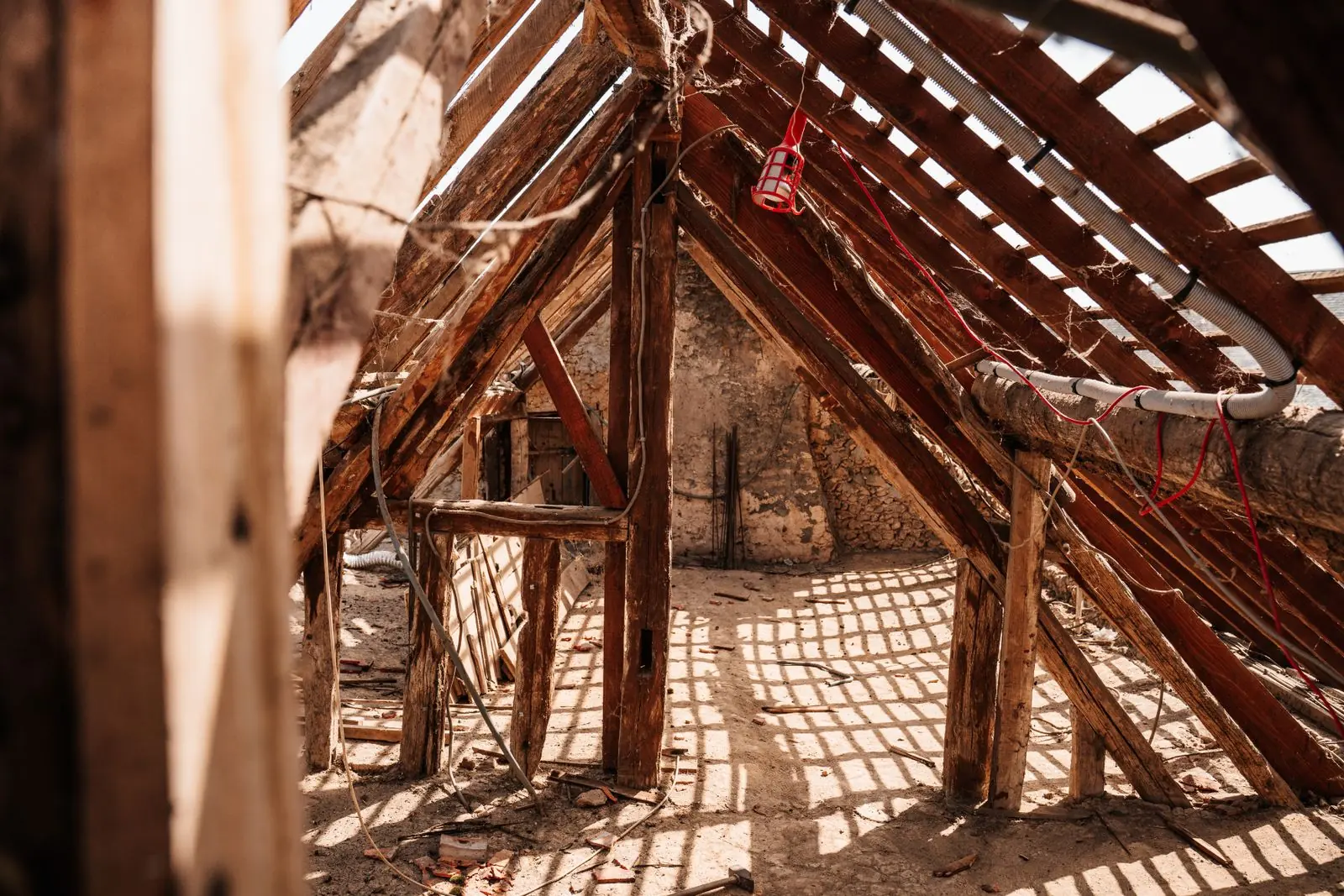
- From the roof space: looking down the top plate of the affected wall, especially in older homes where gaps are common. Small animals that fall into a cavity from the roof often end up just below.
- From the subfloor: in weatherboard and older brick homes, the bottom of the cavity may be reachable from underneath.
- Through existing openings: removing a power point plate, a vent cover, a kickboard or a section of skirting can sometimes give enough access without new damage.
When this works, it's the best outcome: no patching at all.
Step 3: Making a small inspection hole
If the animal can't be reached another way, we cut a small, neat inspection hole rather than a big one, positioned as close to the body as possible. A few things guide where it goes:
- it's placed within the right stud bay to avoid hitting framing;
- it avoids the line of power points and switches, where wiring usually runs;
- it's often set low, near the skirting, because many animals die at the bottom of the cavity, and a low patch is less visible;
- where possible it goes inside a cupboard or behind furniture.
Through the opening, the animal is located and removed with suitable tools. If the first look doesn't find it, the hole may need to be widened slightly or a second check made in an adjacent bay, but the aim is always minimal damage.
Tiled walls and other tricky surfaces
Bathroom and kitchen walls with tiles are harder. In those cases, access from the other side of the wall (for example, a hallway or bedroom) is usually preferred, so the tiled face isn't disturbed. Brick-veneer external walls are typically reached from the inside or the roof.
Step 4: Removing the body and contaminated material
The carcass is bagged and taken away for appropriate disposal. The job doesn't stop there, because what surrounds the body often holds as much smell as the animal itself:
- nesting material such as shredded paper, insulation and fabric;
- soiled insulation batts or loose fill directly under or around the animal;
- droppings and urine-stained debris;
- any maggots or fly pupae.
Removing this material is one of the biggest factors in how quickly the smell clears. Rats and mice can carry leptospirosis and salmonella, so this part is done with gloves, a mask and careful bagging.
Step 5: Sanitising and deodorising the cavity
With the cavity clear, the area is treated with a disinfectant suitable for the surfaces involved, then deodorised. Depending on the job, that might mean a targeted spray inside the cavity, treating the timber and the back of the plaster, and sometimes fogging the room or roof space to tackle odour that has spread. Our sanitising and odour treatment page explains the options.
Once the body is gone and the area is treated, most of the smell usually clears within a few days. If it doesn't, there may be a second animal or more soaked material, which our guide on why it still smells after removal covers.
Step 6: Advice on the hole and the way in
An inspection hole is small and usually a quick fix for a plasterer or handy homeowner with a patch kit, filler and paint. We'll also point out where the animal most likely got in, such as gaps under roof tiles, damaged vents or pipe penetrations, so you can seal them once you're sure nothing alive remains. See how to stop animals getting into your roof for proofing tips.
How long it takes and what affects the cost
A straightforward job with clear clues can be quick. It takes longer when the smell is spread out, the wall is tiled, there's more than one animal, or access from the roof or subfloor is tight. The same factors shape the price, along with the time of day and how much clean-up is needed. Our dead animal removal cost page explains this in more detail. If you're still deciding whether to act at all, read can you just leave a dead animal in the wall, and if the problem started after baiting, rats dying in walls after baiting is worth a look.
Need it gone today? If there's a dead animal in a wall cavity, we'll locate it with as little damage as possible, remove it and treat the smell, often the same day. Call (03) 9125 4024 or send us a message.