Possums, Rats & Birds
Found a Dead Bird? Safe Handling and When to Report It in Victoria
If you have found a dead bird, the safe approach is simple: don't touch it with bare hands, keep children and pets back, and look at how many there are. One bird with an obvious cause (a window strike, a cat, a hot day) can be picked up with gloves, double-bagged and put in your red-lid general waste bin. Several dead birds together, or birds that died suddenly for no clear reason, should be left where they are and reported to the Emergency Animal Disease Watch Hotline on 1800 675 888.
The rest of this guide covers how to make that call, how to handle the bird hygienically, who looks after birds on roads and council land, and when it makes sense to hand the job to our dead bird removal team in Melbourne.
First, work out which situation you are in
Before you reach for a bag, take thirty seconds to look around. The right next step depends on what you are seeing.
| What you found | What to do |
|---|---|
| One bird under a window or glass door | Likely a collision. Safe to bag and bin with gloves on. |
| One bird with obvious injuries in the garden | Often a cat, dog or bird of prey. Bag and bin. |
| A bird that is still breathing | It is injured wildlife, not a dead animal. Call Wildlife Victoria on (03) 8400 7300. |
| Several dead birds together, or more over a few days | Do not touch. Call the Emergency Animal Disease Watch Hotline, 1800 675 888. |
| Dead birds among backyard chooks or ducks | Keep the rest of the flock away and call the hotline. |
| A bird on a footpath, nature strip or local road | Report it to your local council. |
| A bird you cannot reach (roof, chimney, gutter) | See our guide to a dead bird in the roof, gutter or chimney. |
When to report a dead bird in Victoria
Most single dead birds do not need reporting to anyone. Birds die from old age, heat, collisions and predators all the time, and a garden in a leafy suburb will see the occasional one.
What authorities want to hear about is the unusual. Ring the Emergency Animal Disease Watch Hotline on 1800 675 888 if you notice:
- Several dead birds in one place, or a run of them over a short period.
- Dead waterbirds, such as ducks, swans or gulls, around a lake, wetland or dam.
- Sudden deaths in backyard poultry, or birds that look unwell (drooping, unsteady, struggling to breathe) before they die.
Victoria has had outbreaks of avian influenza in poultry, which is one reason the hotline exists. In those cases do not pick the birds up, do not let dogs sniff around them and wash your hands and shoes if you have been close. The people on the hotline will tell you what happens next.
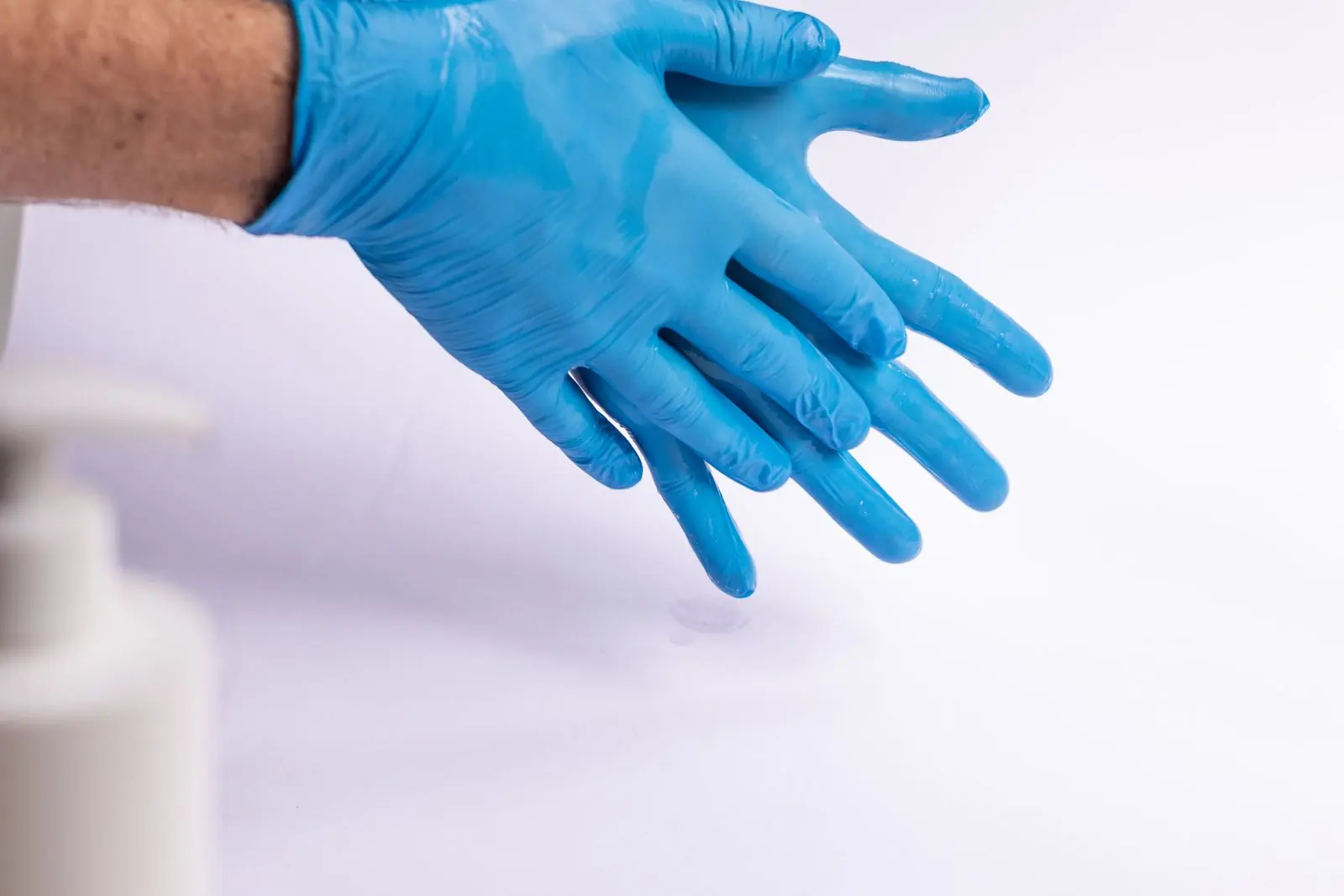
How to pick up a dead bird safely
For a single bird with an obvious cause, you can usually deal with it yourself in a couple of minutes. Birds can carry salmonella and other bacteria, and the mites and lice they carry leave the body as it cools, so keep it quick and clean.
- Gear up. Disposable gloves at a minimum. A P2 mask is sensible if the bird has been there a while or you are sensitive to smells.
- Use a barrier. Slip a plastic bag over your gloved hand like a mitten, or use a shovel or dustpan.
- Bag it. Grab the bird through the bag, turn the bag right way out over it, tie it, then put that inside a second bag.
- Bin it. The double-bagged bird goes in the general waste (red-lid) bin. Not the recycling bin, and not the green-waste bin.
- Clean up. Hose the spot if it was on paving, take your gloves off inside out, and wash your hands with soap and warm water.
Our step-by-step piece on safely picking up a small dead animal goes into more detail, and the Better Health Channel has general hygiene advice.
What not to do
- Don't let children carry it to show someone, however gently they want to hold it.
- Don't leave it for the dog or cat to investigate.
- Don't keep feathers, the skull or other parts. Most native birds are protected under Victoria's Wildlife Act 1975, and keeping parts of native wildlife isn't allowed. Bagging one for disposal is fine.
Could the bird have been poisoned?
If you or a neighbour have been laying rat bait, a dead bird is worth a second thought. Birds of prey and other birds that scavenge can be poisoned by eating a rodent that took bait, a problem known as secondary poisoning. Pets face the same risk if they find and eat a poisoned carcass.
That is why dead birds, and dead baited rats or mice, should be picked up promptly rather than left on the lawn. If rodents are dying around the house after baiting, our guide to rats dying in the walls after baiting explains how to stay ahead of it.
Dead birds on roads, footpaths and parks
Most Melbourne councils will collect dead animals from local roads, footpaths, nature strips and council parks, but not from inside your property boundary. If the bird is on public land, report it to your council through its website or customer service line. On freeways and main arterial roads, the state road authority, the Department of Transport and Planning, is responsible.
A bird in your own yard, on your roof or in your gutter is the owner's or occupier's job. If you want the detail on where the council line falls, read will the council remove a dead animal from my property.
When to call in a removal service
Plenty of people are happy to bag a bird themselves. It is still worth calling us when:
- The bird is out of reach: in a roof cavity, wall, chimney, downpipe or on a two-storey roofline.
- It has been there long enough to attract maggots or leave a stain, and the area needs disinfecting.
- There are droppings, nests or nesting material to clear as well, for example under solar panels or in a shed.
- You run a business, school or food premises and need it handled and cleaned without fuss.
- You simply do not want to deal with it, which is a perfectly good reason.
We can take the bird away, sanitise the spot and point out how birds are getting in. Pricing depends on where the bird is, access and how much cleaning is involved; the details are on our dead animal removal cost page. If you are worried about illness after contact, our article on diseases from dead animals sets out the realistic risks.
Need it gone today? If the bird is somewhere awkward, or you would just rather not handle it, we can collect it and clean up the area, often the same day. Call (03) 9125 4024 or send us a message.