Possums, Rats & Birds
Dead Possum in the Wall Cavity: How It Gets There and How It Comes Out
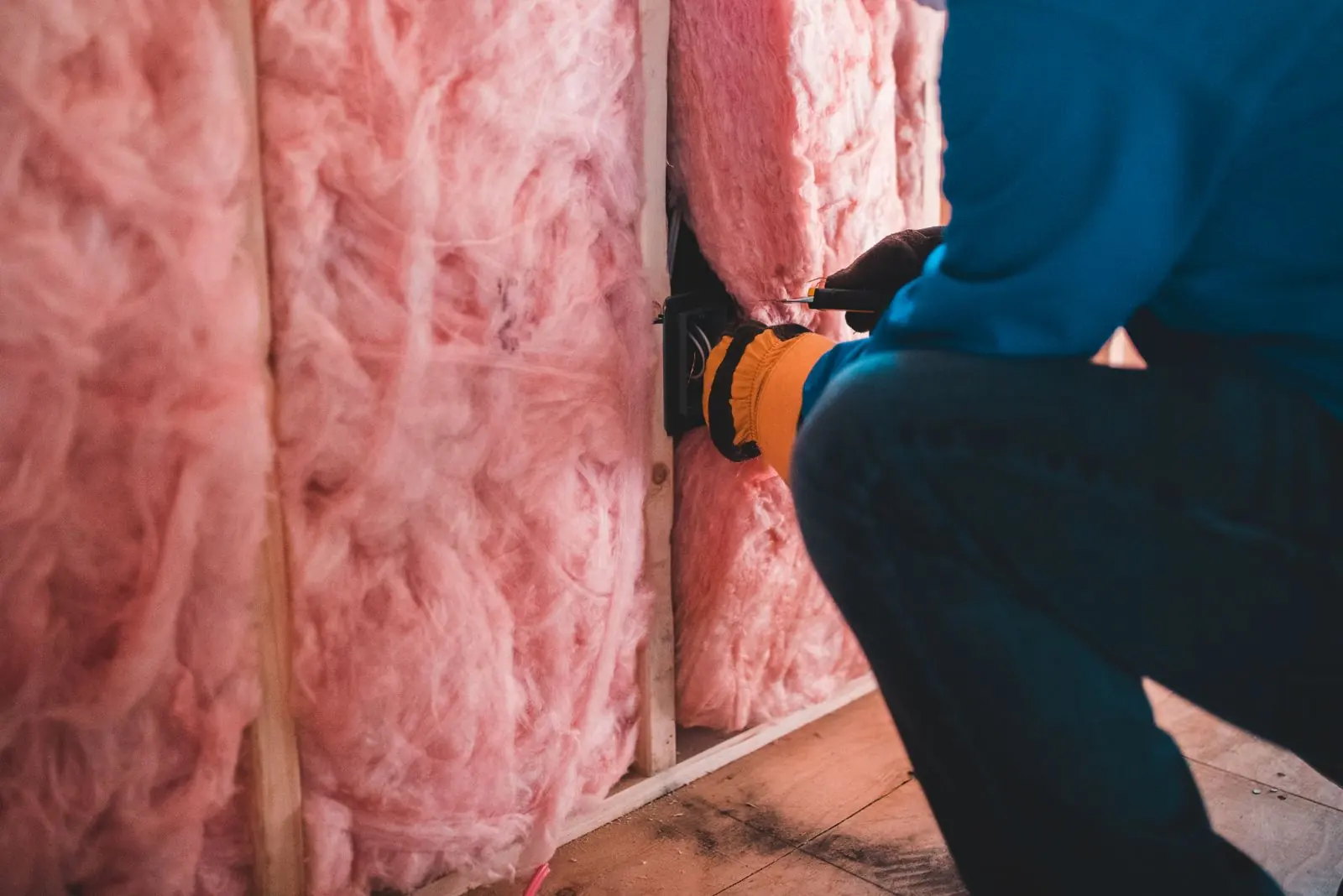
A dead possum in a wall cavity is usually an animal that was living in the roof, slipped down the gap between the wall studs or into a brick cavity, and couldn't climb back out. You'll notice a strong rotting smell concentrated along one wall, sometimes with flies near skirting boards or power points. Getting it out normally means working from the roof space above or opening a small, neat hole in the plaster at the right spot.
Our dead possum removal service in Melbourne locates and removes possums from wall cavities and treats the space afterwards. Below is how they end up there, how to confirm it, and what the removal involves.
How a possum ends up inside a wall cavity
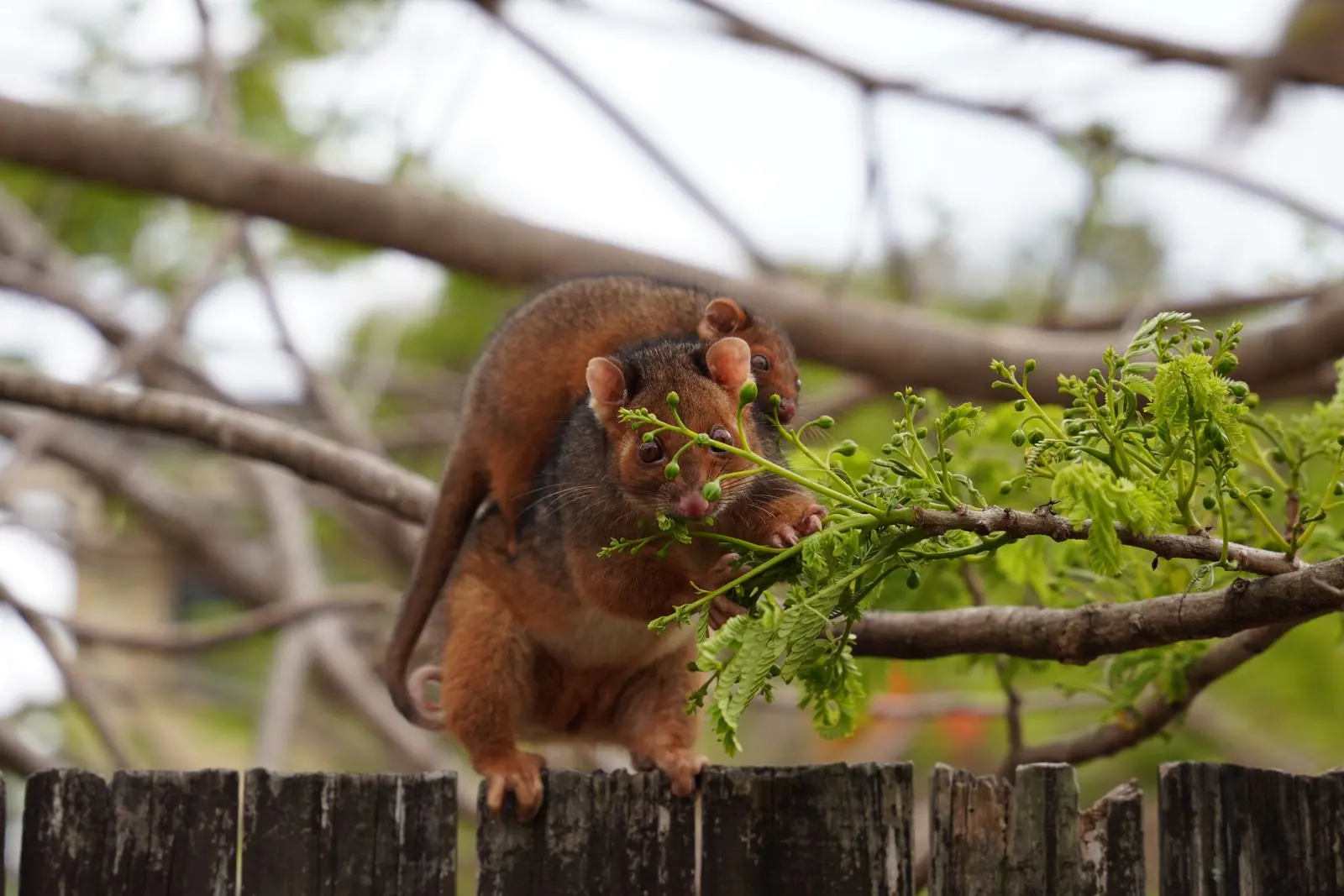
Brushtail and ringtail possums often shelter in Melbourne roof spaces, especially in older homes with gaps under the eaves, loose tiles or broken vents. From the roof, the top of most internal and external walls is open or only partly blocked. A possum moving along the top plate in the dark can drop into the void between studs, and the smooth inside faces of plasterboard give it nothing to grip.
Other common routes include:
- Double-brick cavities in older homes, where the gap between the two skins of brick runs from roof level down to the foundations;
- Weatherboard walls with gaps behind the boards near the eaves or where a vent has rusted through;
- Chases for plumbing, flues or a removed chimney, which leave a vertical shaft inside the wall;
- Extensions where the new roofline meets the old wall and leaves an open pocket.
Sick, old or very young possums are more likely to get stuck. In some cases a possum simply dies in a sheltered spot and the cavity was where it chose to rest.
Signs of a dead possum in a wall cavity
A possum is much larger than a rat, so the signs are stronger and last longer. Look for:
- a heavy, sweet-rotten smell that is clearly strongest along one stretch of wall rather than the whole room;
- blowflies gathering at a power point, light switch, skirting board or window frame on that wall;
- a damp patch, yellow-brown stain or bubbling paint low on the plaster, which can appear a week or two in;
- scratching or thumping inside the wall in the days beforehand, followed by silence.
If you're not sure whether it was a possum or a rodent, our guide on telling a rat from a possum in the roof compares the noises, droppings and smell.
If you can still hear movement
Scratching that continues means the possum may be alive and trapped. That's a different job: live possums are protected wildlife, and in Victoria a possum can only be released on the same property where it was found. Don't cut into the wall or block anything off. Call Wildlife Victoria on (03) 8400 7300 or a possum specialist for advice. We only deal with possums that have already died.
What not to do while it's in the wall
- Don't seal the entry point yet. Closing the roof gap with a body inside does nothing for the smell, and if there's another possum living up there it may be shut in.
- Don't spray deodoriser through power points or vents. It's an electrical risk and won't reach the carcass.
- Don't punch holes to "find" it. Several random holes in plaster cost more to patch than one placed accurately.
- Don't just wait it out if fluid is staining the wall. The longer it sits, the more plaster and timber need treating.
How long the odour lasts if left is covered in how long a dead possum smells; for a wall cavity it's often several weeks.
How a dead possum comes out of a wall
The general approach, explained step by step in how a dead animal is removed from a wall cavity, goes roughly like this for a possum:
- Pinpoint the spot. The smell is traced along the wall, and the stud positions are worked out so the opening lands between two studs, close to the body.
- Try from above. If the possum is near the top of the cavity, it can sometimes be reached from the roof space with a grabber, so no plaster is cut at all.
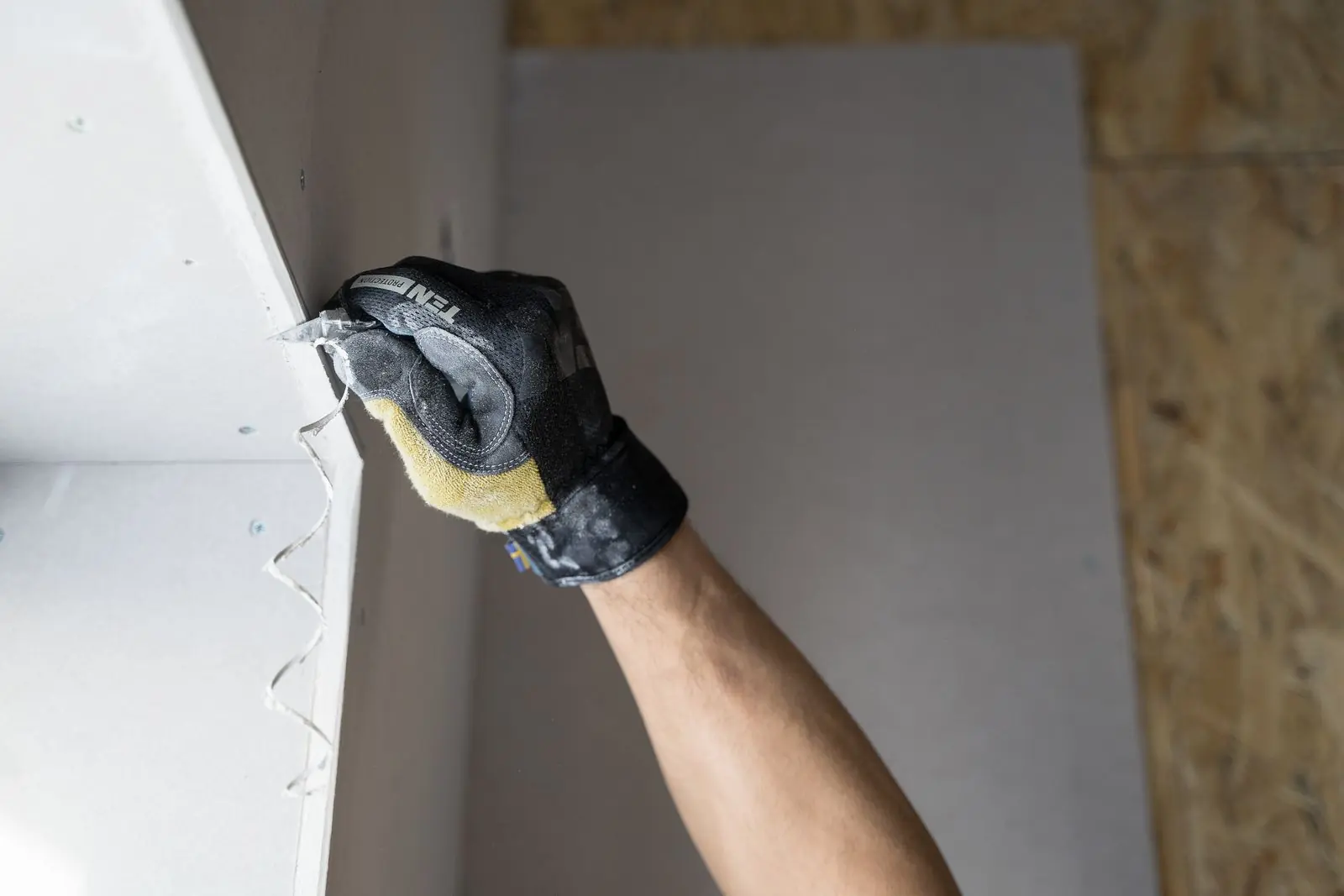
- Open a small inspection hole. When access from above isn't possible, a small square is cut low on the wall, often behind furniture or near the skirting so the patch is less visible.
- Remove the carcass and debris. Nesting material, droppings and any soaked insulation come out with it.
- Disinfect and deodorise. The inside of the cavity is sanitised and treated so residual odour doesn't keep seeping into the room.
- Leave it ready to patch. The hole is a clean shape that a plasterer or handy owner can repair.
In double-brick walls, access is sometimes through a weep hole, vent or removed brick on the outside rather than through the plaster inside.
Can you remove it yourself?
Possibly, if the possum is sitting right at the top of the cavity and you can reach it safely from the roof. Use a stable board across the ceiling joists, wear disposable gloves and a P2 mask, and lift the body into a heavy plastic bag. Double-bag it and place it in your general waste bin. It's fine to dispose of a dead native possum this way in Victoria; keeping any part of it isn't allowed.
If the body is halfway down the wall, in a brick cavity, or has been there a while, it's usually better handled by someone with the tools to locate it accurately and clean the cavity properly.
After removal: the smell and the way in
Once the possum and contaminated material are out, most of the smell typically clears within a few days. Then look at how it got into the roof in the first place. Before anything is sealed, the roof needs to be checked for any live possums or young. Our guide to a dead possum in the roof covers that check and the usual entry points. If you found very small possums with the body, read what it means when baby possums die in the roof.
Need it gone today? If a dead possum is trapped in your wall cavity, we'll locate it, remove it through the smallest opening possible and treat the space. Call (03) 9125 4024 or send us a message.