Possums, Rats & Birds
Dead Possum in the Chimney or Fireplace: What to Do

If you suspect a dead possum in chimney, flue or fireplace, close the damper or block the fireplace opening, don't light a fire, and keep the room aired while you work out where the body is. Most possums end up on the smoke shelf just above the damper or wedged further up the flue. If it's within reach from below you may be able to bag it yourself; if it's higher up, it usually needs to come out from the top or through the flue with the right tools.
Our dead possum removal team handles chimneys, flues and fireplaces across Melbourne. Here's how to confirm what's going on and handle it safely.
How possums get into chimneys
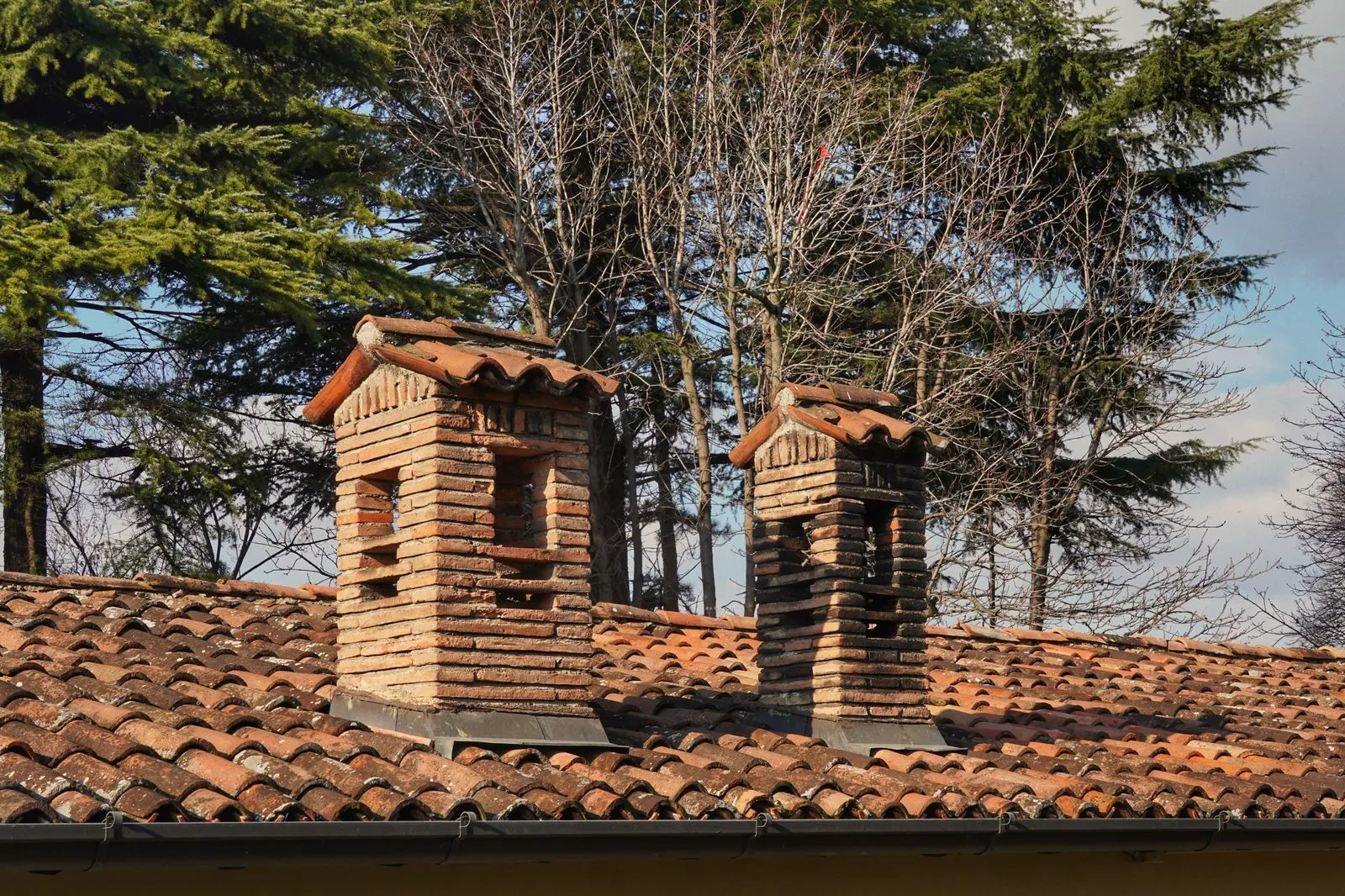
A chimney without a cap is a tall, dark, sheltered shaft, which suits a possum looking for a daytime hideaway. They climb in from the roof, and once inside, the sooty brick walls are hard to climb back up. Possums may also fall in while moving across the roof at night, or a sick animal may crawl in to shelter. Older Melbourne homes with unused open fireplaces are especially prone, because the flue often hasn't been capped or swept in years.
Where a fireplace has been fitted with a gas heater or flue liner, a possum can still get trapped in the space around the liner or above a blanking plate.
Signs of a dead possum in the chimney or fireplace
- A rotting smell that's strongest at the hearth and spreads through the room, often worse on warm days or when wind pushes air down the flue;
- blowflies appearing around the fireplace, mantel or nearby windows;
- debris falling into the grate, such as soot, fur, leaves or twigs;
- scratching or scrabbling in the chimney in the days before the smell started.
Sudden flies in one room are a strong clue on their own; our guide to blowflies in the house explains why they gather where they do.
First, check it isn't alive
If you can still hear movement, the possum may be alive and stuck. Don't light a fire or try to smoke it out, and don't close off the top of the chimney. Ring Wildlife Victoria on (03) 8400 7300, or a possum specialist, and ask how to help it out. Live possums are protected in Victoria and can only be released on the property they came from. We remove possums that have already died, not live ones.
Why you shouldn't light a fire to get rid of it
It's a common thought: burn it and the problem goes away. In practice it causes more trouble:
- the carcass and any nesting material can partly block the flue, pushing smoke and fumes back into the room;
- dry nest material and fur can catch alight and contribute to a chimney fire;
- heat makes the decay smell much stronger before anything is burnt away;
- the body is unlikely to burn completely, so you'll still have remains to clear.
The same goes for gas heaters installed in a fireplace. If a possum may be in or around the flue, leave the heater off until it has been removed and the flue checked.
Dead possum in chimney removal: what's involved
If it's on the smoke shelf or in the grate
Many possums come to rest on the ledge just above the damper. With a torch, look up past the damper from inside the fireplace. If you can see and reach the body:
- Put down a drop sheet and move rugs and furniture back; soot travels.
- Wear disposable gloves, a P2 mask, eye protection and old clothes.
- Lift the possum into a heavy plastic bag using a gloved hand inside the bag, then seal it and put it inside a second bag.
- Scoop out nesting material and droppings, and bag them too.
- Place it in your general waste bin. Our guide to disposing of a dead possum in Victoria covers the rules.
If it's higher up the flue
When the body is wedged further up, it usually has to come out from the roof end or be reached with long rods and grabbers. That means working on the roof, which is risky on steep pitches, wet tiles or old terracotta. Don't climb up in the rain or wind. This is the point where most people call for help.
Cleaning the fireplace afterwards
Once the possum is out:
- vacuum loose soot and debris with a vacuum that has a fine filter, or sweep gently with a damp cloth to keep dust down;
- wipe the hearth, grate and smoke shelf with disinfectant;
- wash or replace the fire screen cover if fluids have reached it;
- keep a window open for a few days while any remaining odour fades.
If the smell lingers, the flue may still hold contaminated nesting material. A chimney sweep can clear the full length, and a deodorising treatment can deal with odour that has soaked into brickwork.
Stopping it happening again
The single most effective step is a chimney cap or mesh cowl fitted to the top of the flue. Before anything is fitted, the chimney must be checked so you don't trap another possum inside. Other useful measures:
- keep the damper closed when the fireplace isn't in use;
- trim branches that give possums an easy path onto the roof;
- check other parts of the roof too, since possums using the chimney may also be getting into the ceiling space.
Birds become trapped in chimneys the same way, which we cover in our guide to a dead bird in the roof, gutter or chimney. If you've found tiny possums rather than an adult, baby possums dying in the roof explains what that usually means.
Need it gone today? If a dead possum is stuck in your chimney or fireplace, we'll get it out, clean up the hearth and deodorise the area. Call (03) 9125 4024 or send us a message.