Pets & Large Animals
Dead Deer on Your Property in Victoria: Removal Options
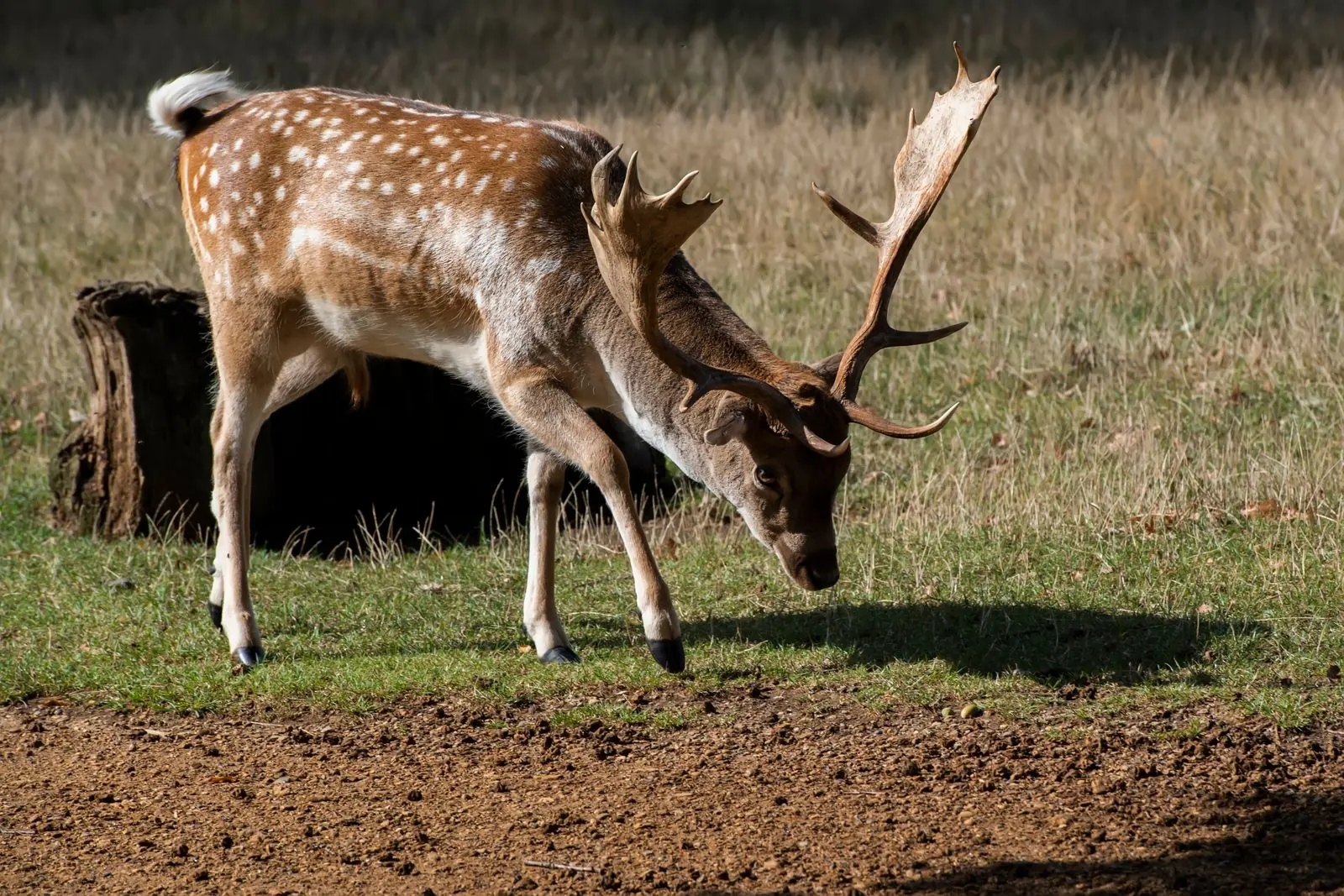
Dead deer removal in Victoria usually falls to whoever owns or manages the land the deer is lying on. On a freeway or main arterial road it's the Department of Transport and Planning, on a local road or council reserve it's your council, and inside your boundary it's up to you. Because a wild deer can weigh anywhere from about 50 kg to well over 200 kg, it isn't something you can bag and bin; your realistic options are burying it on site with machinery, or booking a large-animal carcass removal.
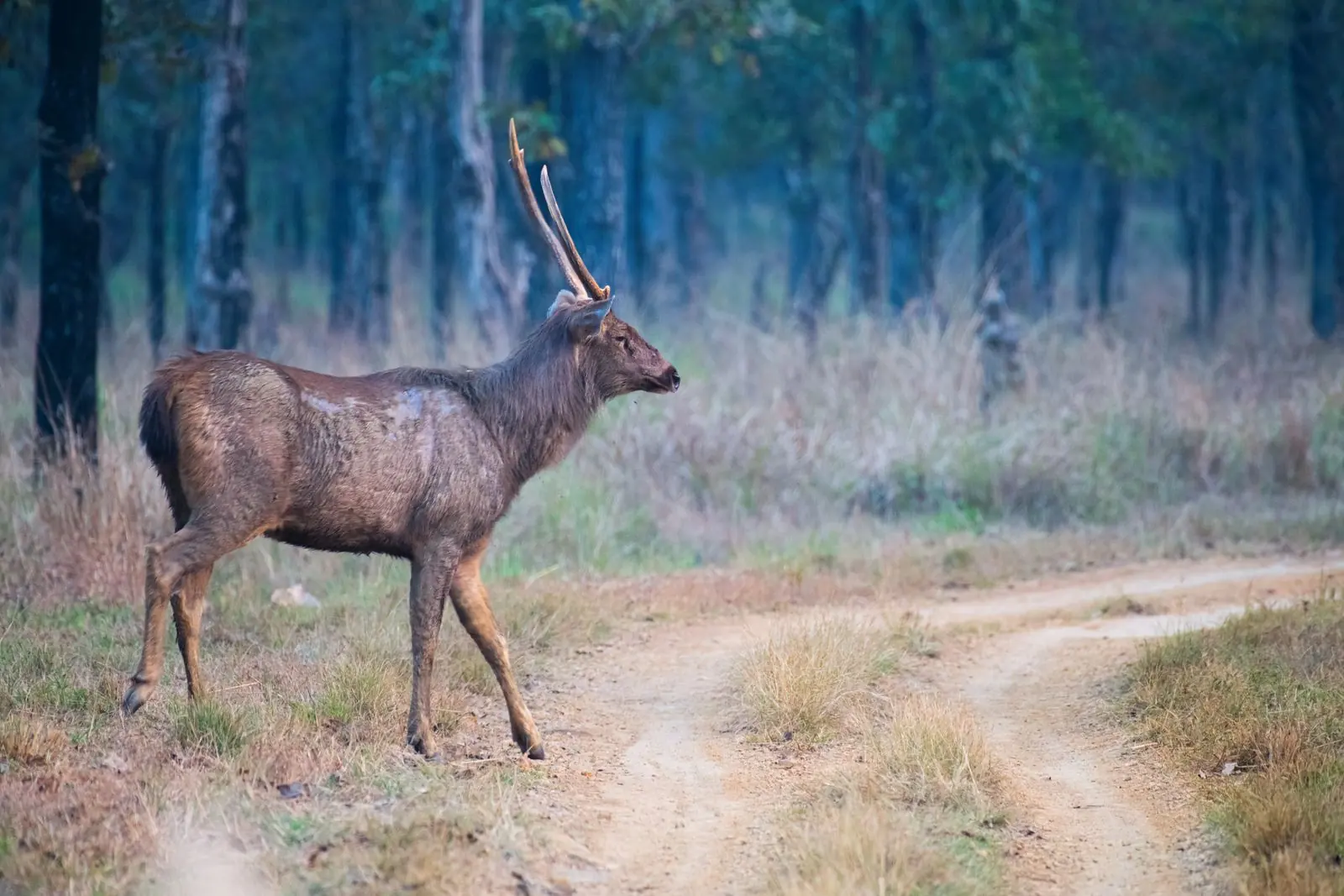
Wild deer, mostly sambar and fallow, now live right around Melbourne's eastern and northern fringes, in the hills, bushland and farmland where the suburbs give way to open country. They get hit by cars, tangled in fences and sometimes simply die in a paddock or bush block. This guide explains what to do, and how our large animal carcass removal service fits in.
First: check where it is and whether it's safe
Before thinking about removal, make sure nobody gets hurt.
- On or beside a road: don't stop on a freeway or a fast road to inspect it. If the deer is creating a hazard, move to a safe place and report it. Never try to drag a heavy animal off a live traffic lane.
- In a fence: wire under tension can spring back. Don't cut it while you're standing in line with the strain.
- Still alive: an injured deer is large, strong and frightened. Keep well back and don't attempt to handle it; our team comes out only for deer that have already died.
Keep dogs on a lead or inside. A carcass this size attracts foxes and wandering dogs quickly, and you don't want your own animals feeding on it.
Who is responsible for a dead deer?
| Where the deer is | Who usually handles it |
|---|---|
| Freeway or main arterial road | Department of Transport and Planning |
| Local street, nature strip or council reserve | Your local council (report it) |
| Your paddock, driveway, dam or bush block | The landowner or occupier |
| Shared private road or estate common area | Often the owners corporation; ask your strata manager |
If you're not sure which road category applies, our guide to who removes dead animals from roads in Victoria goes through it in detail. For anything inside your fence line, plan on organising it yourself.
Your dead deer removal options
Burying it on your land
On acreage with a tractor or excavator, burial can work. The same principles Agriculture Victoria sets out for safely disposing of dead stock are a sensible guide for a deer too: choose a site well away from creeks, dams, bores and houses, and dig deep enough that foxes and dogs can't reach the remains. Check with your council as well, as some have their own conditions.
The hard part is usually getting the animal to the hole. A grown sambar is far too heavy to drag by hand, and doing it with a ute and a rope on a slope is a good way to get injured.
A knackery or renderer
Some rural property owners use a knackery or renderer, much as they would for livestock. Availability depends on where you are and whether they'll take wild animals, so ring around first. Our guide to dead livestock and horse disposal explains how these services generally work.
Booking a carcass removal
If you don't have machinery, the deer is in an awkward spot, or it has already been there a few days, a removal service is usually the simplest route. Call first so we can check the size, the access and how far the vehicle can get, then we come out, lift and remove it, and clean up the ground where it was lying.
What not to do
- Don't leave it to rot near the house or a waterway. A large carcass can smell for weeks and fluids soak into the soil.
- Don't burn it. A carcass this size doesn't burn well, and open burning may be restricted where you are.
- Don't cut it up to make it easier to shift unless you know exactly what you're doing; it's messy and exposes you to more bacteria.
- Don't push it into a gully or bush on someone else's land. It becomes their problem and can lead to a dispute.
Cleaning up after a large carcass
Once the deer is gone, the ground underneath is often stained and smelly, with flies and maggots in the soil. If it was on a driveway, verandah or near a shed, that matters more.
- Wear disposable gloves, a P2 mask and boots you can hose off.
- Shovel out the worst of the soiled soil or bedding into heavy-duty bags.
- Wash hard surfaces with detergent, then apply a disinfectant and leave it on for the time the label says.
- Keep children and pets off the area until it has dried and the smell has eased.
Our team sanitises and deodorises after a pickup when needed. How much it costs depends on size, access, distance and how much clean-up is involved; see our dead animal removal cost page for the factors.
Kangaroos, wallabies and other big animals
On the city fringe, the large animal on your property isn't always a deer. If it's a kangaroo, wallaby or wombat, check the pouch first, because a joey may still be alive; call Wildlife Victoria on (03) 8400 7300. Our guide to a dead kangaroo or wallaby on your property covers that in full. For deer, there's no pouch to check, but everything else about the lift and the clean-up is much the same.
We cover the eastern and northern fringe suburbs, including Eltham, Ferntree Gully, Croydon and Pakenham, as well as the rest of Melbourne.
Need it gone today? If a deer has died on your block, in a fence or near the house, call us to check access and we'll take it away, often the same day. Call (03) 9125 4024 or send us a message.