Smells & Finding It
Dead Animal Smell in the Kitchen: Behind the Fridge, Oven or Kickboards
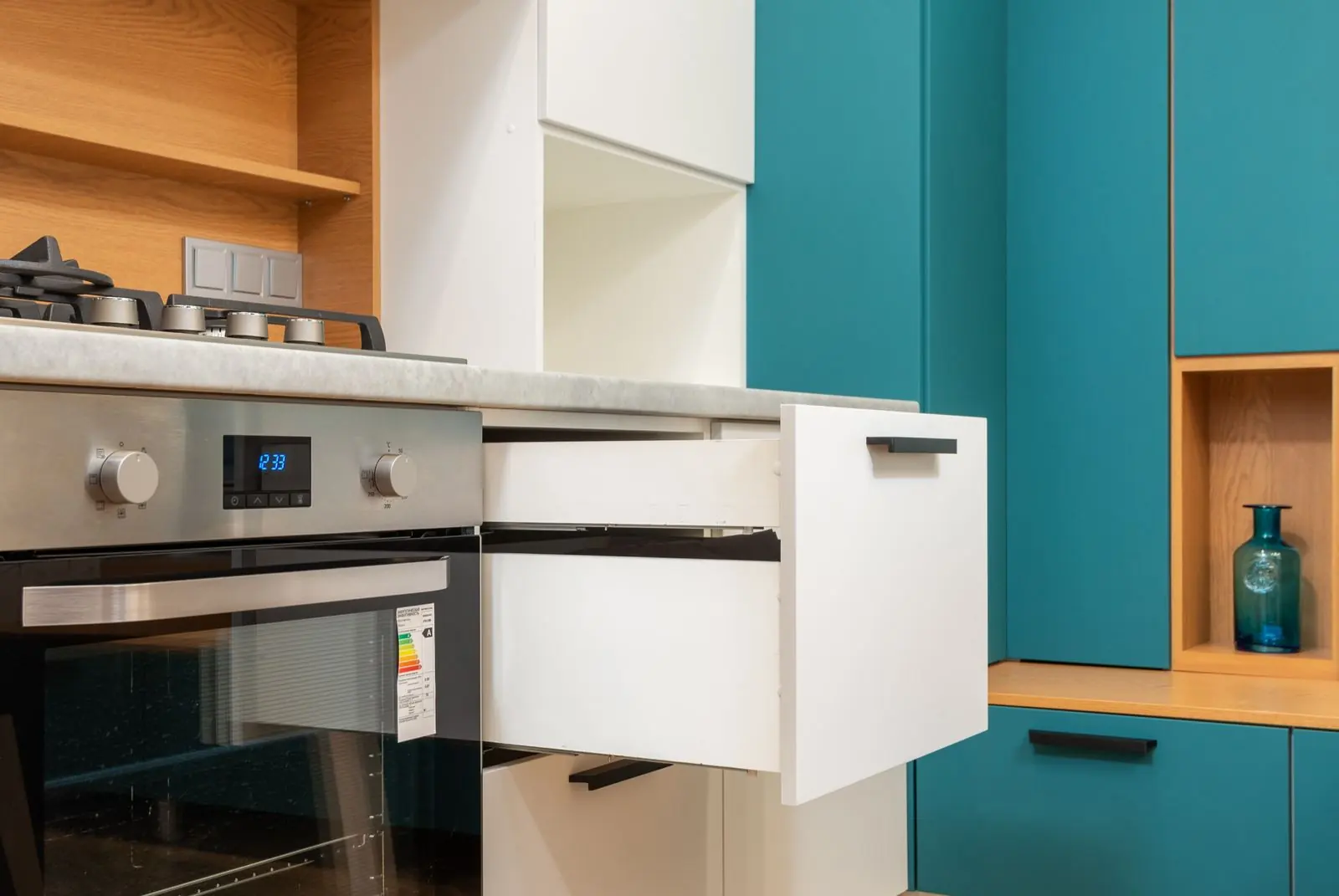
A dead animal smell in the kitchen almost always comes from a mouse or rat that has died out of sight: under the kickboards, in the compartment behind the fridge, inside the cavity around a built-in oven or dishwasher, or in the wall behind the pantry. Start low, check the appliances one at a time, and rule out spoiled food before you assume anything worse. Most kitchen carcasses are small and can be found without cutting into anything.
Kitchens attract rodents because of the warmth, crumbs and water, which is why they're one of the most common places our dead rat and mouse removal service gets called to in Melbourne. This guide goes appliance by appliance so you can check each spot safely.
Rule out the non-animal causes first
Before you start moving whitegoods, spend five minutes on the obvious suspects. Each of these can produce a smell that people swear is something dead:
- a potato, onion or pumpkin rotting at the back of the pantry or in a vegetable drawer;
- meat juices that leaked under a crisper drawer or onto the fridge's bottom shelf;
- the fridge drip tray, which collects defrost water and can turn sour;
- a dishwasher filter clogged with food scraps;
- the sink trap or a garbage disposal unit, if you have one;
- the bin itself, or a bin liner that leaked into the cabinet below.
If none of these explain it, and especially if the odour is getting stronger by the day, a dead rodent is the likely cause. Comparing the smell with a drain is covered in our guide to telling a dead animal smell from a drain problem.
Behind and under the fridge
The fridge is the first appliance to check. Mice and rats like the warm air around the compressor at the back and the insulated space under the cabinet.
- Unplug the fridge before you put your hands anywhere near the back.
- Slide it out slowly, taking care with the floor and any water line for an ice maker.
- Shine a torch over the floor, the coils and the compressor housing.
- Remove the front grille at the base, if there is one, and look into the space beneath.
- Check for droppings, shredded paper or insulation, which show where rodents have been nesting.
Rodents rarely die inside the food compartment itself. The smell can still seem to come from inside the fridge, though, because the door seals and vents let odour travel through.
Ovens, cooktops and dishwashers
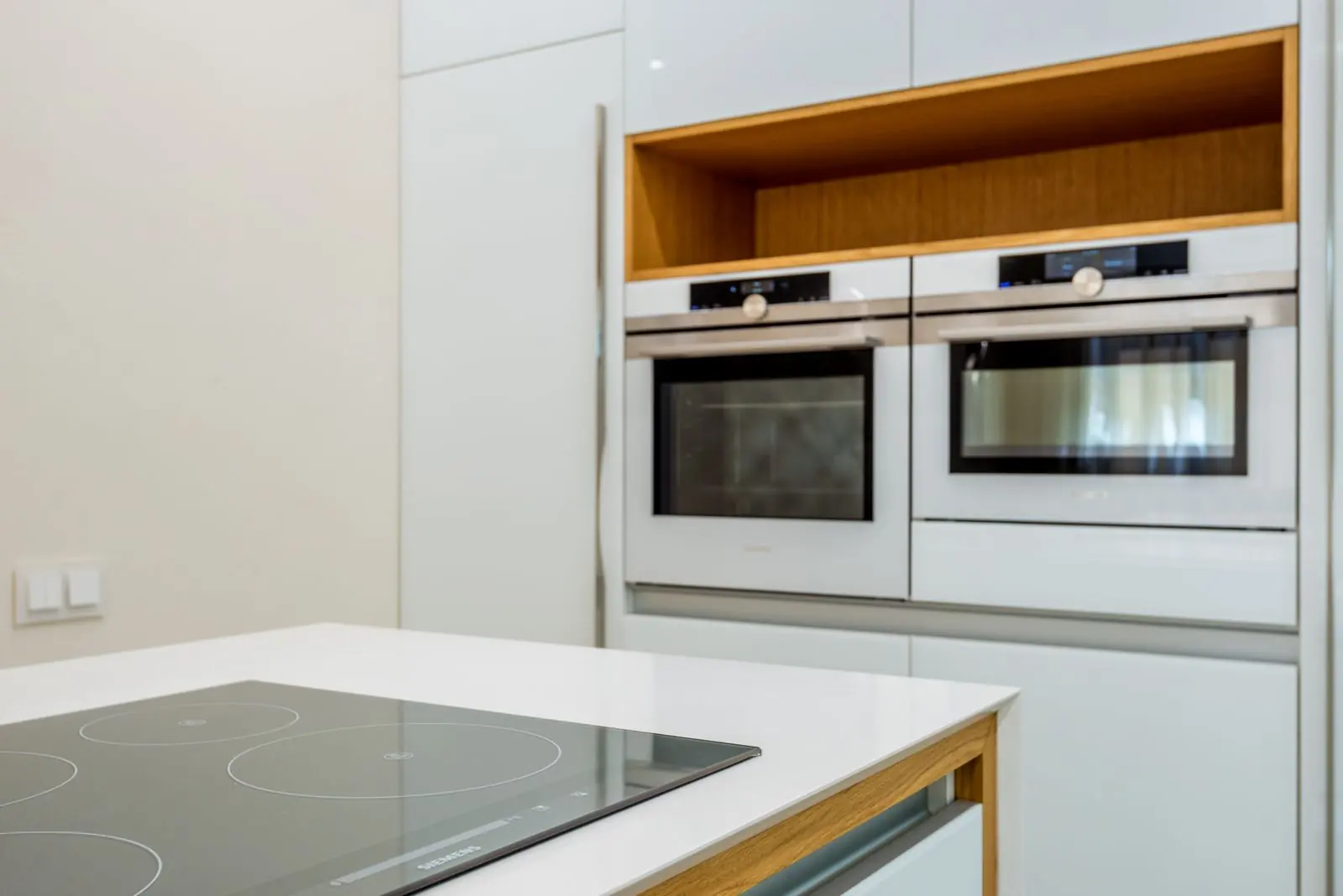
Built-in appliances sit in enclosed cavities that rodents use as runways. A freestanding oven can usually be eased forward once it's cool, but switch it off at the wall first. Built-in ovens, hard-wired cooktops and anything connected to gas are best left in place unless someone qualified disconnects them.
Dishwashers often have a foam or bitumen insulation blanket wrapped around the tub, and mice will nest in it. The warmth and food residue make it attractive. Turn off the power and water before attempting to pull one out, or simply remove the kickboard below it and look underneath with a torch first.
Dead animal smell in kitchen cupboards and kickboards
The gap beneath your cabinets is a hidden tunnel that runs the length of the kitchen, and it's one of the most likely places for a rodent to die after taking bait. Most kickboards clip off with a firm pull from the bottom edge. Work along the whole run with a torch, not just the section nearest the smell, as the odour can travel sideways.
In the pantry, empty the bottom shelves completely and look into the back corners and any gap where the cabinet meets the wall. Under the sink, check where the pipes pass through the wall or floor. Those penetrations are often big enough for a mouse to squeeze through, and a carcass sometimes ends up just behind them.
When the smell is in the wall or ceiling
If you've checked every appliance and cabinet and the odour is strongest at a wall or near the ceiling, the animal is probably inside the structure. Common spots include:
- the wall cavity behind the pantry or fridge recess;
- the space above the rangehood or overhead cupboards;
- the ceiling around downlights, where rats travel from the roof space;
- bulkheads that hide ducting or pipes.
This is very common after a rodent baiting program. Poisoned rats and mice often crawl into a cavity before they die, as our guide to rats dying in the walls after baiting explains. A removalist can usually pinpoint the location and take it out through a small, neat inspection hole rather than a large cut.
Food safety after a dead rodent in the kitchen
Once the animal is gone, treat the kitchen as contaminated until it has been cleaned. Rats can carry leptospirosis and salmonella, and the flies that find a carcass spread bacteria onto benches and food.
- Throw out any opened packets, fresh food or loose produce that may have been in contact with the rodent, its droppings or flies.
- Wash sealed jars and tins in hot, soapy water before putting them back.
- Clean shelves, benchtops and the floor where the animal lay, then follow with a disinfectant.
- Wear disposable gloves, and wash your hands thoroughly afterwards.
- Keep children and pets out until you've finished.
Our guide on how to clean and disinfect after a dead animal has more detail on products and order of work. If the kitchen belongs to a café, restaurant or other food business, the stakes are higher; see what to do about a dead rodent in a food business.
Removing it yourself, or getting help
Where the rodent is easy to get at, glove up, wear a P2 mask and turn a plastic bag inside out over your hand to grab it, then knot it inside a second bag for the red-lid rubbish bin. Then clean the spot as above. Don't leave a baited carcass where a dog or cat could find it, as pets can be poisoned by eating one.
Call for help when the smell is coming from inside a wall or ceiling, when an appliance can't safely be moved, or when you've searched and found nothing. For a closer look at the smaller rodent, our guide to dead mouse smell in the house covers how long it lasts and how to clear it. The price of a kitchen job depends on access and how much cleaning is involved; the dead animal removal cost page explains the factors.
Need it gone today? If the smell is in the wall or behind an appliance you can't move, we'll find the rodent, remove it and sanitise the area, often the same day. Call (03) 9125 4024 or send us a message.