Pets & Large Animals
Telling Children a Pet Has Died at Home: A Gentle Guide
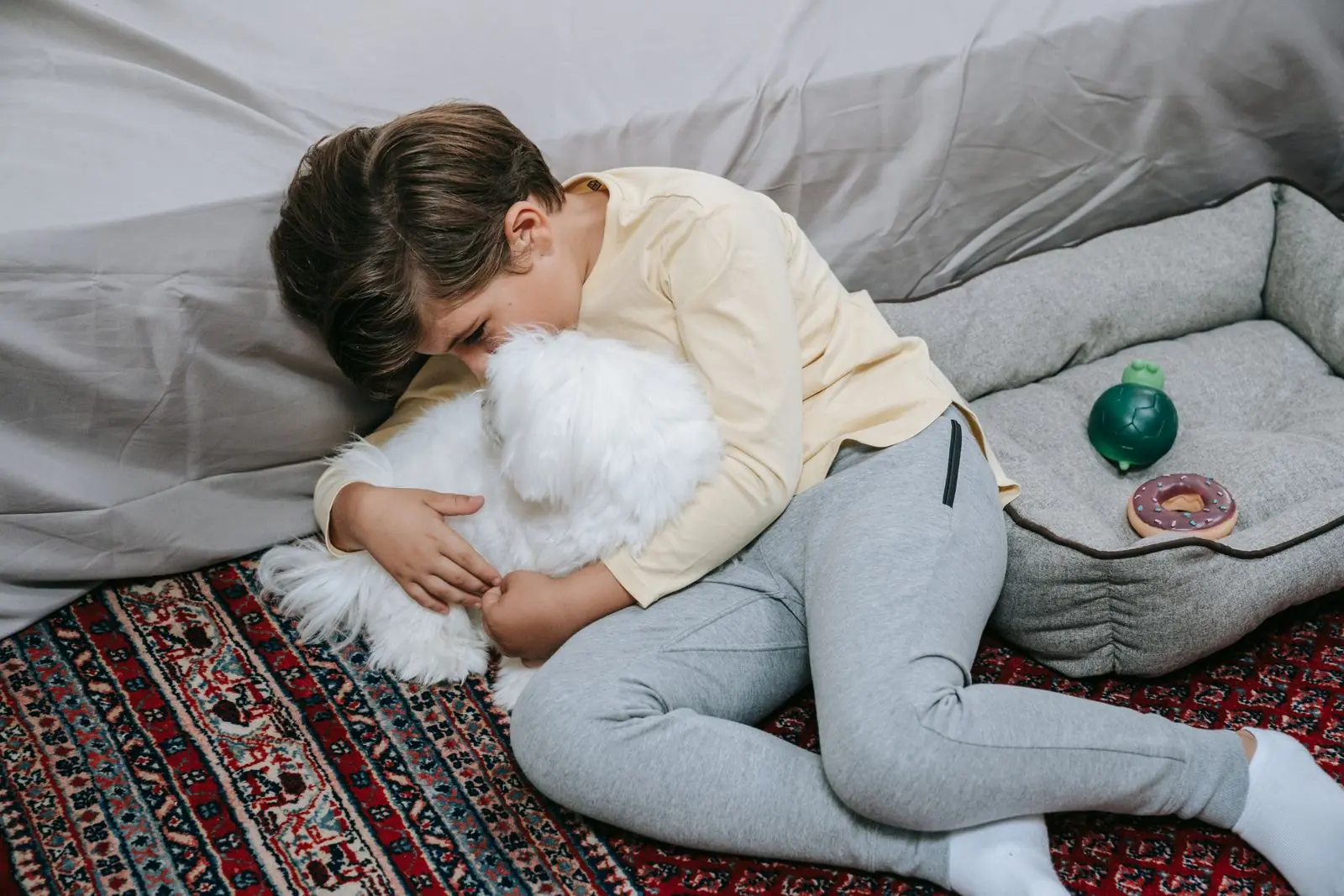
When you need to tell a child their pet has died, tell them soon, simply and honestly, in a quiet place, using the word "died" rather than phrases like "went to sleep" or "we lost him". Keep the explanation short, let them ask questions, and let them see that you are sad too. Children take their cues from the adults around them, so your calm honesty matters more than finding perfect words.
This is one of the gentlest conversations a parent or carer has to have, and there's no script that fits every family. What follows are practical ideas many families find helpful when a pet dies at home: what to say, how to handle the next few hours, and ways to remember a pet together. It isn't professional advice, and if you're worried about how your child is coping, your GP or your child's school can help you find support.
If moving your pet is also weighing on you, gentle dead pet collection in Melbourne is available, and there's a little more on that at the end.
How to tell a child their pet died: the first conversation
Choose a moment when you can sit together without rushing, and get down to their level. A few things tend to help:
- Say it plainly. "I have some very sad news. Biscuit died this morning. His body stopped working and he can't come back." Clear words can feel harsh to an adult, but they prevent confusion for a child.
- Avoid sleep words. Telling a young child a pet was "put to sleep" or "is sleeping" can make bedtime frightening, or lead them to wait for the pet to wake up.
- Give a simple reason if you know it. "She was very old and her body was worn out" or "He was sick, and the vet couldn't make him better."
- Keep it short. Let your child lead with questions rather than giving a long explanation up front.
- Don't hide your own feelings. Crying in front of your child shows them that sadness is a normal response to losing someone we love.
If the pet was older or unwell, some families find it gentler to prepare children in the days beforehand that the pet may not get better.
What to expect at different ages
Every child is different, but age often shapes how they react.
Toddlers and preschoolers
Very young children may not understand that death is permanent and might ask, again and again, when the pet is coming home. That's normal. Answer the same way each time, kindly and simply.
Primary school children
Children this age often want details: what happened, where the body is, whether it hurt. Answer honestly without graphic detail. Some will worry it was their fault, so it can help to say clearly that nothing they did or didn't do caused it.
Teenagers
Older children may grieve privately or seem unaffected and then be upset later. Let them know you're around to talk, and include them in decisions about what happens next.
Should children see the pet after it has died?
There's no single right answer. Many children cope better when they're offered the choice to say goodbye, rather than having the pet simply disappear. If your child wants to, lay the pet on a favourite blanket in a calm spot, so they look peaceful. Explain beforehand what they'll see: the pet will be still, won't breathe and may feel cool.
If a child doesn't want to see the pet, that's fine too. They might prefer to draw a picture or write a note that goes with the pet. Our article on the first hours after a pet dies at home covers how to keep them comfortable and cool while the family says goodbye.
Involving children in the farewell
Being part of a goodbye ritual helps many children make sense of what has happened. Ideas families use include:
- a small ceremony in the garden, where everyone shares a favourite memory;
- making a memory box with the collar, a photo and drawings;
- planting a tree or flowers in the pet's honour;
- writing a letter to the pet, or a story about their life;
- choosing a spot at home for the urn, if the family chooses cremation with ashes returned.
If you're deciding between cremation and burial, children can be told about the choice in simple terms. Our articles on pet cremation options in Melbourne and on the rules for burying a pet at home in Victoria explain each option for the adults making the decision.
The days and weeks afterwards
Grief in children often comes and goes. A child might seem fine at breakfast and sob at bedtime, or bring the pet up weeks later in the middle of a game.
- Keep routines steady. Familiar mealtimes, school and bedtimes give a sense of safety.
- Let the teacher know. A quick message to the school helps staff understand if your child is quieter or more upset than usual.
- Keep talking about the pet. Saying the pet's name and remembering funny moments shows that it's okay to remember.
- Wait before getting a new pet. Many families find it's better to let some time pass, so a new animal isn't seen as a replacement.
- Ask for help if you're concerned. If your child's sadness seems to be lasting a long time or affecting sleep, eating or school, talk to your GP or the school's wellbeing staff.
If the practical side is too much right now
Sometimes a parent is trying to comfort children while also working out how to move a heavy dog, or a cat has died somewhere hard to reach. If that's where you are, it's okay to ask for help. We can collect a pet from your home quietly and respectfully, at a time that suits your family, including after the children are in bed. If your pet was hit by a car or found by someone else away from home, our article about cats and dogs found on Melbourne streets may help.
Need it gone today? If you'd like your pet collected gently and discreetly while you look after your family, we're available day or night. Call (03) 9125 4024 or send us a message.