Pets & Large Animals
Pet Cremation in Melbourne: Private, Communal and How It Works
Pet cremation in Melbourne is usually arranged in one of two ways: through your vet, who works with a pet crematorium, or by contacting a crematorium yourself. The main decision is between a private cremation, where your pet is cremated individually and the ashes are returned to you, and a communal cremation, where several pets are cremated together and no ashes come back. Both are respectful choices; the right one is simply the one that feels right for your family.
Losing a companion animal is hard, and practical decisions can feel overwhelming in the first day or two. This guide explains how cremation works, what to ask, and how to look after your pet in the meantime. If your pet has passed at home and you need help moving them, particularly a large dog or a pet in a difficult place, our team offers dead pet removal across Melbourne and will collect them gently.
Private or communal: the two main types of pet cremation
| Private cremation | Communal cremation | |
|---|---|---|
| How it's done | Your pet is cremated on their own | Your pet is cremated alongside other pets |
| Ashes returned? | Yes, usually in a simple container or an urn you choose | No; the crematorium handles the ashes |
| Who it suits | Families who want to keep, bury or scatter the ashes | Families who prefer a dignified farewell without keeping ashes |
| Cost | Generally higher | Generally lower |
Some crematoria use slightly different names for their services or offer extra options, such as being present for the cremation. Ask them to explain exactly what each option includes, so there are no surprises.
Arranging pet cremation through your vet or directly
Through your vet
This is the most common path in Melbourne. If your pet is put to sleep at the clinic, staff will usually ask whether you'd like cremation and which type, and they take care of the arrangements from there. If your pet died at home, you can phone the clinic, explain what has happened and ask whether you can bring your pet in for cremation to be organised. The ashes, if you choose private cremation, are often returned through the clinic.
Contacting a crematorium yourself
You can also call a pet crematorium directly. Some families prefer this because they can ask questions in detail, choose an urn and arrange the timing themselves. Some crematoria may be able to collect your pet or have you drop them off; ask what they offer.
Whichever route you take, there's no need to decide in the first hour. The first hours are covered gently in our article for families whose pet has died at home.
Looking after your pet until the cremation
A pet who has passed can stay with you for a little while if they're kept cool. Wrap them in a towel or their own blanket and rest them somewhere shaded and cool, such as a tiled laundry. On warm days, air conditioning helps, and so do ice bricks wrapped in a cloth and placed alongside. Don't put your pet in a sealed plastic bag, which holds in warmth.
If your pet's favourite toy, collar or blanket is going with them, set it aside now. Some crematoria cremate a small blanket with the pet; others ask that items stay behind, so check first.
Questions worth asking before you book
A good crematorium or clinic will be happy to answer these, and asking them can bring real peace of mind.
- What exactly is the difference between your private and communal options?
- With private cremation, how do you make sure the ashes are my pet's?
- Roughly how long will it be before the ashes are ready, and how will I get them back?
- What urns or containers are available, and can I bring my own?
- Can you take a paw print or a clipping of fur before the cremation?
- Can my pet's blanket or collar go with them, or will you return it?
- What will it cost for a pet of this size, and is anything extra?
Pricing for cremation is set by the vet or crematorium and usually depends on your pet's weight and the type of cremation, so ask them for a quote.
Keepsakes, ashes and saying goodbye
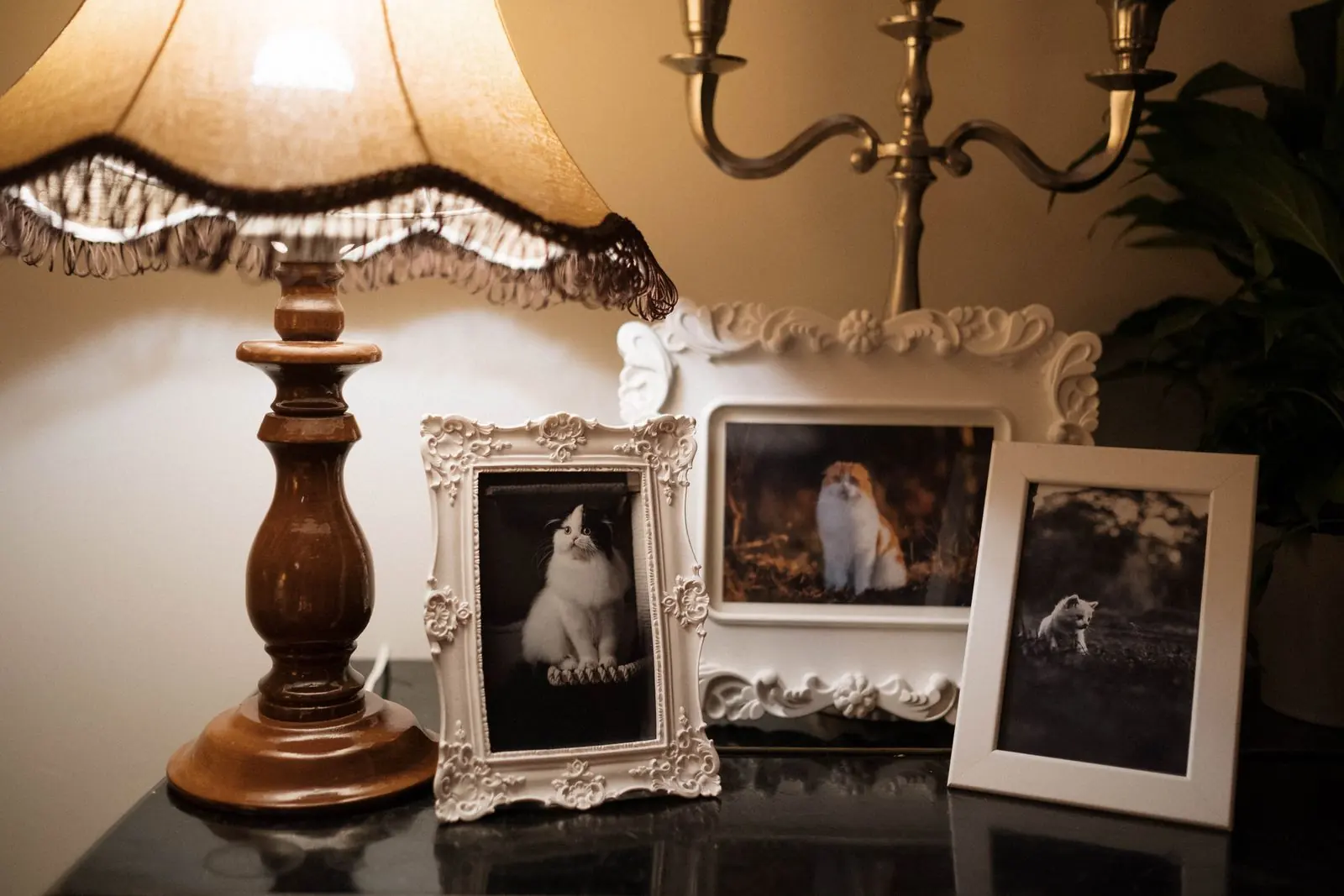
Many people find comfort in a small keepsake: a paw print in clay, a lock of fur, the collar and tag, or a favourite photo framed near the urn. If you'd like a paw print, ask early, because it needs to be done before the cremation.
When the ashes come home, there's no rush to decide what to do with them. Families keep them indoors, bury them in the garden with a plant on top, or scatter them somewhere meaningful. If you'd like to scatter ashes outside your own property, check any local rules first. If you have young children, our gentle guide on telling children a pet has died includes ideas for involving them in a farewell.
If cremation doesn't feel right, home burial may be an option where your council allows it. The usual conditions are set out in our guide to backyard pet burial in Victoria.
When you need help getting your pet to the vet or crematorium
Sometimes the hardest part is physically moving your pet. A large dog can be very heavy to lift, an older owner may not be able to manage it, and a cat that slipped away under the house may be out of reach. In those situations, we can come to your home and collect your pet with care, any time of day or night.
When you ring, we'll ask a couple of gentle questions about your pet and the spot they're in, so the right gear comes with us. What a collection costs varies with your pet's weight, the access and the hour; the dead animal removal cost page sets out what affects it. Cremation itself is then arranged with your vet or a crematorium.
Need it gone today? If your pet has passed at home and you need gentle help moving them, we can come to you at any hour. Call (03) 9125 4024 or send us a message.