Smells & Finding It
Bad Smell in Just One Room? Checking for a Dead Animal
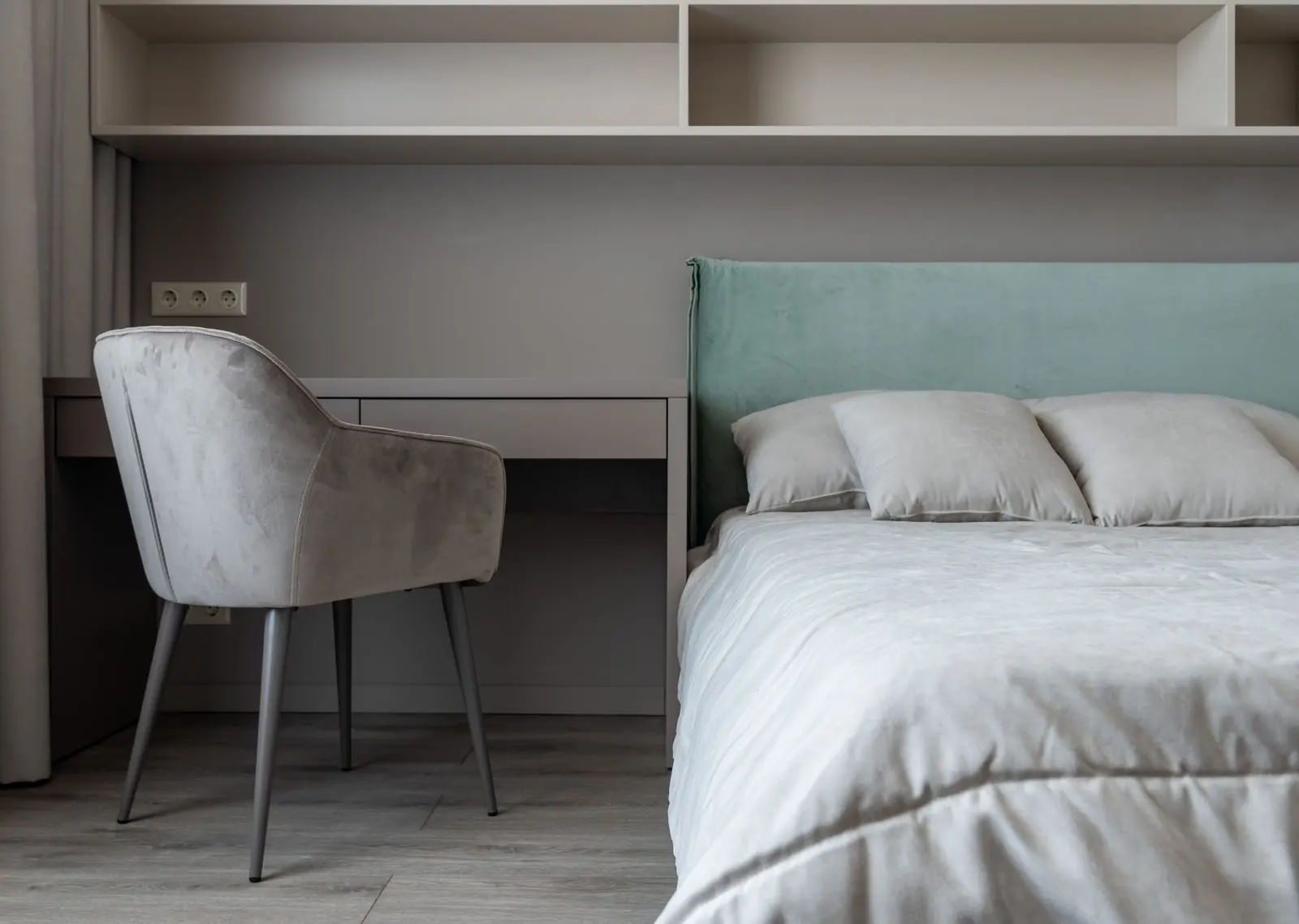
When a bad smell is confined to one room, such as a bedroom, it usually means the source is very close: a rodent or possum in the ceiling directly above, inside the wall cavity, under the floorboards, or tucked into a built-in wardrobe. A dead animal smell in the bedroom tends to be strongest near one corner, a downlight, a heating vent or the wardrobe. Narrow it down within the room before assuming the whole house is affected.
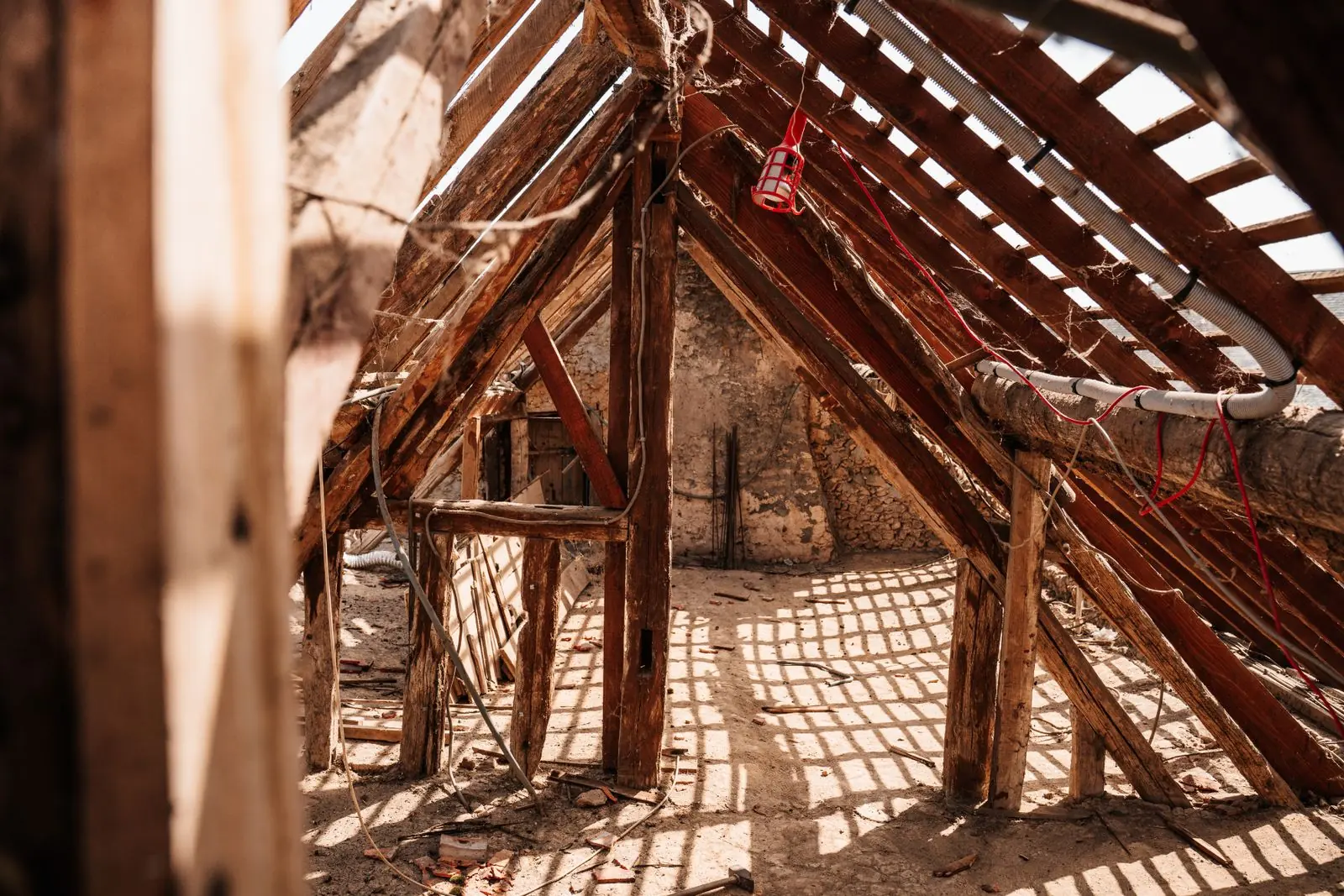
A smell that sits in a single room is actually good news, because it shrinks the search area. Most of these jobs end up being a carcass in the ceiling or upper wall, which is what our dead animal in roof and wall removal service handles. Here's how to check the room yourself first.
Why a smell can stay in one room
Odour from a carcass leaks out through the nearest gaps, and if those gaps all open into one room, that's where you'll notice it. A rat lying on the ceiling plaster above a bedroom, for example, will release odour through the downlight holes and cornice gaps of that room and very little anywhere else.
Closed doors make it more noticeable. A bedroom that stays shut during the day traps the smell, so it hits you when you walk in at night. Other rooms with more airflow may barely be affected.
Non-animal causes worth ruling out
Before you call anyone, take a few minutes to check for everyday causes, particularly in children's and teenagers' rooms:
- food or drink left under a bed, behind furniture or in a school bag;
- damp towels, swimming gear or sports clothes in a wardrobe or laundry basket;
- wet shoes or boots, which can smell surprisingly foul;
- a pet accident on carpet or under a rug;
- mould behind a wardrobe on an external wall;
- a fish tank, small-pet cage or plant pot that needs cleaning.
Those smells usually stay much the same from day to day. A dead animal smell tends to grow stronger over several days before it eventually fades, and it has a distinctive sweet, rotten quality.
Checking for a dead animal smell in bedroom ceilings, walls and floors
Close the bedroom door and leave it shut for an hour or two, then step outside briefly to clear your nose and come back in. Work through the room in this order:
- The ceiling. Stand on a stable step and sniff around each downlight, the light fitting and the cornice in every corner. A strong spot directly overhead points to the roof space.
- The wardrobe. Built-in robes often sit against an external wall and frequently contain the roof access manhole. Empty the top shelf and check the manhole edges.
- The walls. Crouch and follow the skirting boards, then check power points and switch plates. Pay attention to any wall shared with a bathroom or the outside.
- The floor. On a timber floor, sniff any floor vent or gap in the boards, and check whether the smell is stronger low down.
- The heating vents. If the smell surges when the heater runs, the problem may be in the ducting; our guide to dead animal smell in ducted heating explains how to check.
Put a strip of painter's tape on the strongest spot. If someone else in the house independently picks the same place, you're likely close. For a whole-of-house approach, see how to find a dead animal by smell.
Which animal is it likely to be?
Size and the history of noises help here. Rodents scurry and scratch, often in short bursts at night. Possums are heavier and thump, usually at dusk and dawn. If you heard activity in the ceiling over that room that suddenly stopped, it may well be the animal you're now smelling.
A mouse smell is often sharp and quite localised. A rat is stronger and lasts longer. A possum can affect the room for weeks. Our guide to working out whether you've got a rat or possum in the roof covers the signs in more detail.
Sleeping in the room in the meantime
For most healthy adults, the smell is unpleasant rather than dangerous, but it can cause nausea, headaches and poor sleep. Babies, young children, anyone with asthma and anyone who is pregnant are better off sleeping elsewhere until the animal is removed. Keep the door shut and a window open if it's safe to do so.
If flies start appearing, or you see a stain forming on the ceiling, it's time to act rather than wait. Our article on whether it's safe to stay home with a dead animal smell goes into the health side.
Can you just leave it?
Many people hope the smell will go away on its own, and it eventually will as the carcass dries out. The trouble is time. A possum above a bedroom can take three to six weeks or more, fluids can stain the plaster, and blowflies and maggots may follow. The pros and cons of waiting are set out in can you leave a dead animal in the wall.
How it's removed from a ceiling or wall
When we attend, we first confirm the location by smell and, where possible, by entering the roof through the manhole. If the animal is on the ceiling lining, it can usually be lifted out from above. If it's inside a wall cavity or somewhere the roof space can't reach, we cut a small inspection hole rather than a large one, remove the carcass and any soiled insulation, sanitise the spot and apply an odour treatment. The hole can then be patched.
Pricing comes down to the exact location and how much work it takes to get at the animal. See the dead animal removal cost page for the factors involved.
Need it gone today? If the smell is above or inside the walls of one room, we'll find the animal, remove it and deodorise the space, often the same day. Call (03) 9125 4024 or send us a message.