Smells & Finding It
Why Does It Still Smell After the Dead Animal Is Gone?

A dead animal smell after removal usually lingers because something the body touched is still there: soaked insulation, stained plaster or timber, nesting material, maggots or pupae, or fluid that dripped below. Sometimes there is a second carcass. Once the source and contaminated material are gone and the area is treated, most of the smell clears within a few days; if it's still strong after a week, something has been missed.
It's a frustrating spot to be in. You've had the animal taken out, you expected relief, and the hallway still smells. The good news is that the cause is almost always findable. Our sanitising and odour treatment service exists precisely for this stage: dealing with what the body leaves behind.
Why decay odour outlasts the carcass
As an animal breaks down, it releases fluids and gases. The fluids soak into whatever is underneath, and the odour compounds cling to porous surfaces. Removing the body takes away the main source, but not the residue.
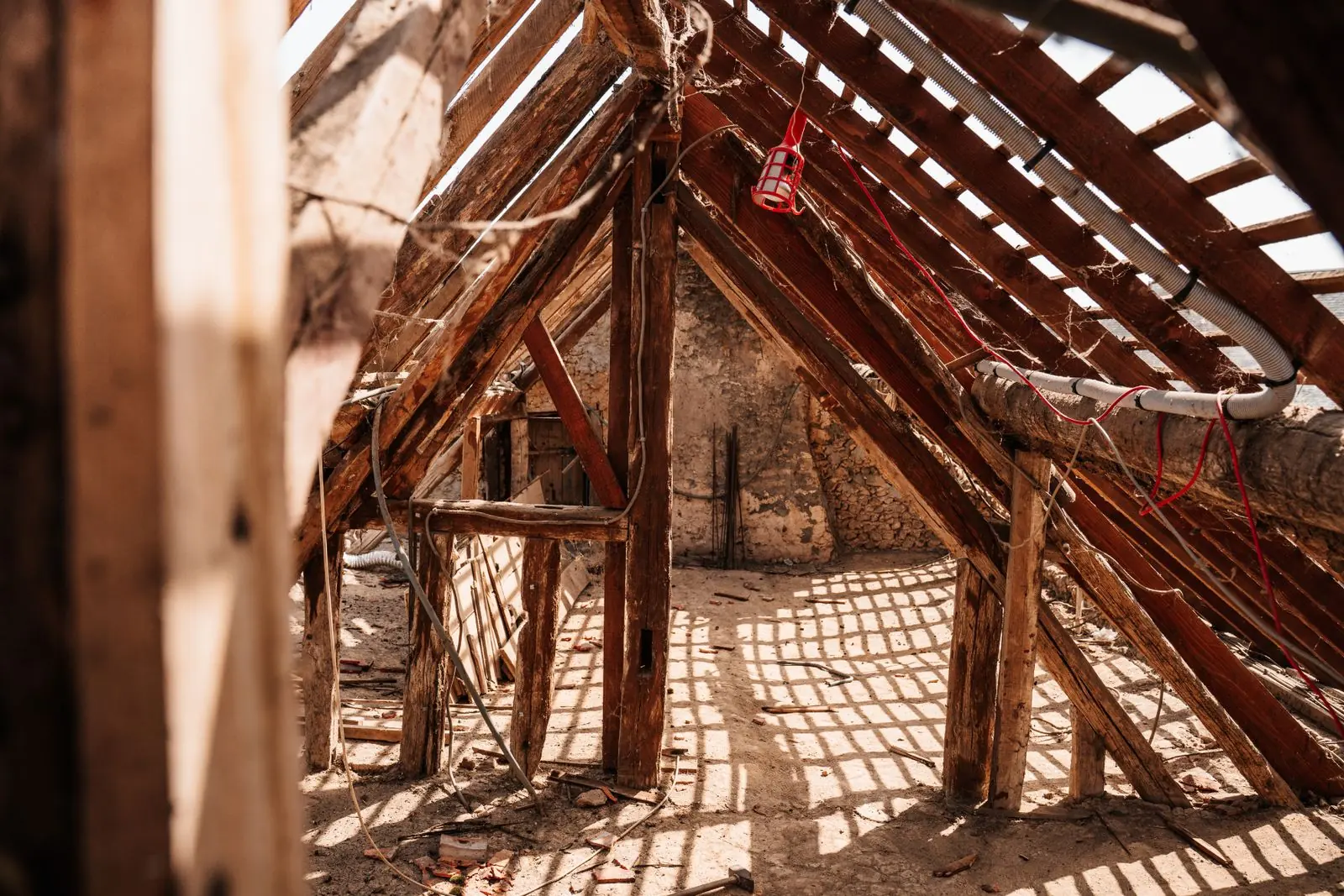
- Insulation acts like a sponge. Batts or loose-fill under a possum can hold a strong smell long after the body has gone.
- Plasterboard and cornices absorb fluid from above and may show a brownish stain.
- Timber joists and wall frames are porous and hold odour if fluid has run down them.
- Nesting material such as leaves, shredded paper and fabric often contains droppings and urine, which add their own smell.
- Flies, maggots and pupae left behind can keep the smell going and produce a new wave of flies.
Size and temperature matter too. A rat in a hot summer roof breaks down fast and leaves more residue in a shorter time than a mouse in a cool wall. For rough timelines by animal, see how long a dead possum smells.
Common reasons for dead animal smell after removal
1. Contaminated material was left behind
If only the body was lifted out, the patch of insulation or debris it was lying on is probably still there. This is the most common cause by far.
2. There is more than one animal
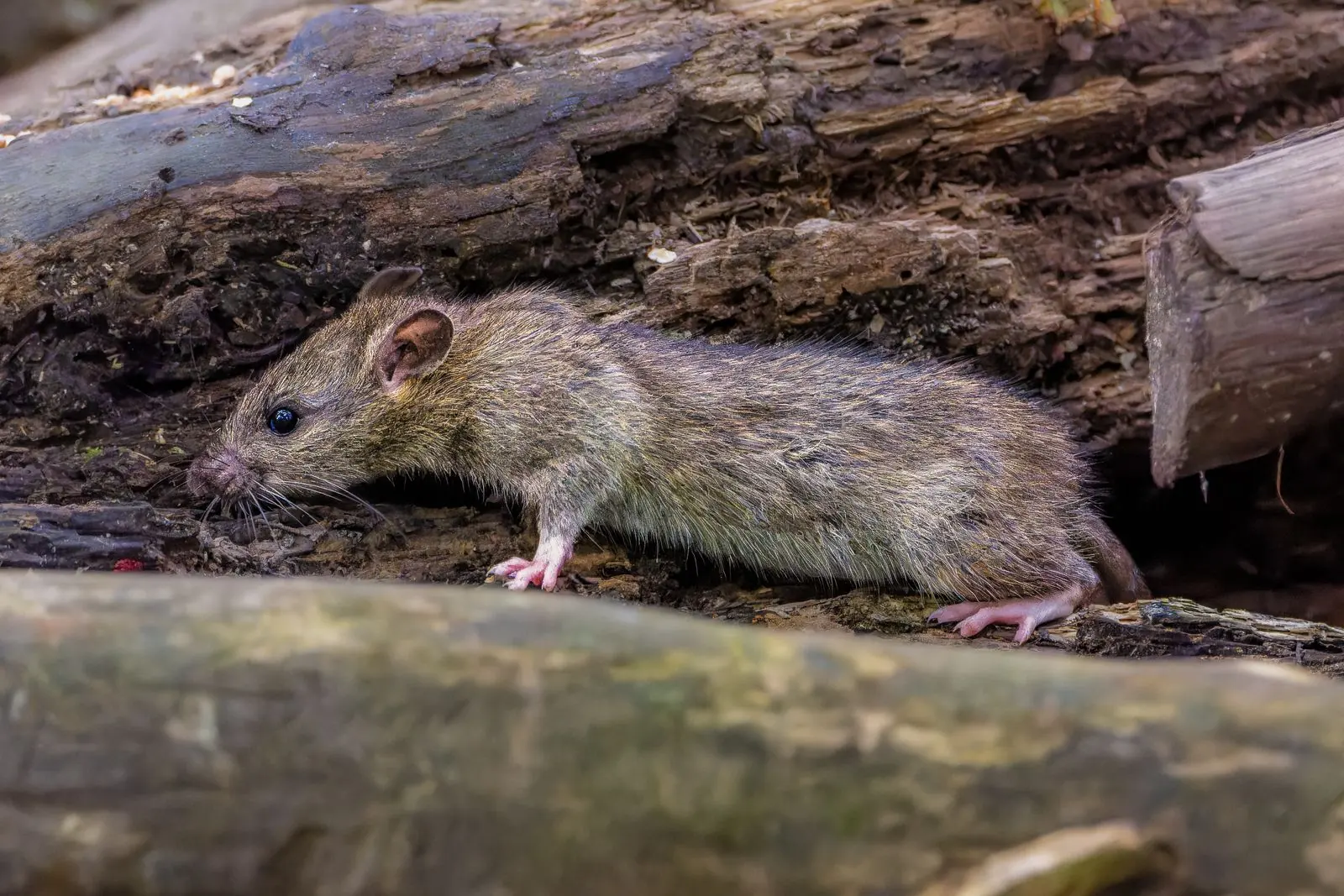
After baiting, several rats or mice can die in different spots. Possums sometimes have young in the roof. Birds nest in groups. One removal doesn't always mean the problem is solved; our guide to rats dying in walls after baiting explains why multiple carcasses are common.
3. Fluid dripped somewhere else
Decomposition fluid can travel along a beam, down inside a wall cavity or onto the top of a ceiling sheet well away from where the body lay.
4. The smell has moved through the house
Ducted heating, wall vents and cavities can carry odour into rooms far from the source. If the heating was running while the animal was decaying, the ducts themselves may hold some odour. Our article on dead animal smell in ducted heating covers this.
5. Soft furnishings absorbed it
Carpet, curtains, rugs and upholstered furniture in a closed-up room pick up odour, and release it slowly once the air clears.
What you can do yourself
If the source really is gone, these steps help the last of the smell clear faster:
- Ventilate. Open windows and doors on opposite sides of the house to get air moving. Run exhaust fans.
- Wash what you can. Curtains, throws, pet bedding and cushion covers in the affected rooms.
- Clean hard surfaces near the source with a disinfectant or enzyme-based cleaner.
- Use odour absorbers, such as bowls of bicarb soda or activated charcoal, in the room where the smell is strongest.
- Turn off the ducted heating for a few days if you suspect the smell is travelling through it.
Avoid spraying air freshener or perfume into a wall cavity or ceiling space. It doesn't break down the odour, it just layers another smell on top, and it can make it harder for someone to track down a missed source later. There are more home tips in how to get rid of dead animal smell in your house.
How to tell if something has been missed
| Sign | What it probably means |
|---|---|
| Smell fading steadily day by day | Normal residue clearing; keep ventilating |
| Smell the same or worse after a week | Contaminated material or another carcass still present |
| New flies appearing at a light or vent | Maggots or another source still breeding |
| A spreading stain on the ceiling or wall | Fluid soaked into plaster from above or inside the cavity |
| Smell strongest in a different room from the removal | A second animal, or odour moving through ducts or cavities |
Professional odour treatment: what it involves
When the smell won't shift, a proper clean-up goes beyond the carcass:
- Re-inspection to confirm there is no second animal, following the smell, any staining and fly activity.
- Removal of soiled insulation, nesting material and debris from around the original site.
- Sanitising and disinfecting the surfaces the animal and its fluids touched.
- Deodorising and fogging to treat odour that has spread into the roof space, cavity or rooms.
- Advice on staining: a badly stained ceiling sheet may need sealing or replacing by a plasterer once it is dry and clean.
We work through this as part of a removal, rather than just lifting the body and leaving. If someone else did the removal, or you did it yourself, we can come back in, check for anything missed and treat the area. Cost depends on access and how much material needs to come out; our removal and clean-up cost guide explains the factors.
Need it gone today? If the animal is gone but the smell isn't, we can find what was missed, remove contaminated material and treat the odour. Call (03) 9125 4024 or send us a message.