Landlords & Business
Dead Rodent in a Food Business: What to Do Today
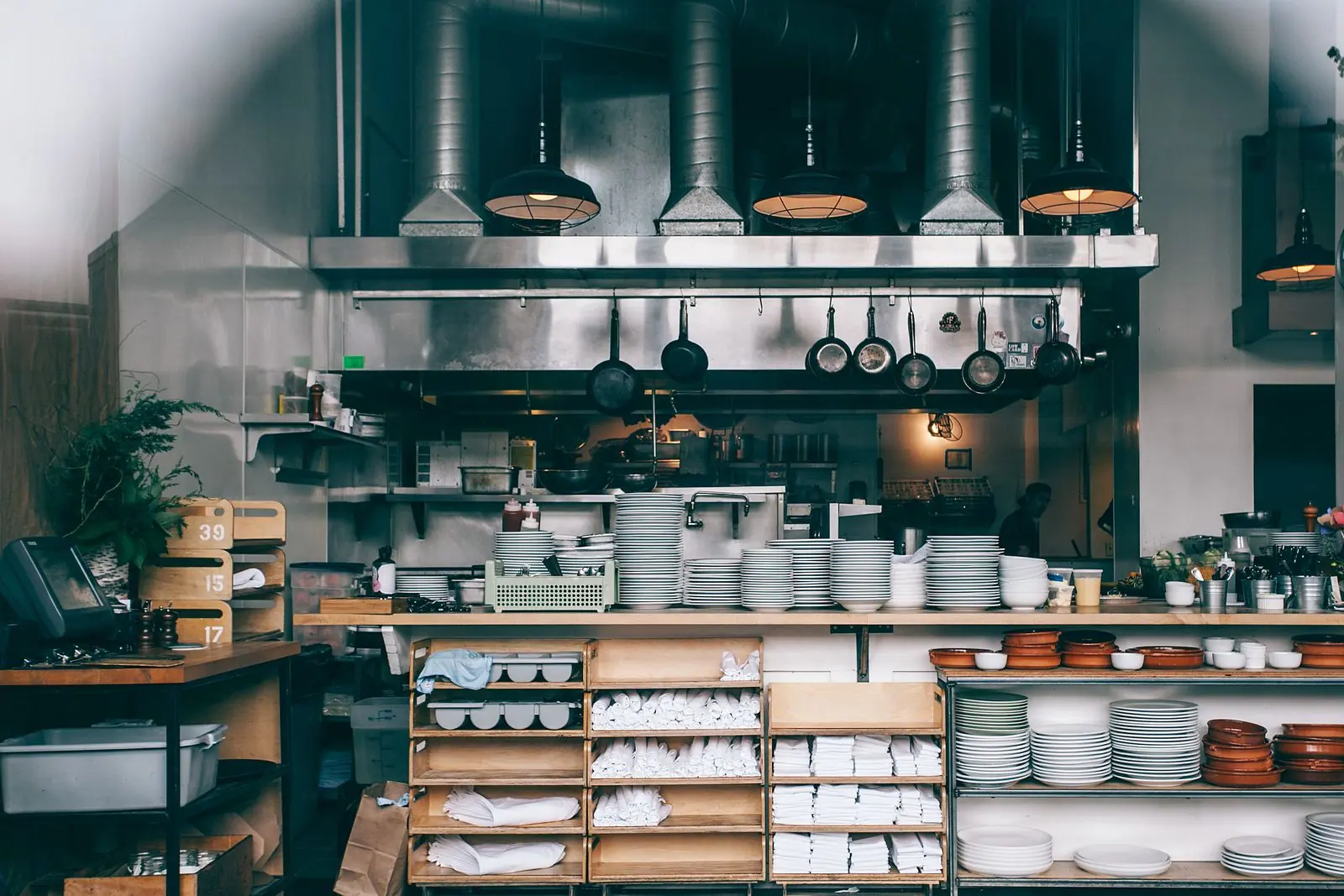
If you find a dead rodent in a food business, stop using the affected area, remove any exposed food nearby, and get the carcass out and the surface sanitised before service continues. Then work out whether there are more, how they are getting in, and record what you found and did. That is the core of commercial dead rodent removal, and it can usually be handled the same day.
A single dead mouse behind a coolroom is not the end of the business, but how you respond in the next few hours matters. Staff, customers and inspectors all judge a kitchen by how it deals with problems, not just whether it ever has one. Our commercial dead animal removal service works with cafes, restaurants, takeaway shops, bakeries and warehouses across Melbourne, often outside trading hours so the doors stay open.
The first 30 minutes: contain, don't panic
Whoever finds the rodent should tell the manager on shift straight away rather than quietly binning it. Then:
- Stop prep in the immediate area. Move staff to another bench or pause that station.
- Look at what is close by. Uncovered food, open ingredient bags, chopping boards and utensils within reach of the carcass or its droppings should be treated as contaminated. If in doubt, throw it out.
- Keep people and pets away. No one should touch it bare-handed.
- Take photos. Note where it was, the time, and who found it. This becomes part of your pest record.
- Decide who removes it. A staff member can remove a single visible mouse with the right gear (see below). If it is under equipment, inside a wall, in the ceiling or there is more than one, call for help.
Safe removal of a visible dead rodent
For one dead mouse or rat on the floor or a shelf, a trained staff member can do this safely:
- Put on disposable gloves and a P2 mask. Rodents can carry leptospirosis and salmonella, and dried droppings and urine can be stirred into the air.
- Spray the carcass and the surrounding area lightly with disinfectant first, so dust doesn't lift.
- Pick it up with an inverted plastic bag or a dustpan, seal it, then put that bag inside a second bag.
- Take it straight to the general waste bin outside, not the kitchen bin.
- Clean and disinfect the spot, then the tools you used, then wash your hands thoroughly.
Never sweep droppings dry or use a vacuum without a proper filter in a food area. If the rodent was baited, picking it up promptly also stops a pet or bird from eating it later. For more on the health side, see our guide on diseases you can catch from dead animals.
When the problem is hidden: smell, flies or stains
Most dead rodents in commercial premises are not found lying in the open. They die behind fridges and dishwashers, under cool room floors, in the cavity behind a tiled wall, in a suspended ceiling, or inside the motor housing of equipment. Signs include:
- A sweet, sickly smell that is strongest in one corner and worse when the kitchen warms up.
- Small flies or blowflies gathering near a vent, light fitting or skirting board.
- A greasy stain spreading on a ceiling tile or wall.
- A smell that appears a few days after a pest control visit, when baited rats retreat into walls to die. Our article on rats dying in walls after baiting explains why.
This is where a removalist earns their keep. We trace the smell, move or check behind heavy equipment, and if the carcass is in a cavity, open a small inspection hole rather than pulling down a wall. The carcass, any soaked insulation or nesting material, and contaminated debris come out together. Then the area is sanitised and deodorised so the smell doesn't linger into service.
What not to do in a commercial kitchen
- Don't mask the smell with air freshener or scented spray near food. It doesn't remove the source and adds another chemical to the air.
- Don't seal up a gap or hole while a rodent might still be inside it.
- Don't keep trading from a bench where droppings or fluids have been found until it is cleaned.
- Don't leave a dead rodent "until the pest controller's next visit" if it is days away.
Commercial dead rodent removal vs pest control: who does what
Food businesses often already have a pest control contract. That is a good thing, and it is worth understanding how the roles fit together.
| Task | Usually handled by |
|---|---|
| Baiting, trapping and monitoring live rodents | Your pest controller |
| Finding and removing dead rodents, including from walls and ceilings | A dead animal removalist (or your pest controller, if it is in their scope) |
| Sanitising, removing soiled insulation and odour treatment | A dead animal removalist |
| Advice on entry points and proofing | Either, ideally both talking to each other |
Many pest contracts cover baits and inspections but not cutting into a wall to retrieve a carcass. If you are unsure which you need, our guide on pest controller or dead animal removalist sets out the difference.
Records, inspectors and your council
Food safety rules in Victoria are administered locally, and expectations differ depending on your business type and how your council classifies it. Rather than guess, keep good notes and ask. In general it is sensible to:
- Record the date, location, what was found, what was thrown out and who cleaned it.
- Keep the invoice or job notes from whoever removed the carcass and treated the area.
- Note any follow-up, such as new baits, sealing a gap under a door or moving stock off the floor.
- Contact your council's environmental health officer if you want to know what is expected of your business, or if you are worried a pest issue could affect food safety.
Environmental health officers would generally rather hear from a business that is managing a problem than discover it during an inspection.
Stopping it happening again
One rodent usually means there is a way in and something to eat. After removal, walk the premises with fresh eyes:
- Gaps: under external doors, around pipes and cables entering the building, broken vents and weep holes, gaps where the ceiling meets the wall.
- Food sources: spilled flour or grain, open bins overnight, grease traps, pet food or bird seed stored out the back.
- Harbourage: cardboard stacked against walls, clutter behind equipment, rarely moved shelving.
- Neighbours: in strip shops and food courts, rodents move between tenancies through shared ceilings and walls. Talk to the landlord or centre manager.
If rodents keep dying inside the building after baiting, ask your pest controller about traps in the problem zones, so carcasses can be collected rather than left to rot in a cavity. You can also read about tracking down a dead mouse smell, which uses the same nose-led approach a kitchen manager can apply on a quiet afternoon.
What it costs and how we work around trading
There is no set price, because a mouse on a storeroom floor is a very different job from a rat inside a tiled wall behind a combi oven. Location, access, time of day and how much sanitising is needed all play a part. Our dead animal removal cost guide explains what affects the quote. Our phone line runs 24/7, so you can call any time, day or night, and we can often attend the same day, including before opening or after close.
Need it gone today? We remove dead rodents from kitchens, storerooms and ceilings across Melbourne and sanitise the area so you can get back to service. Call (03) 9125 4024 or send us a message.