Smells & Finding It
Can You Just Leave a Dead Animal in the Wall?
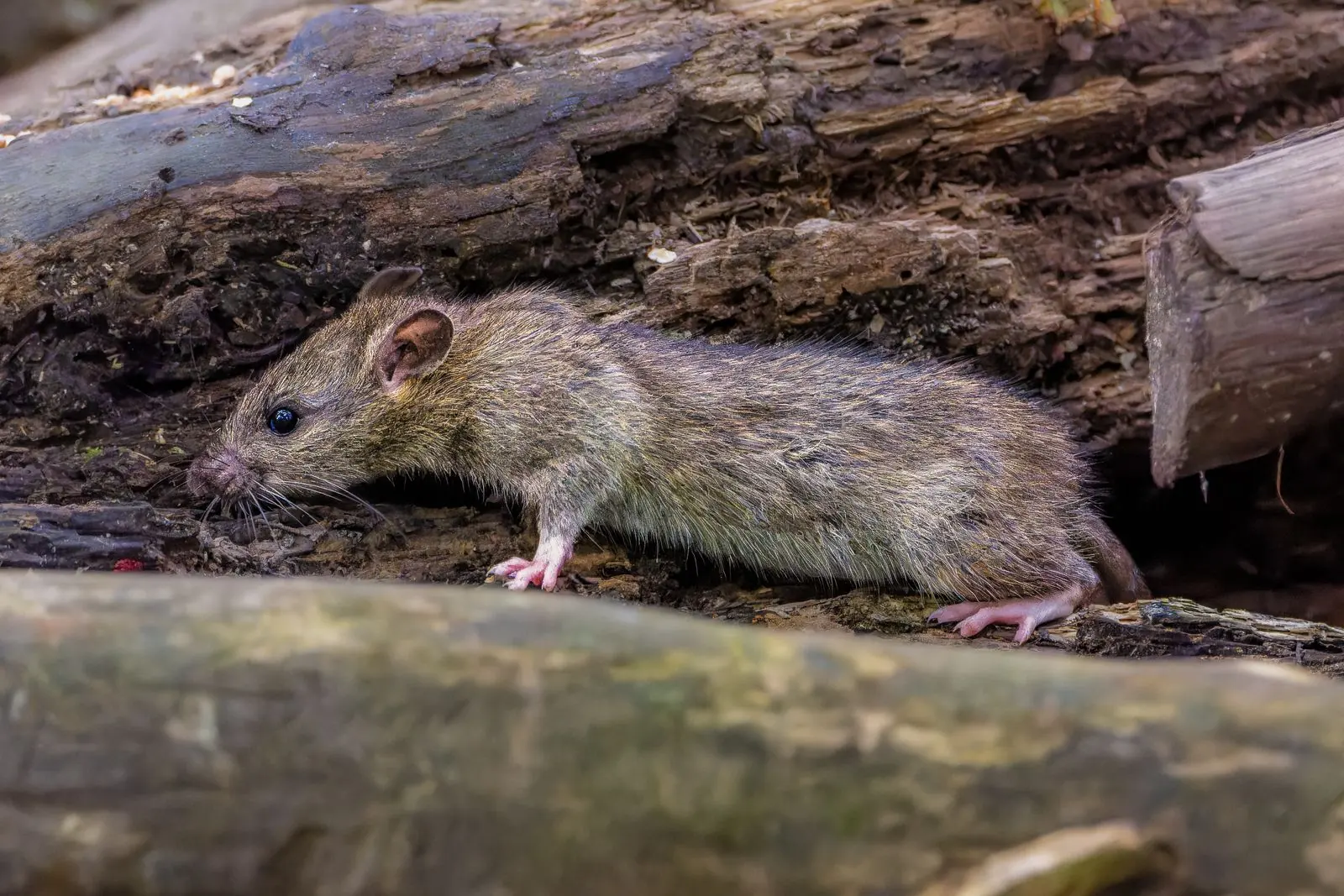
Can you leave a dead rat in the wall and let it dry out? Sometimes, yes: a single mouse or rat will eventually stop smelling on its own, usually within a few weeks. But "can" isn't the same as "should". Leaving it means weeks of odour, a likely fly or maggot problem, possible staining and lingering bacteria in the cavity, and for anything bigger than a rat, such as a possum, the wait is long and the mess is much worse.
This guide helps you make a sensible call for your situation. If you decide you'd rather it was out, our roof, ceiling and wall cavity removal service can locate it and take it away.
What actually happens to an animal left inside a wall
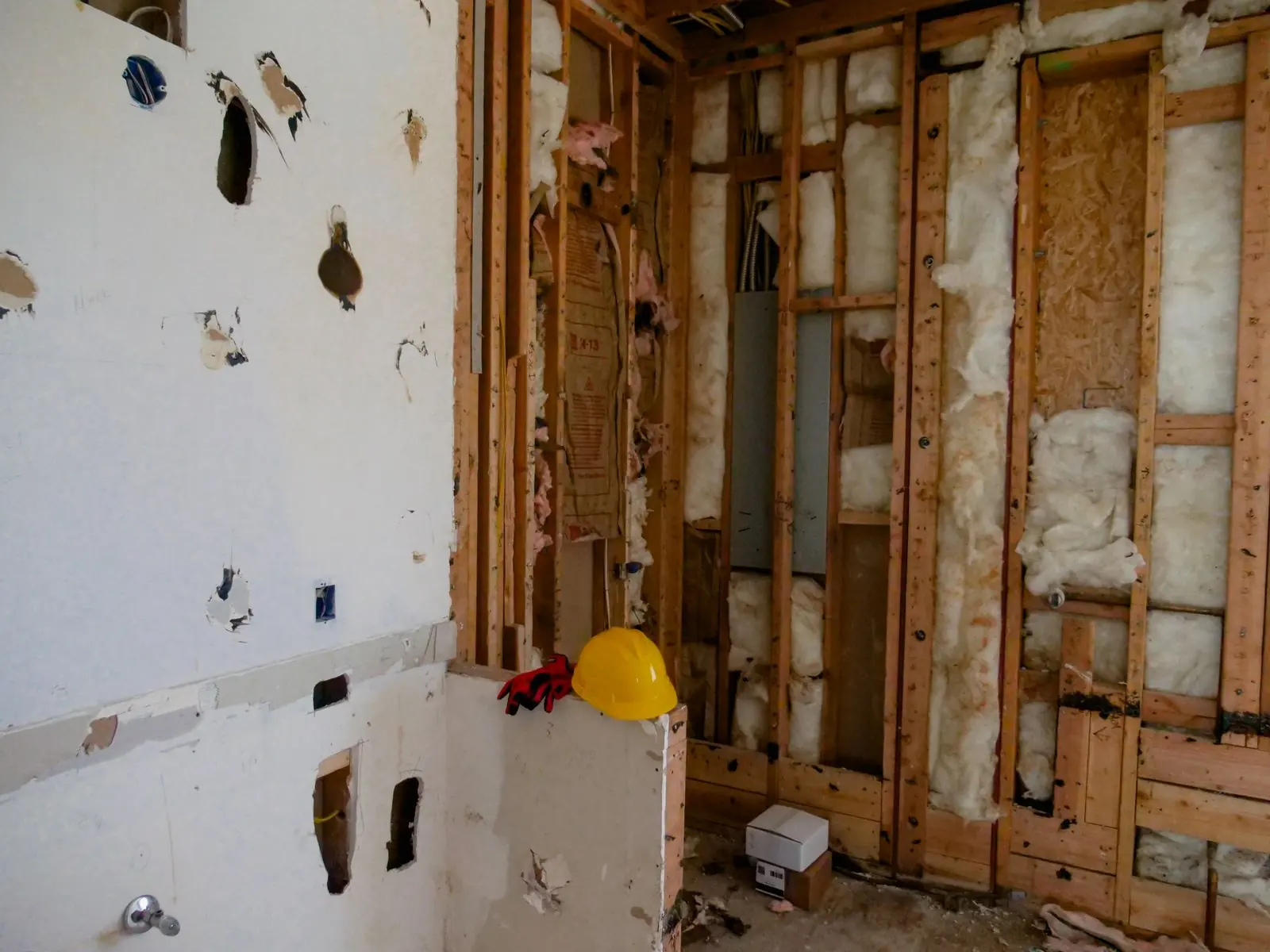
A body sealed in a wall cavity goes through the same stages as anywhere else, just out of sight. In the first few days, gases build up and the smell starts. Over the next week or two, flies that find a way in lay eggs, and the strongest odour period arrives. Fluids seep into whatever the animal is lying on, which inside a Melbourne wall might be the bottom plate, insulation batts or the back of the plasterboard. Eventually the remains dry out and the smell fades, leaving bones, fur and a stained patch behind.
Nothing about the cavity speeds this up. In fact, still air and insulation can hold the smell in for longer than you'd expect.
When leaving a dead rat in the wall might be reasonable
There are situations where waiting is a fair choice, particularly if you're renting short-term, you're on a tight budget, or the wall is tiled and expensive to open. It tends to be more workable when:
- it's one mouse or one small rat, not several;
- the weather is cool, so decay is slower and flies are fewer;
- the smell is confined to a little-used room you can close off and ventilate;
- nobody in the house has asthma, a weakened immune system or a strong reaction to the smell;
- there are no flies or maggots appearing indoors.
As a rough guide, a mouse often smells for about one to two weeks and a rat for about two to three weeks, depending on size and temperature. If you're waiting, open windows, keep that room's door closed and use an odour absorber such as activated charcoal in the room. Our article on how long a dead rat smell lasts breaks this down further.
When you really shouldn't leave it
Waiting is a poor option in plenty of cases. Think about removal if any of these apply:
It's bigger than a rat
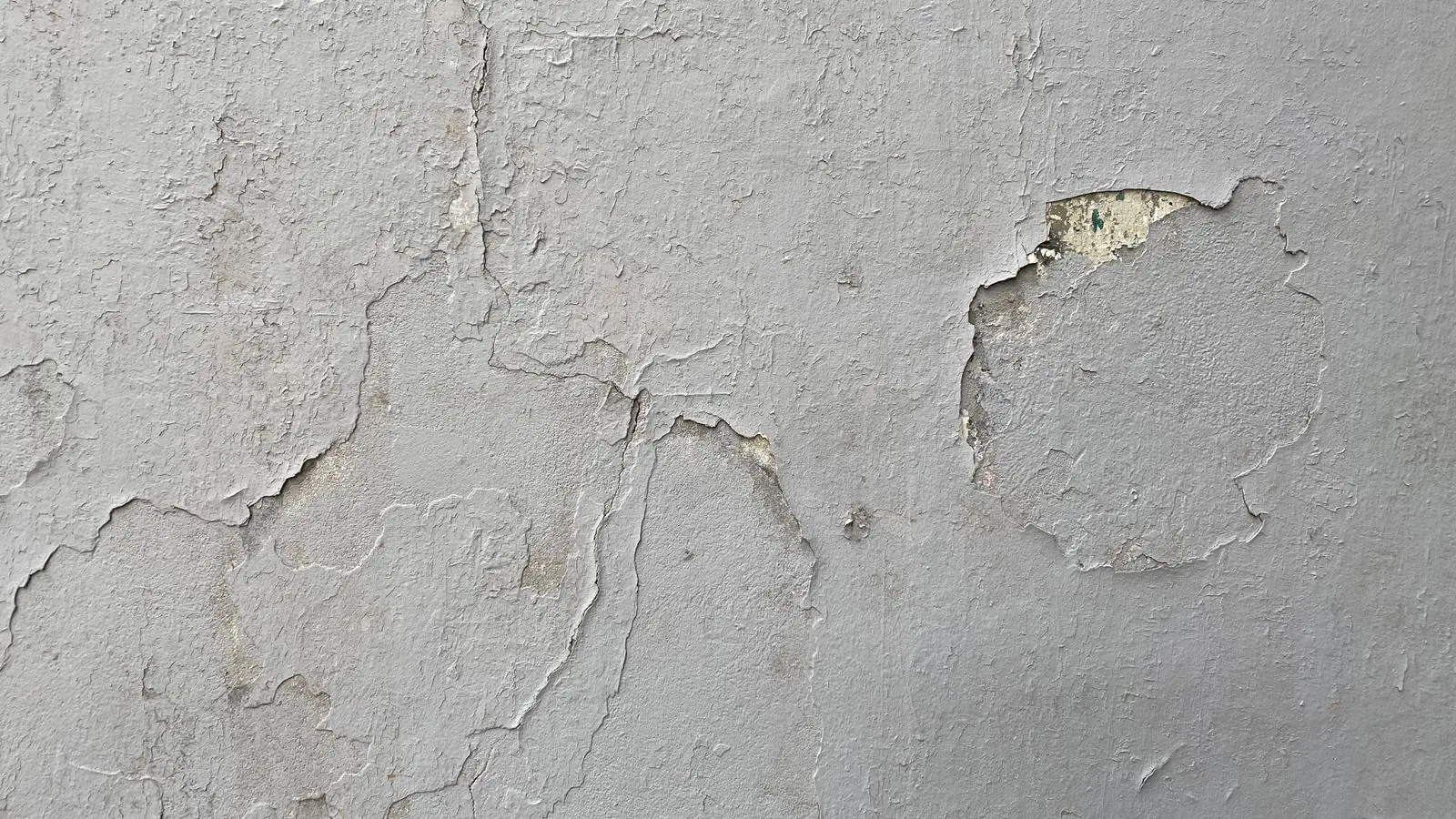
A dead possum is a very different job. The body is many times larger, the smell often lasts three to six weeks or more, and the fluid can soak through plasterboard and leave a permanent stain. See how long a dead possum smells for what to expect.
Flies or maggots are getting in
Once blowflies find the body, you can end up with maggots crawling out of light fittings, cornices or gaps in skirting boards. That's a hygiene problem, not just an unpleasant one. Our guide to maggots falling from the ceiling explains what's going on.
It's summer
Hot weather speeds decomposition and makes the odour far stronger, especially in the roof space and upper walls. A smell you could tolerate in July can be overwhelming in January.
Someone's health is at risk
Rats can carry leptospirosis and salmonella, and decomposition attracts flies that spread bacteria. The smell itself isn't usually dangerous in a home, but it can trigger headaches and nausea, and it's distressing for many people. Our article asking whether dead animal smell is harmful looks at this in more detail.
You're selling, leasing or hosting
An open home, a new tenant moving in or a house full of guests is not the time for a three-week smell.
The hidden costs of waiting
Leaving the body can feel like the cheaper option, and occasionally it is. But it's worth weighing up what else can happen in the meantime:
| If you leave it | If it's removed |
|---|---|
| Smell lasts weeks, depending on size and temperature | Most of the smell clears within a few days once the area is treated |
| Fluids can stain plaster and soak into insulation | Soiled insulation and material can be taken out with the body |
| Flies and maggots may appear indoors | The source of the flies is gone |
| You never find out how it got in | The entry point can be identified and proofed |
| Dried remains stay in the wall | The cavity is cleaned and deodorised |
A stained ceiling or wall can cost more to patch and repaint than a small, tidy inspection hole. For a sense of the factors involved in removal, see our dead animal removal cost page.
Mistakes that make it worse
Whatever you decide, avoid these common moves:
- Don't seal up the entry hole while the animal (or others) may still be inside. Live animals can become trapped and die, adding to the problem.
- Don't spray air freshener, perfume or insect spray into the cavity. It just layers chemical smells on top of the decay.
- Don't drill random holes hoping to find it. You can hit wiring or pipes, and you'll have more patching to do.
- Don't pour bleach into wall gaps. It won't reach the body and can damage surfaces.
What removal from a wall involves
If you go down the removal path, it's usually less dramatic than people fear. A technician narrows down the location using the smell, flies, stains and the building's layout, checks from the roof space or subfloor first, and only opens the wall where needed with a small cut-out that's easy to patch. The body, nesting material and any soiled insulation are removed, then the cavity is sanitised and deodorised. Our guide on how a dead animal is removed from a wall cavity walks through each step.
Need it gone today? If you'd rather not wait weeks for a wall or ceiling smell to fade, we can find the animal, remove it and treat the cavity, often the same day. Call (03) 9125 4024 or send us a message.