Pets & Large Animals
Dead Livestock or a Horse: Your Disposal Options in Victoria
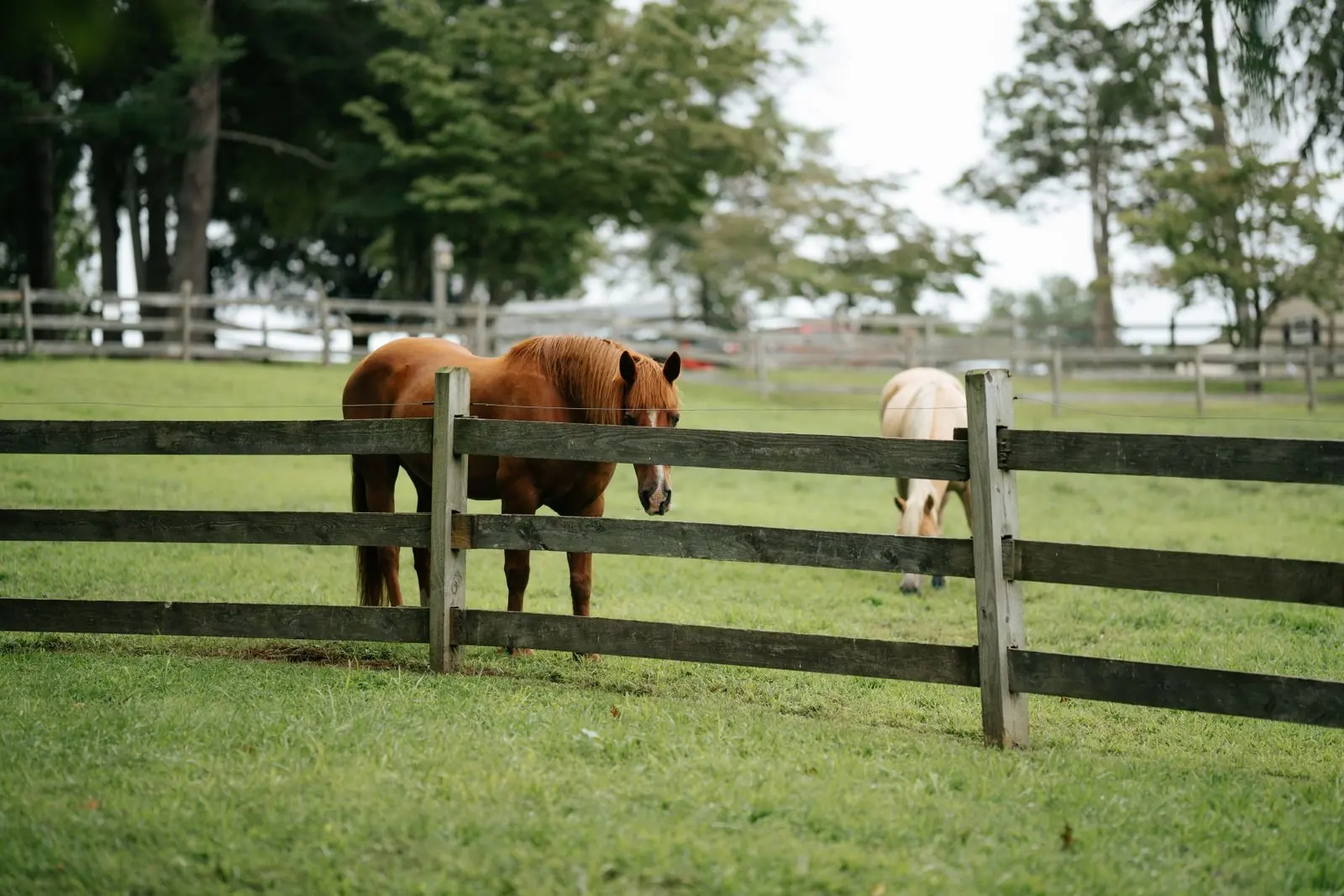
When a horse, cow, sheep or goat dies on your property in Victoria, you generally have four options: arrange dead livestock removal by a carcass collector, send the body to a knackery or renderer, bury it on suitable ground, or (for a horse or much-loved animal) organise private cremation. Which one fits depends on the animal's size, how it died, the season, your council's rules and whether a truck can reach it. Agriculture Victoria publishes the official guidance, and this article walks through the choices in plain terms.
If you'd rather not deal with any of it yourself, our large animal carcass removal service covers Melbourne and the semi-rural fringe. Call first so we can check the animal's size and the access to it.
First steps in the hours after the animal dies
Before you think about disposal, take a few minutes to make the situation safe and to keep your options open.
- Note how it died. A sudden, unexplained death, several animals dying close together, or strange symptoms beforehand (staggering, bleeding from the nose, frothing) is a reason to pause. Call your vet or the Emergency Animal Disease Watch Hotline on 1800 675 888 before moving or burying anything.
- Keep other stock away. Move the rest of the herd or flock to another paddock if you can, and keep dogs off the carcass.
- Cover it if it's hot. A tarp weighed down at the edges keeps flies off and slows the smell. Don't seal it in plastic in direct sun, which speeds up bloating.
- Think about access. Will a vehicle with a winch or crane reach the spot? Is the gate wide enough? Is the ground boggy after rain? These details decide which disposal methods are realistic.
- Talk to your vet if the animal was being treated or euthanased with drugs. Chemically euthanased animals are often unsuitable for rendering, and your vet can advise what's appropriate.
Your dead livestock removal and disposal options compared
| Option | Best suited to | Things to weigh up |
|---|---|---|
| Carcass collection by a removalist | Horses, cattle, sheep, alpacas and goats on small acreage or lifestyle blocks | Needs vehicle access; size and location affect the cost |
| Knackery or renderer | Fresh carcasses of animals that weren't chemically treated | Not every renderer takes every species or condition; you often need to arrange transport |
| On-farm burial | Larger rural properties with the right soil and space | Needs machinery, a site well away from water and houses, and council rules apply |
| Private cremation | Horses and pets the family wants returned | Arranged through a pet or horse crematorium, sometimes via your vet |
Burning a carcass in the open is generally not a good option near Melbourne: it rarely burns completely, it creates smoke and odour for neighbours, and fire restrictions may apply. Check with your council before even considering it.
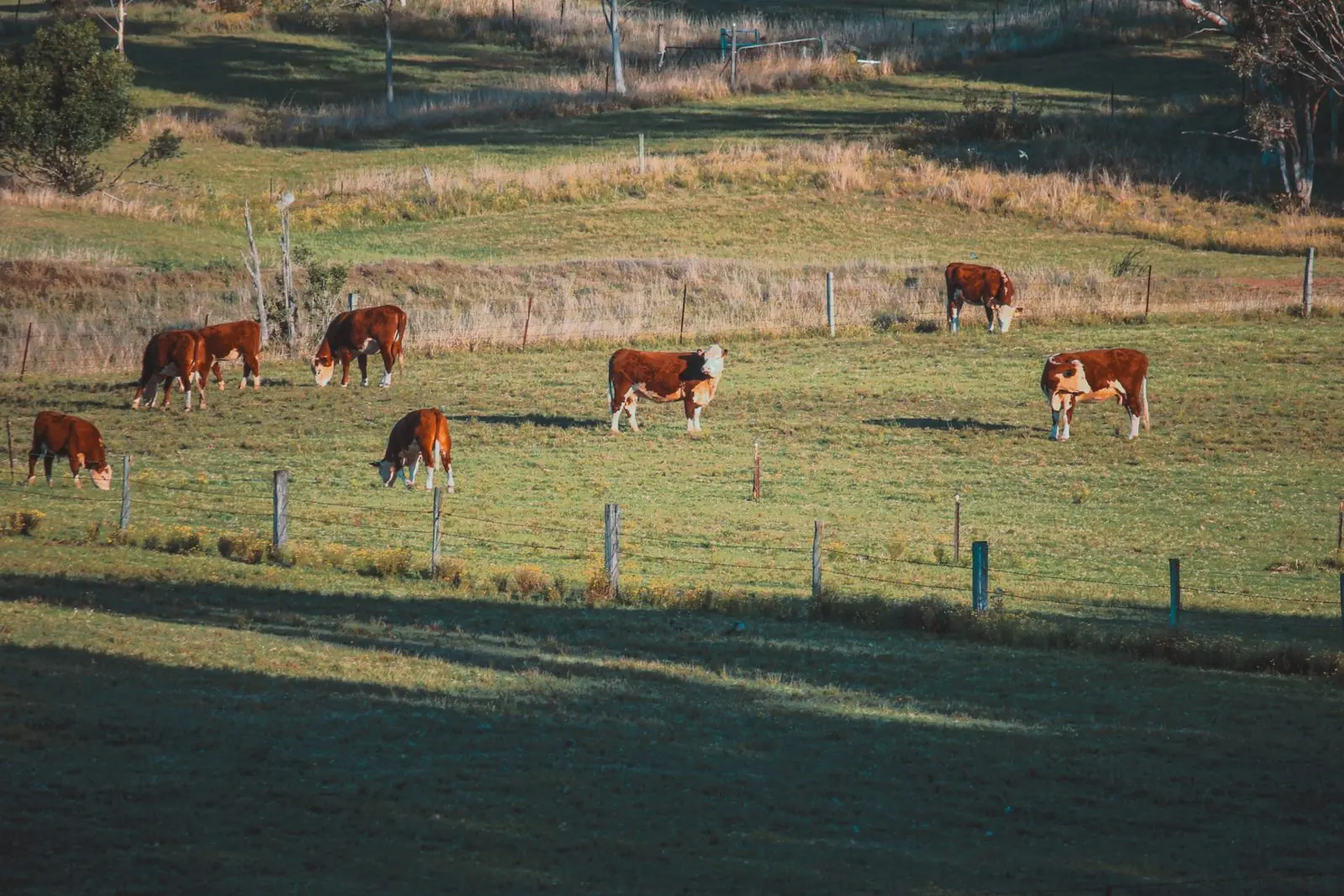
Burying a horse or cow on your land
Burial is common on farms, but it takes more planning than many people expect. A grown horse or cow needs a very large, deep hole, which means an excavator or backhoe. Agriculture Victoria's guidance on the safe disposal of dead stock sets out the main principles:
- choose a site well away from waterways, dams, bores and drainage lines;
- keep it a good distance from houses and neighbouring boundaries;
- avoid shallow groundwater and very sandy or rocky ground;
- cover the carcass with enough soil to stop dogs, foxes and other scavengers digging.
On a suburban or peri-urban block, burial is often not practical or not permitted. Your local council can tell you what applies to your zoning. Rules vary, so it's worth a phone call before the digger arrives. For family pets, we cover the general Victorian position in our guide to burying a pet in the backyard.
Knackeries, renderers and carcass collection
A knackery or rendering plant processes animal carcasses rather than leaving them in the ground. It can be a tidy solution for fresh carcasses on a working farm, but there are catches. Many plants only accept animals that died recently and weren't euthanased with drugs, and some only take certain species. Transport is usually your job unless they offer a pick-up.
That's where a carcass removal service helps, particularly on lifestyle properties around Melbourne's edge where owners don't have a tilt tray or winch. We bring the equipment to lift the animal, take it away for appropriate disposal, and can treat the ground where it lay so the area isn't left stained or attracting flies. Every job is different, so please ring and describe the animal, where it is and what the access is like.
What affects the cost
We don't publish flat prices, because the work varies so much. The main factors are the animal's size and weight, how far a vehicle can get to it, how long it has been there, the time of day and whether you need the area cleaned and deodorised afterwards. Our page on what dead animal removal costs explains these factors in more detail.
When a death needs to be reported
Most single deaths from old age, injury or a known illness don't need reporting. But Victoria relies on farmers and hobby landholders to flag anything unusual early. Ring the Emergency Animal Disease Watch Hotline on 1800 675 888 if you notice:
- several animals dying or falling sick in a short time;
- sudden deaths with no obvious cause;
- unusual signs such as blisters, severe lameness across the herd or bleeding;
- multiple dead poultry or birds (avian influenza has caused outbreaks in Victorian poultry in recent years).
Don't move, bury or open the carcass until you've been told it's fine to do so. Wear gloves and wash up well if you've already handled it. Our article on diseases you can catch from dead animals covers the general health precautions.
Horses: a gentler approach for a family animal
Losing a horse is often losing a family member, and the practical side can feel overwhelming. A few things worth knowing:
- If the horse is euthanased by a vet, ask beforehand about where it will happen. Choosing a spot with vehicle access makes removal much easier and more dignified.
- Many owners choose cremation so they can keep the ashes. Your vet can usually point you to a horse or pet crematorium.
- If you'd like to keep a lock of mane or tail, a shoe or the halter, take them before the horse is collected.
- You don't need to watch the removal. Let us know and we'll handle it quietly while you're elsewhere.
We treat every animal with care, whether it's a working stock horse or a retired pony that's been in the family for twenty years.
Kangaroos and wildlife on farmland
Paddocks on Melbourne's outskirts often have native animals die on them too. A dead kangaroo, wallaby or wombat is handled differently from stock, mainly because a female may have a living joey in her pouch. Call Wildlife Victoria on (03) 8400 7300 before moving her. Our separate guide on a dead kangaroo on your property covers this in detail, and our walkthrough of what happens at a removal call-out explains how a visit usually runs.
Need it gone today? If a horse, cow, sheep or other large animal has died on your property, we can talk through access and disposal options straight away, often the same day. Call (03) 9125 4024 or send us a message.