Pets & Large Animals
Dead Kangaroo or Wallaby on Your Property: What to Do
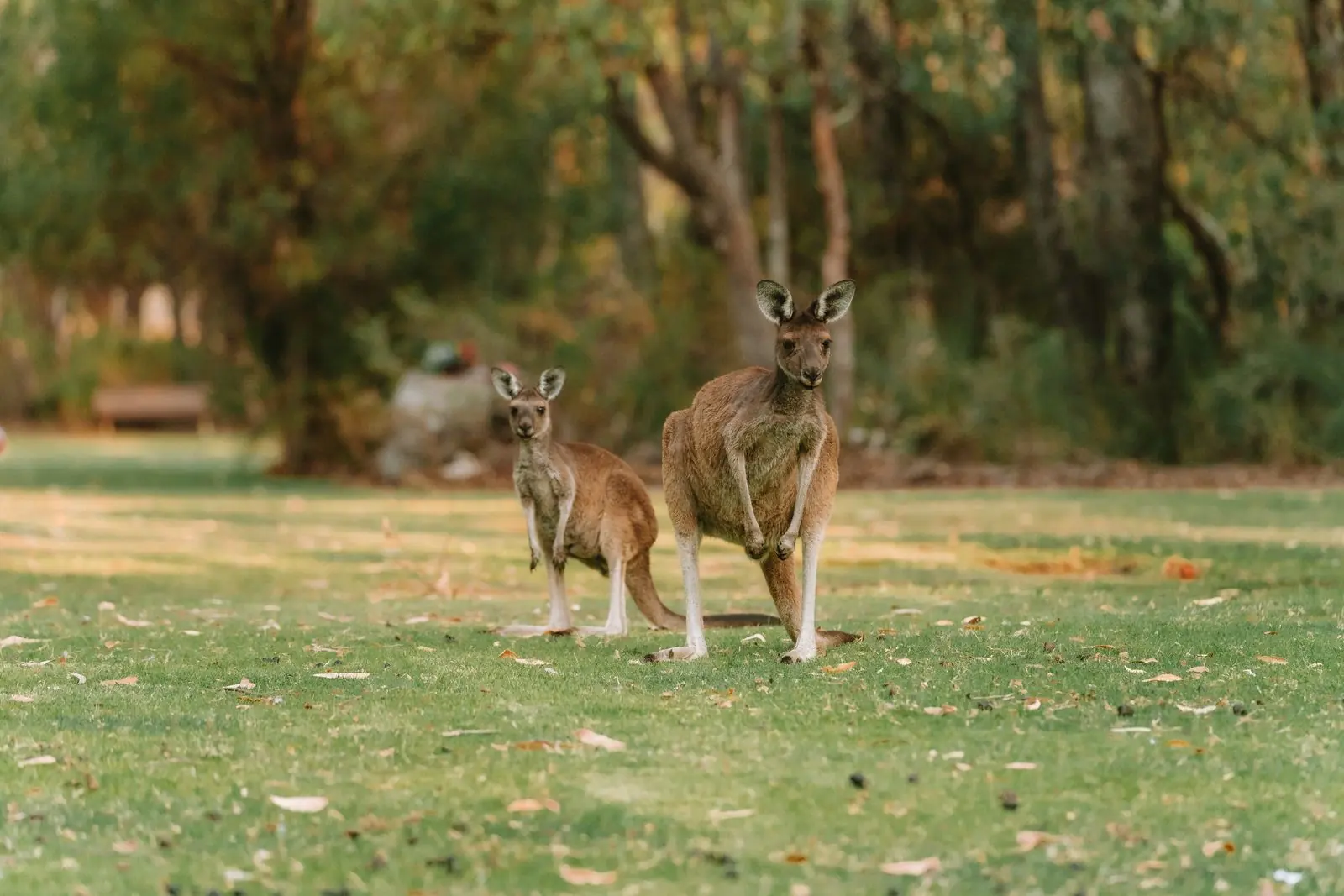
If there is a dead kangaroo or wallaby on your property, the first thing to do is check whether it is a female with a joey in the pouch. Joeys can survive for days after their mother dies, so call Wildlife Victoria on (03) 8400 7300 before you move her. After that, the carcass needs to be removed or buried well away from water, because an adult kangaroo is too big for a household bin. Dead kangaroo removal is a job most people hand to someone with the gear to lift it.
Kangaroos and wallabies turn up on properties right around Melbourne's edge, from the green wedges in the north-east and the Yarra Valley to the western plains and the Mornington Peninsula. This guide covers what to check, what not to do and your options, including our large animal carcass removal service.
Check the pouch first
This step matters more than anything else in the guide. A female kangaroo, wallaby or wombat may be carrying a living joey even if she has clearly been dead for some time.
- Look before you lift. The pouch is on the belly. Even a small bulge or movement can mean a joey inside.
- Don't pull a joey off the teat. Very young joeys are attached to the mother's teat, and pulling them away can badly injure them.
- Call Wildlife Victoria on (03) 8400 7300. They can talk you through what to do and arrange a trained rescuer. Their website, wildlifevictoria.org.au, also has guidance.
- Keep the joey warm and quiet while you wait, if you are told to remove it. A pillowcase or bag in a warm, dark spot is better than open handling.
Older joeys that have left the pouch sometimes stay close by. If you see a young kangaroo hanging around the carcass, keep dogs inside and mention it when you call.
Is it legal to move or dispose of a dead kangaroo?
Kangaroos and wallabies are native wildlife and are protected in Victoria under the Wildlife Act 1975. Moving a dead one off your land for disposal, or burying it, is a normal part of managing a property. What you can't do is keep parts of the animal, such as the skin, skull or tail.
If you find an animal that is injured rather than dead, do not try to put it down or move it yourself. Call Wildlife Victoria. We only deal with animals that have already died.
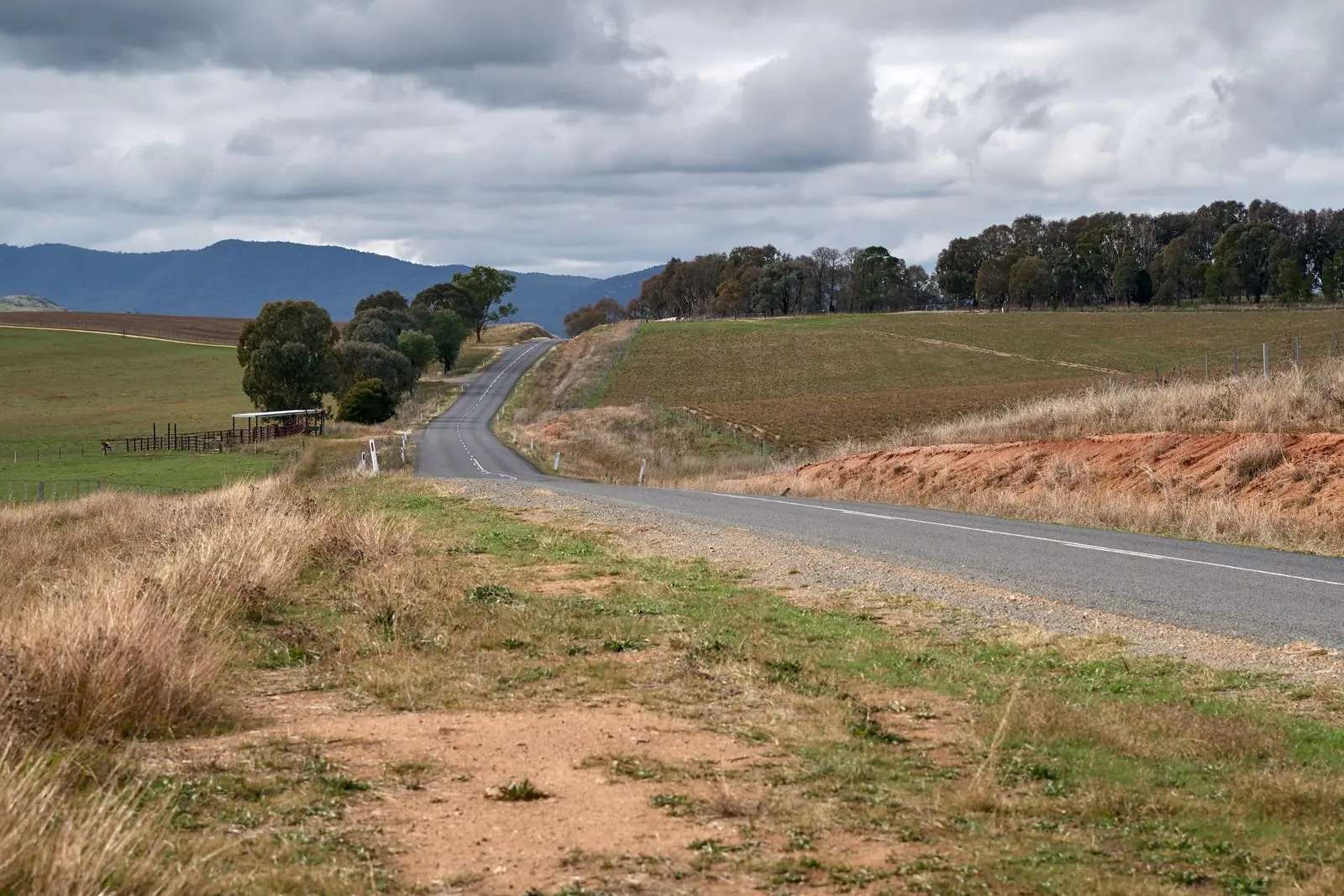
Where it is decides who deals with it
| Location | Who is usually responsible |
|---|---|
| Freeway or main arterial road | The Department of Transport and Planning |
| Local road, roadside reserve or council land | Your local council |
| Inside your property boundary (paddock, driveway, yard, dam) | The landowner or occupier |
| Across a boundary fence | Usually whoever owns the land it is lying on; talk to your neighbour |
Most Melbourne councils don't collect dead animals from private land, so a kangaroo in your paddock or caught in your fence is generally yours to organise. For more on the split between councils and property owners, see our guide to who removes dead animals in Melbourne.
Why you shouldn't just leave it
On a big rural block, leaving a carcass to break down can seem easier. It usually isn't.
- Smell: a kangaroo is far larger than a possum, and the odour can carry a long way in warm weather.
- Flies and maggots: a carcass draws blowflies within hours, which then find their way to houses, stables and stock.
- Foxes, dogs and feral cats: scavengers drag remains around and pets can get sick from eating them.
- Water: fluids from a decomposing animal near a dam, creek or bore can contaminate water used by stock or people.
Our article on diseases from dead animals explains the health side in more detail.
Your options for dead kangaroo removal
Burying it on your property
On acreage, burial is often possible. The same principles that apply to dead stock make sense for a kangaroo: choose a site well away from waterways, dams, bores and houses, dig deep enough that foxes and dogs cannot reach it, and check whether your council has any rules. Agriculture Victoria sets these out in its guidance on the safe disposal of dead stock. You will usually need a tractor or excavator for a grave that size.
Moving it yourself
An adult eastern grey kangaroo is heavy and awkward, and a carcass that has been lying for a day or two is unpleasant to handle. If you do it yourself, wear heavy gloves and a P2 mask, use a tarp to drag or lift it with at least two people, and keep it covered in the ute or trailer. Wash your hands and arms well afterwards and hose down the tray.
Calling a carcass removal service
This is the simplest option if you don't have machinery, the animal is somewhere awkward (in a dam, under a fence, in a garden bed or beside the house), or it has been there long enough to be badly decomposed. We take the carcass away, clean and disinfect the spot it was lying on, and can treat the odour. Call first so we can check the animal's size and access to the site. If you want to know what to expect on the day, read what happens at a removal call-out.
Cost depends on the animal's size, where it is, access for equipment and how much cleaning is required; see our dead animal removal cost page.
Cleaning up and reducing the chance of a repeat
Once the animal is gone, rake up and bag any fur or soiled soil, and hose hard surfaces with detergent followed by a disinfectant. If it died against a fence, check the fence line: kangaroos often get tangled in the top wires of rural fences, and a plain top wire or a visible strip can help. On properties near the bush around Eltham and similar areas, keeping gates closed and dogs contained at dawn and dusk reduces panicked runs into fences.
If you also run horses or livestock, our guide to dead livestock and horse disposal in Victoria covers the larger end of the same job.
Need it gone today? Once any joey has been checked, we can remove a dead kangaroo or wallaby from your property and clean the area. Call (03) 9125 4024 or send us a message.