Smells & Finding It
How to Get Rid of Dead Animal Smell in Your House
The only reliable way to get rid of dead animal smell in your house is to remove the carcass, take out anything its fluids have soaked into, then clean, disinfect and deodorise the spot. Air fresheners, candles and odour gels only cover it for an hour or two. If you're searching for how to get rid of dead animal smell in a house, start with the source and the smell will usually fade within a few days of it being gone.
Below is the order that works, what you can safely handle yourself, and when it's worth booking a dead animal smell removal service in Melbourne instead.
Why masking the odour never works for long
Decomposition releases gases that cling to porous materials: plaster, timber framing, carpet underlay, insulation batts and nesting material. While the body is still there, it keeps producing more. Spraying fragrance into the room just layers a sweet smell over a rotten one, and many people find that combination worse than the original.
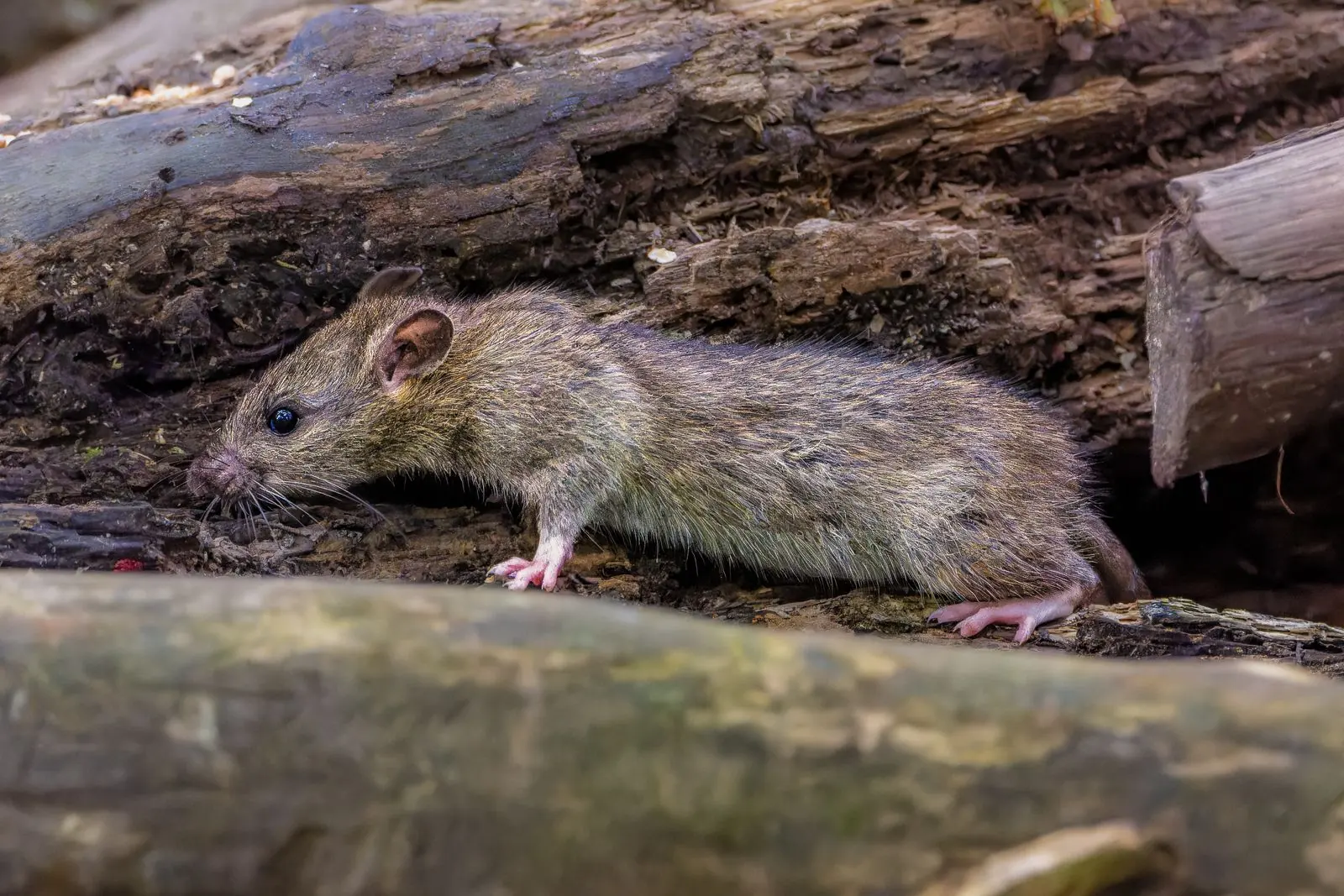
Leaving it to "dry out" is an option in some cases, but it takes a long time. Roughly speaking, a mouse may smell for one to two weeks, a rat for two to three, and a possum for three to six weeks or more, depending on size and temperature. We cover the waiting option honestly in can you just leave a dead animal in the wall.
Step 1: find and remove the source
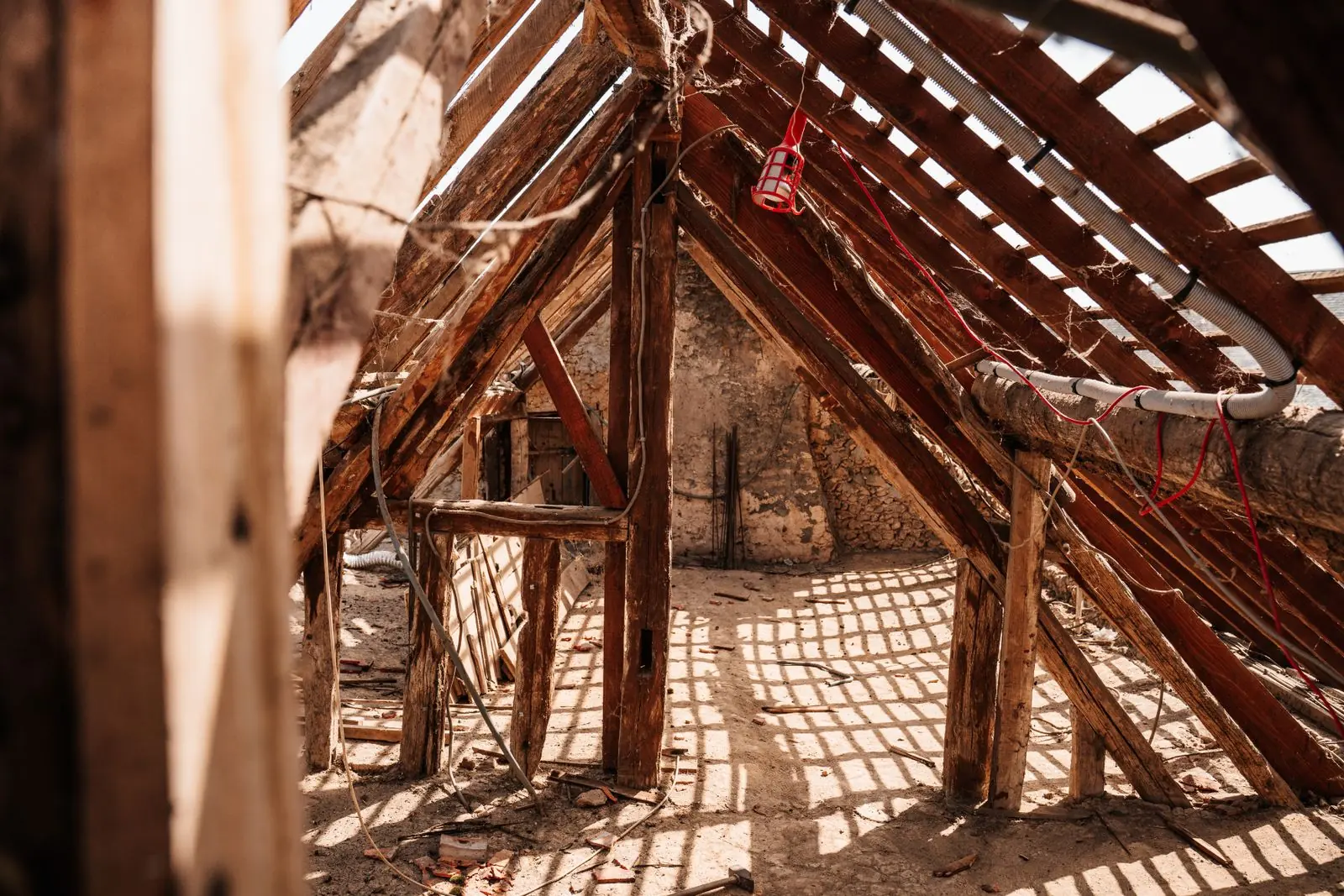
Everything else depends on this. If you haven't located the animal yet, use the room-by-room method in our guide to finding a dead animal by smell. Common hiding spots in Melbourne homes include:
- the roof space, especially near the eaves and above the kitchen;
- wall cavities, often behind a kitchen or laundry where pipes come through;
- the subfloor of older weatherboard and brick-veneer homes;
- ducted heating runs and the return-air box;
- behind or under the fridge, dishwasher or oven;
- a chimney, gutter or the gap behind a pergola fascia.
For a small animal you can reach, wear disposable gloves and a P2 mask, pick it up with an inverted plastic bag or a shovel, double-bag it and put it in your general waste (red-lid) bin. Never put it in the recycling or green-waste bin. If it's in a cavity, a tight subfloor or high in the roof, that's where professional removal earns its keep.
Step 2: remove what the smell has soaked into
This is the step most people skip, and it's why odour sometimes hangs around after the body is gone. Look at what was underneath and around the carcass.
| Material | What to do with it |
|---|---|
| Insulation batts or loose-fill | Bag and remove the stained section; replace it once the area is clean |
| Nesting material, droppings | Bag and remove completely |
| Carpet and underlay | Wash if lightly marked; badly soaked underlay usually needs replacing |
| Bare timber joists or floorboards | Scrub, disinfect and let dry; seal with an odour-blocking primer if staining remains |
| Plaster with a visible stain | Clean and seal with a stain-blocking primer; replace the patch if it's soft |
Step 3: clean, disinfect and deodorise
With the carcass and soiled material gone, clean the hard surfaces with detergent and warm water first, then apply a household disinfectant and leave it for the contact time on the label. Wipe up any dead insects or larvae as you go.
Next comes the deodorising. At home, the options that genuinely help are:
- Fresh air: open windows on opposite sides of the house to get a cross-breeze going.
- Bicarbonate of soda: sprinkle it on carpet near the area, leave it overnight, then vacuum.
- Activated charcoal: bowls of it in a closed room will slowly absorb lingering odour.
- Enzyme-based odour cleaners: these break down the organic residue rather than just covering it.
For roof spaces, subfloors and wall cavities, professional crews usually apply a deodoriser directly to the affected area and may fog the space so the treatment reaches into gaps you can't scrub. That is the core of a sanitising and odour treatment visit.
What not to do
- Don't spray air freshener or insecticide into a wall cavity. It doesn't reach the source and can leave a residue that holds odour.
- Don't mix bleach with other cleaners, especially ammonia-based ones.
- Don't paint over a stain without cleaning and sealing it first; the smell and the mark tend to come back through.
- Don't run ducted heating to "blow the smell out" if the animal might be in the ducts. It spreads the odour through every room.
Step 4: stop the next one
Once the smell has cleared, find out how the animal got in. Rodents squeeze through gaps about the width of a pencil, and possums use loose roof tiles, gaps under eaves and branches that touch the roofline. Close the gap only after you're sure nothing is still living inside, otherwise you'll trap an animal and start the whole problem again.
How long until the house smells normal?
Once the carcass is removed and the area properly treated, most of the odour clears within a few days. A faint smell can linger longer in humid weather or where fluids soaked into timber. If it's still strong after a week, something has usually been missed: a second animal, soaked insulation, or residue in a spot that wasn't treated. Our guide on why it can still smell after removal walks through the usual culprits.
If anyone in the house is feeling unwell from the odour, or you're worried about what it's doing to the air you breathe, read is dead animal smell harmful for a plain-English look at the risks.
How to get rid of dead animal smell in a house: DIY or call a pro?
You can usually handle it yourself if the animal is small, easy to reach and hasn't leaked onto anything absorbent. It's worth calling us when the source is inside a wall, ceiling or tight subfloor, when there are maggots or flies indoors, or when the smell has already spread through the house. The price depends on where the animal is, how hard it is to reach and how much clean-up is involved; our cost guide explains each factor.
Need it gone today? We find the source, remove it and treat the area so the smell actually goes, not just gets covered up. Call (03) 9125 4024 or send us a message.