Smells & Finding It
How to Find a Dead Animal by Smell When You Can't See It
To find a dead animal by smell, work out which room the odour is strongest in, then narrow it down to one wall, ceiling patch or floor section by sniffing at skirting boards, power points, vents and cornices at different times of day. Look for supporting clues such as blowflies, stains or a damp patch, and only then open anything up. Knowing how to find a dead animal smell's source this way saves you cutting holes in the wrong place.
The method below is the same basic approach our team uses before any dead animal smell removal job in Melbourne. You can do most of it yourself with nothing more than your nose, a torch and a bit of patience.
Why the smell is so hard to pin down
Decomposition odour doesn't sit still. It moves with warm air, drifts along wall cavities and roof spaces, and leaks out wherever there is a gap: a downlight, a switch plate, a gap under the skirting, a heating register. That's why a possum that died above the hallway can smell worst in the kitchen, or a rat under the bathroom floor can seem to be in the bedroom next door.
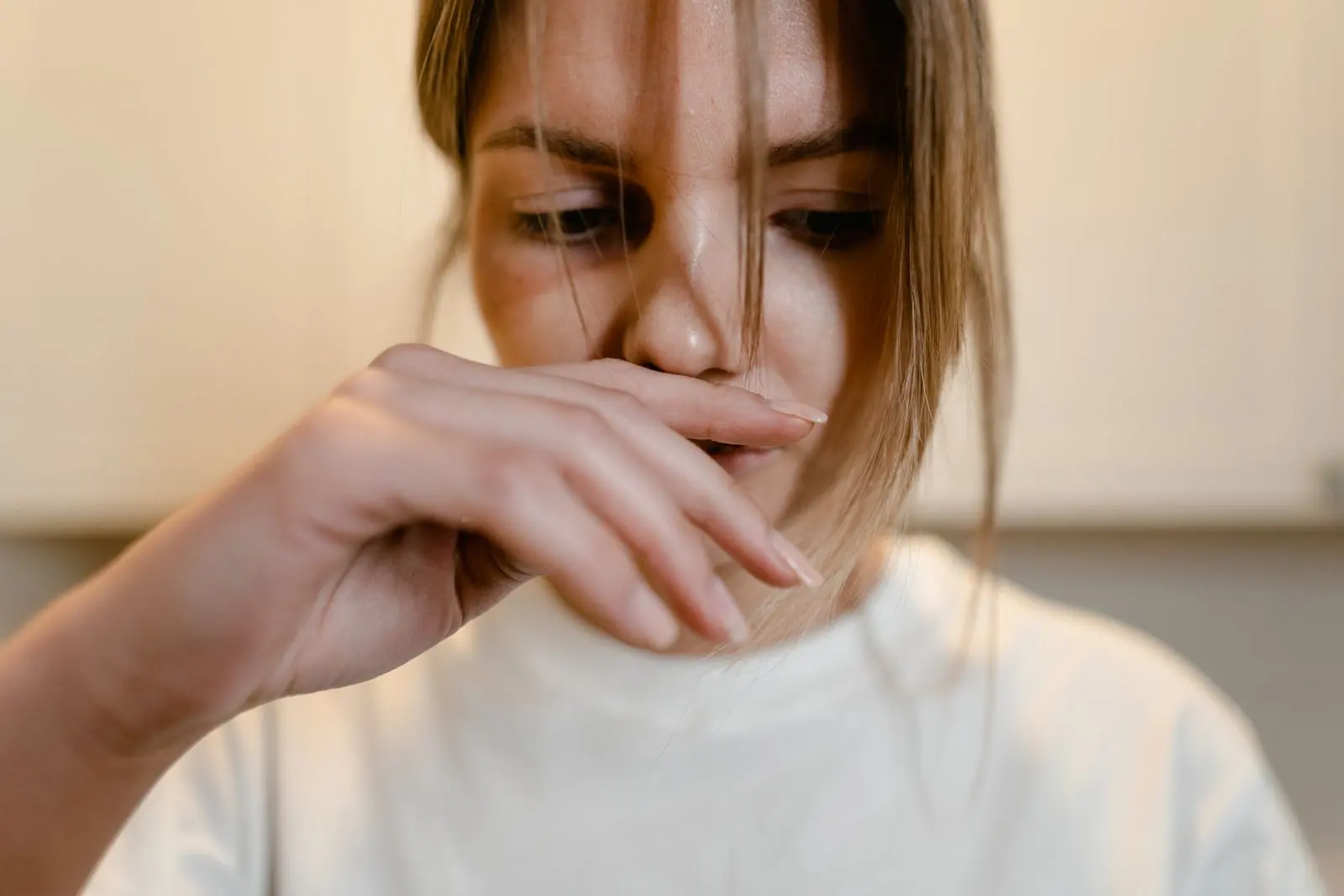
Your nose also tires quickly. After a few minutes in a smelly room you stop noticing it, which makes the source feel like it's everywhere. Short, fresh sniffs after stepping outside work far better than standing in one spot for ten minutes.
Step-by-step: how to find a dead animal smell's source
- Air the house, then close it up. Open windows for half an hour, shut them again and leave the house closed for a few hours. Turn off ducted heating, fans and air conditioning so they don't spread the odour.
- Walk in from outside. Step out for a minute to reset your nose, then walk slowly through each room. Note where it's faint, where it's strong, and where it hits you hardest.
- Go low, then high. In the strongest room, crouch and sniff along the skirting boards, then stand on a stable step and sniff along the cornice. Odour from a subfloor tends to be worse low down; odour from a roof or upper wall cavity is often worse near the ceiling.
- Check the leak points. Power points, light switches, downlights, exhaust fans, built-in wardrobes and the back of kitchen cupboards are common places for smell to escape a cavity.
- Compare morning and afternoon. A roof space heats up during the day, so a carcass up there usually smells stronger on a warm afternoon. Subfloor smells often stay more constant.
- Mark the spot. Put a small piece of painter's tape where the smell is strongest. If several people in the house agree on the same tape mark, you're probably close.
If the odour is coming through the heating vents rather than a wall, the problem may be in the ducting itself. Our guide to dead animal smell in ducted heating covers that situation separately.
Other clues that point to the location
Your nose gets you to the right room. These signs help you get to the right square metre.
| Clue | What it usually suggests |
|---|---|
| Blowflies gathering at one window or light fitting | A carcass in the nearby ceiling or wall; flies have found a way out |
| A yellow or brown stain on plaster | Fluids soaking through from directly above or behind |
| Tiny pale larvae on the floor or bench | An animal in the ceiling right above that spot |
| Your dog or cat sniffing one wall | The source is close behind it (pets are often more accurate than people) |
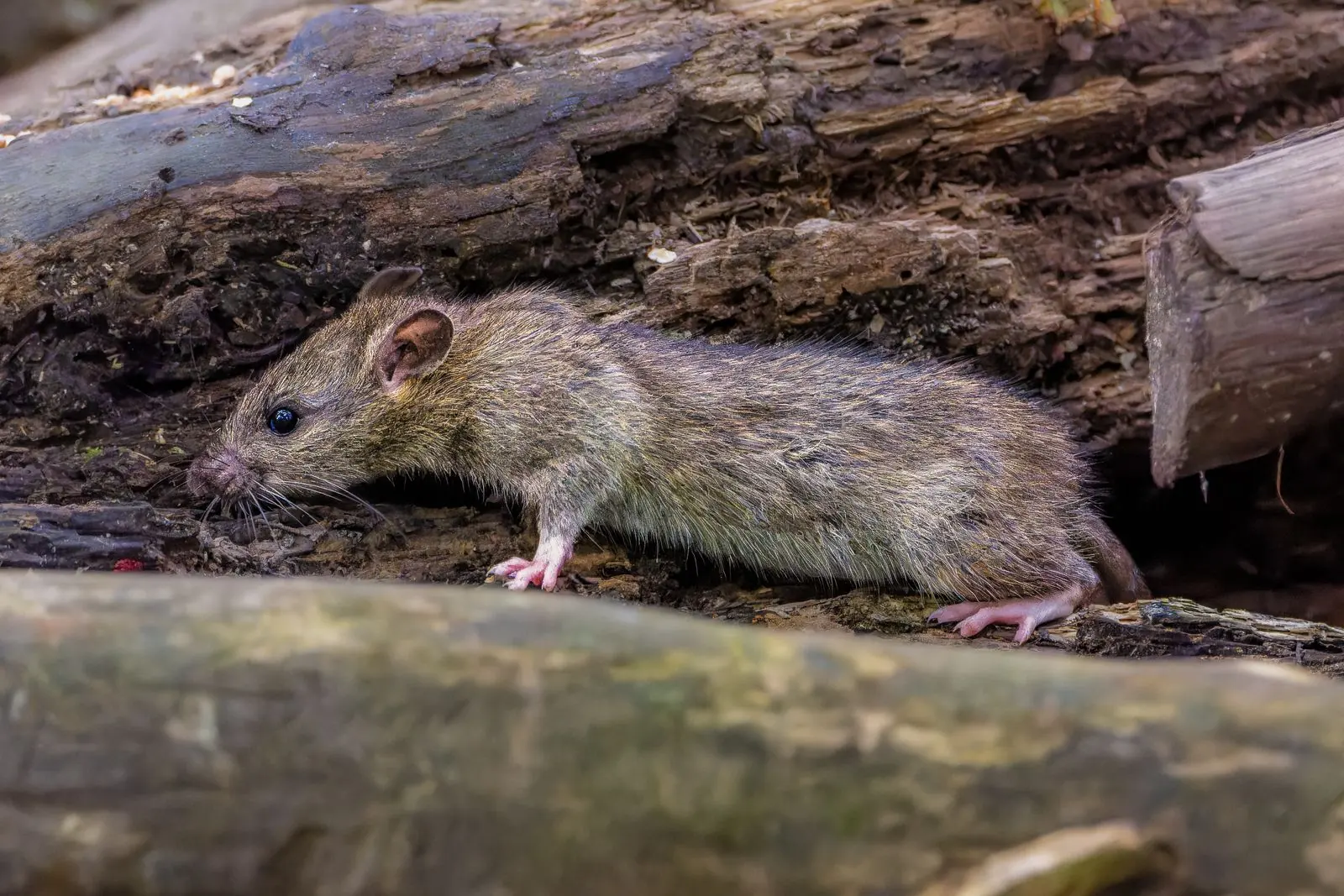
| Recent rodent baiting | A rat or mouse in a wall, roof or subfloor near where the bait was laid |
| Scratching or thumping that stopped a week or two ago | An animal that was living there has died close to where you heard it |
A sudden rush of flies is such a strong sign that we've written a whole guide on blowflies in the house and hidden dead animals.
Checking the roof space and subfloor safely
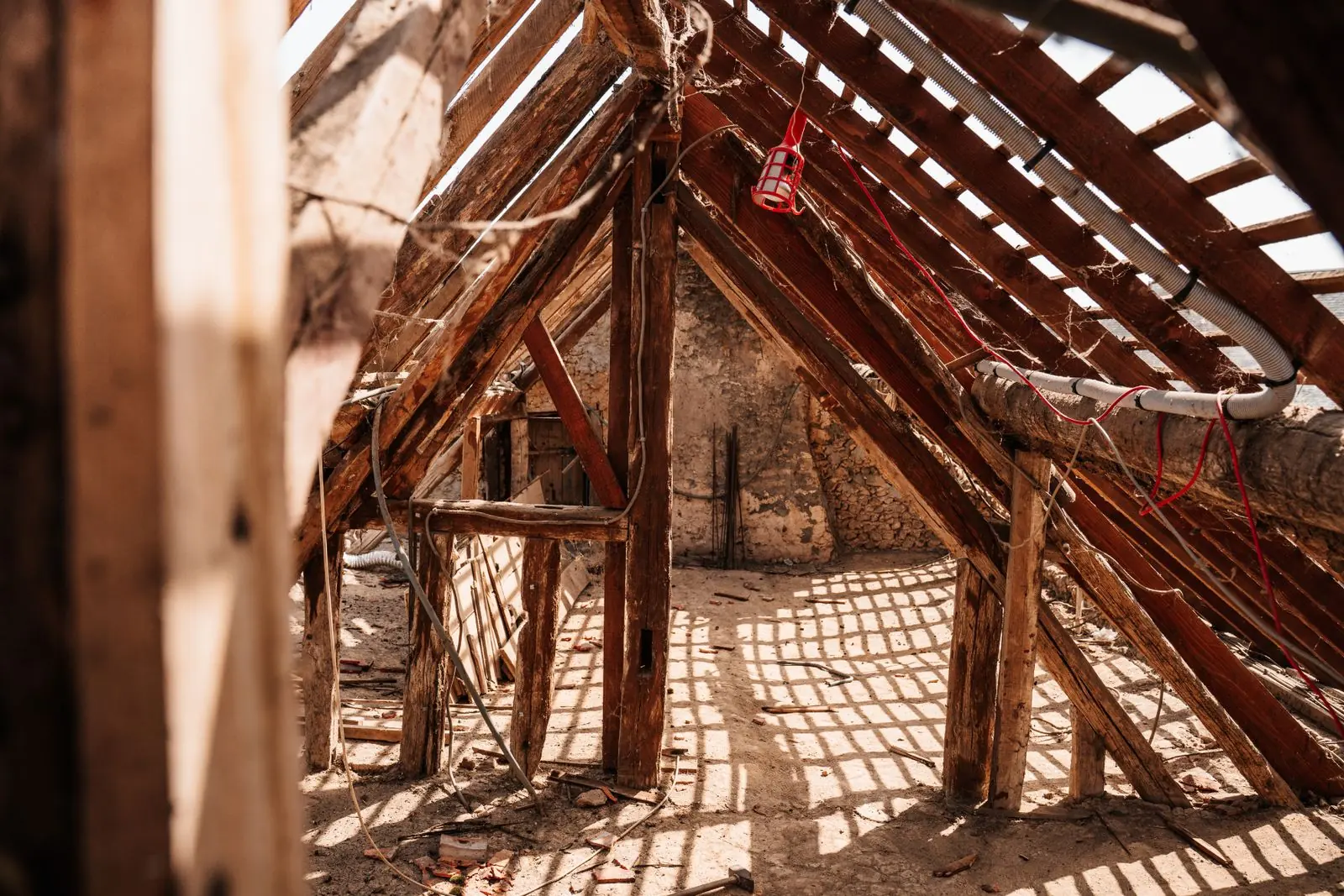
If you're comfortable doing it, a look through the manhole can confirm a roof-space carcass. Use a good torch, wear disposable gloves and a P2 mask, and step only on the ceiling joists, never on the plaster between them. Don't go up on a very hot day, and don't climb onto the roof itself to lift tiles, especially in wet weather.
Under the house, look through the subfloor access door or vents with a torch before crawling in. Many subfloors in older Melbourne homes are tight, damp and full of old pipes and wiring. If you can't see the animal from the entry point, it's usually better to stop there. Our page on a dead animal under the house explains what happens next.
What not to do while you're searching
- Don't cut a large hole in the plaster on a hunch. Narrow it down first.
- Don't spray air freshener or insecticide into a wall cavity. It masks the smell you're trying to follow and can leave a sticky residue.
- Don't seal up an entry hole while the animal is still inside, or while others may still be living there.
- Don't handle a carcass with bare hands, even a small one.
How professionals narrow it down
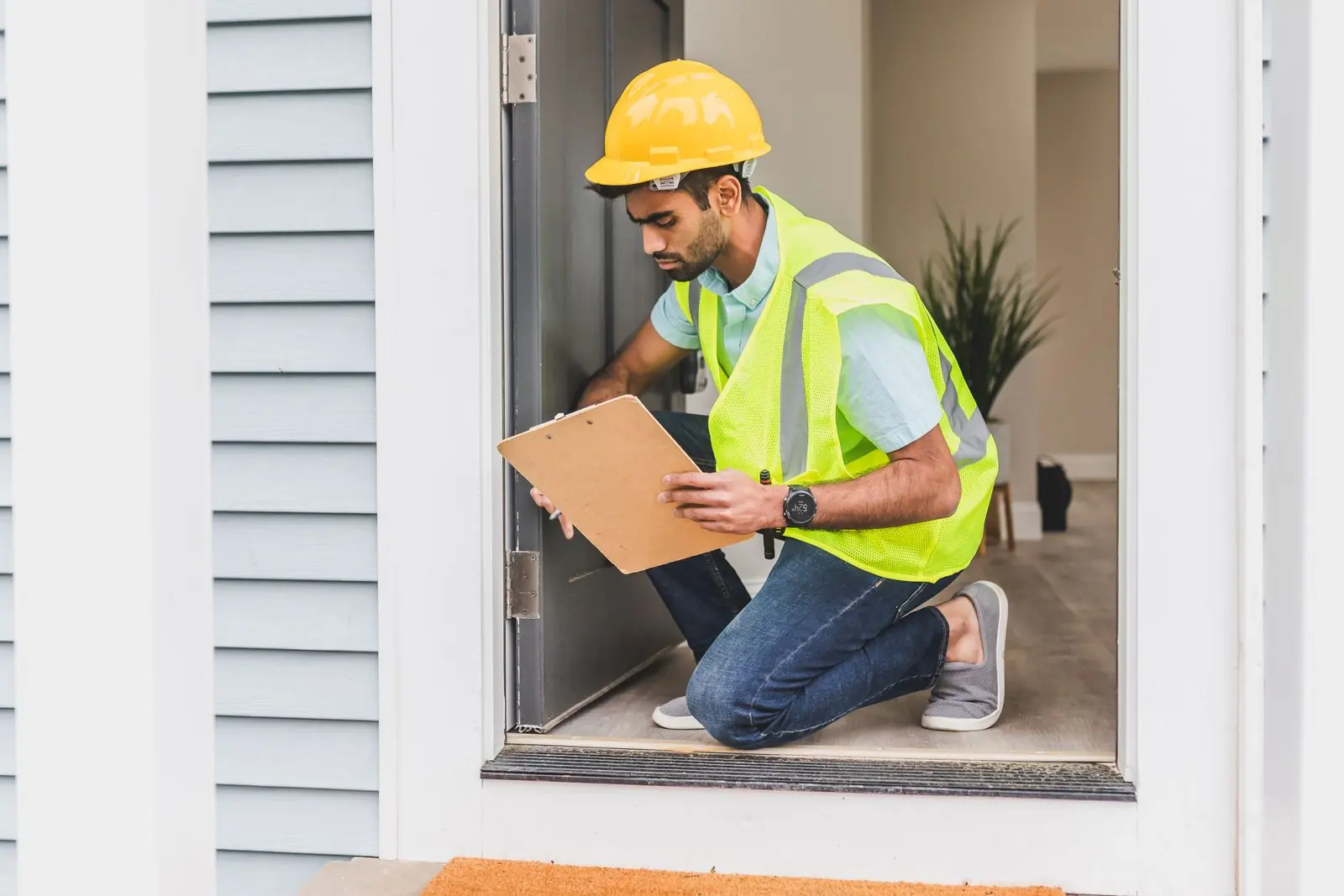
When the smell is clearly in a wall or ceiling but there's no obvious spot, a removalist combines the same sniff test with access to places most people can't reach easily: the full roof space, tight subfloors and the cavities around chimneys and bulkheads. Where the animal is inside a wall, the usual practice is to cut one small inspection hole at the most likely point, check it, and only widen it if needed. That keeps repair work to a patch rather than a whole sheet of plaster. If you're curious about that part, see how a dead animal is removed from a wall cavity.
Once the carcass is out, any soiled insulation or nesting material is removed and the area is sanitised and deodorised. That treatment is what stops the lingering odour, because the body is only part of the problem.
When to stop searching and call someone
Searching yourself makes sense for a day or two. It's time to get help when:
- the smell is getting stronger and you still can't place it;
- it's clearly inside a wall, a cathedral ceiling or a tight subfloor;
- you're seeing maggots or a lot of flies indoors;
- someone in the house is unwell, pregnant, very young or elderly;
- it's a rental and you need it documented for the owner or agent.
What it costs depends on where the animal ends up being, how hard it is to reach and how much clean-up is needed. Our dead animal removal cost page explains what affects the price.
Need it gone today? If you've tracked the smell to a room but can't get to the source, we can locate it, remove it and treat the area, often the same day. Call (03) 9125 4024 or send us a message.