Smells & Finding It
Dead Rat Smell in the Wall: What to Do (and What Not To)

If you have a dead rat smell in the wall, the most useful thing you can do is narrow down where it's strongest, keep pets and children away from that area, and decide quickly whether to wait it out or have the rat removed. A single rat usually smells for roughly two to three weeks, depending on size and temperature. Don't seal any holes, don't spray air freshener into the cavity, and don't start cutting the plaster at random.
Below is a straightforward list of what to do, what to avoid, and how to tell when it's time to call. If you'd rather hand it over now, our dead rat and mouse removal service covers wall cavities across Melbourne.
How to tell it's a dead rat in the wall
The smell of a dead rodent is distinctive: sweet, heavy and sickly, a bit like rotting meat mixed with something sour. It tends to be worse in the warmer part of the day and close to the floor or skirting boards. Other clues include:
- you've recently had rats in the roof or heard scratching that suddenly stopped;
- rat bait was laid in the roof or subfloor in the past few weeks;
- flies gathering on one window or around a power point or light switch;
- a faint stain or damp patch on the plaster (less common, and usually later).
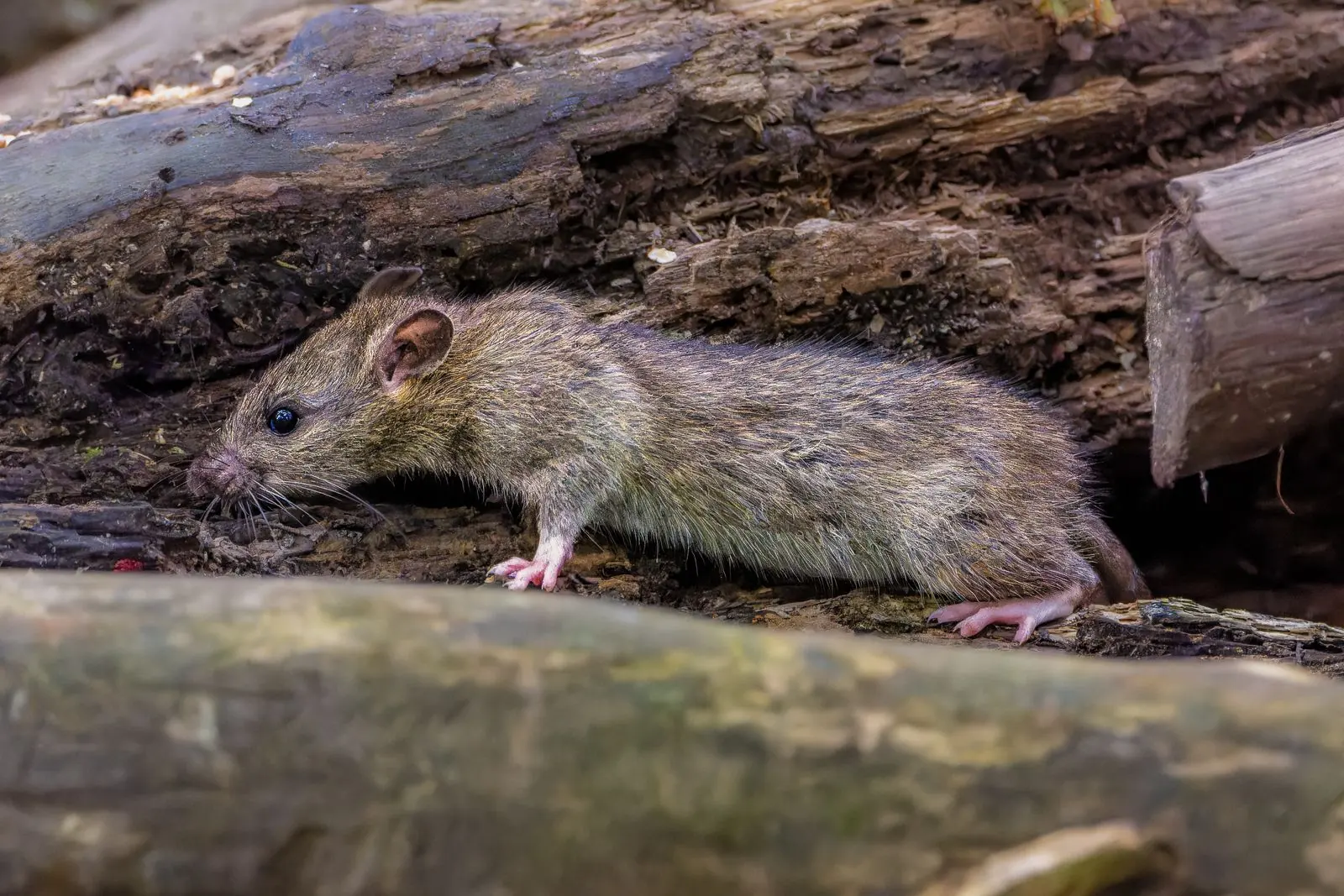
Rats that eat bait often head into wall cavities and roof spaces to die, which is why this smell so often follows a round of baiting. If that's your situation, read our guide on rats dying in the walls after baiting as well.
Dead rat smell in wall cavities: what to do, step by step
- Find the strongest point. Walk the room slowly and sniff at skirting height, around power points, switches and where the wall meets the ceiling. Check the rooms on the other side of the wall too. The spot where your nose says "here" is usually within a metre or so of the rat.
- Check the obvious places first. Look behind and under the fridge, dishwasher, oven and washing machine, inside the kitchen kickboards, and in cupboards with pipes running through them. A surprising number of "wall" smells turn out to be a rat behind an appliance.
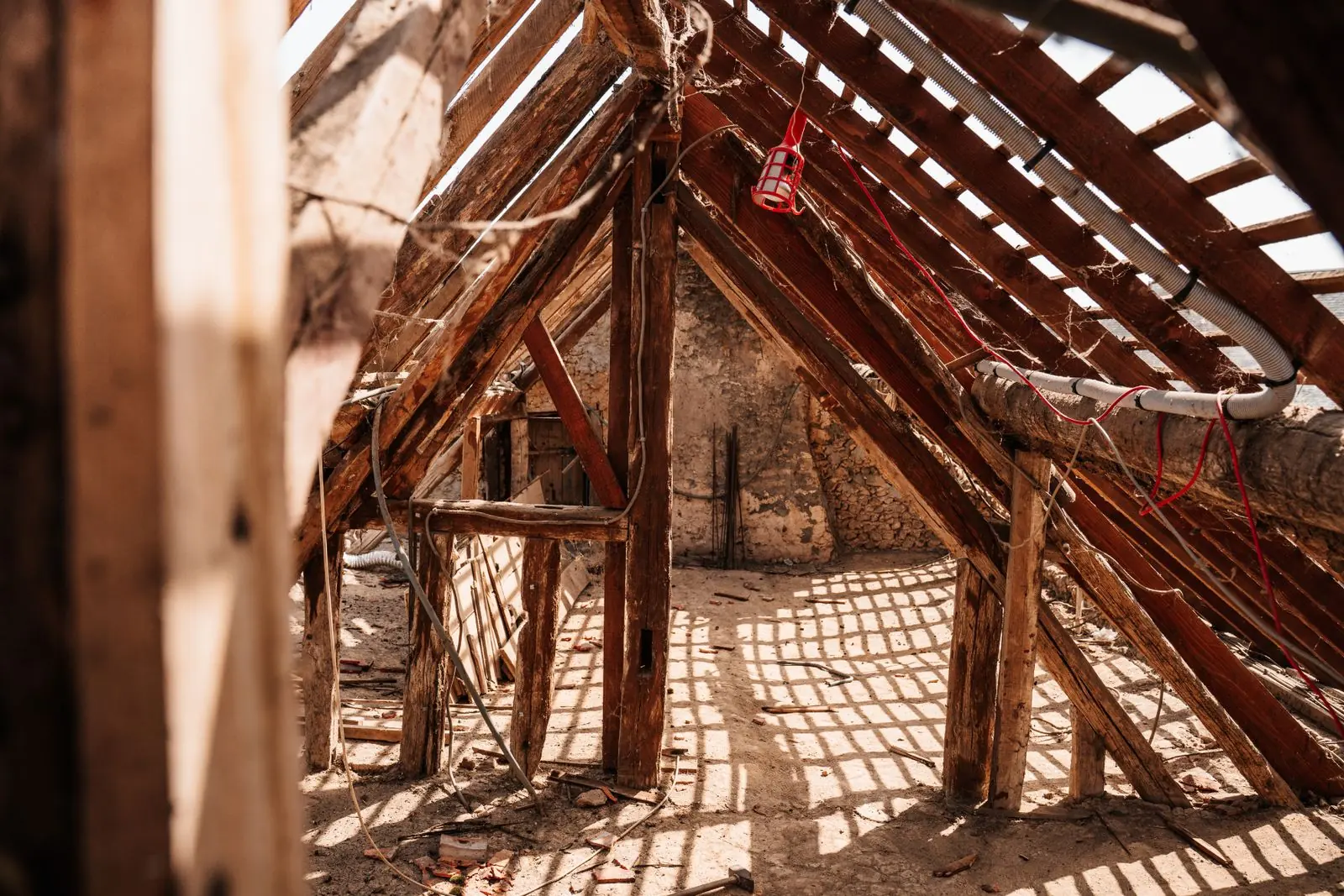
- Look above and below. If you can safely get into the roof space or subfloor, look at the top and bottom of the wall in question. Rats sometimes die on top of the wall plate rather than inside the cavity itself.
- Protect pets. If bait was used, a dog or cat that finds and eats the rat can be poisoned. Keep pets out of the area and pick up any dead rodents you find straight away.
- Ventilate. Open windows and run exhaust fans to make the room liveable. This won't fix the source, but it helps while you decide.
- Decide: wait or remove. See the next section.
Our broader guide on how to find a dead animal by smell has more tracking tips if the source still isn't clear.
What not to do
- Don't seal up the hole the rat used while the smell is still active. If more rats are alive inside, you'll trap them, and they'll die in there too.
- Don't spray air freshener or fly spray into the wall cavity. It adds chemicals to a space you can't clean, and the dead animal smell simply comes back through it.
- Don't cut big holes guessing where it is. Plaster is cheap to patch in a small hole and annoying to fix in a large one. Pinpoint first.
- Don't pour bleach or cleaning products into the cavity. You can't reach the carcass, and liquids soak into timber and insulation.
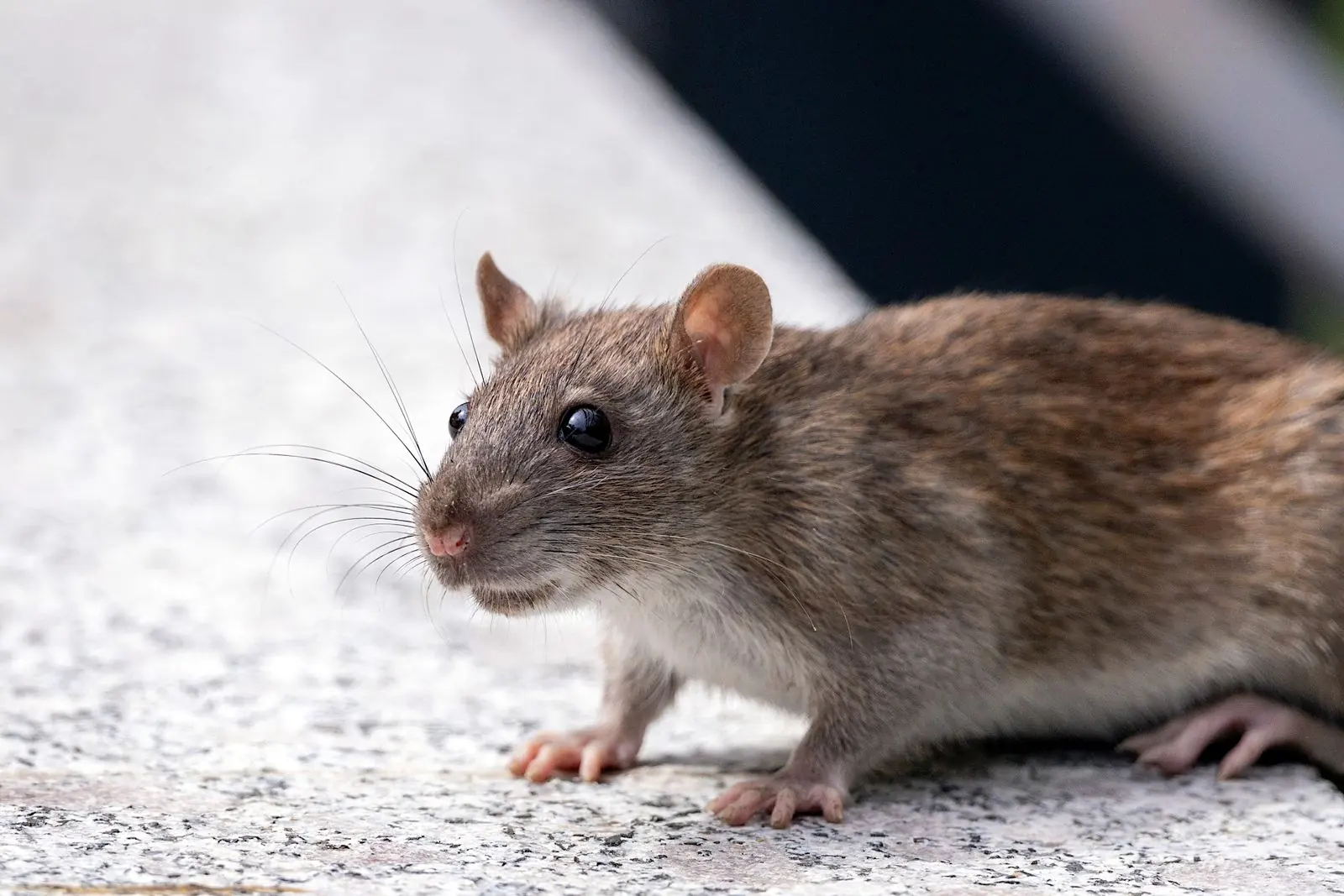
- Don't handle the rat bare-handed if you do find it. Rats can carry leptospirosis and salmonella. Use disposable gloves and a P2 mask.
- Don't pull up roof tiles in the rain or climb around a roof you're not comfortable on. Hot roof spaces in summer are a real risk too.
Should you wait it out or have it removed?
Leaving a single small rat isn't dangerous in itself, and some people choose to wait. Here's an honest comparison.
| Wait it out | Have it removed |
|---|---|
| No cost | Cost depends on access and clean-up |
| Smell lasts roughly 2–3 weeks for one rat | Most of the smell clears within a few days of removal and treatment |
| Flies and maggots may appear | Source removed, cavity deodorised |
| Possible stains or fluids in the plaster | Soiled material can be taken out |
| Fine for a spare room you can close off | Better for kitchens, bedrooms, nurseries and rentals |
If you're weighing it up, our guide can you just leave a dead animal in the wall? goes into the trade-offs, and how long a dead rat smell lasts gives a more detailed timeline.
How a professional gets a rat out of a wall
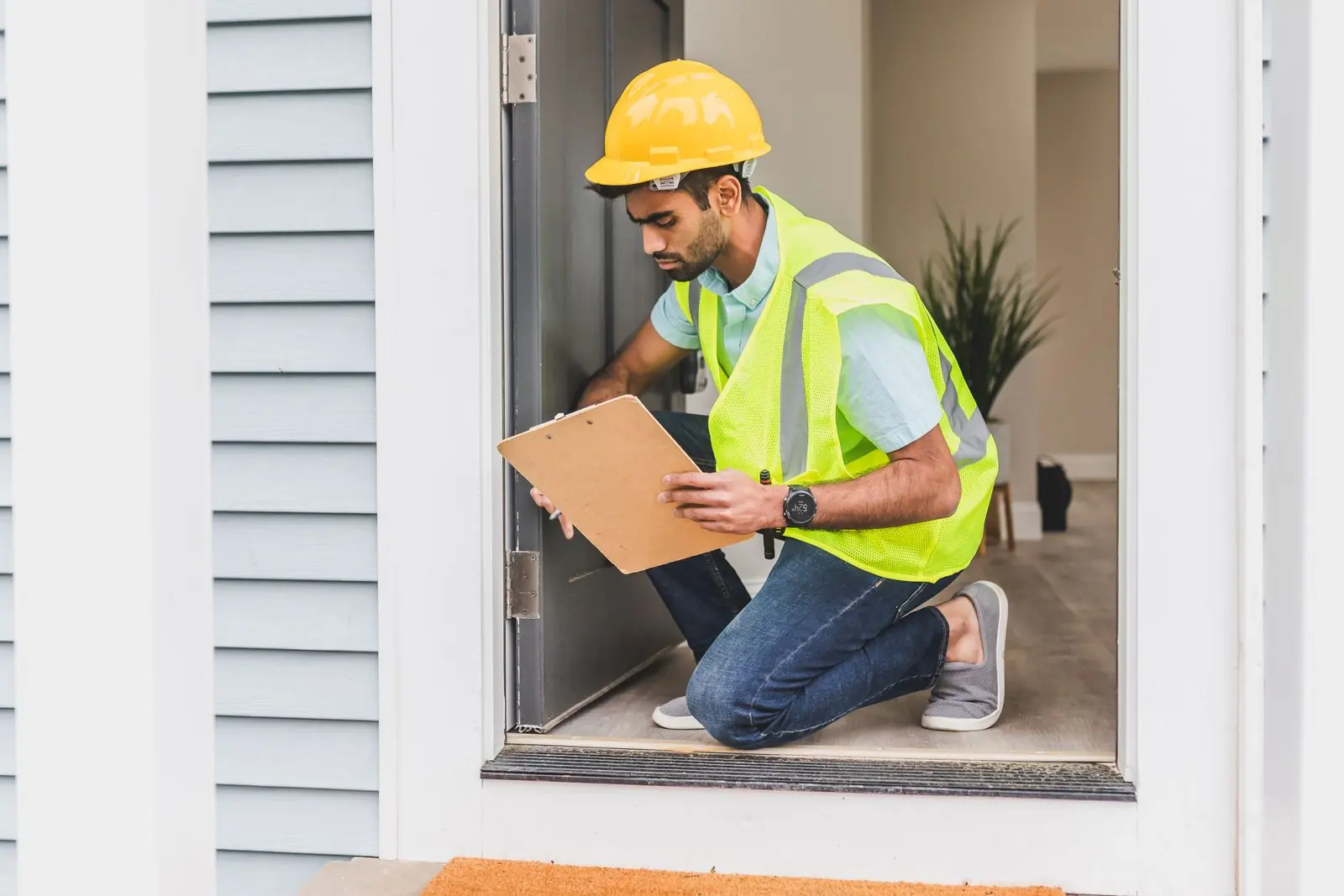
A good removal starts with pinpointing, not cutting. We trace the smell to the strongest point, check from the roof and subfloor where we can, and only then make a small, neat inspection hole if one is needed, usually low on the wall where it's easiest to patch. The rat is bagged and removed, any soiled material is taken out, the cavity is sanitised and treated for odour, and we'll show you where the rat likely got in. You can read more in how a dead animal is removed from a wall cavity.
Stopping the next one
Once the smell has gone, deal with how the rats got in. Common entry points in Melbourne homes include gaps where pipes and cables enter, broken vents in the subfloor, gaps under roof sheeting and overhanging branches touching the roof. Fix those, and consider snap traps you can check rather than loose bait in the roof, so rodents don't end up dying where you can't reach them.
Need it gone today? If a dead rat smell in the wall is making a room unusable, we'll find it, remove it through a small opening and deodorise the cavity. Call (03) 9125 4024 or send us a message.