Landlords & Business
Dead Animal in an Apartment or Strata Building: Who Handles It?
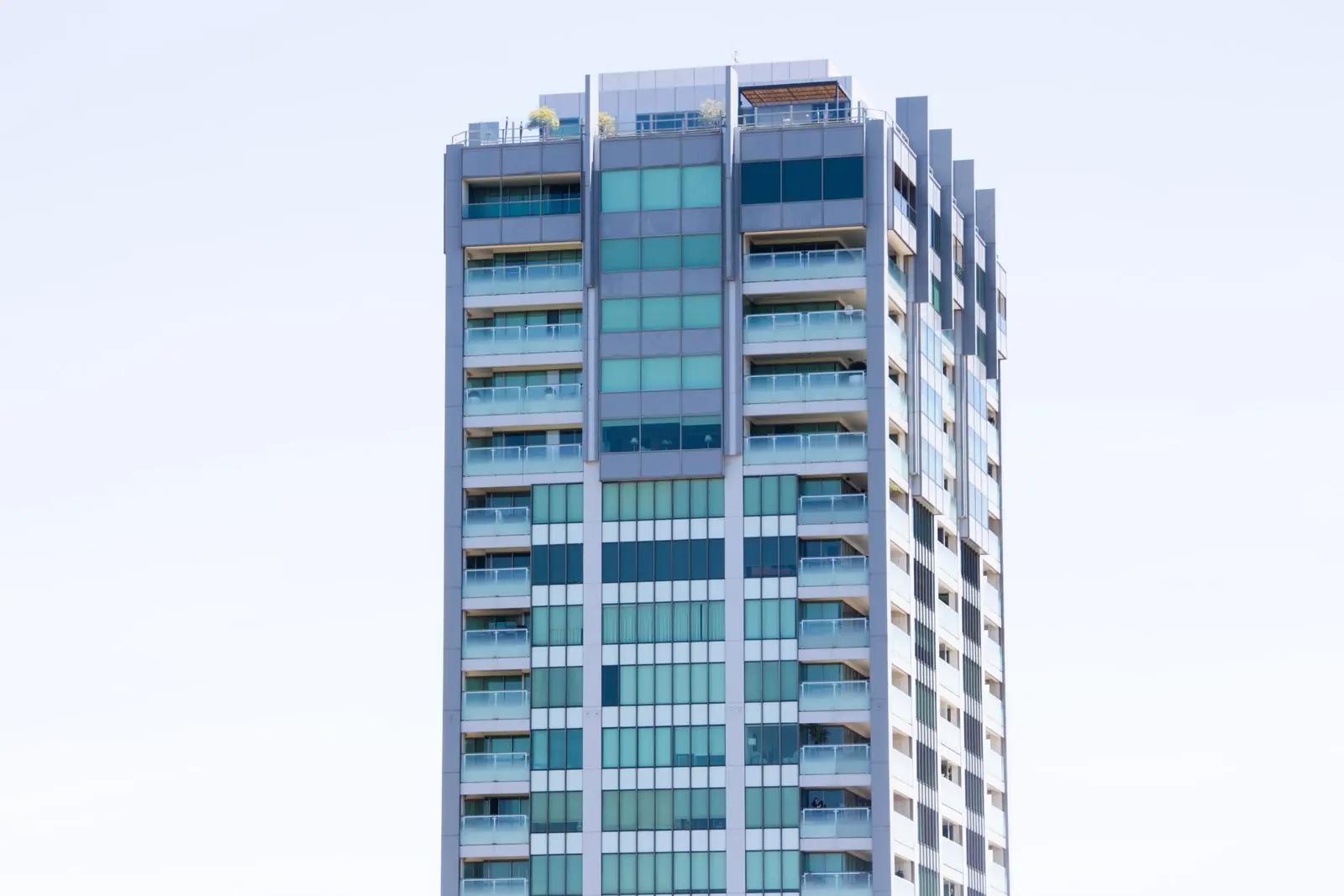
When there's a dead animal in an apartment building, who handles it usually depends on where the animal is. If it's in common property, such as a shared roof space, external wall, car park or stairwell, the owners corporation generally arranges removal, so contact your strata manager. If it's inside your own apartment, it's usually up to the owner or occupant. Every building is set up a little differently, so ask your strata manager to confirm.
This is a practical guide, not legal advice. It covers how to report the problem, how to narrow down where the animal probably is, and what helps removal go smoothly in a multi-storey block or townhouse complex. Our dead animal removal for property managers and businesses also covers strata-managed buildings across Melbourne.
Common property or your lot: why location matters
In a strata building, the owners corporation generally looks after common property, while each owner looks after what's inside their lot. The boundaries aren't always obvious, so think of it in rough terms:
| Where the animal is | Usually arranged by |
|---|---|
| Shared roof space above several units | Owners corporation, via the strata manager |
| External walls, eaves and gutters | Owners corporation |
| Basement car park, bin room, stairwell or lobby | Owners corporation |
| Shared gardens and courtyards | Owners corporation |
| Inside your apartment, such as a kitchen cupboard or behind an appliance | The owner or occupant |
| Your private balcony or courtyard | Often the owner or occupant, but check |
These are general patterns only. Some buildings have rules or records that treat certain areas differently, and a ceiling cavity may be shared or belong to a single lot depending on how the building was set up. Your strata manager can confirm. For general information about owners corporations in Victoria, Consumer Affairs Victoria is a good starting point.
Narrowing down where the smell is coming from
In apartments the odour often travels, so the room where you notice it isn't always where the animal is. A few clues:
- Top-floor units with a ceiling smell often point to a shared roof space; possums and rats commonly get in under the eaves.
- A smell near a riser, pipe duct or meter cupboard may mean an animal in a service shaft that runs between floors.
- Neighbours noticing it too suggests common property or a shared wall.
- Flies gathering at one window or light fitting can show which side the source is on; see sudden blowflies in the house.
- An odour strongest in a single room may come from a cavity beside it; our guide to a bad smell in just one room explains how to check.
Don't open ceilings, wall linings or service cupboards yourself. In a strata building these often involve common property, fire separation or other owners' services.
How to report it to the strata manager
A clear written report gets things moving faster than a chat in the corridor. Include:
- your unit number and contact details;
- where the smell is strongest and when you first noticed it;
- any flies, maggots, stains or noises, since scratching before the smell began can hint at the type of animal;
- whether neighbours have noticed it;
- photos, if you have them;
- access details such as the times you're home, pets and keys.
Ask for it to be treated as urgent if there are maggots, flies inside living areas or fluid coming through a ceiling. Keep copies of everything you send.
If you rent, tell your rental provider or property manager as well, because they'll often coordinate with the strata manager for you. Our article on dead animals in rental properties covers the renter's side in more depth.
For strata managers and committees
Strata managers juggle owners, tenants, contractors and committee approvals. A few things make dead animal jobs simpler:
- Organise access early. Roof hatches are often inside one particular unit or a locked plant room, so line up keys and notify that occupant before the technician arrives.
- Warn neighbouring units if a ceiling or wall may need a small inspection hole, so nobody gets a surprise.
- Request photos and a written description on the invoice, so the committee can see what was found and where.
- Ask about entry points. Gaps under eaves, broken vents and openings around service penetrations are common culprits, and fixing them usually costs less than repeat call-outs.
- Keep a log of past jobs. Repeated problems in one section of roof usually mean a single unresolved entry point.
We can deal directly with the strata manager, building manager or occupant and send through the details once the job is finished. For pricing questions, the factors involved are set out on our dead animal removal cost page.
Car parks, bin rooms and shared gardens
Dead rats in basement car parks and bin rooms are a frequent problem, especially after baiting. Birds turn up on balconies and in light wells, and possums sometimes finish up in garden beds or beneath decking in townhouse complexes. A small animal lying somewhere easy can usually be bagged by the caretaker or building manager wearing gloves and placed in the general waste bin. Anything inside the structure, decomposing for a while or drawing flies is better left to a professional.
If an animal is found after hours in a shared area, our guide to finding a dead animal at night or on the weekend covers what to do until it can be collected. Our phone line runs 24/7.
When there's disagreement about who pays
Now and then an owner and the owners corporation don't agree on whether a spot is common property. Try not to let that stall removal, because the smell and hygiene issues keep growing while people debate. Many buildings get the animal out first and settle the cost afterwards, based on where it was found, and photos plus a detailed invoice make that conversation much easier. For guidance on how owners corporation rules work, start with your strata manager and Consumer Affairs Victoria.
Need it gone today? Whether it's a shared roof space, a car park or a single apartment, we can coordinate access with the strata or building manager and remove the animal, often the same day. Call (03) 9125 4024 or send us a message.