Smells & Finding It
Dead Animal Smell Coming From the Ducted Heating Vents
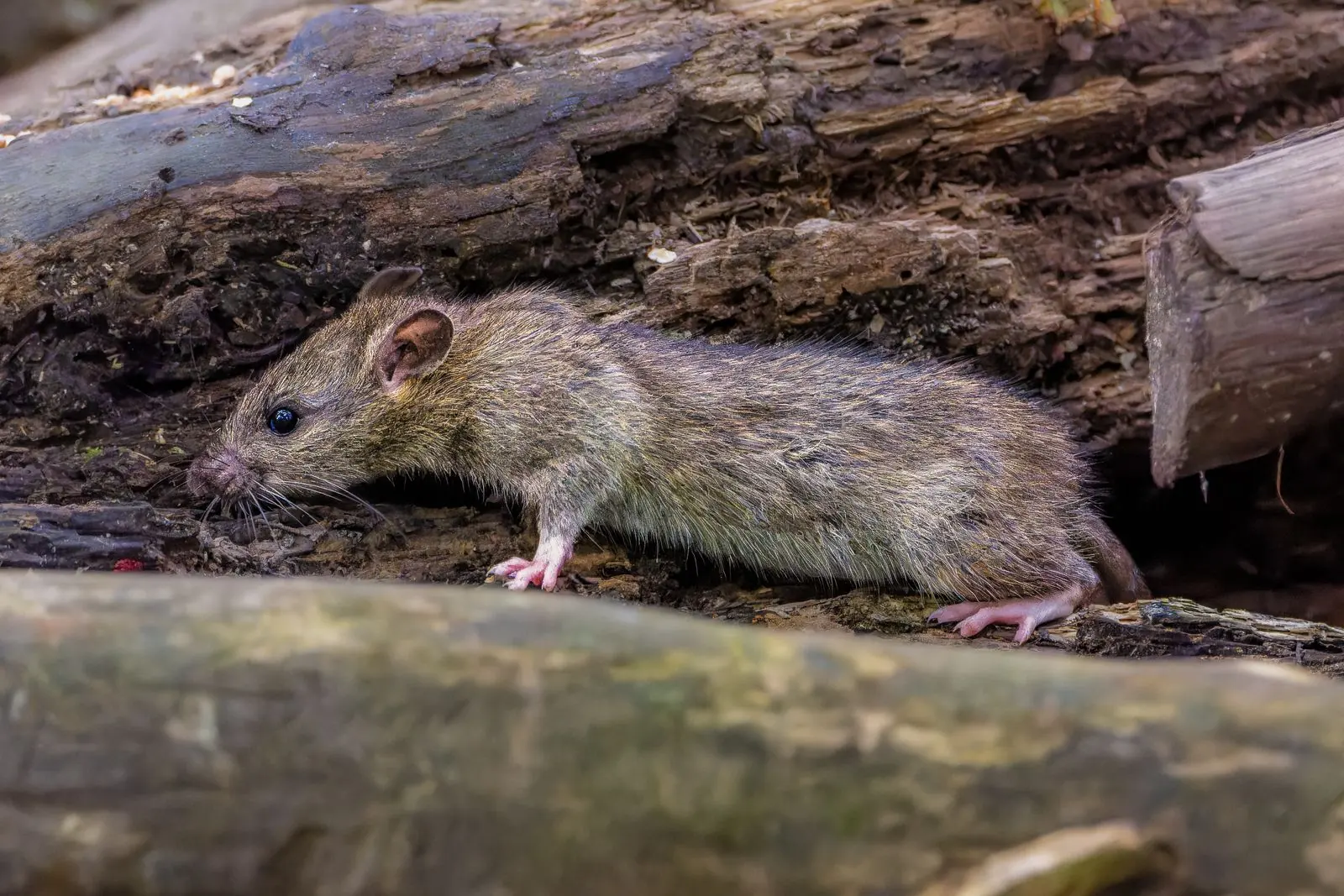
A dead animal smell in ducted heating usually means a rat, mouse or occasionally a possum or bird has died inside a duct, the return-air box or near the heater unit, and the fan is blowing that odour into every room. Turn the heating off, check the return-air grille and the vents where the smell is strongest, and look at the subfloor or roof space where the ducts run. Running the system will only spread it further.
Ducted systems make this kind of smell feel much worse than it is, because one small carcass can perfume the whole house. Our dead animal smell removal service focuses on tracking down the source and deodorising properly, but there's a fair bit you can check first.
Why ducted heating spreads the smell so far
Many Melbourne homes, especially those built from the 1970s onward, have gas ducted heating. There are two common layouts:
- Floor ducted: the heater sits outside or under the house, and flexible ducts run through the subfloor to vents in the floor. Rats and mice love the warm, sheltered space under the house.
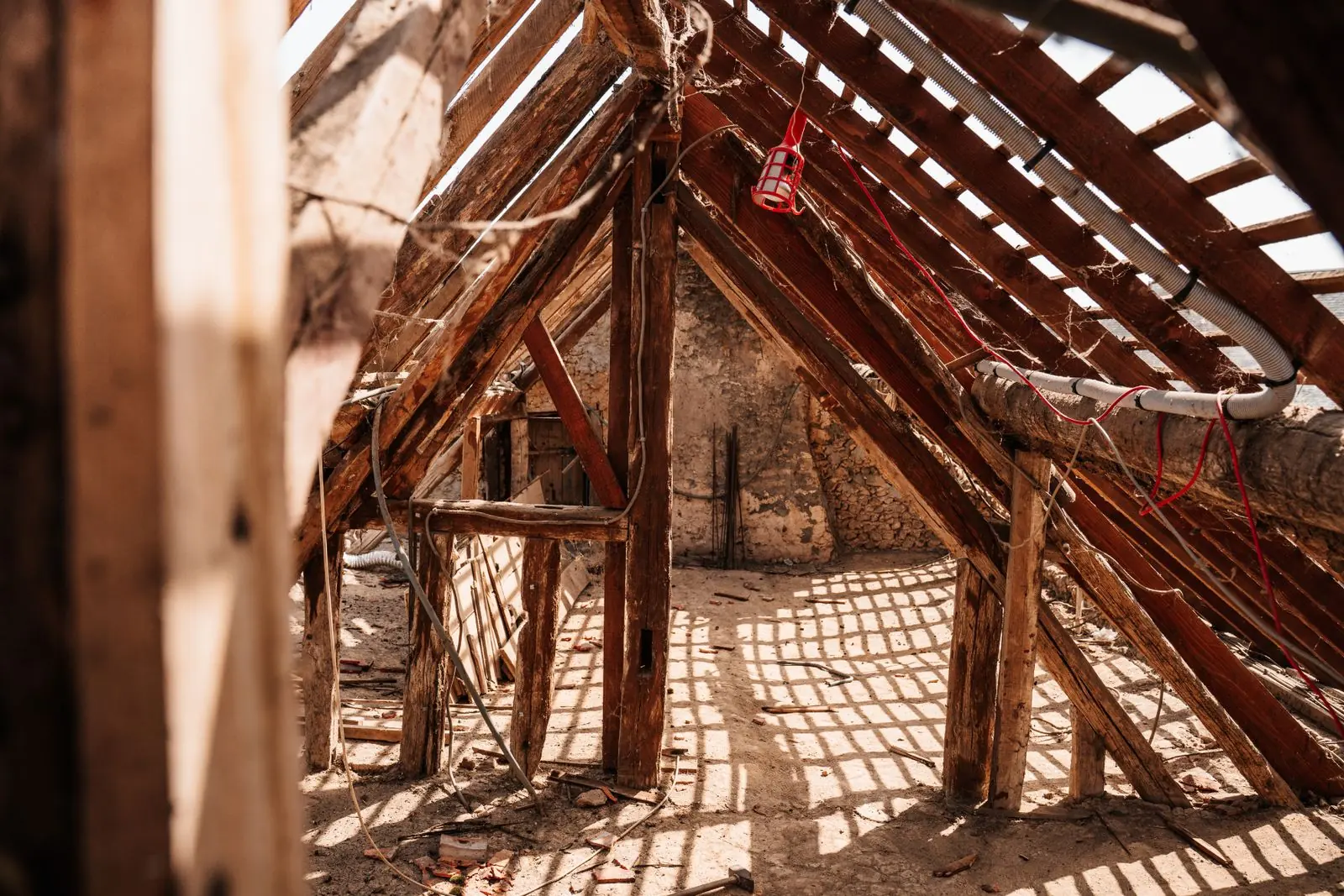
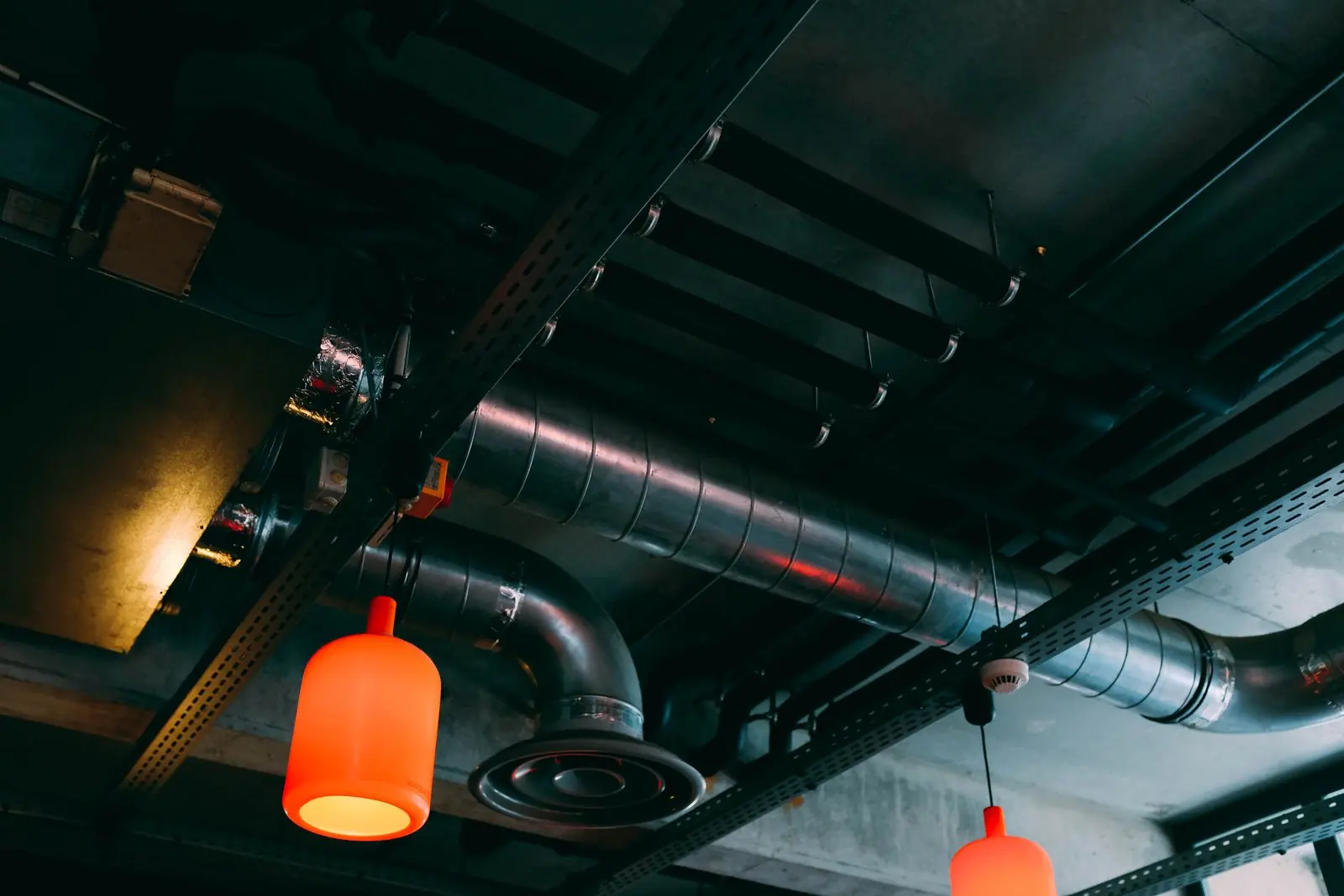
- Ceiling ducted: the heater sits in the roof space, and ducts run across the ceiling to vents above each room. Rats, mice and possums all use roof spaces.
Both systems have a return-air box, usually behind a large grille in a hallway, which draws air back to the heater. If an animal gets into that box or into a torn duct and dies, the heater picks up the smell and pushes it out through every outlet. That's why the odour can seem to be everywhere at once, and why it often appears the first time the heating goes on in autumn.
How to tell it's coming from the heating
A few simple observations help confirm the system is involved:
- Switch the heating off for a few hours and air the house. If the smell drops noticeably, then returns soon after you switch the heater back on, the ducts or return-air box are the likely source.
- Sniff each vent. Hold your nose close to every floor or ceiling vent with the fan running. The vent nearest the carcass is often strongest, though not always, since air mixes in the system.
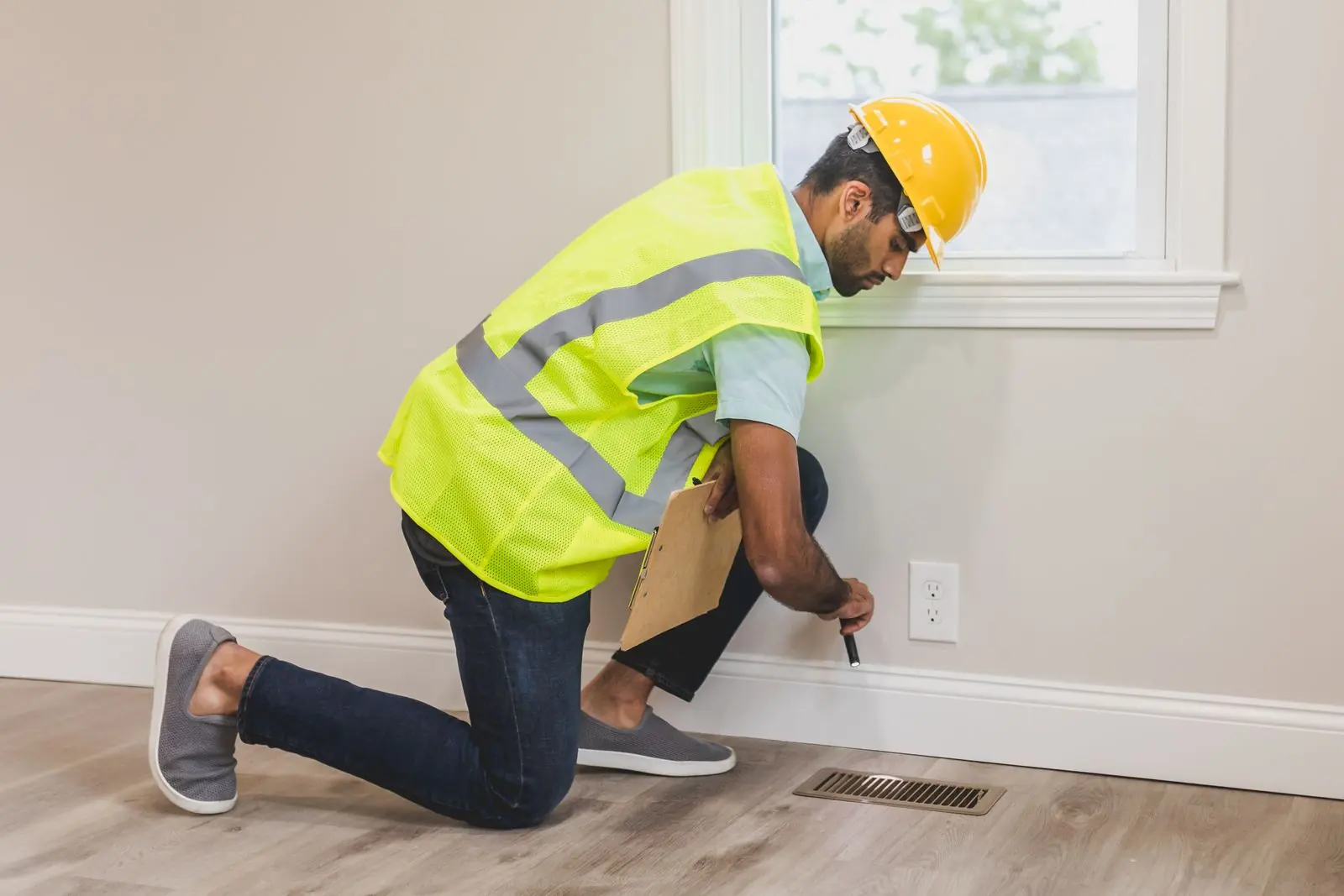
- Open the return-air grille. Most lift off or swing open. Look inside with a torch for droppings, nesting material, a body or stains.
- Check for flies gathering around a particular vent or the return-air grille.
- Look at the heater unit. If it's outside, check around the base and access panels for gaps where rodents could get in.
If the smell is just as strong with the heating off, the animal may be in a wall or ceiling and simply close to a vent. Our guide on finding a dead animal by smell covers the wider search.
What you can safely do yourself
With the system turned off at the thermostat and, ideally, at the power point or isolation switch, you can usually manage a few tasks:
- Remove anything in the return-air box you can reach easily, wearing disposable gloves and a P2 mask. Use an inside-out bag to pick it up, double-bag it and put it in the red-lid bin.
- Take out the return-air filter if it has one. If it's soiled, replace it rather than trying to clean it.
- Lift a floor vent and look down into the duct with a torch. Some vents pull straight up.
- Wipe hard surfaces like the grille and vent covers with household disinfectant.
Avoid these common mistakes:
- Don't spray deodoriser into the ducts. It mixes with the decay smell, gets pushed around the house and can leave residue in the system.
- Don't keep the heating running to "dry it out". It just spreads the odour and can bake it into ducts and soft furnishings.
- Don't cut into flexible ducts yourself. It's easy to damage them and create a leak that wastes heat.
- Don't open the heater unit itself. Gas appliances should only be serviced by a qualified gas fitter.
When the animal is deep in the ducting or subfloor
Often the body isn't in an easy spot. It might be partway along a duct, in a crushed section where a duct has been chewed through, or in the subfloor or roof right next to a duct run. That's where most people call for help.
A technician will check the subfloor or roof space along the duct runs, looking for damaged ducting, droppings and nests, and use the smell, flies and the layout to narrow down the location. Once the carcass is found and removed, any soiled insulation or nesting material comes out too, and the area is sanitised and deodorised. If a duct has been torn or contaminated, we'll point it out so you can have a heating technician repair or replace that section.
If you suspect the animal is under the floor rather than in the ducting itself, our article on a dead animal under the house covers that scenario, and for the full picture on pricing factors see our dead animal removal cost page.
Clearing the smell from the house afterwards
Once the source is gone, the remaining odour clears from most homes within a few days. To help it along:
- open windows and doors to get a cross-breeze for a day or two;
- replace the return-air filter if you haven't already;
- run the fan-only setting (if your system has one) with windows open, to flush the ducts with fresh air;
- wash curtains, throws and cushion covers that picked up the smell;
- place bowls of bicarb soda or activated charcoal in rooms that still smell.
If the smell lingers longer than a week after removal, there may be a second animal, soaked insulation or contaminated duct left behind. Our guide on why it can still smell after removal explains what to check, and dead mouse smell in the house has more detail on small rodents specifically.
Stopping animals getting into the heating system
Ducts are warm, dark and sheltered, so they'll keep attracting rodents unless the way in is closed off. Look for:
- gaps around where ducts pass through the floor or ceiling;
- broken or missing subfloor vent covers;
- chewed or torn flexible ducting in the subfloor or roof;
- gaps around the heater unit and its flue.
Get any damaged ductwork repaired by a heating technician, and seal entry points into the subfloor or roof once you're sure no live animals are inside. Having the heater serviced before winter is also a good chance to check the ducts.
Need it gone today? If the heating is blowing a dead animal smell through your home, we can find the source in the ducts, subfloor or roof and deodorise the area, often the same day. Call (03) 9125 4024 or send us a message.