Pets & Large Animals
Found a Dead Cat or Dog on the Street? What to Do in Melbourne
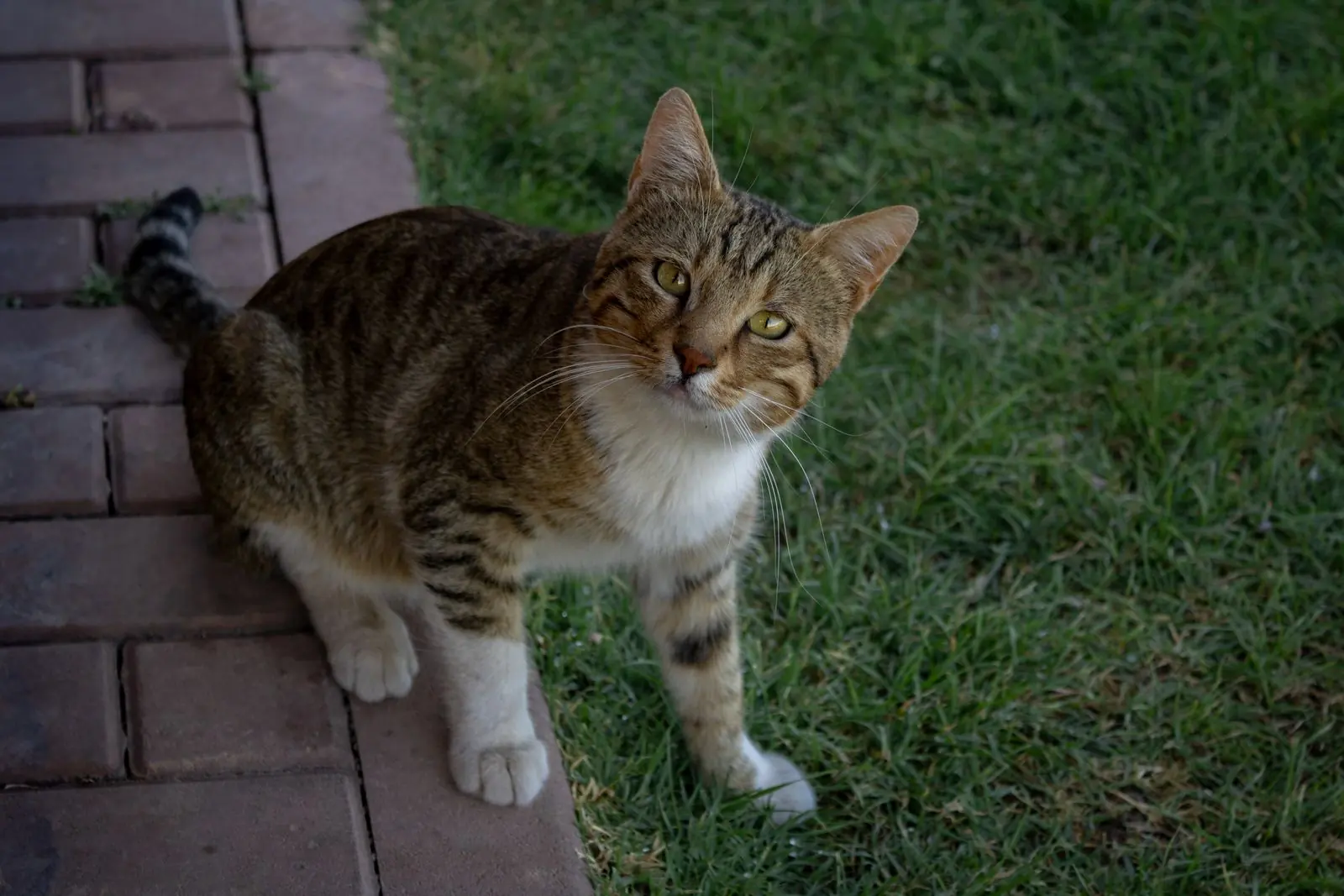
If you have found a dead cat or dog on the street and are wondering what to do, first make sure you are safe from traffic, then check gently whether the animal is still breathing. If it has died, look for a collar tag and report it to your local council, which deals with animals on local roads and footpaths and in some cases scans for a microchip so the owner can be told. On a freeway or main road, call the Department of Transport and Planning instead.
It is upsetting to come across someone's pet like this, and the fact you have stopped to help means a family is more likely to find out what happened. Here is how to do it well. If the animal ends up being on private property, our dead pet removal service in Melbourne can collect it with care.
Found a dead cat? What to do first: stay safe and check for life
Your own safety matters more than anything else here.
- Do not stop on a freeway or a busy arterial road. Pull over only where it is legal and safe, switch on your hazard lights, and stay well off the traffic lanes.
- Approach slowly. An injured animal in pain can bite or scratch, even a much-loved family pet.
- Watch the chest for breathing for a full minute. Look for any movement of the eyes or ears.
If the cat or dog is alive, it needs a vet urgently. Wrap it loosely in a towel or jacket, keep it warm and still, and take it to the nearest vet clinic or after-hours emergency vet. Ring ahead if you can.
Step 2: Look for a way to identify the owner
If the animal has died, the kindest next thing you can do is help the owner find out. Families can spend weeks searching for a pet that never came home.
- Collar and tag: check for a name tag, phone number or council registration tag. If there is a phone number, you can call the owner directly. Speak gently; this may be the worst call they get all year.
- Microchip: you cannot see a microchip, but a vet clinic or the council can scan for one. Many cats and dogs in Victoria are microchipped.
- Photos: if you are comfortable, take a respectful photo of the collar or a distinctive marking, rather than the animal's injuries. This can help if the owner later posts on a lost pet page.
Please don't simply put a cat or dog in a bin. Even if it looks like a stray, someone may be searching for it.
Step 3: Who to report it to
| Where you found it | Who to contact |
|---|---|
| Local street, footpath or nature strip | Your local council, by phone or its online request form |
| Council park or reserve | Your local council |
| Freeway or main arterial road | The Department of Transport and Planning |
| Your own front or back yard | It is generally up to the occupier; see below |
| A neighbour's property | Let the neighbour know first |
Most Melbourne councils collect dead animals from their roads and land, and some will scan cats and dogs for a microchip so the owner can be contacted. Procedures vary from council to council, so tell them it is a cat or dog when you report it. Give an exact location, such as the nearest house number or cross street, so the crew can find it quickly. For the detail on what councils will and won't do, see will the council remove a dead animal from my property.
Should you move the animal off the road?
If it is safe to do so on a quiet street, moving a cat or small dog onto the nature strip prevents it being struck again and spares other people the sight. Do it carefully:
- Wear gloves if you have them, or use a plastic bag over your hand as a barrier.
- Slide a towel, jacket or piece of cardboard under the body and lift it all together.
- Lay the animal on the grass, covered if possible, near where it was found so the council and the owner can locate it.
- Wash your hands thoroughly as soon as you can.
Leave a larger dog where it is if you cannot move it without risk to yourself, and tell the council it is still on the roadway. Our general guide to safely picking up a dead animal has more on hygiene.
If the cat or dog is in your own yard
Cats in particular often hide after being hurt, and may end up under a deck, behind a shed or in a garden bed. Because most councils do not collect from private property, dealing with it usually falls to whoever lives there. You still have options for finding the owner:
- Ask the council whether it can arrange a microchip scan, or whether you can drop the animal to a local vet for scanning.
- Knock on a few doors or post in your local community group with a description, not a graphic photo.
- Keep the collar or tag if you can't find the owner straight away; it may help later.
If the animal is under the house, decomposing, or you would rather not handle it, we can retrieve it respectfully and clean the area. The cost depends on size, where it is and access; our dead animal removal cost page explains the factors.
What to do if it was your pet
If you have found your own cat or dog, we are truly sorry. You may want a vet to confirm the cause, or simply to bring your pet home to say goodbye. Wrap your pet in a blanket and keep them somewhere cool while you decide. Our guide on what to do when your pet dies at home goes through cremation, burial and collection gently and step by step. And if you aren't sure who handles what across Melbourne, who removes dead animals in Melbourne sets out the roles of councils, vets and removal services.
Need it gone today? If a cat or dog has died on your property and you need it collected with care, we can come to you, often the same day. Call (03) 9125 4024 or send us a message.