Costs & Who to Call
What Happens at a Dead Animal Removal Call-Out
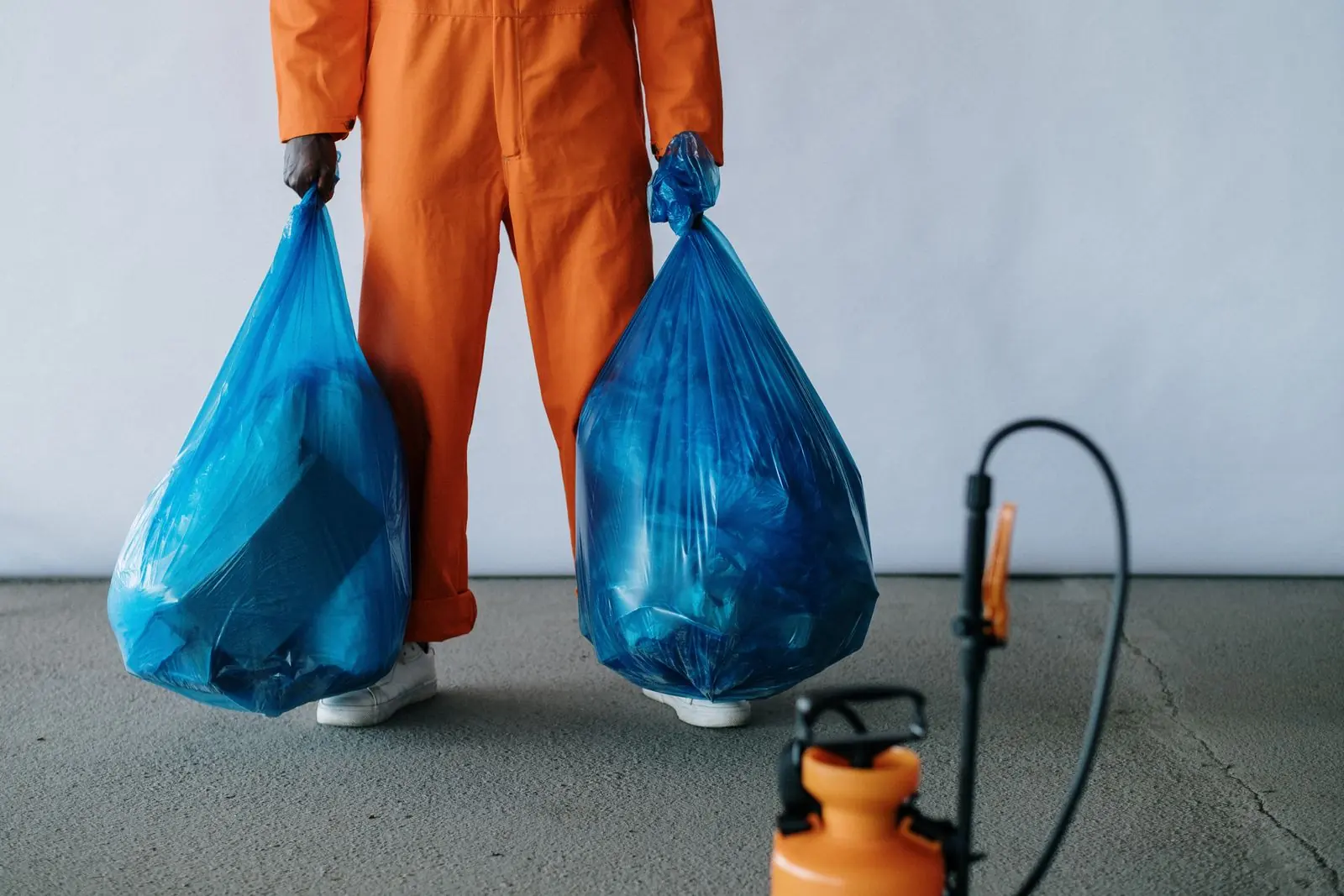
When you search for dead animal removal near me and book a call-out, the visit follows a simple pattern: a phone chat about what you can smell or see, an inspection to pinpoint the animal, careful access, removal of the carcass and any soiled material, sanitising and odour treatment, then advice on how it got in. Most jobs are finished in a single visit, and we can often come the same day.
Knowing what to expect takes some of the stress out of it, especially if you've never had to deal with this before. Below is how a typical carcass removal in Melbourne runs from first phone call to the moment we pack up, plus what you can do to make it quicker.
Step 1: The phone call
Our line runs 24/7, so you can call any time, day or night. We'll ask a few questions to work out what we're dealing with and what to bring:
- What can you see or smell, and where is it strongest?
- When did you first notice it? Has it got worse?
- Any flies, maggots, stains or noises?
- Has anyone baited for rats or mice recently?
- What sort of access is there: a manhole, a subfloor hatch, a low deck, a two-storey roof?
- Is it a pet? If so, have you thought about burial or cremation, so we can talk through the options?
Your answers help us give you a sense of cost and timing before anyone arrives. We don't quote a fixed price over the phone for hidden animals, because a dead rat on a tiled floor and a possum deep in a wall cavity are very different jobs. Our guide to dead animal removal cost explains what affects the price.
Step 2: Finding the animal
If the animal is in plain sight, this part is quick. If it's hidden, we follow the evidence:
- Smell mapping: moving room to room and along walls to find where the odour peaks.
- Flies and staining: blowflies at a window, or a damp mark on a cornice, often point straight to the spot.
- Roof and subfloor inspection: checking insulation, nests, runways and droppings.
- Building knowledge: where walls meet ceilings, where pipes run, where an extension joins the original house. Animals follow these paths.
Our article on how to find a dead animal by smell explains the same method if you want to narrow it down before we arrive.
Step 3: Getting access with minimal damage
Most carcasses can be reached through an existing opening: the roof manhole, a subfloor hatch, under a deck board, a vent or a duct. When an animal is inside a wall cavity or above a section of ceiling with no access, we cut a small inspection hole close to the source rather than a large one. That keeps the repair simple. We'll always explain where and why before cutting anything. For a closer look at this part, see how a dead animal is removed from a wall cavity.
Roof tiles are only lifted when it's dry and safe. In wet weather we work from inside the roof space instead.
Step 4: Removal and clean-up
This is the main part of the visit:
- The carcass is bagged and sealed on the spot.
- Soiled insulation, nesting material and debris around it are removed and bagged as well.
- Surfaces the animal and its fluids touched are sanitised and disinfected.
- Odour treatment, such as deodorising or fogging, is applied where needed.
- Everything is taken away for disposal. You're not left with a bag in your bin.
Pets are handled with care and respect. If you'd like a few moments before we take your pet, just say so. If you'd prefer to keep your pet for a backyard burial or arrange cremation through a vet or pet crematorium, tell us and we'll work around that.
For animals under the house or a deck, the process is the same, just with more crawling. Our guide on a dead animal under the house covers that situation in detail.
Step 5: Advice before we leave
Before packing up, we'll show you or tell you:
- Where the animal was and what we removed.
- How we think it got in, such as a broken vent, a gap at the eaves or an open pipe entry.
- What to seal and how, once the area has aired out.
- What to expect with the smell over the next few days.
Once the source is out and the area treated, most of the odour fades within a few days. If it doesn't, read why it can still smell after removal and give us a call.
How to prepare for a dead animal removal near me
A few small things make the visit faster and easier:
| Before we arrive | Why it helps |
|---|---|
| Clear a path to the manhole or subfloor hatch | Saves time moving furniture and boxes |
| Shut pets in another room | Keeps them safe and out from under foot |
| Note where the smell is worst and when | Speeds up locating the carcass |
| Don't spray air freshener into walls or vents | Masking scents make the source harder to find |
| Don't seal any holes yet | The animal or a second one may still be inside |
| Tell us about recent baiting | There may be more than one rodent |
If you're a tenant, let your landlord or property manager know, and if you manage several properties, we work with agents and owners too. We cover suburbs right across Melbourne; you can see some of them on our service areas page.
Need it gone today? Tell us what you're smelling or seeing and we'll talk you through the call-out, often with a visit the same day. Call (03) 9125 4024 or send us a message.