Costs & Who to Call
Dead Animal Under the House: Who to Call and What It Costs
If there's a dead animal under your house in Melbourne, the person to call is a dead animal removalist. Councils generally don't come onto private property, and pest controllers mostly deal with live pests rather than crawling a subfloor to retrieve a carcass. When people search "dead animal under house who to call", the practical answer is a specialist who removes the body, treats the soil or timber underneath and tells you how it got in.
Our dead animal under house removal service covers subfloors, decks, verandahs and the crawl spaces under extensions across Melbourne. Here's how to tell what you're dealing with, who does what, and what shapes the cost.
Signs the animal is under the floor, not in the roof
It's worth confirming the location before you ring anyone, because it changes the job.
- The smell is strongest close to the floor, at skirting boards or through floor vents.
- It stays fairly steady through the day instead of spiking on hot afternoons.
- You've seen a cat, fox or possum going in and out of a gap in the brickwork or under the deck.
- Flies are gathering around subfloor vents on the outside walls.
- Your dog keeps digging or sniffing at one side of the house.
If you're still unsure, our guide to tracking a dead animal by smell has a step-by-step method.
Dead animal under house: who to call (and who not to)
| Who | Will they help? |
|---|---|
| Your local council | Most Melbourne councils don't collect dead animals from private property. They handle animals on local roads, footpaths and council land. Check with your council if you're unsure. |
| Wildlife Victoria | They help with injured or orphaned wildlife and pouch checks, not carcass removal. Call (03) 8400 7300 if a wallaby or kangaroo may have a joey. |
| A pest controller | Good for baiting and live rodent problems. Some will retrieve a carcass if it's easy to reach, but many won't crawl a tight subfloor or do odour treatment. |
| A plumber or builder | Useful if access has to be made through a floor, but they don't usually handle disposal or sanitising. |
| A dead animal removalist | Locates, removes and disposes of the carcass, then sanitises and deodorises the area. |
For more on council responsibilities, see whether the council will remove a dead animal from your property. And if you're weighing up a pest company against a removalist, pest controller or dead animal removalist explains where each fits.
What the job involves under a house
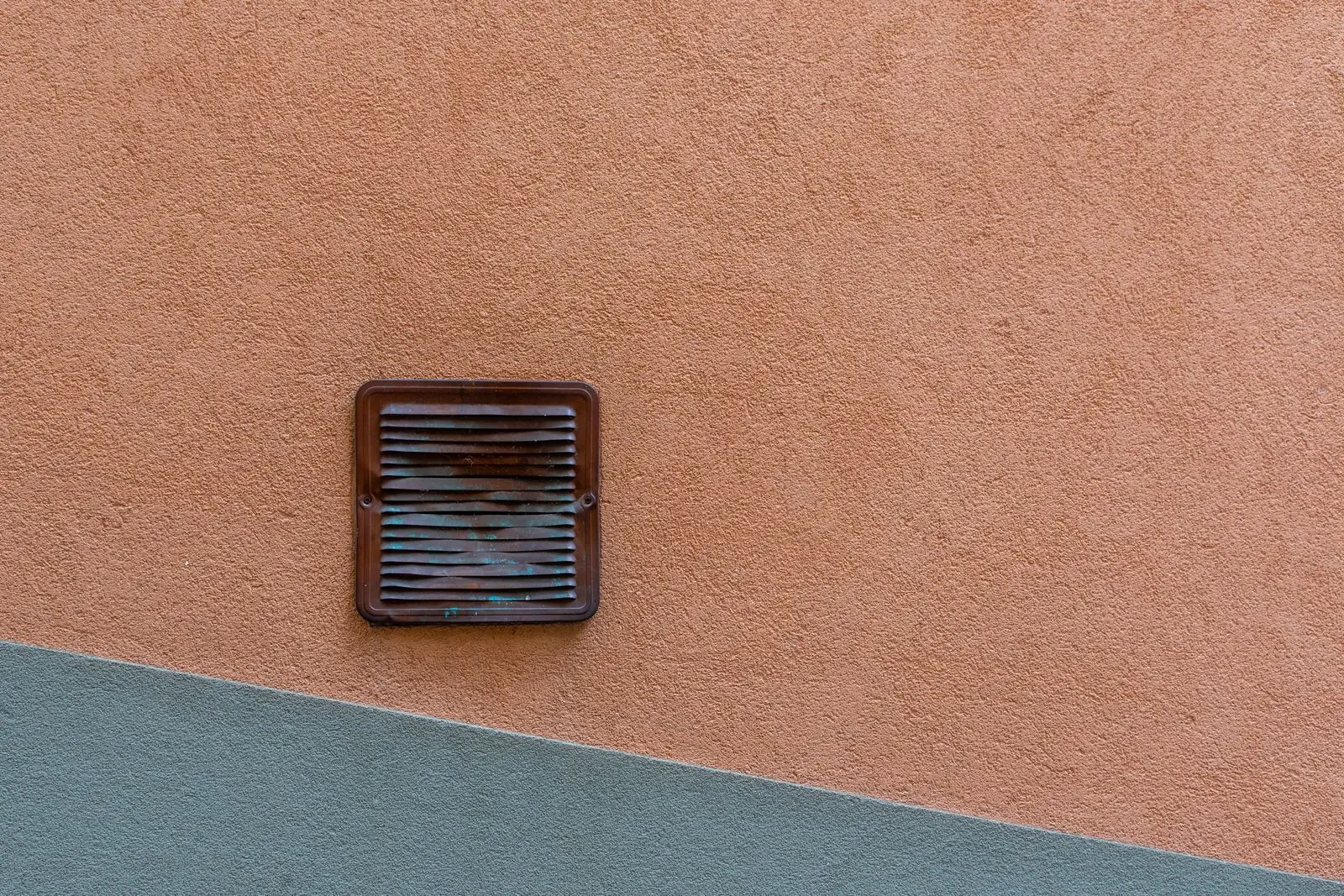
Subfloors in older Melbourne homes, particularly weatherboards and Californian bungalows, can be anything from a comfortable crawl to a gap barely wide enough to slide into. Newer homes on slabs may have no subfloor at all, in which case the animal is usually under a deck, a timber floor extension or a verandah.
A typical visit goes roughly like this:
- Find the access point: a subfloor door, a removable vent, a gap under the deck, or a floorboard if there's no other way in.
- Locate the carcass with a torch, smell and any signs of disturbance.
- Remove it in sealed bags and take it away for disposal.
- Take out contaminated soil, nesting material or debris from underneath.
- Disinfect and deodorise the spot, and treat the surrounding area if the odour has spread.
- Point out how the animal got in, so you can close the gap once nothing else is living there.
What it costs, and why it varies
There's no single price for removing a dead animal from under a house, because two jobs that sound the same can be very different on the day. The main things that affect the cost are:
- Access: an open subfloor door is quick; a 30-centimetre crawl gap under a deck, or having to lift floorboards, takes longer.
- Size of the animal: a rat is very different to a fox, a cat or a large possum.
- How long it's been there: an older carcass usually means more contaminated soil and more clean-up.
- Odour treatment: whether the smell has moved up into the house and needs treating inside as well.
- Time of day: after-hours call-outs can cost more than a weekday visit.
Our dead animal removal cost page explains these factors in more detail, and how much dead animal removal costs in Melbourne covers what to ask when you ring for a quote. The cheapest path is usually to call early: a carcass removed in its first few days leaves far less mess than one left for weeks.
Can you get it out yourself?
Sometimes. If the animal is small and visible from the access door, and you can reach it without crawling, you can usually handle it:
- wear disposable gloves and a P2 mask;
- use a shovel or an inverted plastic bag to pick it up;
- double-bag it and put it in the general waste (red-lid) bin;
- wash your hands thoroughly and keep kids and pets away from the area.
Don't crawl into a subfloor that's too tight to turn around in, has exposed wiring, or is wet and muddy. Don't block the entry gap until you're sure no other animals are living under there. And if the animal is a cat or dog, check the neighbours haven't lost a pet; a vet can scan for a microchip so the owner can be told.
Renting? Tell your agent first
If you rent, let your property manager or landlord know as soon as you notice the smell. Getting under the house is usually their call to arrange, and they may want it documented. Our guide on a dead animal in a rental property explains how that usually works in Victoria.
Need it gone today? We crawl the subfloor so you don't have to, remove the animal and treat the area underneath, often the same day. Call (03) 9125 4024 or send us a message.