Costs & Who to Call
Will the Council Remove a Dead Animal From My Property in Victoria?
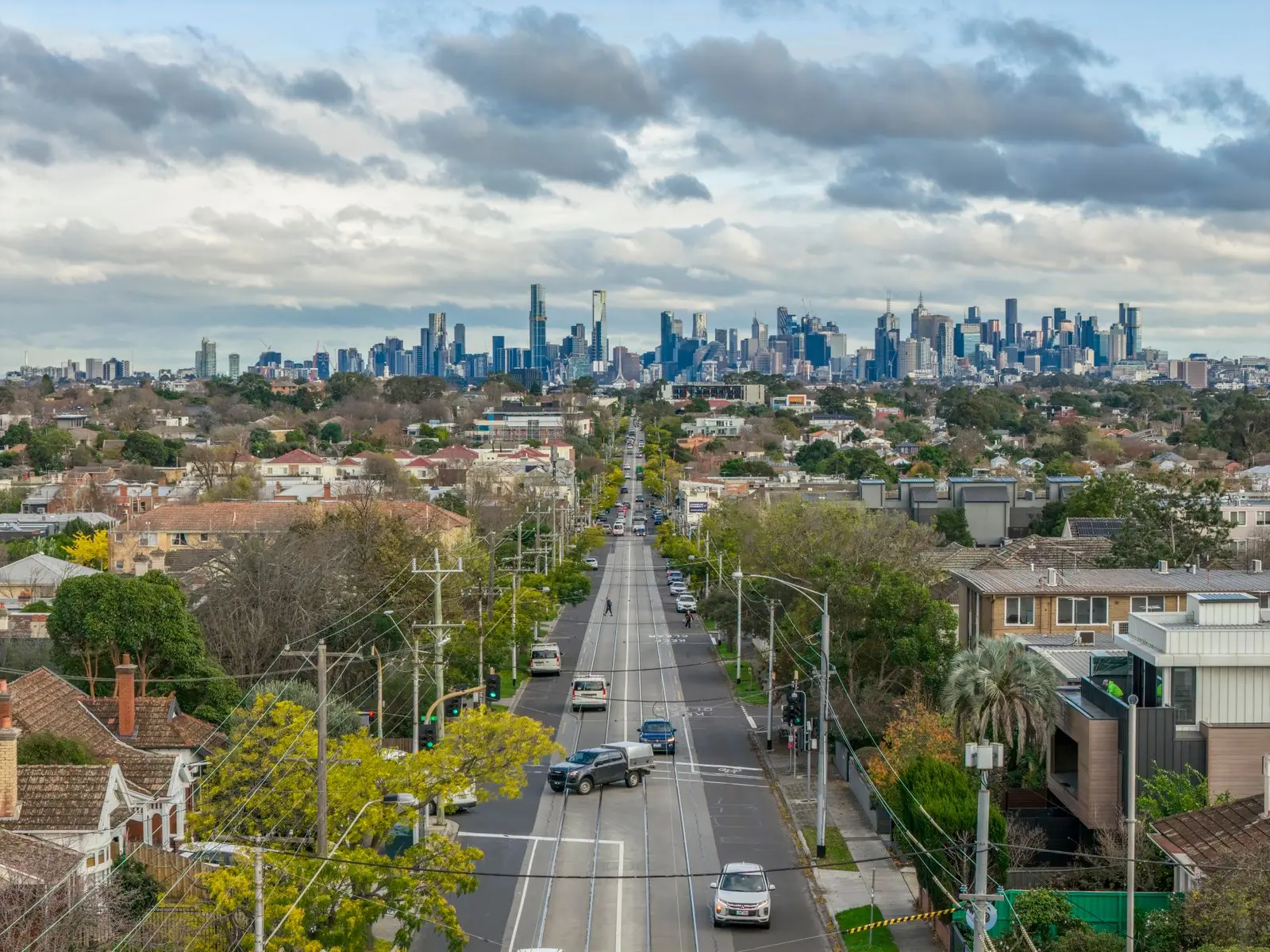
In most cases, no. If you're looking into dead animal removal, Melbourne council services generally cover local roads, footpaths, parks and other council land, not private property. If the animal is in your yard, pool, roof, walls or under the house, most councils will tell you it's the owner's job to arrange. The exact rules vary, so it's still worth a quick check with your own council, but plan on handling it yourself or booking a removalist.
Below we explain where the boundary usually sits, the grey areas people ask about most, and what your realistic options are. If it's on your side of the fence, our dead animal removal service across Melbourne handles exactly these jobs.
Dead animal removal by Melbourne councils: what's usually covered
Councils look after the public spaces they manage. That typically includes:
- dead animals on local roads and in the gutter;
- footpaths and laneways the council maintains;
- parks, reserves, playgrounds and sports grounds;
- council car parks and council-owned buildings.
Freeways and main arterial roads are different again. Those are managed by the Department of Transport and Planning, so a dead kangaroo on a major road on the city fringe isn't usually a council job either.
Most councils take reports through an online request form or their customer service number. Have the nearest street number or intersection ready, plus what the animal is and roughly where it's lying.
Why councils don't come onto private property
The short version is that councils maintain public land, and what happens inside a private boundary is the owner's responsibility, much like a fallen tree branch in your backyard or a blocked drain on your side of the boundary. There are practical reasons too. Council crews aren't set up to go into roof spaces, cut into walls or crawl under houses, and they can't take on the liability of working inside private homes.
So if you ring about a possum that has died in your ceiling, expect to be told politely that you'll need to arrange it yourself. Our guide to a dead possum in the roof covers what to do next in that exact situation.
The grey areas people ask about
The nature strip
The nature strip outside your house is usually council land, even though you mow it. Many councils will collect an animal from the nature strip if you report it, but some ask residents to deal with small animals themselves. Ring and ask; it's a reasonable question.
An animal that died on the boundary or fence line
If it's right on the line between your yard and a council reserve, describe that clearly when you call. If it's clearly on your side, it's generally yours.
A neighbour's property
The council won't usually step in between neighbours over a dead animal. If a smell is drifting over from next door, a friendly word is the best first step. They may not know it's there.
A cat or dog you've found
Some councils will scan a dead cat or dog for a microchip so the owner can be told, even if they won't collect it from private land. It's worth asking, because it gives a family an answer. Our guide on what to do if you find a dead cat or dog goes through this carefully.
A rental property
The council's answer is the same for a rental: it's a private property matter. The question then becomes landlord or tenant, which we unpack in who is responsible for a dead animal in a rental.
Your options when the council says no
Small animal, out in the open
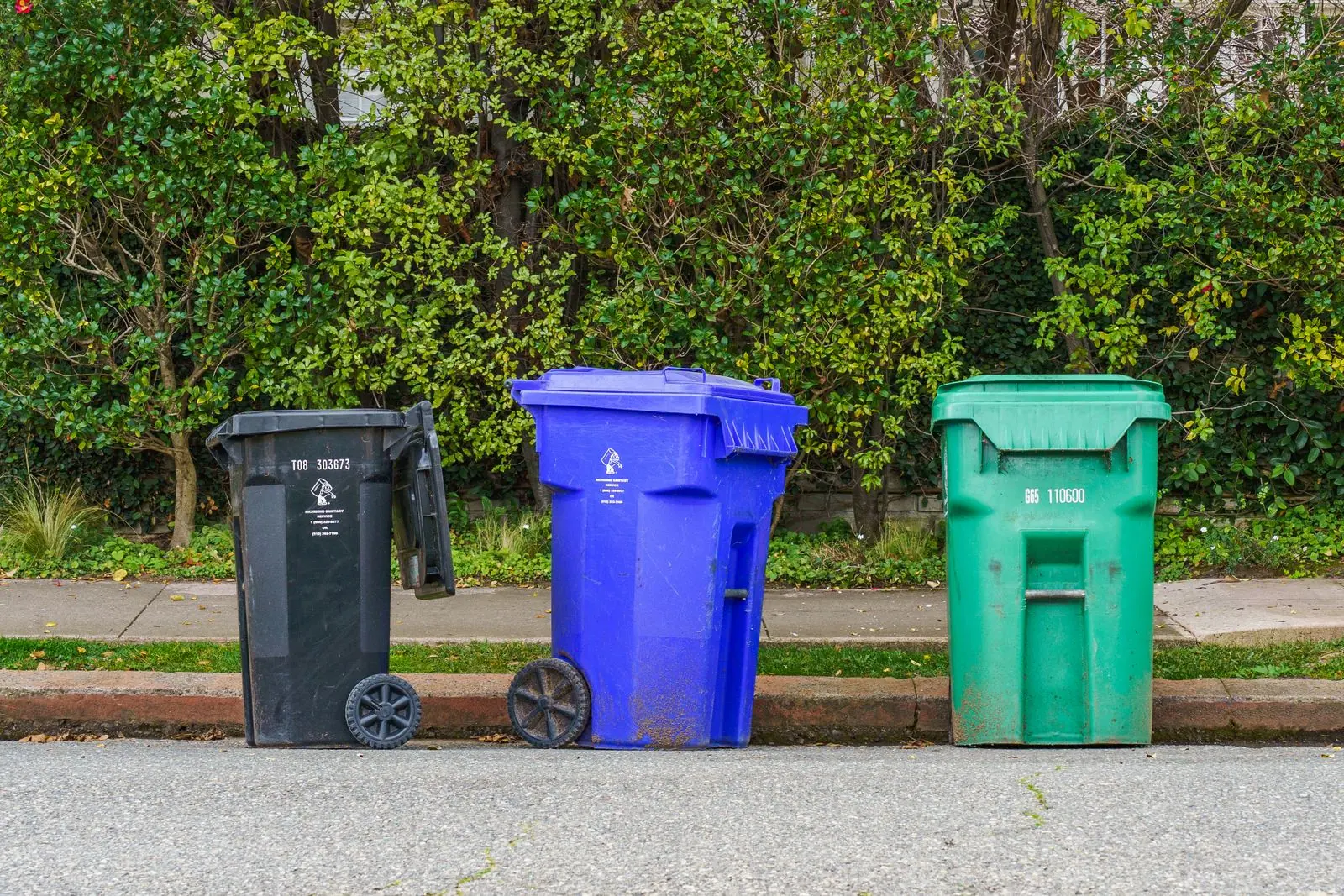
You can usually manage this yourself. Wear disposable gloves (and a P2 mask if it's been there a while), use a shovel or an inverted plastic bag, double-bag the animal and put it in the general waste (red-lid) bin. Never put it in the recycling or green-waste bin. Wash your hands well and keep children and pets away while you work. Our guide on disposing of a dead possum in Victoria has more detail for larger small animals.
Hidden, large or decomposed
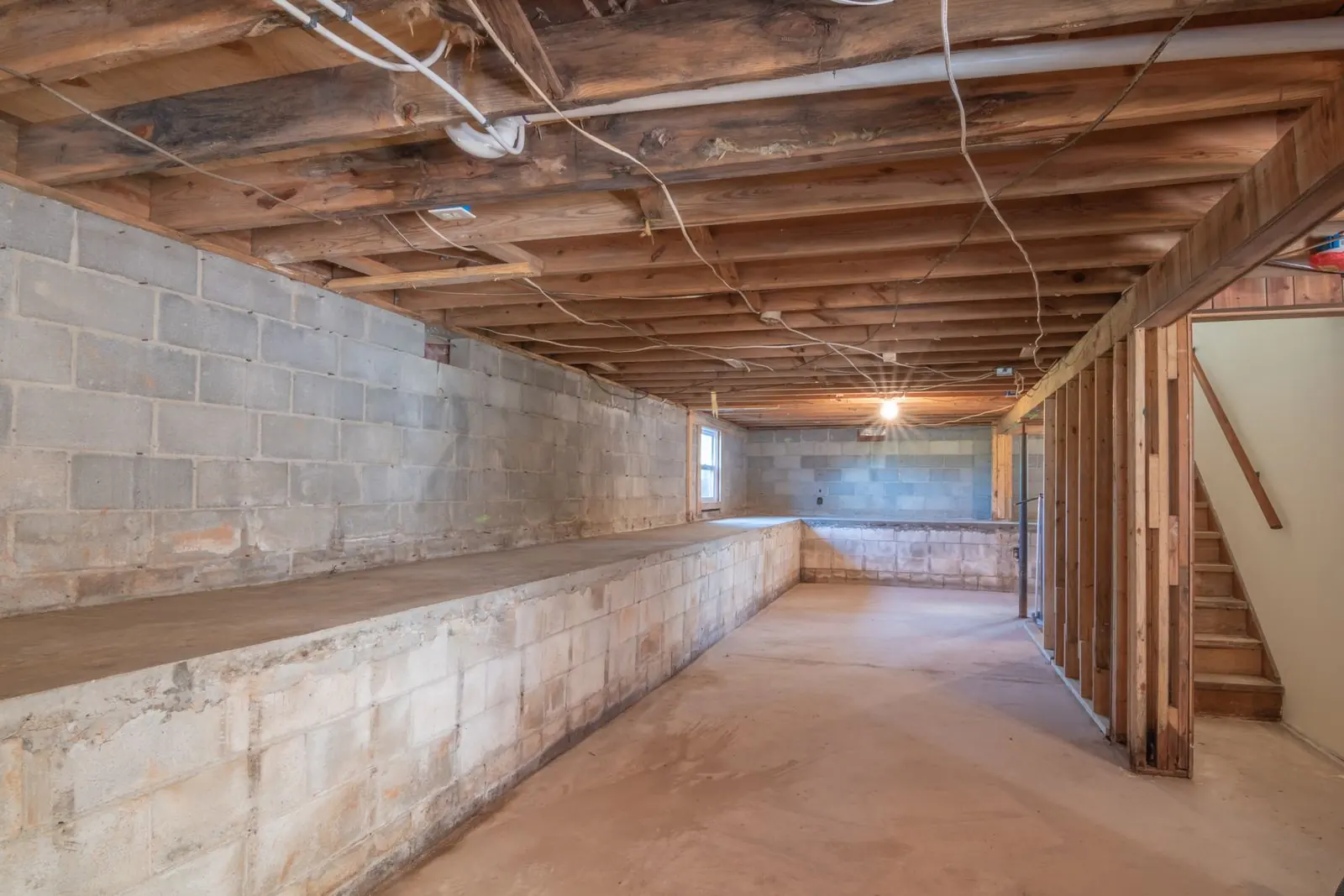
If you can smell it but can't see it, or it's in a roof, wall cavity, subfloor, chimney or heating duct, a dead animal removalist is the practical choice. We locate the animal, remove it, sanitise the area, take out soiled insulation if needed, and treat the odour. We'll also point out how the animal likely got in.
Pets
Your vet or a pet crematorium can arrange cremation. Backyard burial is allowed in many Victorian council areas with conditions on depth and distance from water, and generally not on rented property without permission, so check your council's rules first.
Livestock and large animals
Owners are responsible for dead stock. Agriculture Victoria's guidance covers burial sites and using a knackery or renderer, and councils may have extra rules on top of that.
Before you call the council: a quick checklist
- Confirm the animal is on public land (road, footpath, park, nature strip).
- Note the closest address or intersection.
- Say what the animal is and whether it's a hazard to traffic or people.
- For a cat or dog, ask whether they can check for a microchip.
- For a dead kangaroo, wallaby or wombat, call Wildlife Victoria on (03) 8400 7300 first in case there's a joey.
If it turns out the job is yours and you'd like a professional to handle it, our guide to dead animal removal pricing explains what goes into a quote.
Need it gone today? If the council has told you it's on private property, we can locate and remove the animal and treat the area, often the same day. Call (03) 9125 4024 or send us a message.